
Germany Travel Guide: Your Gateway to Exploring Deutschland’s Rich Tapestry
Updated 1/1/2026
This comprehensive guide is for travelers planning their first visit to Germany—covering essential destinations, cultural insights, practical travel tips, and insider perspectives to help you explore one of Europe’s most diverse and rewarding countries.
Germany unfolds like a story told in layers. Medieval castles keep watch over forested valleys, high-speed trains glide through baroque city centers, and beer gardens hum with traditions that stretch back centuries. From Berlin’s raw creative energy to Bavaria’s Alpine drama, from the Rhine Valley’s vineyard-draped hillsides to the Baltic Sea’s windswept shores, this country rewards curious travelers with authenticity, efficiency, and experiences that range from fairy-tale romance to sobering historical reflection.
What strikes me most about Germany, after years of exploring Central Europe, is how it balances its complex past with a vibrant present. This is a country that feels both profoundly traditional and refreshingly modern. You can experience world-class museums one moment and intimate village festivals the next, all connected by Europe’s most efficient transportation network.
On this page
A quick note on planning: Prices and opening hours are mentioned to help you budget and plan, but they can change frequently. I always recommend checking official websites for the most current information before your visit.
Why Germany Should Be on Your Travel List
Quick Overview:
- Historical depth: Medieval towns, WWII memorials, and Cold War landmarks tell Germany’s complex story
- Exceptional value: Generally 30-40% less expensive than neighboring Western European countries
- World-class infrastructure: Europe’s most efficient rail network with seamless connections
- Seasonal magic: Christmas markets, spring festivals, summer beer gardens, and autumn harvest celebrations
- Cultural richness: 55 UNESCO World Heritage Sites, world-renowned museums, and thriving arts scenes
- Diverse landscapes: North Sea beaches to Alpine peaks, Rhine vineyards to Black Forest trails
Germany’s appeal lies in its remarkable diversity packed into one efficiently organized country. With 2025 having marked record-breaking tourism figures, international visitor spending reached an estimated €57 billion, and domestic spending reached €425 billion. The country has firmly re-established itself as a top-tier global destination.
What I find most compelling is how Germany seamlessly blends imperial grandeur with contemporary cool. You’ll encounter fairy-tale castles that inspired Disney alongside techno clubs that define European nightlife. This juxtaposition makes Germany endlessly fascinating for travelers seeking both tradition and innovation.
Exploring Germany by Region

Southern Germany: Bavarian Charm and Alpine Majesty
Bavaria (Bayern)
Munich, Bavaria’s capital, captures the essence of German tradition while embracing cosmopolitan energy. The Marienplatz, with its famous Glockenspiel that draws crowds daily at 11 AM and noon, serves as the beating heart of this vibrant city. The English Garden, one of the world’s largest urban parks, offers respite with its beer gardens, surprising surfing wave, and sprawling lawns where locals picnic on sunny afternoons.
Beyond Munich, Bavaria reveals its fairy-tale side. Neuschwanstein Castle perches dramatically in the foothills of the Alps, the inspiration for Disney’s Sleeping Beauty castle. The castle was inscribed as a UNESCO World Heritage Site in 2025 alongside Ludwig II’s other palaces. Entry costs €21 for adults, and booking well in advance is essential during peak season. For the most current pricing and to reserve your tickets, check the official Neuschwanstein website.
The Romantic Road stretches from Würzburg to Füssen, stringing together medieval towns like pearls on a necklace. Rothenburg ob der Tauber feels almost impossibly preserved, with its intact town walls and half-timbered houses. I recommend spending at least a few days exploring these towns rather than rushing through on a day trip. Staying overnight lets you experience them after the tour buses depart, when the cobblestone streets quiet and the atmosphere becomes genuinely magical.
Baden-Württemberg
This southwestern region combines Black Forest mystique with vineyard-covered hillsides and Germany’s warmest climate. Baden-Baden, with its elegant thermal spas and belle époque architecture, offers restorative luxury that the wealthy have enjoyed for centuries. The Black Forest (Schwarzwald) delivers dense woodlands, cuckoo clock workshops, and hiking trails that range from gentle to challenging.
Heidelberg, perched along the Neckar River with its famous castle ruins overlooking the old town, ranks among Germany’s most romantic cities. The university town buzzes with student energy while maintaining its baroque charm. I’ve watched sunset from the castle terrace more times than I can count, and it never gets old.
Central Germany: Imperial Heritage and Modern Energy
Hesse (Frankfurt and Beyond)
Frankfurt serves as Germany’s financial heart, its gleaming skyscraper skyline earning it the nickname “Mainhattan.” Many travelers dismiss it as merely an airport city, but Frankfurt rewards those who linger. The reconstructed Römerberg square showcases traditional architecture, while the Museumsufer (Museum Embankment) along the Main River hosts world-class collections.
The Frankfurt Green Sauce (Grüne Soße), a local specialty made with seven fresh herbs, traditionally marks the start of spring and remains a culinary point of pride. If you visit in spring or early summer, order it. This is one of those dishes that captures the essence of regional food culture in a way guidebooks can’t quite explain.
Saxony and Thuringia
Dresden stands as a metaphor for German reconciliation. Devastated during World War II and painstakingly rebuilt after reunification, the city’s reconstructed Frauenkirche, Zwinger Palace, and Semperoper opera house showcase baroque splendor against a modern backdrop. The nearby Saxon Switzerland National Park offers dramatic sandstone formations perfect for hiking.
Leipzig, once home to Bach and a center of peaceful protest that helped topple the Berlin Wall, pulses with artistic energy and a thriving music scene. Erfurt and Weimar, both rich in literary and philosophical heritage, offer quieter but equally rewarding explorations. These cities feel less touristy than their Bavarian counterparts, which I appreciate.
Romantic Rhine and Moselle Valleys
The Upper Middle Rhine Valley, a UNESCO World Heritage Site, delivers the quintessential German landscape: castle-crowned hilltops, terraced vineyards, and charming riverside villages. A Rhine River cruise between Koblenz and Rüdesheim offers the perfect perspective, especially during the “Rhine in Flames” festivals featuring coordinated fireworks displays.
The Moselle Valley, often overlooked in favor of its famous neighbor, provides equally stunning scenery with fewer crowds, exceptional wines, and picturesque towns like Cochem and Bernkastel-Kues. If you want the Rhine Valley experience without the peak-season masses, head here instead.
Northern Germany: Maritime Heritage and Hanseatic Pride
Germany’s second-largest city exudes maritime sophistication with its vast harbor, warehouse district (Speicherstadt, another UNESCO site), and reputation as Germany’s gateway to the world. The Elbphilharmonie concert hall, with its wave-like glass architecture, has become an architectural icon since opening in 2017.
I remember walking through the Speicherstadt at dusk, the brick warehouses reflecting in the canals as the lights began to flicker on. The atmosphere felt both industrial and romantic, a perfect metaphor for Hamburg itself. Later that evening, I found a small fish restaurant near the harbor where locals were enjoying freshly caught plaice. That meal, simple and perfectly prepared, reminded me why port cities often have the best seafood in any country.
Hamburg‘s St. Pauli neighborhood, home to the infamous Reeperbahn, offers legendary nightlife. However, solo female travelers should exercise caution late at night in this area.
The Baltic Coast
Lübeck, the “Queen of the Hanseatic League,” preserves its medieval glory with brick Gothic architecture and famous marzipan traditions. The island of Rügen, Germany’s largest, features dramatic white chalk cliffs, seaside resorts, and pristine beaches. It’s perfect for those seeking coastal respite from the more intense cultural experiences elsewhere.
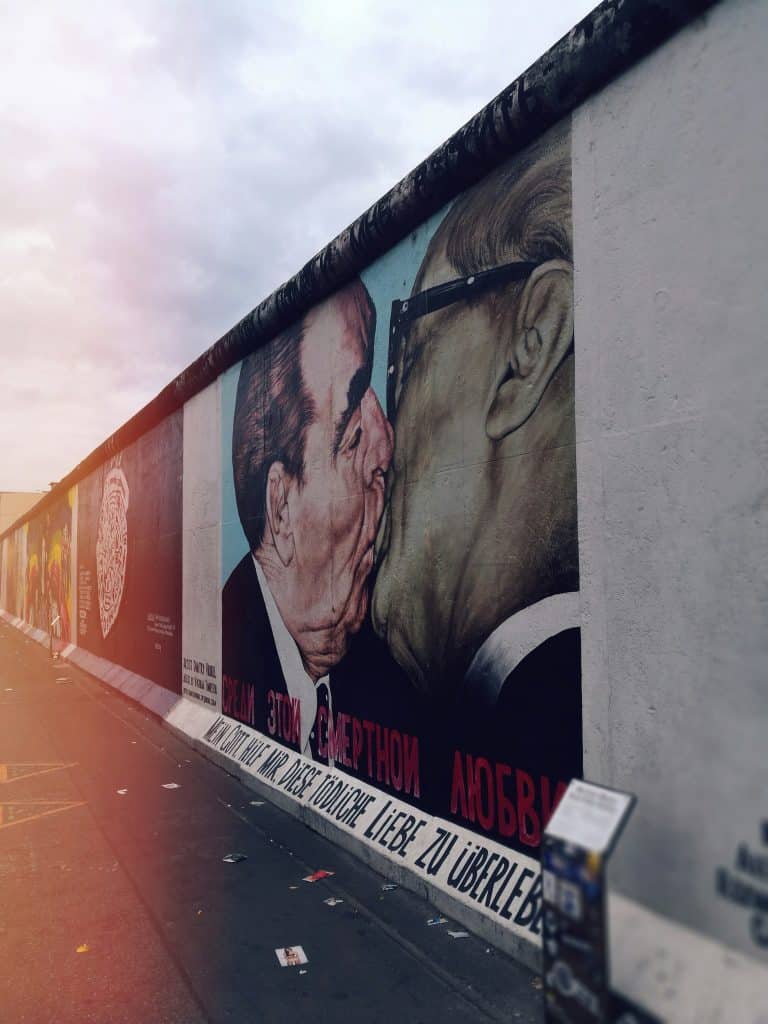
Berlin: Where History Meets Cutting-Edge Cool
Berlin defies easy categorization. The German capital pulses with creative energy, its scars from division transformed into vibrant neighborhoods where street art covers Cold War relics and former industrial spaces host world-class clubs. The Brandenburg Gate, Reichstag dome, East Side Gallery (the longest remaining stretch of the Berlin Wall), and Museum Island (housing five world-renowned museums) anchor any visit.
What I love most about Berlin is its gritty authenticity. Unlike many European capitals that feel like open-air museums, Berlin remains a living, evolving city where residents actually outnumber tourists in most neighborhoods. The city’s turbulent 20th-century history remains viscerally present, from Nazi capital to divided city to reunified metropolis. This makes Berlin essential for understanding modern Germany.
The city’s neighborhoods each possess distinct personalities. Kreuzberg and Neukölln deliver Turkish food and counterculture. Prenzlauer Berg offers family-friendly cafés. Mitte holds museums and monuments. Friedrichshain thrives on nightlife. Spend time in at least two or three to get a sense of the city’s complexity. for more info read my Berlin First-Timer’s Guide: Neighborhoods, Transport, and What to See
Cultural Experiences Worth Seeking Out (And the Unwritten Rules Nobody Tells You)
Germany’s cultural experiences come with invisible codes of conduct that separate casual tourists from culturally aware travelers. Understanding these nuances transforms your trip from superficial to meaningful. For broader strategies on cultural immersion throughout Europe, explore my guide on The Art of Cultural Immersion: How to Travel Like a Local in Europe.
The Punctuality Truth
Germans’ legendary punctuality isn’t a stereotype. It’s a deeply held cultural value. Arriving even five minutes late to a meeting, tour, or dinner reservation without notification is genuinely rude. Public transportation reflects this: trains departing at 14:07 mean 14:07, not 14:10. Build buffer time into your schedule, and you’ll immediately feel more in sync with German culture.
The Cash Conundrum
Despite being Europe’s economic powerhouse, Germany remains surprisingly cash-dependent. Many restaurants, bakeries, and smaller shops still don’t accept cards, and those that do may have minimum purchase requirements. Carry €50-100 in cash at all times, especially outside major cities. Withdraw from bank ATMs rather than independent machines to avoid inflated fees.
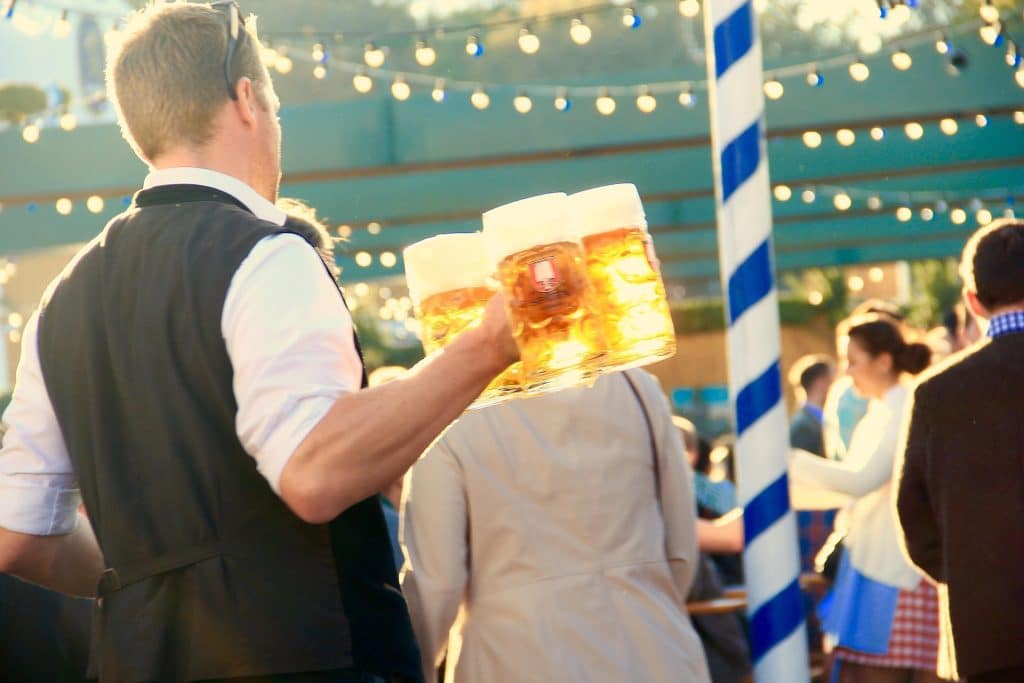
Beer Garden Etiquette
Beer gardens follow specific rules that confuse newcomers. At traditional establishments, you can bring your own food if you purchase drinks, a cost-saving strategy locals use regularly. Tables with tablecloths are reserved for full-service dining. Bare wooden tables indicate self-service areas where you fetch your own beer and return your stein when finished. The communal seating means strangers will join your table. Embrace it.
Quiet Hours (Ruhezeit) Are Sacred
Germans take their quiet hours seriously: generally 10 PM to 6 or 7 AM on weekdays, 1-3 PM in some cities, and all day Sunday. Running a vacuum on Sunday afternoon or playing loud music during Ruhezeit in an apartment building can result in complaints or even fines. In hotels, maintain considerate noise levels during these times.
Crossing the Street: Wait for the Green
Jaywalking, especially in front of children, draws disapproving glares and can result in fines. Germans wait for the pedestrian signal even when no cars approach. Following this rule demonstrates cultural awareness and sets a good example.
Greetings Matter
When entering shops, waiting rooms, or small establishments, greet people with “Guten Tag” or “Hallo.” Upon leaving, say “Auf Wiedersehen” or “Tschüss.” Failing to greet and bid farewell properly comes across as rude. In business or formal settings, shake hands with everyone individually rather than waving to the group.
Small Talk Isn’t Expected
Germans generally skip idle chit-chat with strangers. This isn’t unfriendliness. It’s simply not part of the culture. Direct communication and getting to the point are valued over pleasantries. Don’t take apparent coldness personally. It’s just a different communication style.
What to Experience:
Christmas Markets (Weihnachtsmärkte): Germany’s Christmas markets, running from late November through December 24, transform city squares into magical winter wonderlands. Nuremberg, Munich, Dresden, and Cologne host the most famous markets, offering handcrafted gifts, Glühwein (mulled wine), Lebkuchen (gingerbread), and Bratwurst amid twinkling lights. The markets typically close on December 24, so don’t plan a Christmas Day visit expecting them to be open.

Oktoberfest: The world’s largest beer festival runs from late September to early October in Munich, attracting over six million visitors. Reserve accommodations and table spaces months in advance if you plan to attend.
Classical Music Heritage: Germany’s musical legacy spans from Bach in Leipzig to Wagner in Bayreuth. Attend a performance at Berlin’s Philharmonie, Dresden’s Semperoper, or one of the many music festivals throughout summer.
Regional Cuisine: German food extends far beyond sausages and beer. Explore regional specialties: Bavarian Schweinshaxe (pork knuckle) and Knödel (dumplings), Swabian Maultaschen (pasta pockets), Saxon Sauerbraten (marinated roast), Berlin’s Currywurst, and Rhineland Sauerbraten with Reibekuchen (potato pancakes). The famous lunch specials (Mittagsmenü) offer restaurant-quality meals at 40-60% less than dinner prices, typically served until 2:30 or 3:00 PM.
UNESCO World Heritage Sites: Germany boasts 55 UNESCO sites, from Cologne Cathedral to the Wadden Sea, from Bauhaus architecture to beech forests. Planning your itinerary around several of these ensures you experience Germany’s most significant cultural and natural treasures.
Thermal Spas: Germany’s spa culture, particularly in Baden-Württemberg and Bavaria, offers relaxation steeped in tradition. Note that many spa saunas expect full nudity and enforce quiet. Check specific facility rules before visiting.
Practical Travel Tips for Germany
Getting Around: Germany’s Transportation Excellence
Germany’s public transportation network ranks among the world’s best, combining efficiency, comfort, and accessibility. If you’re planning a multi-country trip through the region, my comprehensive guide to Getting Around Central & Eastern Europe: Trains, Buses, and Rental Cars provides detailed insights for cross-border travel.
Rail Travel: The Backbone of German Transportation
Deutsche Bahn (DB) operates Germany’s extensive rail network, offering multiple service levels:
InterCity Express (ICE): Germany’s high-speed trains connect major cities at speeds up to 320 km/h. A Berlin to Munich journey takes about 4 hours and costs around €45-80 depending on booking timing.
InterCity (IC) and EuroCity (EC): Comfortable trains connecting cities with frequent stops, no reservation required.
Regional Express (RE) and RegionalBahn (RB): Local trains serving smaller towns and connecting to long-distance services, ideal for exploring regional areas.
S-Bahn: Suburban rail systems in major metropolitan areas, functioning like rapid transit.
The Deutsche Bahn Navigator app provides real-time schedules, platform changes, and integrated ticketing. Book long-distance tickets early for the best prices. Advance purchase can save 50% or more.

The Deutschland Ticket: Budget Travel Game-Changer
For around €63 per month (prices can adjust annually), the Deutschland Ticket provides unlimited travel on all regional trains, S-Bahns, U-Bahns (metros), trams, and buses throughout Germany. This incredible value works perfectly for travelers spending a week or more exploring multiple regions at a leisurely pace. Note that it doesn’t cover ICE, IC, or EC express trains. For current pricing and terms, check the official Deutschland Ticket website.
Driving in Germany
Renting a car opens up rural areas, small towns, and the famous Autobahn experience. Expect daily rental rates of around €50-75. However, understand the vignette system: While Germany doesn’t require highway toll stickers (unlike Austria, Switzerland, and neighboring countries), speeding cameras are ubiquitous, and fines arrive by mail. The Autobahn’s unrestricted sections require heightened alertness. Slower traffic stays right, and faster vehicles approach from behind at startling speeds.
Germany’s drunk driving limit is 0.05% blood alcohol content, stricter than the US. Even operating a bicycle while intoxicated can result in fines or jail time.
Budget Planning: What Germany Actually Costs
Germany offers excellent value compared to Western European neighbors while maintaining high standards. For a detailed breakdown of costs across the entire region and practical budgeting strategies, see my comprehensive guide: How Much Does a Trip to Central Europe Cost? A Realistic Budget Guide. Also bear in mind location matters, Munich typically 10-20% higher than eastern German cities or smaller towns.
Realistic Daily Budget Breakdown:
Budget Travelers: €60-80 per day
- Hostel dorm bed: typically €30-45
- Lunch specials and street food: €10-15
- Self-catering some meals
- Public transportation day passes: €7-12
- Free walking tours (tip expected)
Mid-Range Travelers: €100-150 per day
- Budget hotel: generally €75-100 or private hostel room: circa €40-50
- Mix of lunch specials and casual dinners: €30-40
- Museum entries: around €10-15 per site
- Regional train travel
- Occasional guided tours
Comfort Travelers: €180+ per day
- Boutique hotels: from €120-200+
- Restaurant dining: €40-70
- ICE train tickets and flexibility
- Private tours and premium experiences
The Lunch Special Secret
This single tip can halve your dining budget. Traditional German restaurants offer Mittagsmenü (lunch menus) until 2:30 or 3:00 PM at 30-40% less than dinner prices. The same schnitzel costing €19 at dinner costs €14 at lunch, often including soup or salad. Locals know this. Tourists eating dinner at 6 PM don’t.
For an in depth look at what each region has to offer see my German Food Guide: Regional Dishes post.
City Card Reality Check
Almost every major city sells tourist cards promising unlimited museum access and public transport. The truth? These cards only pay off if you visit 4+ museums daily while constantly using public transport, a pace few travelers actually maintain. Calculate your planned activities before purchasing.
Currency and Payment
Germany uses the Euro (€). While cards are increasingly accepted in cities, cash remains king in smaller establishments, bakeries, and markets. Notify your bank of travel plans to avoid card blocks. Use ATMs at banks for the best exchange rates.
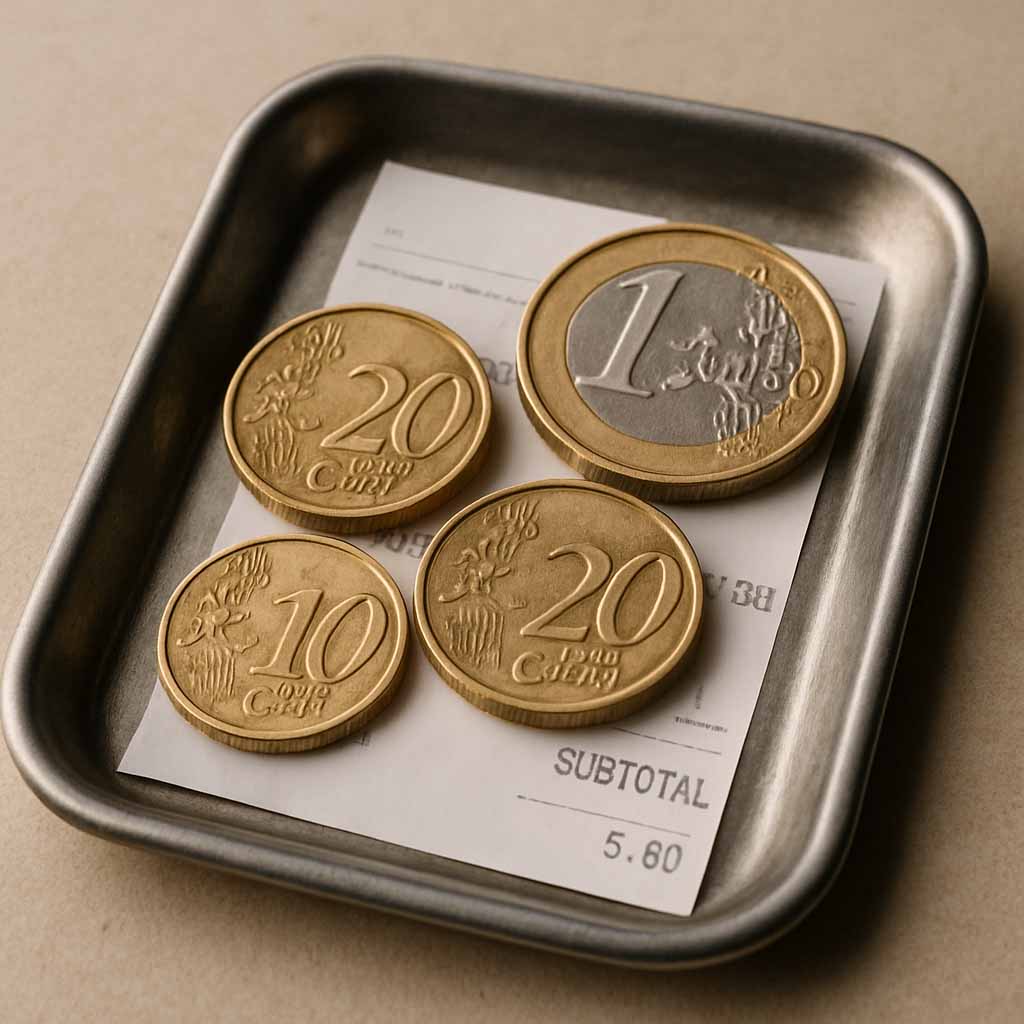
Tipping Etiquette
Tipping in Germany follows different norms than the US:
- Restaurants: Round up to the nearest Euro or add 5-10% for good service
- Hand the tip directly to the server rather than leaving it on the table
- Say “Stimmt so” (keep the change) when paying
- Taxi drivers: Round up to the nearest Euro
- Hotel porters: €1-2 per bag
For more detail read my Tipping Etiquette in Europe: Your Essential Guide to Gratuity Customs
Best Times to Visit: Navigating Germany’s Seasons
Understanding Germany’s seasonal patterns helps you plan the perfect trip. For deeper insights into traveling throughout the region across all four seasons, explore my guide to Central Europe’s Seasonal Calendar: Best Times to Visit (Beyond Christmas Markets).
Late Spring (May-June): The Sweet Spot
May and June offer Germany at its finest: comfortable temperatures averaging 18-24°C (64-75°F), cherry blossoms and blooming gardens, manageable crowds, and all attractions fully operational. This is when I most recommend visiting if your schedule allows flexibility.
Summer (July-August): Peak Season Trade-offs
Summer brings warm weather perfect for outdoor activities, long daylight hours (sunset after 9 PM), and vibrant festival seasons. However, expect:
- Higher prices (20-30% more than shoulder seasons)
- Significant crowds at major attractions
- Temperatures occasionally reaching 35°C (95°F) in cities
- Many historic buildings lack air conditioning
Autumn (September-October): Second Sweet Spot
September offers summer-like weather with fewer crowds. Oktoberfest runs from late September to early October in Munich. Book far in advance if attending, or avoid the area entirely if you’re not. November marks the beginning of Christmas market season, transforming Germany into a winter wonderland.
Winter (November-March): Budget Season and Christmas Magic
Winter travel offers the lowest prices, smallest crowds, and magical Christmas markets (late November through December 24). Southern Germany and Alpine regions receive significant snow, perfect for winter sports. Cities can be gray and cold, but cozy beer halls, thermal spas, and museum-hopping provide excellent cold-weather alternatives.

Visa and Entry Requirements (Updated for 2026)
Schengen Area Access
Germany is part of the Schengen Area, allowing visa-free travel for up to 90 days within any 180-day period for citizens of the US, UK, Canada, Australia, New Zealand, Japan, and 60+ other countries.
Citizens of India, China, Philippines, Indonesia, South Africa, and 100+ other countries require a Schengen visa. Costs are typically around €90 and require application at a German embassy or consulate.
Entry/Exit System (EES): New Requirements (Effective late 2025)
Starting October 12, 2025, the EU’s Entry/Exit System has been in effect. Non-EU travelers register biometric details (fingerprints and facial photo) at Schengen borders on first entry, valid for three years. Budget extra time at border crossings. Initial processing may add 10-15 minutes.
ETIAS Authorization: Expected Late 2026
Following the EES implementation, visa-free travelers will need to obtain electronic authorization (ETIAS) before entering the Schengen Area, even for short trips. Current projections place the ETIAS launch in late 2026. Apply online before departure once the system is operational.
Always verify current entry requirements based on your citizenship well before travel. Check your country’s official government travel advisory website for the most current information.
Language Basics: Essential German Phrases
English is widely spoken in tourist areas, hotels, and restaurants in major cities. However, learning basic phrases demonstrates respect and opens doors:
Greetings:
- Guten Tag: Hello/Good day (formal)
- Hallo: Hi (informal)
- Auf Wiedersehen: Goodbye (formal)
- Tschüss: Bye (informal)
- Guten Morgen: Good morning
- Guten Abend: Good evening
Essential Phrases:
- Bitte: Please/You’re welcome
- Danke (schön): Thank you (very much)
- Entschuldigung: Excuse me/Sorry
- Ja/Nein: Yes/No
- Sprechen Sie Englisch?: Do you speak English?
- Ich verstehe nicht: I don’t understand
- Wie viel kostet das?: How much does this cost?
- Wo ist…?: Where is…?
- Die Rechnung, bitte: The bill, please
Translation apps like Google Translate work well for reading menus and signs.
Safety Considerations
Germany ranks among Europe’s safest countries. Standard precautions apply. For comprehensive guidance on traveling safely and confidently throughout Europe, especially if you’re traveling solo, see my detailed guide: Solo Travel & Safety in Europe: Your Complete Guide to Confident Independent Exploration.
Be aware of pickpockets in crowded tourist areas, train stations, and Christmas markets, particularly during peak seasons. Keep valuables secured, use inside pockets, and maintain awareness in crowds.
At the time of writing, The US State Department has issued a Level 2 advisory (“Exercise Increased Caution”) for Germany due to potential terrorism threats, particularly at tourist sites, transportation hubs, and large public gatherings. Remain vigilant in crowded spaces, follow local guidance, and stay informed through local news. For the latest updates, consult the official US State Department travel advisory for Germany.
Historical sensitivity: Germany takes its historical responsibility seriously through strict laws. Nazi symbols, salutes, Holocaust denial, and pro-Hitler statements are criminal offenses, whether in person or online. This extends to tourists and can result in arrest.
Cycling and scooter awareness: Major cities have extensive bike lanes and rental scooters. Stay out of bike lanes when walking. Cyclists have right-of-way and won’t slow down. Cycling while intoxicated is illegal and can result in substantial fines.
Sustainable Travel in Germany
Germany leads Europe in sustainable tourism initiatives, making eco-conscious travel both easy and rewarding.
Choose Trains Over Planes
Germany’s rail network makes cross-country and regional travel scenic, comfortable, and low-carbon. A Berlin-to-Munich train journey produces 90% less CO2 than flying while offering productivity and scenery no flight provides.
Stay in Eco-Certified Accommodations
Germany hosts over 220 eco-certified campsites and growing numbers of sustainable hotels employing renewable energy, water conservation, locally-sourced food, and waste reduction. Look for certifications like Ecocamping or EU Ecolabel when booking.
Support Local and Regional Experiences
Choose family-run guesthouses (Pensionen), eat at restaurants sourcing regional ingredients, shop at weekly farmers’ markets (Wochenmarkt), and book tours with local guides rather than international operators. This keeps tourism revenue in local communities while providing authentic experiences.
Explore Lesser-Known Destinations
Instead of only Berlin, consider Erfurt or Weimar. Beyond Munich, explore Bamberg or Regensburg. Rather than just the Rhine, discover the Moselle Valley. These smaller cities offer genuine cultural experiences with far fewer crowds and lower environmental impact.
Visit Natural Parks and Biosphere Reserves
Germany protects 104 natural parks and 17 UNESCO biosphere reserves, offering hiking, wildlife watching, and environmental education. The Wadden Sea, Black Forest National Park, and Saxon Switzerland provide world-class natural experiences.
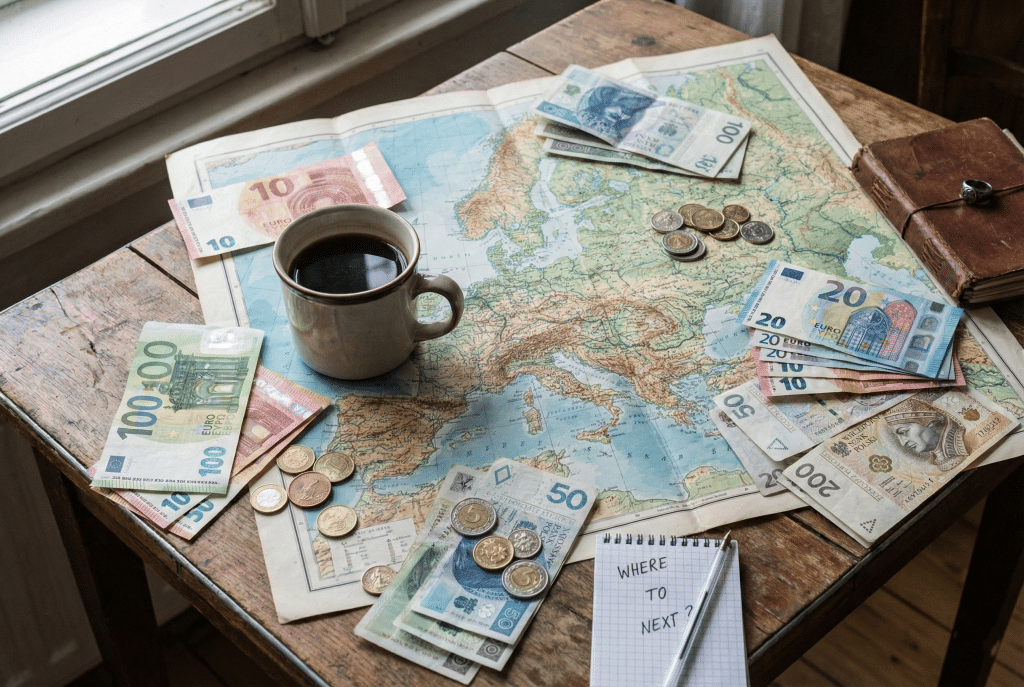
Sample Itineraries for Different Travel Styles
Classic Highlights (10-14 Days)
Munich → Romantic Road → Rhine Valley → Cologne → Berlin
This strategically optimized route maximizes Germany’s most iconic experiences while minimizing backtracking. Start in Bavaria’s capital, explore castle-rich southern regions, cruise the Rhine, visit Cologne’s massive cathedral, and finish in dynamic Berlin. The logical flow follows natural transportation corridors.
- Day 1-3: Munich and day trip to Neuschwanstein
- Day 4: Rothenburg ob der Tauber
- Day 5-6: Rhine Valley (Bacharach or St. Goar)
- Day 7: Cologne
- Day 8-10: Berlin
- Optional extensions: Dresden (2 days), Hamburg (2 days)
Bavaria and Austria Loop (7-10 Days)
Perfect for first-time visitors prioritizing Alpine scenery and traditional culture.
Munich → Garmisch-Partenkirchen → Neuschwanstein → Salzburg → Munich
- Day 1-2: Munich
- Day 3: Zugspitze (Germany’s highest peak) or hiking near Garmisch
- Day 4: Neuschwanstein and Hohenschwangau castles
- Day 5-6: Salzburg, Austria (Sound of Music, Old Town)
- Day 7: Return to Munich via Chiemsee or Berchtesgaden
Cultural Cities Circuit (10-14 Days)
For museum lovers, history buffs, and urban explorers.
Berlin → Dresden → Leipzig → Weimar → Nuremberg → Munich
This route explores Germany’s artistic and intellectual heritage, from Bach’s churches to Bauhaus architecture, medieval town squares to world-class museums. Use Germany’s efficient rail network to connect these culturally rich cities.
Northern Germany Discovery (7-10 Days)
The often-overlooked north offers maritime charm, Hanseatic history, and Baltic beaches.
Hamburg → Lübeck → Schwerin → Rügen Island → Berlin
- Day 1-3: Hamburg (harbor, Speicherstadt, Elbphilharmonie)
- Day 4: Lübeck day trip
- Day 5: Schwerin (fairytale palace and lake)
- Day 6-7: Rügen Island (white cliffs, beaches, resort towns)
- Day 8-10: Berlin
Frequently Asked Questions
How much time do I need to explore Germany properly?
A minimum of 10-14 days allows you to experience 3-5 major regions meaningfully. Two to three weeks opens up slower travel and lesser-known destinations. Most travelers find 14-21 days ideal for balancing depth and breadth without feeling rushed.
Is Germany expensive to visit?
Germany costs less than neighboring Western European countries while maintaining excellent quality standards. Expect daily costs of €60-80 for budget travelers, €100-150 for mid-range comfort, and €180+ for luxury experiences. Strategic planning (lunch specials, regional trains, and shoulder-season travel) can significantly reduce costs.
Do I need to speak German?
English is widely spoken in tourist areas, hotels, and restaurants in major cities, especially among younger generations. However, smaller towns and older residents may have limited English. Learning basic phrases (Guten Tag, Danke, Entschuldigung) is appreciated and facilitates smoother interactions.
When is the best time to visit Germany?
May-June offers the best overall experience: pleasant weather (18-24°C/64-75°F), manageable crowds, and all attractions operational. September also provides excellent conditions. Visit November-December for magical Christmas markets, but expect cold weather and shorter days.
Is Germany safe for travelers?
Yes, Germany ranks among Europe’s safest countries. Standard precautions apply: watch for pickpockets in crowded areas, follow local guidance regarding terrorism awareness, and respect local laws. The country maintains excellent healthcare, efficient emergency services, and tourist-friendly infrastructure.
How do I get around Germany?
Germany’s rail network provides the most efficient and comfortable transportation. Deutsche Bahn connects all major cities with ICE high-speed trains, while regional trains reach smaller towns. The Deutschland Ticket (around €63) offers unlimited regional travel. Rental cars work well for exploring rural areas but aren’t necessary in cities.
Can I use credit cards everywhere?
No. Despite Germany’s economic power, cash remains widely used. Many restaurants, bakeries, smaller shops, and rural establishments don’t accept cards or have minimum purchase requirements. Carry €50-100 cash at all times.
What are Germany’s must-see UNESCO sites?
Germany boasts 55 UNESCO World Heritage Sites. Top priorities include:
Cologne Cathedral
Museum Island, Berlin
Palaces and Parks of Potsdam (Sanssouci)
Neuschwanstein and Ludwig II’s palaces (added 2025)
Upper Middle Rhine Valley
Historic town centers (Bamberg, Regensburg, Quedlinburg, Lübeck)
Wartburg Castle
Wadden Sea
What should I know about German Christmas markets?
Germany’s Christmas markets (Weihnachtsmärkte) run from late November through December 24. Note that most close on Christmas Eve and remain closed December 25. Famous markets include Nuremberg, Munich Marienplatz, Dresden, and Cologne. Expect Glühwein (mulled wine), Bratwurst, Lebkuchen (gingerbread), handcrafted gifts, and magical atmospheres. Weekends are most crowded. Visit weekday evenings for a more relaxed experience.
Is it easy to travel as a vegetarian or vegan?
Major cities offer excellent vegetarian and vegan options, with awareness growing rapidly. Traditional German cuisine is meat-heavy, but you’ll find vegetable soups, salads, cheese dishes (Käsespätzle), and increasingly dedicated plant-based restaurants. Smaller towns may have limited options. Research ahead or choose accommodations with kitchens for self-catering.
Do I need travel insurance?
Yes. Travel insurance covering medical emergencies (minimum €30,000), trip cancellation, and lost luggage is mandatory for Schengen visa holders and highly recommended for all travelers. Germany’s healthcare is excellent but expensive for foreigners without coverage. Purchase insurance before departure.
Your German Journey Awaits
Travel through Germany offers more than efficient trains and fairy-tale castles. It’s an immersion into a nation that has confronted its darkest chapters while building one of Europe’s most prosperous and welcoming societies. From Alpine villages where centuries-old traditions thrive to Berlin’s cutting-edge cultural scene, from Rhine Valley vineyards to Baltic Sea shores, Germany rewards curious travelers with depth, authenticity, and experiences that linger long after you return home.
Whether you’re drawn to imperial palaces, medieval town squares, world-class museums, or vibrant beer gardens, Germany delivers both the expected and the surprising. The infrastructure makes independent travel easy, the regional diversity ensures you’ll never feel you’ve “seen it all,” and the cultural richness provides endless opportunities for meaningful exploration.
This guide serves as your foundation for exploring Germany. Use it to understand the essentials, then dive deeper into specific destinations and experiences through detailed city guides, regional explorations, and practical resources. Your German adventure awaits, and with proper planning and cultural awareness, it promises to be one of your most rewarding European journeys.
Ready to start planning your German adventure? Explore more detailed destination guides, itineraries, and insider tips designed for travelers who seek depth, authenticity, and memorable experiences at Pieterontour.com. Each German region deserves deeper exploration, and future posts will uncover the hidden gems and local secrets that transform good trips into extraordinary ones.
Ready to Travel with Cultural Awareness and Respect?
Start with these essential deep-dive guides to master specific aspects of European cultural immersion.
Your Complete European Cultural Immersion Library
City Guides
Hamburg Travel Guide: Port City Culture and Northern Germany
Munich Travel Guide: Insider Beer Gardens & Day Trips
Berlin First-Timer Guide: Logistics, Areas & “Real” Tips
Café & Food Culture: – How to Decode European Café Culture: A Country-by-Country Guide – European Dining Hours and Table Manners: A Guide to Eating Like a Local – The Art of European Market Shopping: A Guide to Cultural Immersion
Communication & Etiquette: – Essential Phrases That Make Locals Smile: Your Key to Authentic Connections – Tipping Etiquette in Europe: Your Essential Guide to Gratuity Customs – Cultural Cues: Reading Eye Contact, Personal Space, and Greetings
Practical Travel: – Navigating European Public Transportation Like a Pro – Religious Customs and Church Etiquette: A Traveler’s Guide – What to Pack for Europe: The Complete Guide
Social & Safety: – How to Make Friends While Traveling in Europe –Solo Travel & Safety in Europe: Your Complete Guide
Timing Your Trip: – European Festival and Holiday Customs: When to Visit Like a Local
Related Destination Guides: – Central & Eastern Europe Travel: The Ultimate Cultural Journey Guide – Guided Tours vs Independent Travel: Which Is Right for You? – Hamburg Travel Guide: Port City Culture and Northern Germany