
Berlin First-Timer’s Guide: Neighborhoods, Transport, and What to See
This guide is for first-time visitors to Berlin who want to understand the city’s neighborhoods, navigate public transport without stress, and prioritize their 2-4 days wisely.
After more than two decades leading groups through Central Europe, I’ve learned that Berlin is the one city that stops people mid-sentence. They struggle to describe it, not because they lack words, but because Berlin defies neat categories. It’s not the pretty postcard city of Rothenburg or the imperial grandeur of Vienna. Berlin is something rarer: a city that wears its history visibly, transforms trauma into art, and pulses with creative energy that feels genuinely alive.
If your Germany itinerary has convinced you to visit this powerful capital, this guide answers the three questions every first-timer asks: Where should I stay? How do I actually navigate the city without getting lost or fined? And what should I prioritize in my 2-4 days here?
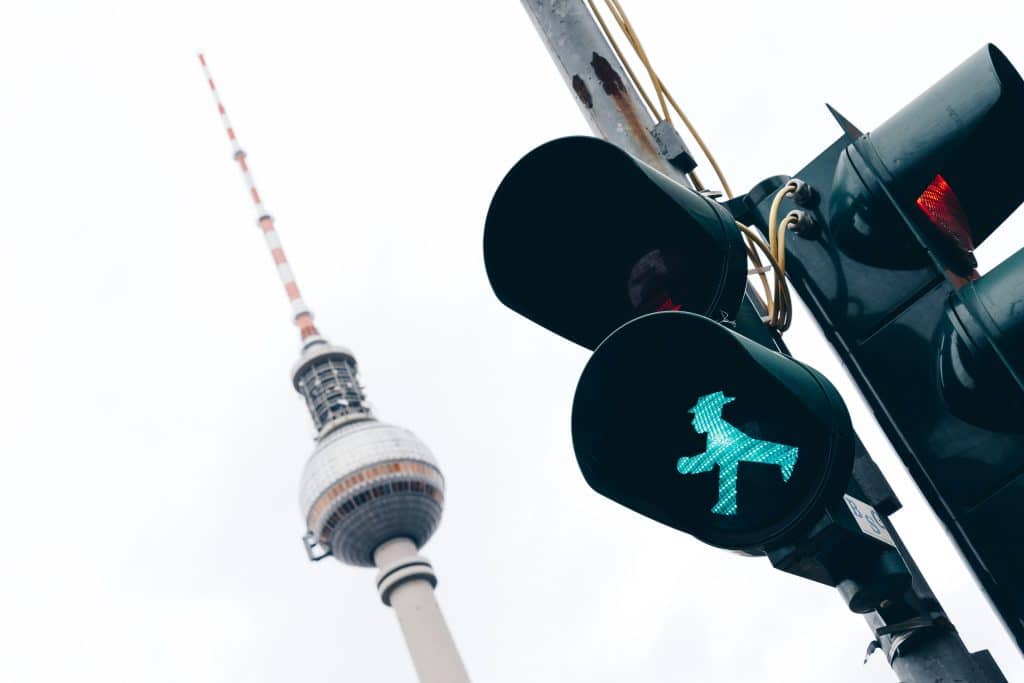
Berlin at a Glance for First-Time Visitors
Berlin defies easy categorization, and that’s precisely what makes it essential.
This is Germany’s political and cultural heart, a city where the 20th century remains viscerally present. You walk past bombing ruins intentionally preserved as memorials. You stand where the Brandenburg Gate watched Nazi parades, Cold War divisions, and reunification ceremonies. You ride past former secret police headquarters and now-booming neighborhoods built on “death strip” territory. For anyone seeking to understand modern Germany and Europe’s complex relationship with its history, Berlin is non-negotiable.
What strikes most first-time visitors is how alive the city feels. Unlike many European capitals that function partly as open-air museums, Berlin remains a working metropolis where residents outnumber tourists in most neighborhoods. You’ll encounter world-class museums and memorials alongside street art collectives, cutting-edge clubs, and neighborhood cafés where locals actually spend their afternoons. This juxtaposition of history and contemporary culture overlapping in the same square is Berlin’s signature.
The city is also sprawling and flat. You cannot “do” Berlin in a rushed day trip. Neighborhoods are distinct islands with their own personality, rhythm, and attractions. Mitte’s monuments, Prenzlauer Berg’s leafy charm, Charlottenburg’s palace elegance, Friedrichshain’s edgy energy: they’re all Berlin, but they’re fundamentally different experiences.
How long should you spend here? Realistically, 2-4 nights. Three days allows you to see the essential historic landmarks, explore 2-3 neighborhoods authentically, and finish without exhaustion. Two nights works if you’re passing through on a larger Germany itinerary; four days gives you real leisure to linger in cafés and walk without checking your watch.
Quick Reference: Planning Your Berlin Visit
Recommended Duration:
- Minimum: 2 nights (tight but doable)
- Ideal: 3 nights (balanced sightseeing and exploration)
- Comfortable: 4 nights (time to linger and wander)
Best Neighborhoods for First-Timers:
- Mitte: Central, walkable to major sights (Brandenburg Gate, Museum Island)
- Prenzlauer Berg: Charming, café-filled, quieter (best for repeat visitors)
- Charlottenburg: Classic West Berlin elegance, palace access
Essential Transport Ticket:
- Zone AB pass covers 90% of first-timer needs
- Zone ABC required for BER Airport and Potsdam day trips
Top 3 Must-See Experiences:
- Brandenburg Gate and Reichstag Dome (reserve ahead)
- Museum Island (at least one museum)
- Memorial to the Murdered Jews of Europe
On this page
Best Neighborhoods in Berlin for First-Timers
Berlin’s character lives in its neighborhoods, and choosing where to base yourself shapes your entire experience. Here’s how the main districts stack up for first-time visitors.

How Berlin Is Laid Out
Think of Berlin as a collection of villages that happen to share a city. The tourist “core” runs east-west along (and just inside) the S-Bahn Ring, an elevated train loop that connects outer neighborhoods back to central Berlin. Most essential sights cluster in or near Mitte and Tiergarten, but the real Berlin lives in the neighborhoods branching off this spine.
For orientation: Zone A (the inner-city tariff zone for public transport) includes Mitte, Prenzlauer Berg’s center, Charlottenburg, and western Friedrichshain. Most first-timers never leave Zone A and don’t need to.
Where to Base Yourself: Neighborhood Comparison
|
Neighborhood |
Vibe & Feel |
Pros for First-Timers |
Cons / Not Ideal If… |
Best For |
|---|---|---|---|---|
|
Mitte |
Historic core with modern energy; museums, government district, bustling |
Most sights walkable: Brandenburg Gate, Museum Island, Berlin Cathedral, TV Tower. Compact enough to navigate on foot. Strong U/S-Bahn connections. |
Busy, sometimes noisy. Higher hotel prices. Fewer “local secrets.” |
Tight schedules, seeing maximum sights, first 1-2 nights |
|
Prenzlauer Berg |
Leafy, elegant, family-friendly; old townhouses, boutiques, cafés |
Beautiful streets. Safe, calm vibe. Excellent cafés and galleries. U/S-Bahn access to Mitte is 10-15 minutes. |
Fewer major sights on your doorstep. Quieter if you want nightlife. Prices rising. |
Couples, families, slower rhythm, repeat visitors |
|
Charlottenburg |
Classic West Berlin; boulevards, palace, zoo, pre-wall elegance |
Close to Charlottenburg Palace, Ku’damm shopping, Kaiser Wilhelm Memorial Church, Zoo. Traditional hotel comfort. |
20-30 minutes to East-side landmarks. “Old West” feel, less cutting-edge. |
Shoppers, families, those wanting traditional West Berlin |
|
Friedrichshain |
Younger, edgier, gentrifying; galleries, markets, nightlife |
East Side Gallery walking distance. Boxhagener Platz atmosphere. Budget-conscious pricing. Close to nightlife. |
Noisy pockets, especially weekends. Strong young/party vibe. Less central for West Berlin sights. |
Budget travelers, younger minds, second visits, nightlife seekers |
|
Kreuzberg |
Multicultural, foodie, alternative; Turkish Quarter, canals, authentic grit |
Genuine food scene. Cheap eats. Waterfront atmosphere. Historic depth. Easy S-Bahn to central sights. |
Rougher blocks in places. High nightlife volume. Can feel less “tourist-friendly.” |
Repeat visitors, confident urban explorers, food lovers |
My recommendation for a true first visit of 2-4 nights: Base yourself in Mitte or immediately adjacent areas (Hackescher Markt, Spandauer Vorstadt, Gendarmenmarkt). You trade neighborhood authenticity for proximity to nearly everything you should see. Once you’ve done Berlin, Prenzlauer Berg becomes ideal. It feels more like living in Berlin rather than visiting it.
Specific Areas to Search for Hotels
Mitte (Best for First-Timers)
- Hackescher Markt / Spandauer Vorstadt: Historic streets, galleries, restaurants. Very central. Slightly touristy but navigable.
- Gendarmenmarkt: Beautiful square. Quieter than Hackescher Markt, closer to Brandenburg Gate and Museum Island.
- Unter den Linden / Mitte South: Grand boulevard feel, government district, walking distance to everything.
Prenzlauer Berg (Best for Second/Third Visits or Slower Travelers)
- Kollwitzplatz: Neighborhood heart. Cafés, market, children’s playground. Very residential.
- Schönhauser Allee / Eberswalder Straße: Main artery. Good U-Bahn connection (U2).
- Rykestraße / Kastanienallee: Quieter, bookish, local-feeling streets with small hotels and guesthouses.

Charlottenburg (Best if You Want West Berlin)
- Savignyplatz: Tree-lined square, independent restaurants, bookstores. Close to S-Bahn Savignyplatz.
- Around Charlottenburg Palace: Walking distance to palace and gardens. Quieter.
- Near Zoologischer Garten / Ku’damm: If you want major shopping and traditional Berlin hotel infrastructure.
Friedrichshain (Budget and Younger Travelers)
- Boxhagener Platz & surrounding streets: Neighborhood center. Markets, cafés, galleries.
- Near Ostkreuz S-Bahn: Good regional train access. Quieter residential feel with quick U/S-Bahn to central sights.
Berlin Transport Basics: So You Don’t Get Fined €60
This section could save you significant money and stress. Berlin’s public transport system is superb, but it operates on an honor system with genuine consequences for cheating.
Understanding Zones A, B, C
Berlin divides into three fare zones:
- Zone A: The city center, bounded by the S-Bahn Ring. This includes Mitte, parts of Prenzlauer Berg, Charlottenburg, and most first-timer sights.
- Zone B: Outside the Ring to the city limits. Includes outer neighborhoods, some of which tourists visit (parts of Friedrichshain, Neukölln, Treptow).
- Zone C: Greater Berlin and Brandenburg region, roughly 15 km out. This is where BER Airport and Potsdam are located.
For most first-timers: An AB ticket covers everything.
If you’re using BER Airport or taking day trips to Potsdam, you need ABC.
For detailed zone maps and current network information, visit the official BVG website.
Types of Tickets for Tourists
A quick note on planning: Ticket prices and specific fare details are mentioned to help you budget and plan, but they can change often. I always recommend checking the official BVG (Berliner Verkehrsbetriebe) website for the most current pricing and ticket options before your visit.
Here’s a general breakdown of what to expect:
- Single ticket AB: One trip in one direction, typically valid for around 2 hours. You can stop and shop; you just can’t backtrack. Most useful if you’re exploring slowly. Expect to pay in the range of €2.90-€4.00, but verify current pricing on the official BVG website.
- Short-trip ticket (Kurzstrecke): Three U-Bahn/S-Bahn stops or six bus/tram stops. Good for one or two quick hops. Generally falls in the €1.90-€2.80 range.
- 24-hour pass AB/ABC: Unlimited travel for 24 hours from time of validation, valid until around 3 AM the next day. Excellent value if you’re sightseeing actively. Usually priced between €10-€15.
- 7-day ticket AB: Unlimited for a week, but only valuable if you’re staying that long and using transport heavily. Typically ranges from €38-€45.
- Berlin WelcomeCard: Combines public transport (AB or ABC) with 25-50% discounts on 200+ sights (museums, attractions, restaurants). Available for 48 hours to 6 days, with pricing generally between €30-€100+ depending on duration and add-ons. Only worthwhile if you visit 2-3 paid attractions AND use public transport frequently. If your style is one museum and lots of café time, a simple 24-hour pass is better value.
My practical recommendation: Buy a 24-hour pass AB at the airport or your first train station, use it for heavy sightseeing on one day, then buy single tickets as needed or a second 24-hour pass if you have another active day.
For the most accurate and up-to-date ticket options and pricing, check the official BVG website before you travel.
Where and How to Buy Tickets
Purchase locations:
- Ticket machines at U-Bahn, S-Bahn, and tram stops (yellow or red boxes, accept coins, bills, and cards)
- BVG and S-Bahn service counters (helpful for questions, slightly longer wait)
- BVG and S-Bahn apps (buy digital tickets on your phone)
- Bus driver (cash only, exact change preferred)
- Some hotels and tourist shops
Machines accept: Cash (coins and bills) and credit/debit cards. English-language option available.
Apps worth downloading:
- BVG Fahrinfo Plus: Official BVG app for buying tickets, checking routes, real-time departures
- DB Navigator: S-Bahn and regional trains (also shows U-Bahn/tram connections)
- Google Maps: Route planning with real-time transit updates (surprisingly accurate in Berlin)
You MUST Validate Your Ticket

This is where tourists get caught and fined.
Berlin’s public transport operates on an honor system. There are no turnstiles. You buy a ticket, validate it once at the yellow or red validation machine (Entwerter) near platform entrances or on trams/buses, and keep it with you. Plainclothes inspectors (Kontrolleure) patrol trains and check tickets randomly. If you’re caught without a validated ticket, the standard fine (Erhöhtes Beförderungsentgelt) is typically €60 on the spot, no negotiation, though this amount is subject to change. Always verify current fine structures on the official BVG website.
Validation rules:
- Single tickets, short-trip, day passes: Validate immediately when you board or enter the platform.
- Multi-day passes: Validate once on first use.
- Pre-purchased tickets from machines: Not automatically validated. You still need to stamp them.
- App tickets: Activate in the app before boarding. Screenshot won’t work; inspectors check the moving animation.
Common tourist mistakes that result in fines:
- Buying a ticket but forgetting to validate it
- Using a validated ticket from yesterday (single/day tickets expire)
- Entering Zone C (airport, Potsdam) with an AB ticket
- Assuming the machine validates automatically (it doesn’t)
If you’re caught: Pay the fine immediately or it increases. Don’t argue cultural misunderstanding; inspectors have heard every excuse. Just validate your ticket and keep it on you at all times.
New to European public transport systems? For broader context on navigating trains, trams, and metro systems across the continent, see my guide on Navigating European Public Transportation Like a Pro.
Getting to/from BER Airport
BER Airport sits in Zone C, meaning you need an ABC ticket to reach central Berlin.
Transport options from BER:
- S-Bahn (S9 or S45): Runs every 20 minutes to central Berlin (Alexanderplatz, Friedrichstraße, Hauptbahnhof). Journey time: 30-45 minutes. Cost: ABC ticket (around €4-€5 range, verify current pricing). Comfortable, reliable, and my preferred method.
- Regional trains (RE7, RB14, FEX): Faster (20-30 minutes to Hauptbahnhof), same ABC ticket required. Stops fewer places but useful if your hotel is near Hauptbahnhof.
- Bus (X7, X71): Connects to U-Bahn network (Rudow station). Cheaper if you already have an AB pass and add Zone C extension, but slower overall.
- Taxi: Fixed-rate or metered. Expect to pay in the €45-€65 range for central destinations. Convenient for late arrivals, heavy luggage, or groups. Not necessary for solo/couple travelers.
My recommendation: Take the S9 or regional train. It’s efficient, affordable, and gives you your first taste of Berlin’s excellent public transport system.
For the latest timetables and exact ticket pricing, check the official BER Airport website before your trip.
What to See in Berlin: Essential Sights for 2-4 Days
Berlin rewards prioritization. You could spend weeks here and still discover new corners, but most first-timers have 2-4 days. Here’s what matters most, organized by area and theme.
Historic Core: Mitte and the Government Quarter
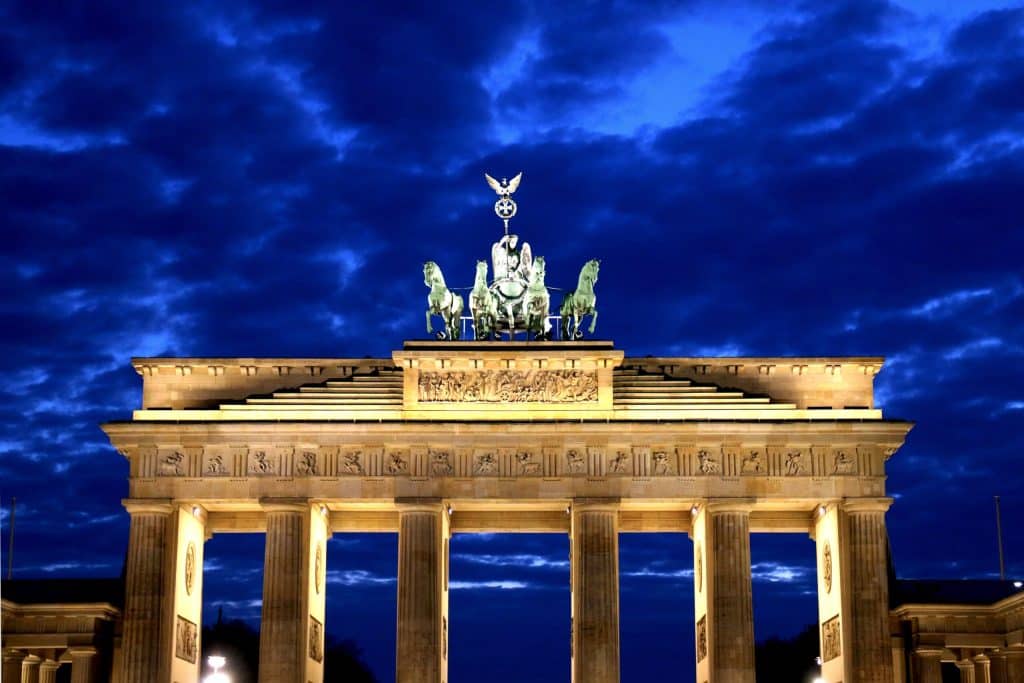
Brandenburg Gate (Brandenburger Tor) Berlin’s most recognizable landmark, and deservedly so. This neoclassical gate, completed in 1791, has witnessed every major chapter of German history: Napoleon’s occupation, Nazi torchlight parades, Cold War division, and reunification celebrations. Stand beneath it and you’re standing at the symbolic heart of modern Germany.
Practical details:
- Location: Pariser Platz, Mitte
- Cost: Free, open 24/7
- Time needed: 15-30 minutes (longer if you linger)
- Best visited: Early morning or late evening to avoid peak crowds
From here, walk east along Unter den Linden (the grand boulevard) toward Museum Island, or west into Tiergarten park.
Reichstag Building and Glass Dome Home to the German Parliament (Bundestag), the Reichstag building is a masterpiece of historical layering. The original structure (1894) burned in 1933, was damaged in WWII, and stood hollow during the Cold War. After reunification, British architect Norman Foster redesigned it with a stunning glass dome that symbolizes transparency in democracy.
You can visit the dome for free, but you must reserve in advance online. The spiral walkway climbs to 360-degree views over Berlin, and info panels explain the cityscape and the building’s turbulent history. It’s one of Berlin’s most meaningful experiences.
Practical details:
- Reservation required: Book 2-3 weeks ahead online (especially April-September)
- Cost: Free
- Time needed: 60-90 minutes (security, dome visit, rooftop)
- Audio guide: Free, available in multiple languages
For reservations and current visiting information, check the official Bundestag website.
Memorial to the Murdered Jews of Europe (Holocaust Memorial) This haunting memorial, designed by Peter Eisenman, consists of 2,711 concrete slabs arranged in a grid pattern near the Brandenburg Gate. As you walk through the uneven pathways, the slabs rise and fall, creating a disorienting, somber atmosphere. There’s no single correct interpretation, which is part of its power.
Beneath the memorial, an underground information center documents the persecution and murder of European Jews. Visiting the exhibition adds depth and context, though it’s emotionally heavy.
Practical details:
- Location: Between Brandenburg Gate and Potsdamer Platz
- Cost: Free (memorial field), small suggested donation for information center
- Time needed: 30-60 minutes (memorial), 60-90 minutes (with information center)
- Open: 24/7 (memorial field), Information center: Tuesday-Sunday, typically 10 AM-7 PM
This is one of Berlin’s most important sites, and it requires respectful silence. It’s not a place for selfies or casual conversation.
Museum Island (Museumsinsel): World-Class Collections
Museum Island, a UNESCO World Heritage Site in the Spree River, contains five world-class museums built between 1830 and 1930. You could spend days here. Most first-timers have time for one, maybe two.
Which museum should you visit?
- Pergamon Museum: Home to monumental archaeological reconstructions, including the Pergamon Altar, Ishtar Gate of Babylon, and Market Gate of Miletus. Closed for major renovation until approximately 2027, with limited sections open. Check ahead before planning a visit.
- Neues Museum (New Museum): Egyptian art and the famous bust of Nefertiti. Beautifully restored building. This is my top pick for first-timers with limited time.
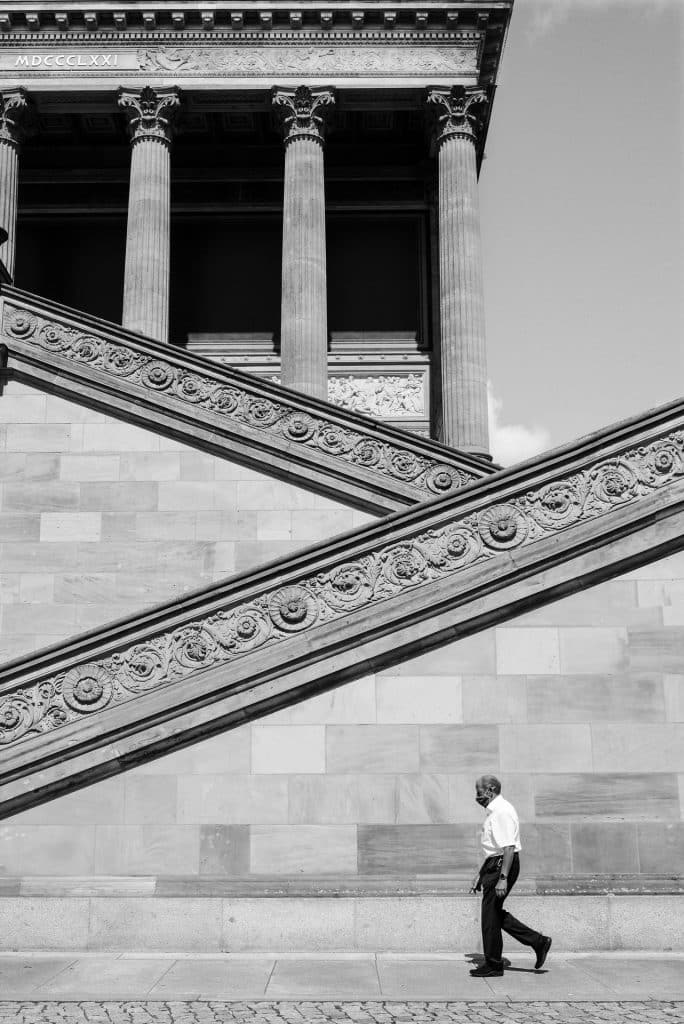
- Alte Nationalgalerie (Old National Gallery): 19th-century European painting and sculpture (Romantic, Impressionist, early Modernist works). Gorgeous building resembling a Roman temple.
- Bode Museum: Byzantine art, medieval sculptures, numismatics. Specialized collection, best for art history enthusiasts.
- Altes Museum (Old Museum): Greek and Roman antiquities. Classic Schinkel architecture.
Practical details:
- Location: Island in the Spree River, central Mitte, walkable from Brandenburg Gate
- Time needed: 2-3 hours per museum (thorough visit), 90 minutes (highlights only)
- Tickets: Generally range from €10-€14 per museum, with combination passes available for multiple museums. Verify current pricing and book timed-entry tickets on the official Museum Island website.
- Best strategy: Buy timed-entry tickets online in advance (especially for Neues Museum). Walk-in tickets available but expect queues in high season.
My recommendation: Visit Neues Museum for Nefertiti and the Egyptian collection. If you have a second museum day, choose Alte Nationalgalerie for European masterworks. Skip Pergamon entirely until renovations complete unless you confirm specific galleries are open.
Berlin Cathedral (Berliner Dom) This imposing Protestant cathedral (completed 1905) dominates Museum Island with its distinctive green dome. The interior is ornate Prussian grandeur: gilded ceilings, marble columns, elaborate pipe organ. Climb the 270 steps to the dome gallery for panoramic views over Mitte and the Spree.
Practical details:
- Location: Museum Island, directly adjacent to museums
- Cost: Typically around €9-€11 (verify on official website)
- Time needed: 45-90 minutes (interior and dome climb)
- Accessibility: Dome climb not wheelchair accessible
For current opening times and ticket prices, check the official Berlin Cathedral website.
Berlin Wall History: Traces of Division
East Side Gallery The longest surviving section of the Berlin Wall (1.3 km), now an open-air gallery covered in murals by international artists. The most famous image is Dmitri Vrubel’s “Fraternal Kiss” (Brezhnev and Honecker embracing).

This is an outdoor site, free to visit, and always open. It runs along Mühlenstraße in Friedrichshain, parallel to the Spree River. Walk the full length slowly and read the plaques explaining individual artworks and their historical context.
Practical details:
- Location: Mühlenstraße, Friedrichshain (East Berlin)
- Cost: Free
- Time needed: 30-60 minutes
- Nearest S-Bahn/U-Bahn: Warschauer Straße or Ostbahnhof
- Note: This is a working street with traffic. Stay on the pedestrian path.
Berlin Wall Memorial (Gedenkstätte Berliner Mauer) For a deeper understanding of the Wall’s impact, visit this memorial and documentation center on Bernauer Straße. Here you’ll find a preserved section of the Wall with the “death strip” (no man’s land between inner and outer walls), watchtower, and exhibits detailing escape attempts, family separations, and the Wall’s construction and fall.

The visitor center provides historical context through photos, audio, and video. It’s sobering and essential for grasping what division meant for ordinary Berliners.
Practical details:
- Location: Bernauer Straße, Mitte
- Cost: Free
- Time needed: 60-90 minutes (thorough visit)
- Open: Tuesday-Sunday, typically 10 AM-6 PM
Checkpoint Charlie The most famous Cold War border crossing, where American and Soviet tanks faced off in 1961. Today it’s a touristy recreation with actors in period uniforms posing for paid photos. The original checkpoint booth is a replica; the real one is in the Allied Museum.
I recommend walking past for context, taking a quick photo, and moving on to the nearby Checkpoint Charlie Museum (Mauermuseum), which documents escape attempts and Cold War espionage. The museum is independently run, somewhat cluttered, but packed with authentic artifacts and stories.
Practical details:
- Location: Friedrichstraße, Mitte
- Checkpoint Charlie (street): Free, always accessible
- Checkpoint Charlie Museum: Ticket prices generally range from €14-€18. Check the official museum website for current pricing and hours.
- Time needed: 15 minutes (checkpoint), 60-90 minutes (museum)
Parks, Palaces, and Breathing Room
Tiergarten Park Berlin’s massive central park (520 acres), once a royal hunting ground. Today it’s where Berliners jog, picnic, and escape urban intensity. The Victory Column (Siegessäule) stands at the park’s center; climb its 285 steps for sweeping views.
Practical details:
- Location: Central Berlin, between Brandenburg Gate and Zoo
- Cost: Free (park), small fee for Victory Column climb (around €3-€4)
- Time needed: 30 minutes (quick walk-through), 2-3 hours (leisurely stroll and Victory Column)
Charlottenburg Palace (Schloss Charlottenburg) Berlin’s largest surviving palace, a Baroque and Rococo masterpiece built for Queen Sophie Charlotte in the late 1600s. The palace grounds include the Old Palace, New Wing, gardens, and smaller pavilions. It’s a taste of Prussian royal life, less overwhelming than Versailles but still grand.
Practical details:
- Location: Charlottenburg district (West Berlin)
- Cost: Generally €12-€18 depending on which wings/gardens you visit. Verify current pricing on the official Schloss Charlottenburg website.
- Time needed: 2-3 hours (palace interior and gardens)
- Closed: Mondays (typically)
My recommendation: If you have limited time, prioritize Brandenburg Gate, Reichstag, and Museum Island. If you have 4+ days or a special interest in palaces, Charlottenburg is worth the detour.
Contemporary Berlin: Markets, Food, and Neighborhoods
Hackescher Markt and the Hackesche Höfe A bustling square in central Mitte, surrounded by restaurants, galleries, and shops. The Hackesche Höfe (a series of interconnected Art Nouveau courtyards nearby) are beautifully restored and worth a 20-minute wander. You’ll find boutiques, theaters, and cafés tucked inside.
Practical details:
- Location: Central Mitte, near Museum Island
- Cost: Free to explore
- Time needed: 30-60 minutes
Markthalle Neun (Ninth Market Hall) A restored 19th-century market hall in Kreuzberg, now a foodie destination. Regular markets feature local produce, artisan bread, cheese, charcuterie. On Thursday evenings, “Street Food Thursday” transforms the hall into a global food market (Mexican, Vietnamese, German, Middle Eastern). It’s packed, lively, and delicious.

Practical details:
- Location: Eisenbahnstraße, Kreuzberg
- Cost: Free entry, pay for food (budget €10-€20 per person)
- Open: Regular market hours vary; Street Food Thursday typically 5-10 PM
- Nearest U-Bahn: Görlitzer Bahnhof
For current event schedules and vendor lineups, check the official Markthalle Neun website.
KaDeWe (Kaufhaus des Westens) Europe’s largest department store, a landmark of West Berlin consumerism since 1907. Even if you’re not shopping, the 6th-floor food hall is worth browsing: gourmet products, international delicacies, champagne bars. It’s opulent, overwhelming, and quintessentially Berlin.
Practical details:
- Location: Tauentzienstraße, Charlottenburg
- Cost: Free to browse, luxury pricing for purchases
- Time needed: 30-60 minutes (food hall)
Practical Tips and Unwritten Rules
Punctuality
Germans take punctuality seriously, and Berlin is no exception. Trains and tours depart at the scheduled minute. Public transport is remarkably reliable; an S-Bahn showing “14:07” means 14:07, not 14:10. Build buffer time into your schedule.
Cash Is Still Important
Despite Germany’s economic power, Berlin remains more cash-dependent than you’d expect. Many neighborhood cafés, bakeries, older restaurants, and street vendors don’t accept cards, or impose minimum purchase requirements. Carry €50-€100 in cash at all times. Withdraw from bank ATMs (not independent machines) to avoid inflated fees.
For context on budgeting your overall Central Europe trip, including Berlin, see my guide on How Much Does a Trip to Central Europe Cost?
Tipping in Berlin
German tipping culture is different from North American expectations. In restaurants, round up to the nearest euro or add 5-10% for good service. You hand the tip directly to your server when paying, saying the total amount you want to pay (don’t leave cash on the table). In cafés, rounding up a euro or two is standard. Taxi drivers expect rounding up to the nearest euro. Bar tipping is minimal (round up per drink).
For comprehensive guidance on tipping across Europe, including country-by-country breakdowns, see my detailed guide on Tipping Etiquette in Europe.
Understanding European Dining Hours and Table Manners will also help you navigate Berlin’s restaurant culture with confidence.
Bike Lanes Are Not Sidewalks
Berlin’s bike lanes are extensive and cyclists have right-of-way. Stay out of them. Cyclists will not slow down for pedestrians standing in their path.
Quiet Hours and Sunday Closures
- Ruhezeit (quiet hours): 10 PM to 6 or 7 AM on weekdays; some areas observe 1-3 PM “siesta” and all-day Sunday. Loud noise during these times can result in complaints or fines.
- Sunday trading: Most shops close on Sunday. Plan grocery and souvenir runs for other days.
Jaywalking
Germans wait for pedestrian signals even when no cars approach. Following this rule demonstrates cultural awareness. Crossing against the light with children watching is genuinely frowned upon.
Greetings and Small Talk
- Greet shopkeepers when entering: “Guten Tag” or “Hallo”
- Say goodbye when leaving: “Auf Wiedersehen” or “Tschüss”
- Skip the small talk. Direct communication is valued over pleasantries. This isn’t unfriendliness; it’s cultural communication style.
Safety Considerations
Berlin is safe by European standards. Standard precautions apply:
- Pickpockets: Watch for them on crowded U-Bahn, at train stations, and around Museum Island during peak hours. Keep valuables in inside pockets.
- Late-night areas: Exercise caution in unfamiliar neighborhoods late at night if you’re solo.
- General street crime: Rare. Trust your instincts about neighborhoods and avoid isolated areas very late.
Charlottenburg Palace and West Berlin
If you venture to Charlottenburg, note that the palace grounds are extensive; plan 2-3 hours including gardens. The palace itself has multiple wings (Old Palace, New Wing); decide which you want before paying admission.
Frequently Asked Questions
Do I really need to reserve the Reichstag dome in advance?
Yes, especially April through September. Without a reservation, you’ll either miss it or spend hours waiting. Book 2-3 weeks ahead if possible; reservations can be made closer if slots remain.
Is the Berlin WelcomeCard worth it?
Only if you visit 2-3 paid attractions (€50+) AND use public transport heavily (4-6 journeys per day). If you visit one museum and spend time in cafés, a 24-hour pass is better value.
Can I visit the East Side Gallery and Charlottenburg Palace on the same day?
Technically yes, but it’s rushed. The S-Bahn ride from Friedrichshain (East Side Gallery) to Charlottenburg takes 20-30 minutes. You’d spend more time traveling than enjoying either. Better to dedicate different days or pick one per visit.
How much time do I need for Museum Island?
One museum thoroughly: 2-3 hours. Two museums: 4-5 hours (one day). All five museums: 2-3 full days. First-timer recommendation: One museum, 2 hours, combined with Berlin Cathedral and a neighborhood walk.
What’s the best neighborhood for nightlife?
Friedrichshain and Kreuzberg for clubs and young crowds. Mitte and Prenzlauer Berg for bars and restaurants. Ask your hotel concierge for current recommendations; the club scene shifts.
Is Potsdam worth a day trip?
Yes, if you’re interested in Prussian palaces and gardens. Sanssouci Palace is UNESCO-listed and visually stunning. It requires a full day (4-5 hours travel plus visit). Best as Day 4, not squeezed into a 3-day Berlin visit.
Can I get by without speaking German?
Yes, in central Berlin and major tourist areas. English is widely spoken by younger residents, hotel staff, and restaurant workers. Learn basic phrases (Bitte, Danke, Entschuldigung) to show respect; they help with interactions.
What’s the best time of year to visit Berlin?
Spring (April-May) and early fall (September-October) offer mild weather and fewer crowds. Summer (June-August) is busy but vibrant with outdoor festivals. Winter is cold but magical for Christmas markets (November-December).
How do I plan a first trip to Berlin?
For a first visit, plan 3-4 nights to cover essentials without rushing. Base yourself in Mitte for walkability or Prenzlauer Berg for atmosphere. Purchase a Zone AB public transport pass (validate it immediately to avoid fines) and prioritize the Brandenburg Gate, Museum Island, and a Reichstag Dome reservation.
Final Thoughts
Berlin rewards time and curiosity. Unlike many European capitals that deliver their beauty in obvious monuments, Berlin’s power lies in its contradictions and layer upon layer of history. You might feel exhausted after a day of heavy sightseeing, then find yourself energized by a sunset walk along the Spree or an unexpected conversation in a neighborhood café.
Go slow when you can. Skip something on your list if you find yourself drawn to a neighborhood corner or a particular museum wing. Berlin is a city that reveals itself to travelers who wander.
Your Germany journey, from Bavarian castles to Rhine vineyards to Berlin’s electric present, will reshape how you understand Europe. Make the most of it.
Ready to explore Berlin with confidence? Use this guide to navigate neighborhoods, master public transport, and prioritize what truly matters in your 2-4 days. Berlin is waiting to show you its layered, electric, unforgettable heart.
For more European travel insights and city guides, explore Pieterontour.com where every journey is designed to connect you with authentic experiences.