
Traditional Hungarian Cuisine: From Gulyás to Lángos and Everything Between
This guide is for travelers planning to visit Hungary who want to understand authentic Hungarian cuisine beyond tourist stereotypes—what to order, where to eat, and how the food reflects centuries of cultural tradition.
Hungarian food tells a story. It’s the story of shepherds on the Great Plain, of Ottoman sieges and Austro-Hungarian empires, of hardworking people who understood that good food needs time, heat, and generosity. What arrives on your plate isn’t delicate or apologetic. It’s bold, soulful, and designed by centuries of people who worked physically demanding lives and needed food that could sustain them.
Most travelers arrive in Hungary expecting to try “authentic goulash,” only to discover there’s far more complexity hiding beneath the paprika-dusted surface. After spending over two decades leading groups through Central European kitchens, village markets, and family-run restaurants, I’ve learned that Hungarian cuisine rewards curiosity with one of the most satisfying culinary experiences in Europe.
For those of you that want to experience European dining culture authentically—understanding when locals eat, how meals unfold, and the unwritten rules that help you blend in rather than stand out as a tourist. See my Guide to Eating Like a Local.
A quick note on planning: Prices and opening hours are mentioned to help you budget and plan, but they can change often. I always recommend checking the official websites (which I’ll link to) for the most current information before your visit.
On this page
The Great Goulash Misconception: Gulyás vs. Pörkölt
Let’s start with the confusion that needs clearing up immediately.
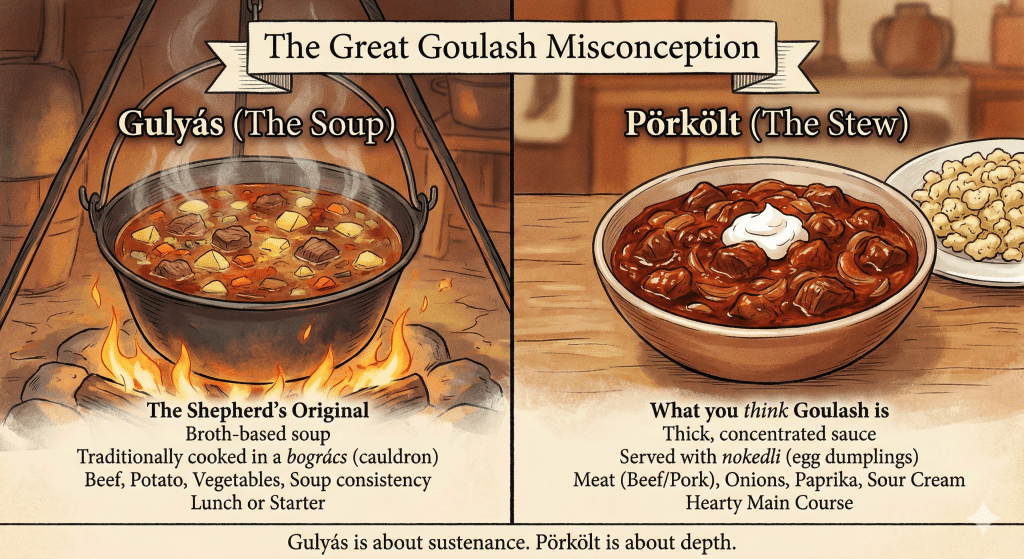
Gulyás is a soup. Not a stew. Not a thick meat dish. A soup.
This distinction matters because what most foreigners call “goulash” is actually pörkölt, and understanding the difference changes how you’ll order, what you’ll expect, and why locals might gently smile when you ask for “goulash” at a traditional restaurant.
Gulyás: The Shepherd’s Original
True Hungarian gulyás emerged in the 9th and 10th centuries among Magyar shepherds. The word gulyás literally means “cowherd.” Picture this: nomadic herders far from settlements, driving massive herds across grasslands, needing food that could be prepared in a single pot over an open fire. They developed gulyás as the solution—a hearty, broth-based soup made with beef, potatoes, onions, and vegetables, seasoned with what would become its defining ingredient: paprika.
Wait—paprika didn’t arrive in Hungary until the 16th century, brought from the New World through Ottoman trade routes. Before that, gulyás relied on other seasonings. But once paprika arrived, it became inseparable from Hungarian cooking identity.
When you order gulyás today, you’re eating something closer to what those shepherds prepared than almost any other Hungarian dish. It’s lighter and brothier than pörkölt, cooked longer to develop deep flavor, and traditionally prepared in a bogrács—a large, round-bottomed cauldron designed for cooking over open fire.
Pörkölt: The Stew Everyone Calls Goulash
Pörkölt is what Americans, British travelers, and most of the world calls “goulash.” It’s a thick, rich meat stew where the liquid reduces dramatically, creating an intensely concentrated sauce rather than a soup. The key difference isn’t just texture—it’s philosophical. Gulyás is about soup and sustenance. Pörkölt is about depth and richness.
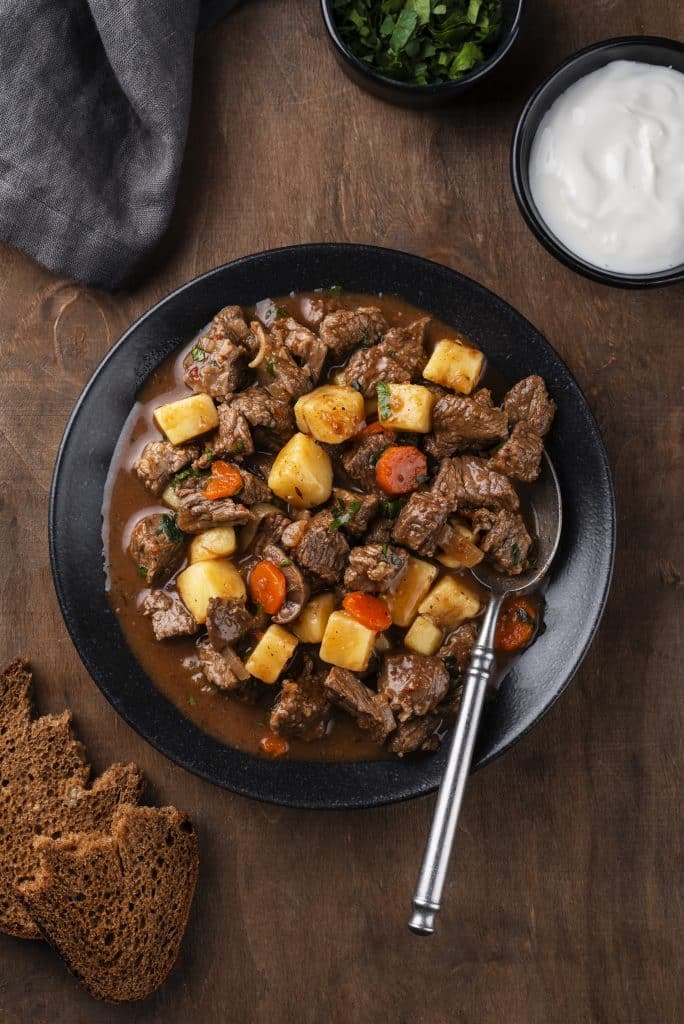
Made with beef or pork, onions, paprika, and caraway seeds, pörkölt is traditionally served with nokedli—small egg dumplings that float in the sauce like little clouds. A dollop of sour cream often finishes the dish, and locals serve it as dinner, not lunch.
The confusion is so common that even Hungarian restaurants catering to tourists sometimes use the terms interchangeably. The local experience? Ask for gulyás if you want soup. Ask for pörkölt if you want hearty stew.
Practical details:
- Expect to pay around 3,500-5,500 HUF (approximately $9-$15 USD) for gulyás at traditional restaurants
- Pörkölt typically costs 4,000-6,000 HUF (approximately $10-$16 USD)
- Both dishes are filling main courses—plan accordingly when ordering
The Four Pillars of Hungarian Main Courses
Beyond gulyás and pörkölt, Hungarian cooking traditions have established four core dishes that define the cuisine. Understanding these gives you a framework for navigating menus and understanding what makes Hungarian food distinctive.
Chicken Paprikash (Paprikás Csirke)
If pörkölt is savory depth, paprikash is creamy sophistication. Made with bone-in chicken, onions, and paprika, the magic happens when sour cream and a flour roux are whisked into the sauce at the end, creating a velvety, luxurious coating.

The key distinction from pörkölt: the sour cream is integral, not optional. It transforms paprika from a spice into an elegant sauce while maintaining Hungarian authenticity. Paprikash is often served at family celebrations and restaurant tables when people want something comforting but refined.
Always served with nokedli, which soaks up the sauce beautifully.
Halászlé: The Spicy Exception
Most Hungarian food isn’t particularly spicy. Paprika is a spice, not necessarily a heat source. This is crucial context because halászlé—fisherman’s soup—breaks that rule dramatically.
Made with river fish like carp and catfish, halászlé burns red with generous doses of hot paprika, creating a soup that’s simultaneously hearty and intensely flavored. Traditionally cooked in a cauldron over open fire by fishermen on riverbanks, it’s become a Christmas tradition throughout Hungary.
The rivalry between Szeged and Baja over whose halászlé is superior remains serious business. Try both versions and form your own allegiance.
Töltött Káposzta: Comfort in Cabbage
Hungarian stuffed cabbage wraps shredded cabbage leaves around ground pork or beef mixed with rice, paprika, and seasonings, then braises the whole creation in sauerkraut and smoked pork until everything melds into a satisfying, slightly tangy dish.
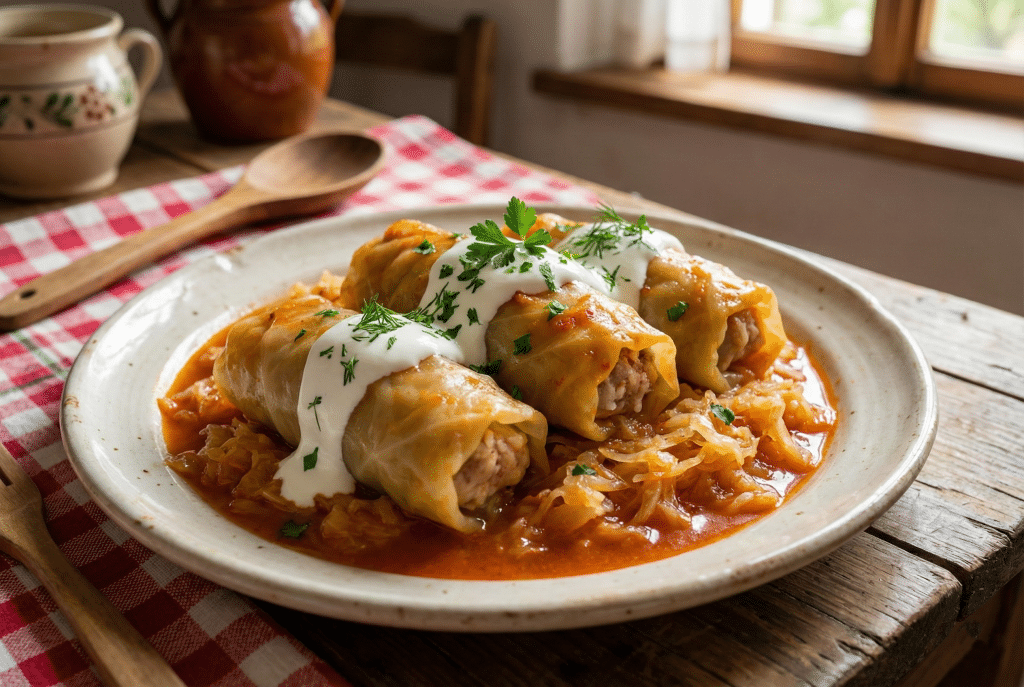
Served with sour cream, it’s quintessential comfort food—especially popular in winter and around Christmas. Regional variations exist throughout Hungary, with different families fiercely defending their approach to the filling-to-liquid ratio and whether to include tomato sauce or not.
Paprika Meat Dishes as a Category
Beyond these specific preparations, Hungarian main courses typically feature meat—pork, beef, chicken, sometimes game—treated with paprika and either braised or served in sauce. The consistent thread: slow cooking, paprika, and usually some form of sour cream or sour component like vinegar or sauerkraut to balance the richness.
This isn’t cooking for speed. It’s cooking for flavor development and satisfaction.
Nokedli: The Essential Accompaniment
Understanding nokedli is understanding how to eat Hungarian food properly. These small egg dumplings—somewhere between German spätzle and Italian gnocchi in concept—are made from just flour, eggs, water, and salt.
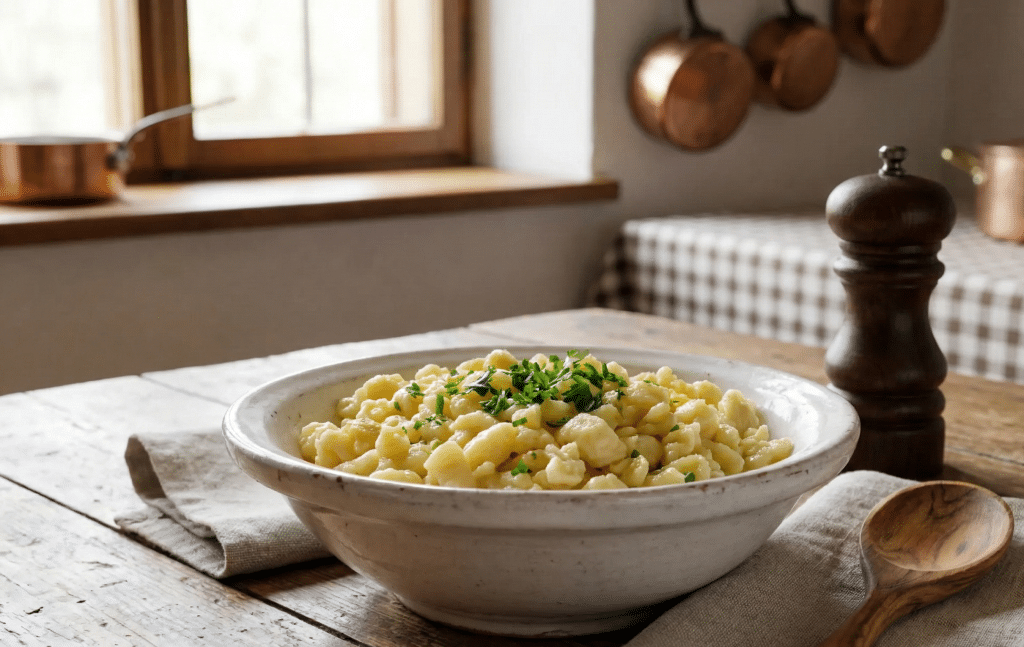
The preparation is deceptively simple: boil water, add salt, and using a special nokedli maker or regular grater held over the pot, push the dough through into the boiling water. They cook in one to two minutes and float to the surface when done. Serve them warm under paprikash or pörkölt, where they become little reservoirs for the sauce.
Making nokedli from scratch is a rite of passage for anyone cooking Hungarian food at home. The rhythm becomes meditative—push, watch them fall, watch them float. It’s the kind of repetitive cooking task that connects modern cooks to centuries of Hungarian kitchen tradition.
The Paprika Chronicles: Hungary’s National Spice
Walk into any Hungarian home and you’ll see paprika on the table like salt and pepper sit on Anglo-Saxon tables. It’s that fundamental.

Hungary recognizes eight official paprika types, classified by quality and heat level. The brightest, highest-quality versions carry names that sound almost poetic:
- Különleges (Special Quality)—the finest, brightest red, mildest heat, reserved for elegant dishes where paprika flavor itself is the point
- Csemege (Delicate)—second quality, slightly more color variation but rich flavor
- Édesnemes (Noble Sweet)—the most common version you’ll encounter in restaurants and markets, what most recipes call for when they simply say “sweet paprika”
- Rózsa (Rose)—light reddish-brown, mildly pungent
- Erős (Hot)—the hottest variety, light brown-orange in color, used in dishes like halászlé where serious heat is wanted
The major paprika regions center around Szeged and Kalocsa, each proud of their specific terroir and processing methods. Szeged paprika, in particular, has become synonymous with Hungarian paprika globally—for good reason.
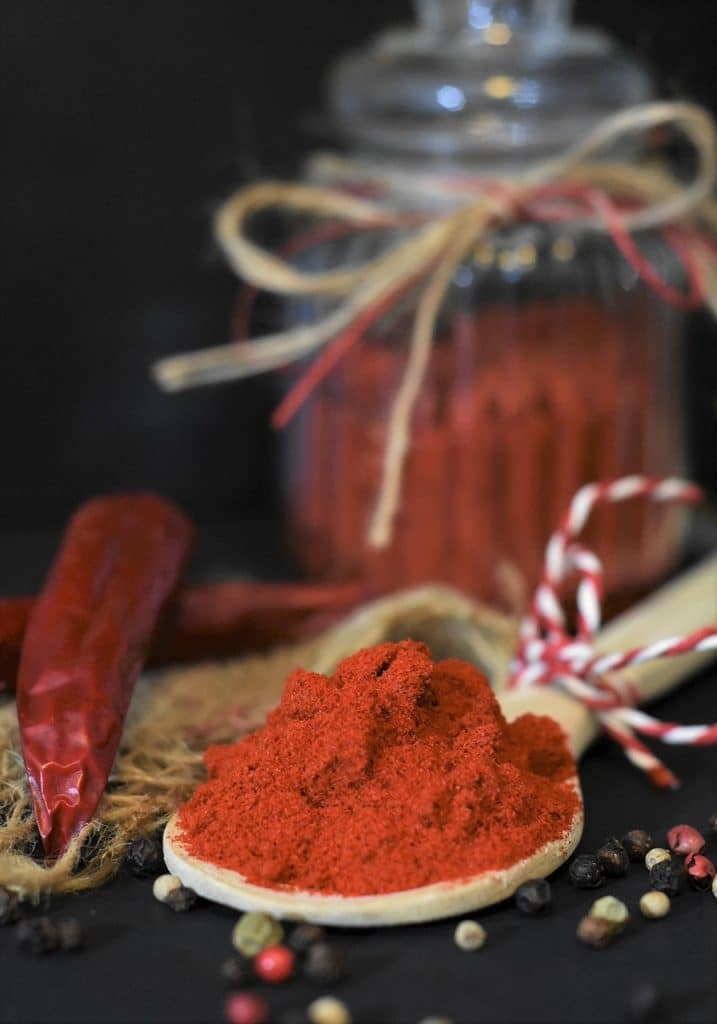
A crucial note: paprika doesn’t equal hot. Most Hungarian paprika contains less than 100 mg/kg capsaicin, making it sweet or only mildly pungent. The heat in Hungarian cuisine comes less from paprika and more from fresh peppers, horseradish, and mustard. This misconception has caused many travelers to approach Hungarian food with unwarranted caution.
Beyond the Big Dishes: Sides, Vegetables, and Street Food
Hungarian gastronomy doesn’t exist only in main courses. Some of the most authentic, enjoyable eating happens in simpler dishes that reveal the culture’s pragmatic, no-nonsense approach to food.
Túrós Csusza: Four Ingredients, Complete Satisfaction
Egg noodles tossed with túró (a dry cottage cheese similar to quark), crispy bacon, and sour cream might sound deceptively simple. That’s because it is. And that’s exactly why it works.

This is Hungarian grandmother cooking—take what’s available, apply heat and technique, create something greater than the sum of parts. Made in minutes, served hot, eaten with appreciation. No pretense, complete satisfaction.
Lángos: Deep-Fried Joy at Hungarian Markets
If there’s one dish that captures the casual, joyful side of Hungarian food culture, it’s lángos. This deep-fried flatbread—golden, crispy on the outside, soft and chewy within—gets rubbed with garlic while still hot, then topped with sour cream and shredded cheese.
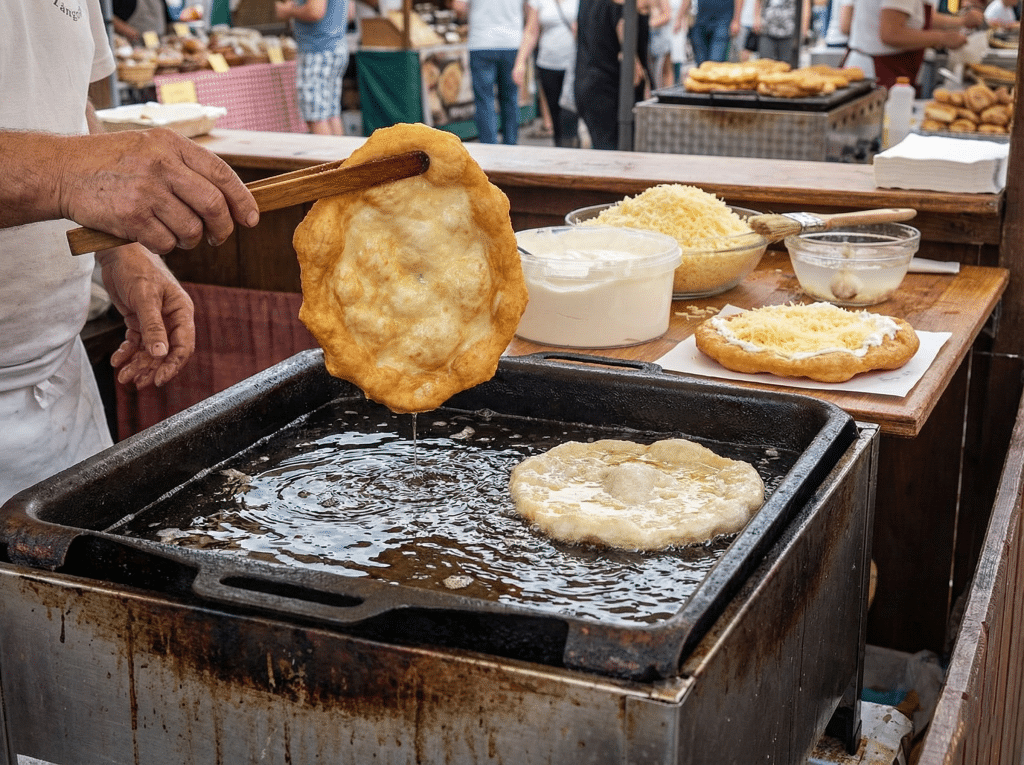
You’ll find lángos at markets, festivals, and street vendors throughout Hungary. The best versions come hot from the fryer, so fragrant with garlic that you can smell them before you see the stall. Eating lángos isn’t about refined dining—it’s about standing in a market, holding a paper plate, and understanding that sometimes the simplest pleasures are the most satisfying.
Practical details:
- Expect to pay around 2,000-3,500 HUF (approximately $5-$9 USD) for lángos in central Budapest
- Classic topping is garlic, sour cream, and cheese
- Additional toppings available: ham, mushrooms, extra cheese
- Best eaten immediately while hot
- Many stalls prefer cash, so come prepared
Lecsó: Hungary’s Answer to Ratatouille
Made with tomatoes, peppers, onions, and paprika, lecsó represents Hungarian vegetable cooking at its most straightforward. Simmered until soft and slightly jammy, it’s served as a side dish, breakfast with eggs and sausage, or eaten on its own with bread.
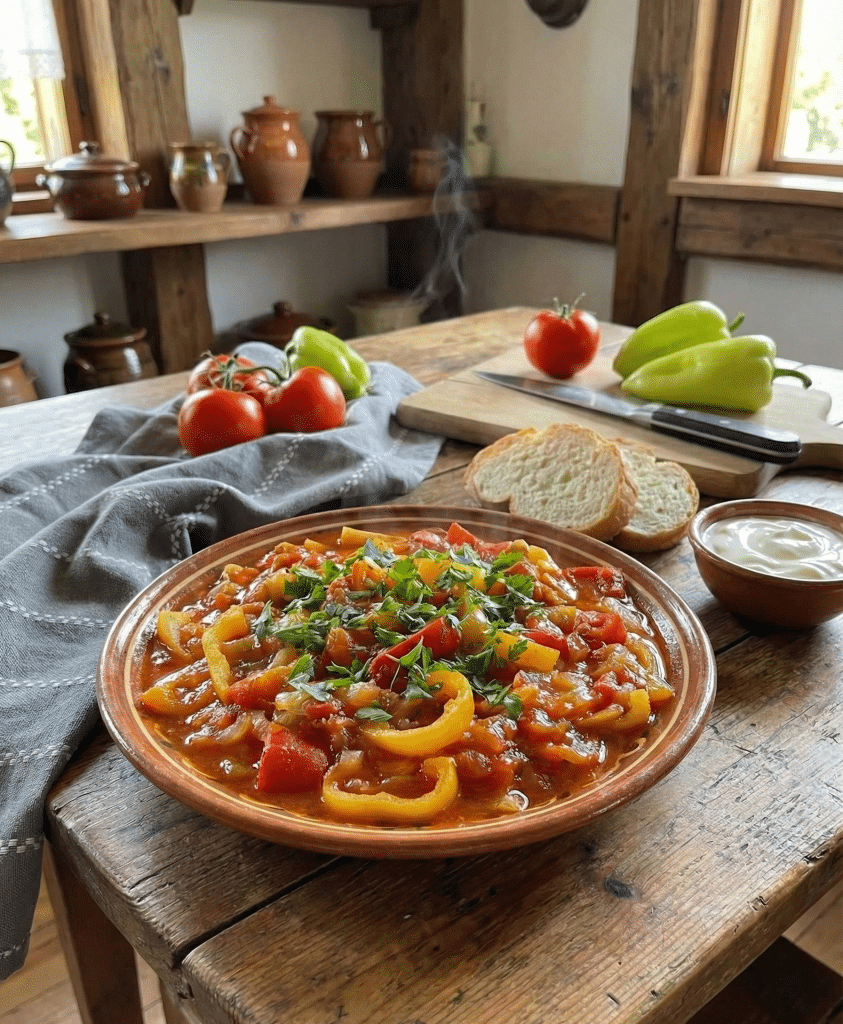
During late summer when peppers and tomatoes flood the markets, Hungarian families make lecsó in huge batches. Some freeze it for winter. Others eat it fresh, warm, straight from the pot.
Hungarian Desserts: Where Sophistication Meets Tradition
Hungarian pastry and dessert traditions rival Vienna’s in elegance and exceed them in drama. These aren’t afterthoughts—they’re centerpieces.
Dobos Torte: The Engineering Marvel
Seven thin sponge layers sandwiched with chocolate buttercream, topped with caramel that’s scored into serving portions before it hardens. Created by József Dobos in 1884, this cake was revolutionary—the caramel top kept the cake fresh during an era before refrigeration became common.

Cutting into a properly made Dobos torte reveals precise layers, each contributing to a dessert that’s lighter than you’d expect but intensely satisfying. The caramel shatters with each bite. The buttercream melts. The sponge disappears almost immediately.
You’ll find Dobos torte at confectioneries and fine dining restaurants throughout Hungary. It’s the cake Hungarians serve when they want to impress.
Gundel Palacsinta: Flambéed Elegance
Named after Károly Gundel, the legendary Hungarian restaurateur who elevated Hungarian cuisine to international sophistication, these crepes are filled with walnut paste, raisins, and rum, then topped with dark chocolate sauce and flambéed tableside with rum.
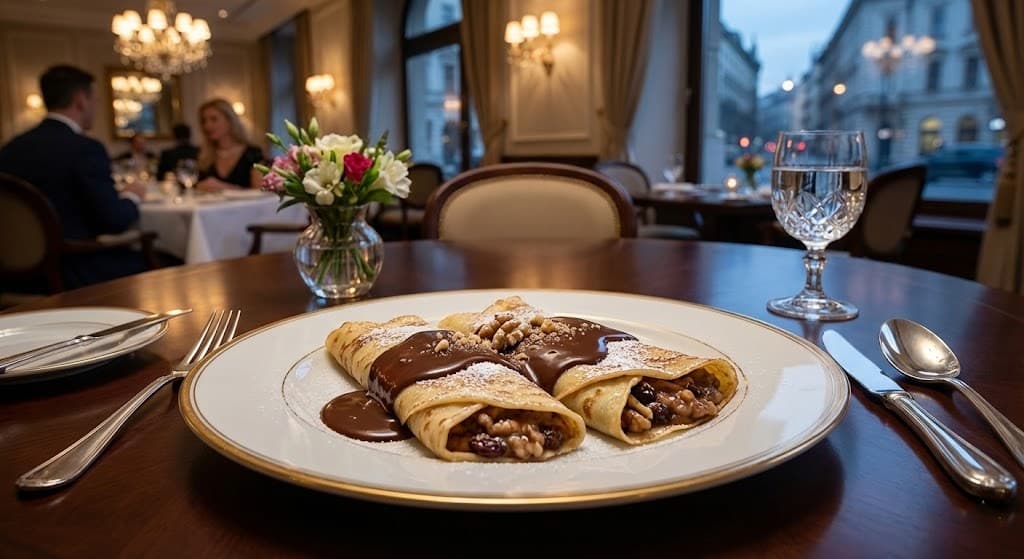
The theatrical presentation isn’t just for show—the flames caramelize the chocolate slightly and infuse the dish with a subtle rum essence that ties everything together. Made famous at Gundel Restaurant in Budapest, the dish has become a standard at upscale Hungarian restaurants.
Practical details:
- Gundel palacsinta typically costs around 3,000-4,500 HUF (approximately $8-$12 USD) at restaurants
- The original is still served at Gundel Restaurant in Budapest
- Often served as a dessert during special occasions and celebrations
Kürtőskalács: The Chimney Cake Tradition
Sweet dough wrapped around wooden cylinders, rotated over open fire until golden, then rolled in cinnamon sugar while still hot. The result is crispy, caramelized on the outside, soft and slightly smoky within.
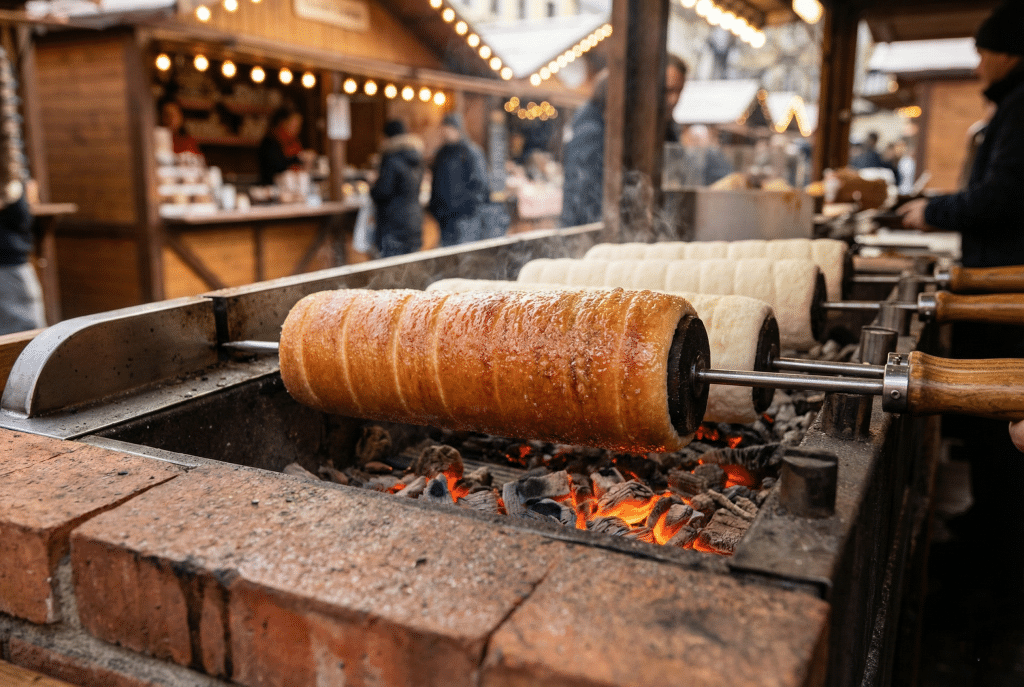
If visiting Hungary in December, you’ll see kürtőskalács being prepared at Christmas markets throughout the country. The tradition has roots in Transylvanian Hungarian culture, and eating one warm from the fire while watching the organized chaos of a market is one of those experiences that stays with you.
Outside the December market season, you can still find kürtőskalács at dedicated stalls near major tourist areas, in metro underpasses, and at some year-round street food vendors in Budapest.
Practical details:
- Expect to pay around 2,000-3,500 HUF (approximately $5-$9 USD)
- Year-round vendors can be found near Váci utca and in select metro stations
- For the full Christmas market experience, plan your visit for late November through December
Rétes: Strudel with Hungarian Soul
While strudel is associated with Austria, Hungarians claim their version—rétes—predates the Austrian interpretation. Whether that’s historical accuracy or patriotic pride doesn’t matter when you’re eating warm apple rétes with its paper-thin pastry layers and soft, spiced apple filling.
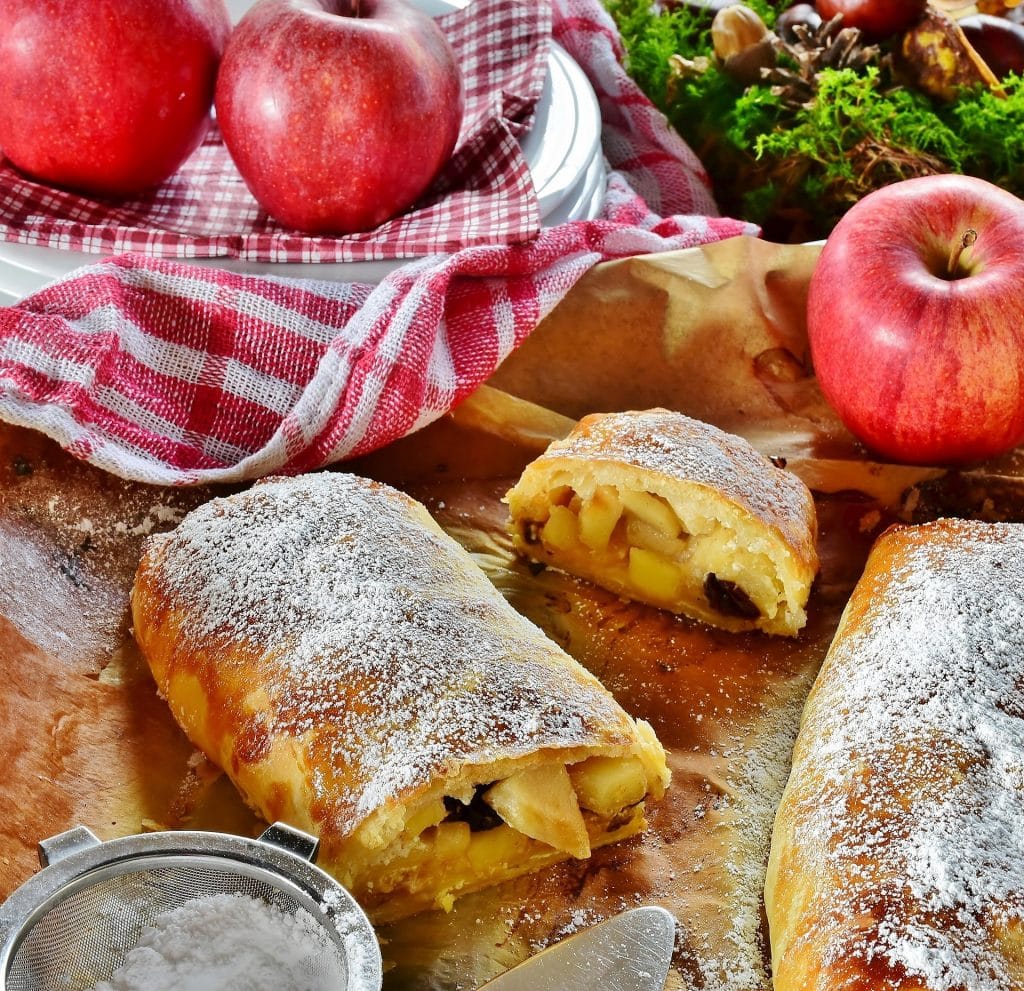
Beyond apple, look for cherry, poppy seed, and cottage cheese versions. Each regional bakery has its own approach to the dough thickness, filling ratio, and baking temperature. Hungarians take their rétes seriously.
Hungarian Beverages: More Than Wine
Wine: Tokaj and Beyond
Hungarian wine deserves its own dedicated discussion, but understanding the basics enriches every meal. Hungary produces world-class wines, with Tokaj Aszú being the most famous—a sweet dessert wine that has been called “the wine of kings and the king of wines” since Louis XIV.
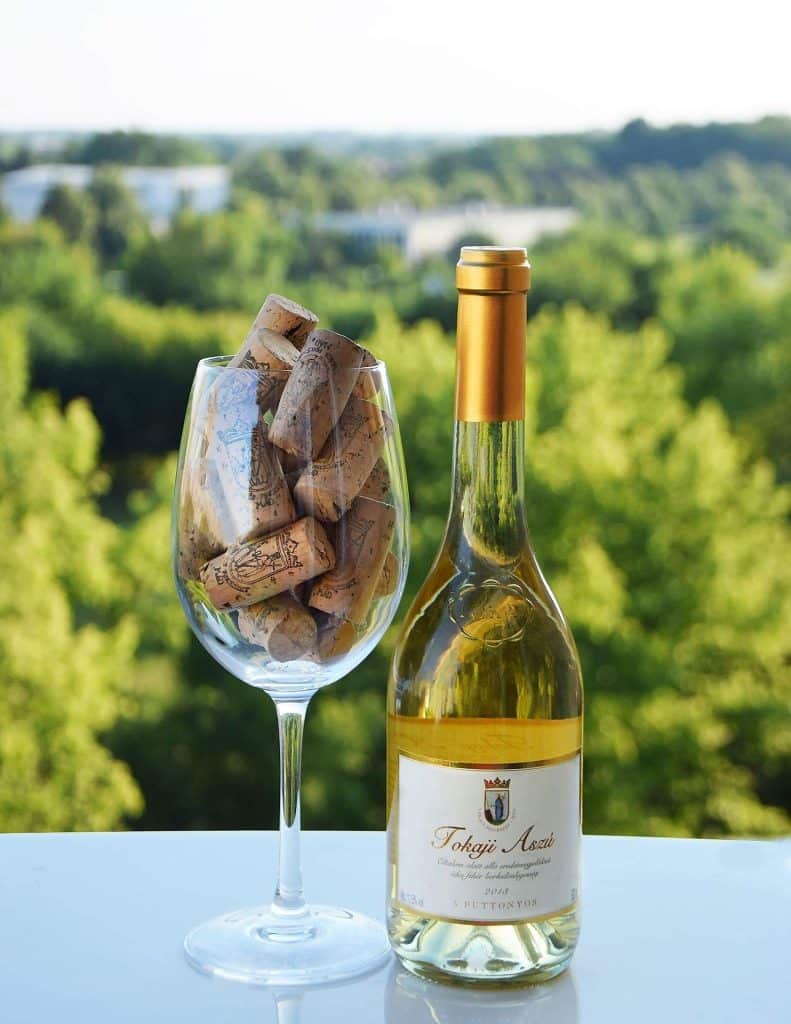
Beyond Tokaj, explore:
- Egri Bikavér (Bull’s Blood of Eger)—a robust red blend
- Furmint—dry white from Tokaj region
- Kékfrankos—medium-bodied red from Villány
Practical details:
- Wine by the glass typically costs around 1,500-3,000 HUF (approximately $4-$8 USD)
- Wine tastings in Tokaj and Eger regions cost approximately 5,000-12,000 HUF (approximately $13-$32 USD)
- For current wine tour schedules and pricing, check Visit Hungary’s official website
Pálinka: The National Spirit
Pálinka is Hungarian fruit brandy, distilled from various fruits—plum, apricot, pear, cherry—and consumed before meals as a digestive or after meals as a nightcap. It’s strong, typically 40-50% alcohol, and taken in small shots.

Hungarians have specific rules about what qualifies as authentic pálinka: it must be made from 100% fruit, distilled in Hungary, and contain no added sugar or flavoring. These regulations protect pálinka’s reputation and ensure quality.
Unicum: The Bitter Truth
Unicum is Hungary’s famous herbal liqueur, dark brown and intensely bitter, made from a secret blend of over 40 herbs and spices. Created in 1790 by József Zwack as a digestive tonic, it remains a Zwack family recipe to this day.
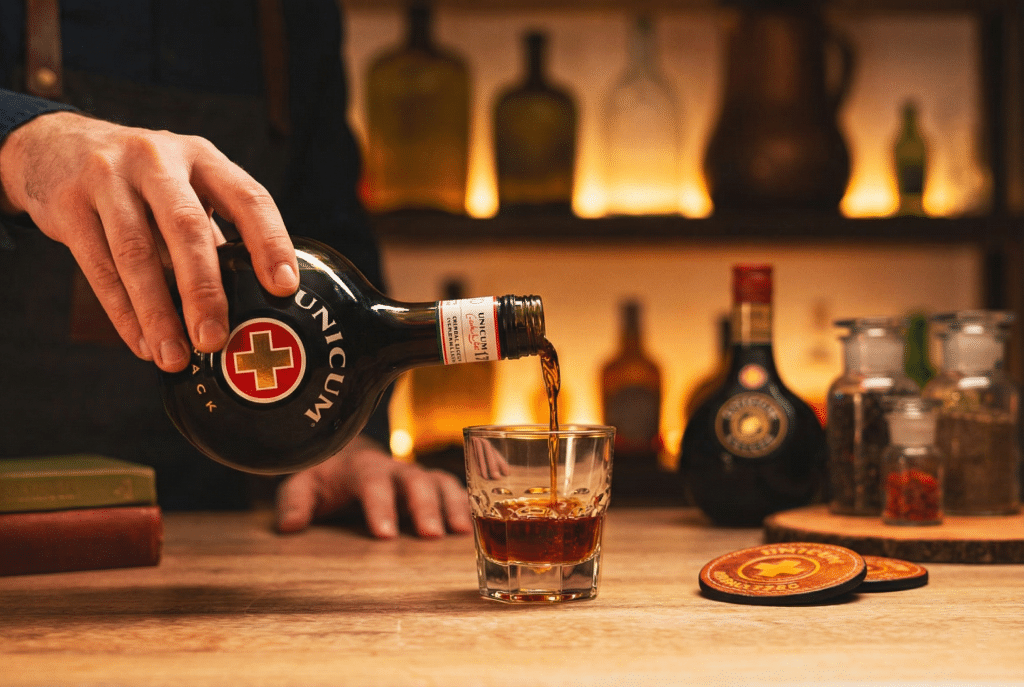
The taste is polarizing—locals love it, visitors often grimace at first sip. But like many acquired tastes, Unicum grows on you. Try it cold as a shot after a heavy meal. The herbs genuinely do aid digestion, or at least provide a ritualistic end to eating.
Where to Eat in Budapest: From Markets to Fine Dining
Knowing what to eat is only half the battle. Knowing where to find authentic Hungarian food—and how to navigate the tourist traps—makes the difference between a good meal and a memorable experience.
Central Market Hall: The Essential Starting Point
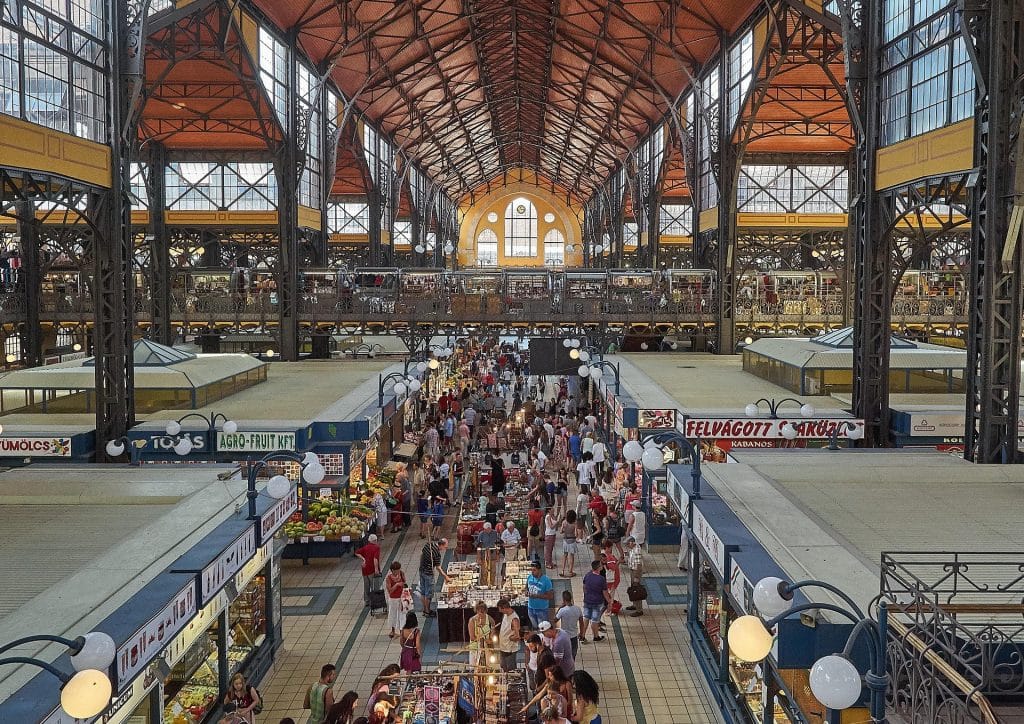
Located at the Pest end of Liberty Bridge, Central Market Hall (Nagycsarnok) is Budapest’s largest indoor market and the best introduction to Hungarian food culture. Built in 1897, the iron-and-brick structure houses food vendors, produce sellers, meat counters, and the famous lángos stalls on the upper level.
Come in the morning when locals shop for the day’s ingredients. Watch grandmothers haggle over paprika. See butchers prepare sausages using century-old techniques. Then head upstairs for lángos while observing the controlled chaos below.
This is also an ideal place to practice the art of European market shopping, observing local customs and engaging with vendors authentically.
Practical details:
- Open Monday through Saturday, typically from morning until early evening
- Sunday hours are more limited
- Lángos stalls are on the upper level
- Allow 1-2 hours for exploring and eating
- For current opening times, especially during holidays, check the official website
Traditional Restaurants Worth Finding
Several restaurants in Budapest maintain authentic Hungarian cooking without compromising for tourist expectations:
Rosenstein serves traditional Jewish-Hungarian cuisine, blending both culinary traditions in dishes that reflect Budapest’s cultural complexity. The paprikash here is excellent, and the atmosphere feels like eating in someone’s well-loved dining room.
Kádár Étkezde in the Jewish Quarter reopened in late 2025 under new ownership (Costes Group) but retains the authentic, no-frills style that made it legendary. This tiny restaurant serves home-style Hungarian cooking where locals still queue for daily-changing menus based on what’s available. The new management has preserved the original character—come early or be prepared to wait, and don’t expect English menus or modernized décor. It’s Hungarian grandmother cooking at its most genuine.
Borkonyha (Wine Kitchen) represents elevated Hungarian cuisine—traditional dishes reinterpreted with modern technique while respecting the fundamentals. This is where you taste where Hungarian cooking could evolve while staying rooted in tradition.
For current hours, menus, and reservations for these restaurants, visit their official websites or check current listings
Market Halls Beyond the Center
Hold Street Market Hall near Parliament serves locals almost exclusively. The atmosphere is more rushed, less tourist-focused, and the food reflects that authenticity. Come for breakfast when workers stop for coffee and pastries.
Fény Street Market on Buda side offers more upscale, artisanal produce and serves what locals claim is the city’s best lángos.
Karaván Street Food Budapest in the Party District represents the first successful food truck court in Budapest—eight trucks, three bars—with lángos burgers as signature items and genuinely affordable prices with that critical local energy.
Dining Etiquette and Essential Customs
Understanding a few key customs makes dining in Hungary more enjoyable and respectful:
The meal begins when the host or someone at table says “Jó étvágyat!” (literally “good appetite!”)—a small greeting that marks the official start of eating. At a restaurant, staff often say this as they deliver plates.
Every meal traditionally begins with soup. This isn’t optional tradition, it’s fundamental structure. You’ll see soup listed first on menus for good reason.
The meal progresses: soup, main course with meat plus vegetable side, starch, and sauce, then dessert and drinks. Rushing between courses is unheard of.
Asking for seconds is not merely acceptable, it’s encouraged. The host or hostess views it as validation that food was appreciated.
Regarding tipping: 10-15% is standard in restaurants, and importantly, service charge is not automatically included, so tipping is expected unless service was genuinely poor. Round up for taxi drivers. Small tips for hotel staff are appropriate. For comprehensive guidance on tipping across Europe, see my complete tipping etiquette guide.
Most importantly: Slow down. Hungarian food is cooked slowly for flavor development and meant to be eaten slowly for appreciation. This isn’t cuisine designed for speed or efficiency—it’s designed for satisfaction.
The Deeper Truth About Hungarian Food
What makes Hungarian cuisine distinctive isn’t a single ingredient or technique. It’s an approach: food born from people who worked the land, herded animals, survived occupations and empires, and understood that the best food comes from time, heat, good ingredients, and the willingness to let flavors develop.
Paprika became the defining ingredient not because Hungary discovered it first, but because Hungarians integrated it into their cooking so completely that you cannot separate the spice from the culture. Gulyás tells the story of shepherds and the Great Plain. Paprikash represents refinement emerging from rural tradition. Lángos celebrates accessibility and joy.
When you eat Hungarian food, you’re not just consuming dishes. You’re tasting history, geography, cultural resilience, and the accumulated wisdom of people who knew that eating well matters as much as living well.
Start with gulyás to understand the tradition’s roots. Try paprikash to experience refined elegance. Eat lángos at a market to understand why Hungarians are casual about joy. Visit Budapest’s Castle District to see how food and history intertwine. Experience Hungarian Christmas traditions to understand how seasonal celebrations center around food.
This is how you truly experience Hungarian food: not as a tourist ticking boxes, but as someone willing to slow down and understand.
Quick Reference: Essential Hungarian Dishes
|
Dish |
Type |
Key Features |
Typical Price Range (2026) |
|---|---|---|---|
|
Gulyás |
Soup |
Broth-based, beef, paprika, potato |
3,500-5,500 HUF ($9-$15 USD) |
|
Pörkölt |
Stew |
Thick, concentrated, beef/pork, with nokedli |
4,000-6,000 HUF ($10-$16 USD) |
|
Paprikás Csirke |
Main |
Creamy paprika sauce, chicken, sour cream |
4,500-6,500 HUF ($12-$17 USD) |
|
Halászlé |
Soup |
River fish, hot paprika, Christmas tradition |
4,000-5,500 HUF ($10-$15 USD) |
|
Lángos |
Street Food |
Fried flatbread, garlic, sour cream, cheese |
2,000-3,500 HUF ($5-$9 USD) |
|
Dobos Torte |
Dessert |
7 layers, chocolate, caramel top |
2,000-3,500 HUF ($5-$9 USD) |
|
Kürtőskalács |
Pastry |
Spiral dough, caramelized sugar |
2,000-3,500 HUF ($5-$9 USD) |
|
Gundel Palacsinta |
Dessert |
Walnut filling, chocolate sauce, flambéed |
3,000-4,500 HUF ($8-$12 USD) |
Note: Prices are approximate ranges for 2026 and can vary by location and establishment type. Fine dining experiences at restaurants like Borkonyha or Rumour typically feature tasting menus ranging from 40,000-89,000 HUF ($105-$235 USD). Always check current pricing at specific venues.
Frequently Asked Questions
What are the best traditional Hungarian dishes to try?
Traditional Hungarian cuisine relies on quality paprika, onions, and slow-cooking. Essential dishes include Gulyás (a broth-based soup, not stew), Pörkölt (rich meat stew), Chicken Paprikash, and Halászlé (spicy fish soup). For street food, try Lángos (fried dough). Expect hearty meals often finished with sour cream.
What’s the difference between gulyás and goulash?
Gulyás is an authentic Hungarian soup—brothy, with beef, potatoes, and paprika. What most of the world calls “goulash” is actually pörkölt, a thick meat stew. The confusion is so common that even some Hungarian restaurants use the terms interchangeably, but locals know the difference.
Is Hungarian food very spicy?
No. Despite paprika’s prominence, most Hungarian food is not particularly hot. Paprika adds flavor and color more than heat. The exception is halászlé (fisherman’s soup), which uses hot paprika and is genuinely spicy. Most Hungarian paprika is sweet or only mildly pungent.
Where can I find the best lángos in Budapest?
Central Market Hall’s upper level is the classic spot for tourists and locals alike. Fény Street Market on the Buda side claims to have the city’s best according to locals. For a modern twist, try Karaván Street Food Budapest in the Party District for lángos burgers.
What should I order for my first Hungarian meal?
Start with gulyás to understand the traditional roots, followed by paprikás csirke (chicken paprikash) with nokedli for the refined, creamy side of Hungarian cooking. Finish with a slice of Dobos torte. This progression gives you the essential flavor profile of Hungarian cuisine.
How much should I budget for a meal in Budapest?
At a traditional restaurant, expect to pay around 6,000-10,000 HUF (approximately $16-$26 USD) per person for soup and main course. Fine dining experiences range from 40,000-89,000 HUF (approximately $105-$235 USD) per person for tasting menus. Street food like lángos costs 2,000-3,500 HUF (approximately $5-$9 USD).
Is vegetarian food available in Hungarian restaurants?
Traditional Hungarian cuisine is meat-heavy, but most restaurants now offer vegetarian options. Dishes like túrós csusza (noodles with cottage cheese), lecsó (vegetable stew), and various vegetable sides are naturally vegetarian. Budapest’s restaurant scene has expanded to include dedicated vegetarian restaurants as well.
What’s the proper way to drink pálinka?
Pálinka is traditionally consumed as a small shot before meals as a digestive aid, or after meals as a nightcap. It’s not sipped slowly like whiskey but taken in one swallow. Locals may toast with “Egészségedre!” (to your health!) before drinking.
Do I need reservations at Hungarian restaurants?
For popular traditional restaurants and fine dining establishments, reservations are strongly recommended, especially for dinner. Smaller neighborhood restaurants and market food stalls operate on a first-come basis. During peak tourist season (May through September), book 2-3 days in advance for desired restaurants.
What about tipping in Hungarian restaurants?
Tipping 10-15% is standard and expected at restaurants in Hungary. Service charge is NOT automatically included in the bill, so you need to tip unless service was genuinely poor. Round up for taxi drivers and leave small tips for hotel staff. Cash is often preferred for tips even if you pay the bill by card.
Should I bring cash or can I use credit cards everywhere?
While most restaurants accept credit cards, many smaller venues—especially market stalls, lángos vendors, and street food stands—prefer cash or may be cash-only. ATMs are widely available, but bring some Hungarian Forints (HUF) for market shopping and street food.
Explore more authentic European food experiences and cultural guides at Pieterontour.com, where every meal becomes a story worth sharing.
For deeper exploration of Hungary’s thermal culture, wine regions, and authentic cultural experiences, explore the comprehensive Hungary travel guide. Or plan your broader Central European journey with information on getting around Central and Eastern Europe by train, bus, and rental car, creating the kind of travel that changes how you think about a region.
Related Guides on PieterOnTour.com:
- Budapest First-Timer’s Guide: Logistics, Costs & Secrets
- Budapest’s Castle District: A Journey Through Hungarian History
- 10 Authentic Cultural Experiences in Central Europe (That Aren’t Tourist Traps).
- Central & Eastern Europe Travel The Ultimate Guide for Culturally Curious Travelers.
- Central Europe’s Seasonal Calendar Best Times to Visit (Beyond Christmas Markets).
- Central & Eastern Europe Travel: The Ultimate Guide for Culturally Curious Travelers
- Getting Around Central & Eastern Europe Trains, Buses, and Rental Cars.
- How Much Does a Trip to Central Europe Cost A Realistic Budget Guide.