
This guide is for travelers seeking an authentic Central European Christmas experience—here’s how Hungary’s centuries-old traditions create one of Europe’s most enchanting holiday celebrations.
The holiday season in Hungary is truly magical. As a frequent visitor to this beautiful country, I’m always amazed by the wonderful traditions and celebrations that make Christmas here so special. Some people even claim you can’t fully experience Christmas until you’ve spent it in Hungary!
In this post, I’ll take you through some of my favorite Hungarian Christmas delights. From beautiful markets to family meals, we’ll explore the sights, sounds, and tastes that make Christmas in Hungary a fairytale wonderland. Come along and see why this is one of my top European destinations for Christmas.
A quick note on planning: Prices and opening hours are mentioned to help you budget and plan, but they can change often. I always recommend checking the official websites (which I’ll link to) for the most current information before your visit.
On this page
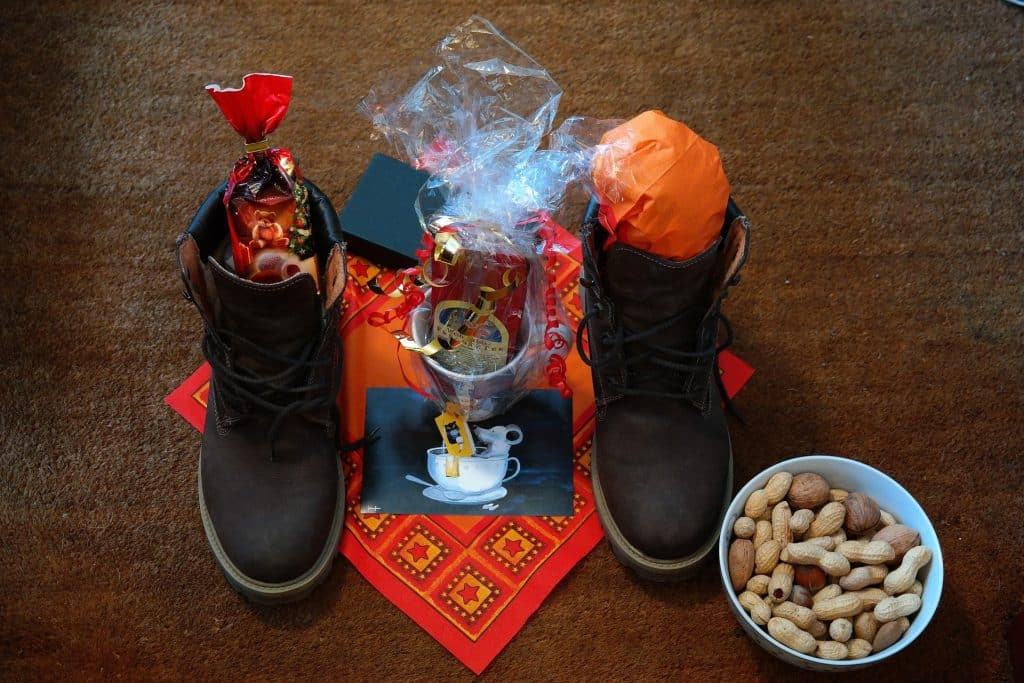
A Festive Start: St. Nicholas Day
Long before the Christmas trees go up, the celebrations start in Hungary on December 6th with St. Nicholas Day. Known locally as Mikulás, this is one of the biggest days in Hungary. Children polish their shoes and set them on the windowsill, eagerly awaiting small gifts of sweets, chocolate, or nuts that Mikulás will place inside the shoes overnight. However, if you were bad, you receive virgács, a stylized switch of birch sticks often gilded and wrapped in red paper from Krampusz!
Walking the streets on the morning of the 6th is truly a treat. Excited children show off their goodies from Mikulás as families head out to celebrate with sweets and special treats. The pastry shops overflow with delicious Mikulás-themed chocolates, cakes, and cookies. It’s a taste of the confection perfection to come!
Luca Day: A Hungarian Folk Tradition
Observed annually on December 13th, Luca Day holds a special place in Hungarian folk tradition. Historically, this date coincided with the Winter Solstice under the old Julian calendar system, which was why it was associated with the shortest day and longest night of the year. Though the Gregorian calendar reform shifted the actual solstice to December 21st, Luca Day retained its mystical significance in Hungarian culture. This darkest day was associated with witches, spirits, and the supernatural in Hungarian folk belief.
The twelve days between Luca Day and Christmas are known as the Luca calendar, a period filled with love spells, weather prediction, and traditional practices to ward off evil forces.
One of the best known traditions involves a girl writing down 12 potential suitors on small slips of paper. Then, leading up to Christmas, she burns one slip each evening before bed. Kind of like an advent calendar! Whoever’s name remained on the final piece on Christmas Eve was thought to be her destined groom.
A practice in more rural communities is forecasting the coming year’s weather using onions or garlic. In this traditional weather forecast, 12 pieces of onion or garlic are salted, and the ones that release the most water represent the months that will be rainiest next year!
One of Hungary’s most renowned folk customs during the Luca calendar is the ritual carving of the Luca Chair. This chair must be constructed out of nine different types of wood, with just a single carving made per day. The chair must be fully carved by Christmas Eve. The creator of the chair would then transport it to midnight mass, where the chair’s height supposedly enabled its occupant to spot any witches lurking among the congregation. An old Hungarian maxim, “Készül, mint a Luca széke” meaning “You are preparing it as slowly as a Luca Chair,” derives from this practice. I haven’t attempted to carve my own Luca Chair yet, but I admire the dedication and patience required for this beautiful tradition!

Christmas Markets
From late November, the Christmas markets begin to fill the squares of Budapest and towns across Hungary. The markets here are simply wonderful. They capture the spirit of the season perfectly.
When the Markets Are Open
These traditional markets typically open around mid-November and run through the end of December, with some continuing through New Year’s Day. The biggest and most popular in Budapest is in Vörösmarty Square [Pieter to verify and update official link for 2025-2026 season], which usually opens in mid-November and continues through early January. For the most current dates and hours for the 2025-2026 season, it’s highly recommended to check the official Budapest Christmas market websites.
But there are several smaller markets sprinkled throughout the city too, like at St. Stephen’s Basilica, in the Óbuda district, or if you take a quick day trip up to the riverside town of Szentendre.
What You’ll Find at the Markets
At the markets, you’ll find a wide selection of handicrafts made by local artisans. Intricately painted porcelain, handmade figurines, woven blankets…so many beautiful keepsakes to choose from! And the food is just incredible.

You must try kürtőskalács, also called chimney cake. They take sweet dough, wrap it around a wooden cylinder, brush it with butter, and roll it in cinnamon sugar before baking it rotating over open fire. The result is a smoked, toasted pastry that’s absolutely heavenly! You’ll also find all sorts of Hungarian meat, cheese, and pastry specialties sizzling away.
The handicrafts, music, and food transport you back to Christmas celebrations of the past. And there are activities for kids too, like cookie decorating or arts and crafts.
The Feast of Christmas Eve and Christmas Dinner
On the morning of the 24th, preparations for the evening’s feast begin. Family members often fast through the day, building up anticipation for the coming holiday meal. It is on Christmas Eve that traditionally the Christmas tree is decorated.

Decorating with Szaloncukor
It may surprise you to hear, but Christmas trees in Hungary are decorated a bit differently than you might be used to. One of my favorite Hungarian Christmas traditions is the szaloncukor (Parlor Candy). These are sweets traditionally made with fondant or marzipan filling, shaped into small cones or little bundles and then dipped in chocolate. They come wrapped up in the shiniest, most colorful foil you can imagine—red, green, gold, silver—and hung on the tree!
Hungarians have been decorating their Karácsonyfák (Christmas trees) with these ornamental szaloncukor since the mid-1800s. You’ll also see lots of hand-blown glass ornaments on the trees, and many families will decorate their trees with pretty stitched and straw ornaments as well, with traditional flowers and motifs. The colors and textures make for a warm, festive sight.

The Christmas Eve Supper
When darkness falls, the Christmas tree lights are switched on and families gather around the beautifully decorated table. Christmas in Hungary is a true festival for the senses!
The centerpiece of the Christmas Eve supper is often fish, like golden fried carp or catfish paprikash. Meatless dishes represent fasting and purification before the holiday. Other common foods include handcrafted pastas, cabbage rolls, and the winter warmer, fisherman’s soup (halászlé).
Dessert is the crowning glory. Look for beigli, a rolled cake with walnut or poppyseed filling, or the decadent dobos torte, a many-layered sponge cake. All washed down with cups of hot tea or the seasonal treat, szaloncukor—chocolate candy wrapped in shiny paper.
After the lavish meal, families may head out to midnight mass, or gather around the tree to sing carols and open a few small gifts. Children watch and wait excitedly for the appearance of little Jesus who is said to bring treats and gifts on this holy night.

Christmas Day and Boxing Day
While Christmas Eve holds the big celebrations, December 25th and 26th are still observed. This is a time for resting, playing with new toys, and spending time with loved ones.
On Christmas day, families may enjoy a relaxed brunch of leftovers from the previous night’s feast. Some head out for walks or sledding in crisp, snowy weather.
December 26th is Boxing Day, also known locally as St. Stephen’s Day, when people may visit extended family and friends. Restaurants and cafés will often be open, so this can be a nice day to sample some casual Hungarian fare.
The Tradition of Regölés
Between Christmas and New Year’s Day you may experience the tradition of regölés. Groups of singers called regősök travel around singing folk songs of holiday well-wishes from December 26 to New Year’s Day. These beautiful Hungarian carols date back to medieval times when lyrics spoke of nature’s magic, greetings, and matchmaking. Regősök still go door-to-door collecting treats while spreading cheer through their harmonies. If you’re spending time in Hungary during Christmas, do stop and listen for these wonderful street performances—living history!
Ringing in the New Year
After the Christmas season, the celebrations culminate in New Year’s Eve and Day. Budapest puts on an unforgettable New Year’s Eve show. Fireworks light up the night sky above the Danube for minutes on end. Boats glide along the river filled with partiers, music, and light displays. Walking along the waterfront, you feel the energy and joy pulsing through the crowd as champagne corks pop everywhere. It’s one of Europe’s top New Year’s parties!
New Year’s Day brings more feasting, often including the Hungarian good luck foods of pork, lentils, fish, and cabbage. Visiting a family’s home, you’ll find tables overflowing with food and drink to ensure a prosperous year ahead.
This begins a full week of celebrating, with some businesses staying closed until after January 6th. It’s the perfect way to keep the cheerful holiday spirit going strong into the early days of January!
Experience the Magic
Christmas in Hungary is a fairy tale experience that engages all the senses. The sights, sounds, scents, and tastes come together to create a magical wonderland perfect for the holiday.
I highly recommend Hungary, and Budapest in particular, as a top European Christmas destination. Add the history and culture of one of Europe’s most charming countries, and you have a truly memorable way to celebrate the season.
In my opinion, Christmastime in Hungary should be on every traveler’s list. The traditions, cheer, and atmosphere can’t be beat! I hope you’ll consider joining me to soak up all of the holiday delight on a future visit. It’s sure to become your new favorite Christmas tradition!
Frequently Asked Questions About Hungarian Christmas
How long do Budapest Christmas markets stay open?
Most Budapest Christmas markets open in mid-November and run through late December or early January. The Vörösmarty Square market typically operates through New Year’s Day. Always verify current dates with official sources before planning your visit.
What is szaloncukor and why is it on Christmas trees?
Szaloncukor is traditional Hungarian Christmas candy—chocolate-wrapped sweets with fondant or marzipan filling, wrapped in colorful foil and hung on the tree as edible ornaments. This tradition dates back to the mid-1800s and remains a beloved part of Hungarian Christmas celebrations.
What do Hungarians eat on Christmas Eve?
Traditional Christmas Eve dinner in Hungary centers on fish dishes like fried carp or fisherman’s soup (halászlé). Other common dishes include cabbage rolls, handcrafted pastas, and for dessert, beigli (rolled cake with walnut or poppy seed filling).
When is St. Nicholas Day celebrated in Hungary?
St. Nicholas Day (Mikulás) is celebrated on December 6th. Children polish their shoes and place them on windowsills, hoping for sweets and treats from Mikulás. If they’ve been bad, they might receive virgács (decorated birch switches) instead!
What is Luca Day and why is it significant?
Luca Day, observed on December 13th, holds special significance in Hungarian folk tradition. Historically, it coincided with the winter solstice in the old Julian calendar and is associated with folk customs like love spells, weather forecasting, and the famous Luca Chair tradition.
Is Budapest crowded during Christmas markets?
Yes, Budapest Christmas markets can be quite crowded, especially in late December and on weekends. For a more relaxed experience, visit on weekdays or earlier in the season (late November to early December).
What is kürtőskalács and where can I try it?
Kürtőskalács, or chimney cake, is a traditional Hungarian pastry made by wrapping sweet dough around a cylinder, coating it in cinnamon sugar, and baking it over an open fire. You’ll find it at Christmas markets throughout Budapest and Hungary.
Can I visit Hungarian Christmas markets on Christmas Day?
Most Christmas markets close on December 24th or 25th. Some remain open through December 26th (St. Stephen’s Day/Boxing Day) or even through New Year’s Day. Check specific market schedules for exact dates.
What are traditional Hungarian Christmas customs?
Hungarian Christmas traditions begin with Mikulás (St. Nicholas Day) on December 6th. Unique customs include carving Luca chairs starting December 13th to spot witches, decorating trees with edible szaloncukor (chocolate-dipped candy), and enjoying a Christmas Eve feast featuring halászlé (fisherman’s soup) and beigli cake.
Explore more Central Europe travel guides and itineraries on Pieterontour.com, where every journey is designed to be both practical and unforgettable.
How Much Does a Trip to Central Europe Cost A Realistic Budget Guide.
The Perfect 2-Week Central Europe Itinerary Vienna, Prague, Kraków & Budapest
10 Authentic Cultural Experiences in Central Europe (That Aren’t Tourist Traps).
Central & Eastern Europe Travel The Ultimate Guide for Culturally Curious Travelers.
Central Europe’s Seasonal Calendar Best Times to Visit (Beyond Christmas Markets).
Central & Eastern Europe Travel: The Ultimate Guide for Culturally Curious Travelers