Quick Answer: Best Times to Visit Europe for Festivals
Updated 01/01/2026
Winter (Dec–Feb): Christmas markets across Germany, Austria, and France (mid-November through December); Venice Carnival (February); Up Helly Aa Viking fire festival in Scotland (late January).
Spring (Mar–May): Semana Santa religious processions in Spain (Easter week); Seville’s Feria de Abril (late April); Frühlingsfest in Munich (April–May); Swedish Midsummer (late June).
Summer (Jun–Aug): Edinburgh Festival Fringe (August); Venice Film Festival (early September); Sziget Festival in Budapest (early August); San Fermín in Pamplona (July 6–14).
Autumn (Sep–Nov): Oktoberfest in Munich (mid-September–early October); wine harvest festivals across France, Italy, Portugal, and Germany (September–October); La Mercè in Barcelona (late September).
Pro Tip: Book accommodation 3–6 months ahead for major festivals. Weekday visits offer better availability and more genuine local atmosphere than weekends.
This guide is for travelers who want to experience Europe beyond tourist attractions—showing you when to visit during festivals and cultural celebrations that reveal how Europeans actually live, celebrate, and connect with their communities. It also highlights European Festival and Holiday Customs that add unique flavors to your travels.
Most travel guides tell you to visit Europe in summer for the weather. They’re not wrong, but they’re missing something essential: the festivals, processions, and holiday traditions that have shaped communities for centuries. When you time your visit around these celebrations, you shift from observer to participant.
I’ve spent over two decades leading tours across Europe, and I can tell you this with certainty: the heartbeat of authentic Europe doesn’t follow a hotel lobby calendar. It pulses with the rhythm of local festivals—moments when families emerge from their daily routines, strangers buy you drinks and teach you traditions, and communities become fully alive.
I learned this lesson early in my career. I once arrived in a small Italian hill town on May 1st—Labor Day—expecting to find lunch. Every single restaurant, café, and shop was shuttered. No signs, no explanations, just silent streets and locked doors. I wandered for an hour before finding a kind elderly woman who invited me into her home and explained, in broken English and patient gestures, that this was a sacred rest day. She shared bread, cheese, and wine with me at her kitchen table. That meal taught me more about Italian culture than any guidebook ever could.
2025–2026 Major European Festival Calendar
Festival | Location | 2025/2026 Dates | Insider Tip |
|---|---|---|---|
Up Helly Aa | Shetland Islands, Scotland | Jan 28, 2025 / Jan 27, 2026 | Book accommodation 12 months ahead; locals take this seriously—respect the ritual |
Venice Carnival | Venice, Italy | January 31 – February 17, 2026 | Buy masks from artisan shops near Rialto, not tourist stalls; attend neighborhood parties, not packaged balls |
Cologne Carnival | Cologne, Germany | Feb–Mar (dates vary by Easter) | Arrive midweek for authentic atmosphere; learn “Alaaf!” and shout it with locals |
Semana Santa | Seville, Spain | Mar 29–Apr 5, 2026 | Dress modestly; watch from side streets, not main plazas; silence is expected during processions |
Feria de Abril | Seville, Spain | Late Apr/Early May (dates vary) | Many casetas are private; enjoy free street atmosphere and horse parades instead |
Frühlingsfest | Munich, Germany | April 17 – May 10, 2026 Special note: Extended to 3 weeks for 60th anniversary | This is where Munich locals actually go—arrive midweek for best experience |
Midsummer | Sweden (nationwide) | Jun 20–21, 2025 / Jun 19–20, 2026 | Accept family invitations if offered; participate in maypole dancing without irony |
San Fermín | Pamplona, Spain | Jul 6–14 (annual) | Real festival is in the streets, not the bullring; wear traditional white and red |
Edinburgh Fringe | Edinburgh, Scotland | August 7–31, 2026 | Skip big venues; find small shows in church basements and residential studios |
Sziget Festival | Budapest, Hungary | August 11–15, 2026 | Camp on the island; explore art installations, not just main stages |
Venice Film Festival | Venice, Italy | September 2–12, 2026 | Attend free outdoor screenings on the Lido; eat in neighborhood cicchetti bars |
Oktoberfest | Munich, Germany | Sep 20–Oct 5, 2025 / Sep 19–Oct 4, 2026 | Go weekdays; weekends require reservations; arrive by 10 AM for seating |
La Mercè | Barcelona, Spain | September 20–24, 2026 | Watch human towers (castellers); stay silent during climbs—they require intense concentration |
Wine Harvest Festivals | France, Italy, Portugal, Germany | Sep–Oct (dates vary) | Stay in villages, not cities; volunteer for grape-picking if possible |
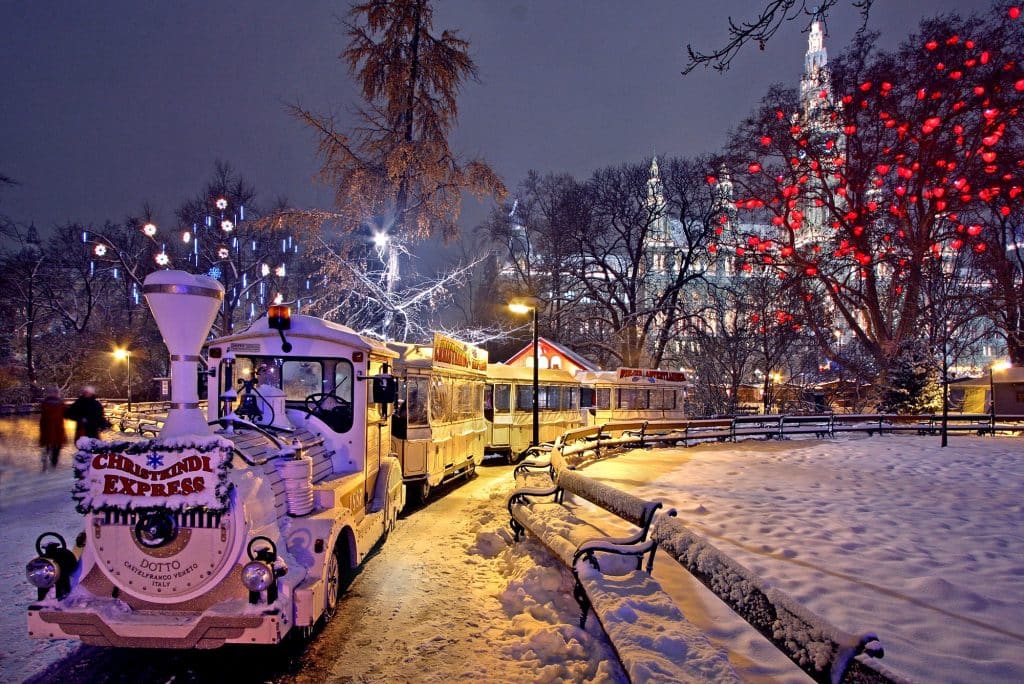
Vienna Christmas Markets | Vienna, Austria | Nov 14–Dec 26, 2025 | Visit neighborhood markets in Neubau and Leopoldstadt, not just City Hall |
Strasbourg Christmas Markets | Strasbourg, France | Late Nov–Dec 24 (dates vary) | Arrive late afternoon when crowds thin and lights come on |
Note: Dates are subject to minor changes. Always verify on official festival websites before booking travel.
On this page
Why Festivals Matter More Than Perfect Weather
When you arrive during a festival or holiday season, something shifts in how you experience a place.
You meet locals during their most authentic moments. Communities are celebrating what matters most to them—faith, harvest, art, regional identity. The tourist machinery fades into the background. You’re participating in something real, not checking boxes on a predetermined route.
For travelers who seek depth and intention in their journeys, this distinction matters enormously. You understand why a Spanish town celebrates its patron saint with such devotion, why a Bavarian village gathers for harvest festivals, why a Portuguese harbor lights up for Midsummer. These moments reveal what makes each place distinct.
Your travel feels like an exchange, not consumption.
But timing matters. I once led a group to Tuscany in mid-August, thinking we’d beat September crowds. What I didn’t anticipate was Ferragosto—August 15th—when nearly every Italian takes vacation simultaneously. Entire cities empty out. Restaurants close for the week. We adapted, of course, and ended up stumbling upon a small-town sagra (local food festival) celebrating wild boar. The mayor invited us to join the communal tables, and we spent the evening eating pappardelle al cinghiale with families who’d been attending this festival for generations. That accidental discovery became the highlight of the trip—but it only happened because I learned to read the rhythm of local life, not just tourist seasons.
Europe’s Festival Calendar: A Seasonal Guide
Winter: Rituals, Light, and Ancient Traditions
December through February
When daylight disappears and temperatures drop, Europeans turn to ancient rituals and community warmth. Winter festivals celebrate togetherness, light, and folklore—perfect for travelers who appreciate history and quieter exploration.
Why winter for cultural immersion:
- Fewer tourists (except peak Christmas market dates)
- Locals reclaim their towns
- Higher hotel availability and better pricing
- Cozy taverns and long evenings of conversation
- Magical atmosphere without summer chaos
December: Christmas Markets and Advent Traditions
Strasbourg, Colmar & Alsace, France
The Alsatian Christmas markets set the gold standard. In Strasbourg, markets spiral through timber-framed lanes in the old town. Every corner smells of cinnamon, mulled wine, and roasted chestnuts. Unlike commercialized markets elsewhere, these feel genuinely local—artisans sell hand-carved ornaments, traditional toys, and regional delicacies at their own stalls.
Travel like a local: Skip the main market crowds. Find smaller neighborhood markets where locals actually shop. Arrive in late afternoon when crowds thin and lights come on. Stand at a high table with Glühwein, chat with vendors about their craft, and buy from makers rather than mass producers.
Vienna & Salzburg, Austria
Vienna’s Advent markets date to the Middle Ages. The city hosts over 20 official markets, each with its own character. For the 2026 season, markets generally open November 14 and run through December 26. The markets at City Hall, Belvedere Palace, and Schönbrunn Palace draw tourists, but real charm lives in neighborhood markets in districts like Neubau and Leopoldstadt. Salzburg’s markets, set against the Alps and the old fortress, feel equally enchanting and slightly less crowded.
Travel like a local: Arrive on a weekday morning. Buy hot punch from a local vendor, not a tourist stand. Attend a traditional carol service in one of the city’s baroque churches (many are free). Speak with elderly locals about their childhood Christmas memories—you’ll hear stories about rationing, hope, and simpler times.
German Christmas Markets: Munich, Nuremberg, Berlin
Each German city offers distinct flavors. Munich’s markets emphasize Bavarian crafts and beer-soaked conviviality. Nuremberg’s Christkindlmarkt dates to the 1600s and draws crowds, but arriving early captures the authentic feel. Berlin’s markets reflect the city’s modern, international identity—younger and edgier.
Travel like a local: Small-town markets in places like Mittenwald or Tübingen offer real flavor without crowds. Talk to Glühwein makers about their recipes—almost every region has slightly different spice blends. If you can attend a local Weihnachtsfeier (office or family Christmas party), you’ll witness how Germans actually celebrate. It’s often more understated than American traditions but deeply meaningful.
A quick note on planning: Market dates and opening hours can shift slightly year to year. I always recommend checking official tourism websites for the most current information before your visit.
January: Fire, Folklore, and Winter Rituals
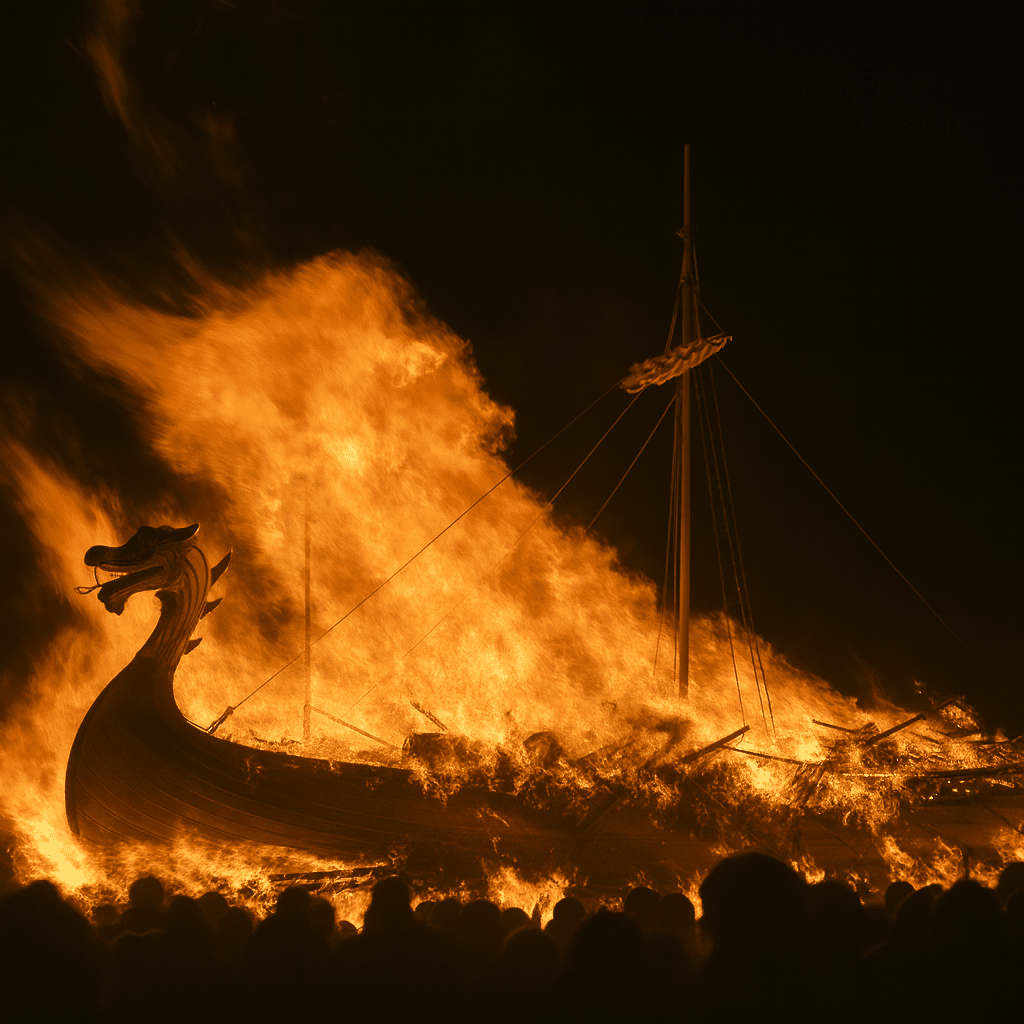
Up Helly Aa, Lerwick, Shetland Islands, Scotland
This isn’t performed for tourists. This is a community event that happens to allow visitors.
Thousands of torchbearers dressed as Vikings march through snow-dusted streets in darkness, carrying flaming torches. The procession ends at the harbor, where a replica Viking longship burns in an explosion of fire, sparks, and Norse history. It’s primal, ancient, and unforgettable.
Why this matters: You’re witnessing a genuine link to Norse heritage. The festival isn’t a performance—locals are reclaiming their Viking ancestry. The torchlit streets feel like stepping back centuries.
Travel like a local: This requires serious planning. Accommodation in Lerwick fills a year in advance. Respect the festival’s solemnity—it’s not a party but a ritual. Afterward, join locals in pubs for storytelling and traditional Shetland music. Buy a locally made fiddle record or hand-knit garment as a keepsake.
Practical details:
- Takes place on the last Tuesday in January (January 28, 2025 / January 27, 2026)
- Accommodation books out 12 months ahead
- Temperatures typically range from 0-5°C (32-41°F)
- For current festival information and planning guides, visit the official Up Helly Aa website
February: Carnival and Masquerade Traditions
Carnival of Venice, Italy
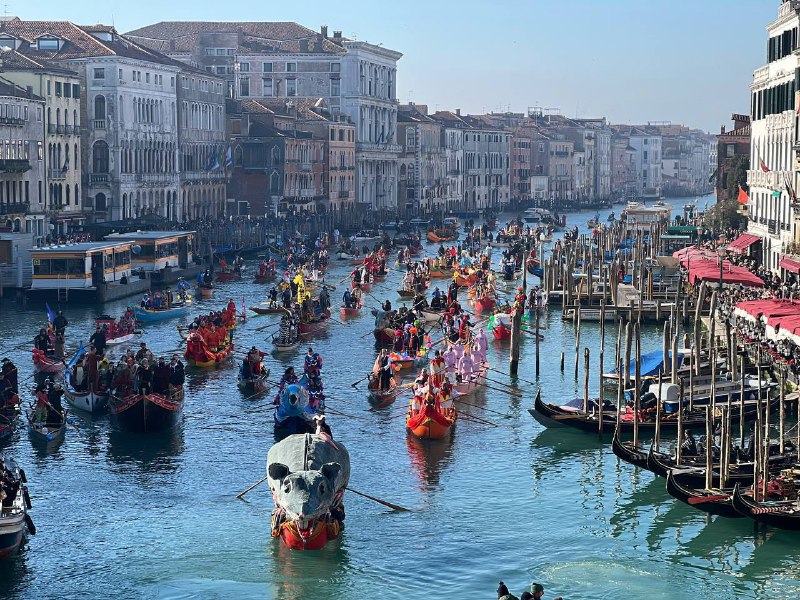
Venice Carnival dates to the 11th century, when Venice ruled as a maritime superpower and masked balls dissolved social hierarchies for a night. Modern Carnival captures that spirit through elaborate costumes, porcelain masks, masked balls in palaces, and processions on the Grand Canal. For 2026, Carnival runs January 31 – February 17, 2026
Why this matters: This is theater, history, and romance in one. You witness how a city preserves its identity across centuries. The atmosphere is genuinely magical.
Travel like a local: Avoid mass-produced plastic masks. Seek out artisan mask-makers in small shops near the Rialto Bridge. Watch them paint by hand. Buy a mask that speaks to you, not one that screams tourist.
Skip organized ball tourism packages. Instead, attend free or inexpensive community events—street performances, smaller café gatherings, neighborhood parties.
Dress modestly and respectfully, even if you wear a costume. This is about tradition, not Instagram.
Eat where locals eat: small cicchetti bars (Venetian tapas), not gondola-side restaurants.
For official program details, costume contest information, and event schedules, check the official Venice Carnival website.
Cologne & Rhineland Carnival, Germany
A more boisterous alternative to Venice. Cologne’s Carnival features parades, satirical floats mocking politicians, and strong community participation. It’s less about elegance, more about Gemütlichkeit (cozy conviviality) and collective joy.
Travel like a local: Attend street parties, not tourist packages. Wear traditional costumes you can rent locally. The famous Carnival cry is “Alaaf!” Learn it, shout it with strangers, and you’ll instantly belong.
Spring: Easter, Renewal, and Local Saints
March through May
Spring festivals celebrate renewal, religious devotion, and the awakening of outdoor life. They’re perfect for travelers who appreciate both spiritual tradition and natural beauty.
Why spring for cultural immersion:
- Shoulder-season pricing
- Lighter crowds than summer
- Religious and cultural events throughout the season
- Mild weather for walking and outdoor gatherings
- Easter traditions show regional spirituality distinctly
Important Note on Spring Public Holidays:
May 1st (Labor Day) is a strict public holiday across Germany, Austria, France, and Italy. Expect widespread closures of shops, restaurants, and attractions. Public transport may be disrupted due to demonstrations and marches. Plan accordingly—either embrace the quiet streets and join locals in parks, or schedule your travel for the day before or after.
March/April: Holy Week and Easter Processions
Semana Santa (Holy Week), Spain—particularly Seville
Holy Week in Spain, especially Seville, is one of Europe’s most profound spiritual experiences. For centuries, Catholic brotherhoods (hermandades) have processed through streets carrying religious statues (pasos), accompanied by robed penitents and haunting music. The visual effect is medieval and deeply moving. In 2026, Semana Santa falls March 29 through April 5.
Why this matters: You’re witnessing how Christianity is lived in communities, not just believed. The devotion is genuine. The atmosphere is solemn, beautiful, and centuries-old.
Travel like a local: Dress respectfully—no shorts, no sleeveless shirts. Find viewing spots along side streets, not main plazas. You’ll see locals standing solemnly, praying. Join them in silence.
Attend a saeta (traditional religious song) in a church or chapel. The music is heartbreaking.
Eat traditional foods: torrijas (fried bread soaked in wine, like Spanish French toast) and potaje (chickpea stew) are Easter staples.
Understand that this is not a party. Disrespectful behavior or drunkenness is deeply offensive.
Easter in Italy & Portugal
Italian Easter processions vary by region. In southern Italy and Sicily, they’re dramatic and solemn. In Portugal, particularly in smaller towns, Easter means family gatherings, church services, and traditional sweets.
April–May: Spring Festivals and Regional Traditions
Feria de Abril, Seville, Spain
A complete contrast to Semana Santa. Feria is joy, music, dance, and celebration. For a week, the city creates temporary fairgrounds where casetas (decorated tents) host neighborhood groups, families, and friends. Women wear trajes de flamenca (flamenco dresses), horses parade through streets, and live flamenco bands play until dawn.
Why this matters: This reveals Spanish joy and community identity. Feria isn’t touristy—it’s for locals celebrating together.
Travel like a local: Many casetas are private (for members or residents). Instead of trying to crash parties, enjoy the free street atmosphere, horse parades, and public stages.
Rent a traditional dress or buy quality tracht if you want to dress up. Cheap costumes are considered disrespectful.
Dance with locals, not just at them. Learn basic flamenco hand movements and ask for guidance.
Eat espetos (grilled sardines), rabo de toro (sherry-based soup), and other fair foods from street vendors. When eating at festivals, remember that dining times shift in Spain—lunch is often served from 2:00 PM onwards, and dinner rarely begins before 9:00 PM. For major festival meals, reservations are essential.
Frühlingsfest, Munich, Germany
Oktoberfest’s “little sister.” Smaller, less crowded, and more local. The same beer tents, Bavarian music, and Tracht-wearing atmosphere—but with genuine community feel rather than tourist spectacle.
Travel like a local: This is where locals actually go. Arrive midweek for a calmer experience. Sit at long tables, join strangers, and follow traditional tent etiquette—once you claim a seat, it’s yours for the evening. Raise your stein when someone toasts.
Midsummer Festival, Sweden
Midsummer is one of Sweden’s holiest celebrations. Families gather to dance around a decorated maypole, feast on herring and new potatoes, wear flower crowns, and celebrate the endless daylight. Its pagan roots run deep and feel magical.
Why this matters: You’ll experience genuine Swedish community and the unique joy of 24-hour daylight.
Travel like a local: Accept invitations to family celebrations if offered. Wear a flower crown without irony. Participate in the maypole dance, even if you feel silly. Taste everything—pickled herring, strawberries, strong schnapps. Sleep very little. Swedes don’t.
Practical details:
- Midsummer falls on the Friday between June 19 and June 25 (the weekend closest to the summer solstice)
- Most Swedes take the day off work
- Shops and businesses close early or remain closed
- Traditional celebrations happen in countryside villages and family gatherings
Summer: Open-Air Culture and Mega-Festivals
June through August
Summer is when Europe lives outdoors. Festivals become larger, more diverse, and more international. Wine flows, outdoor theaters bloom, and communities gather under starlit skies.
Why summer for cultural immersion:
- Longest daylight hours
- Outdoor concerts, theater, and cinema
- Wine and open-air dining culture peaks
- Smaller village festivals feel especially authentic
- Trade-off: Peak tourism, highest prices, largest crowds
Important Note on Summer Public Holidays:
August 15th (Ferragosto in Italy, Assumption Day across Catholic Europe) is a major public holiday when many businesses, including restaurants and shops, close for the “ponte” (bridge) weekend or the full week. Italians take this vacation seriously—entire cities can feel deserted. Plan accordingly: either embrace the quiet and explore without crowds, or seek out smaller towns celebrating local sagre (food festivals) that come alive during this period.
June–July: Arts, Music, and Outdoor Culture
Edinburgh Festival Fringe & International Festival, Scotland
The world’s largest arts festival. The Fringe alone features over 3,000 performances across 300+ venues. The International Festival curates high-art theater, opera, and classical music. Together, they transform Edinburgh into a 24-hour cultural vortex.
Why this matters: You’ll see cutting-edge theater, discover artists before they’re famous, and feel the energy of a city fully alive.
Travel like a local: Skip the biggest venues. Seek out small theater company shows in church basements and studios in residential neighborhoods.
Attend shows in unusual spaces—outdoor performances, street theater, late-night comedy in pubs.
Stay in residential areas like Leith or Bruntsfield. Eat in neighborhood restaurants, not tourist traps.
Talk to performers in pubs after shows. They’re often travelers themselves and have incredible stories.

Venice International Film Festival, Italy
One of the world’s oldest and most prestigious film festivals. Premieres happen at the Palazzo del Cinema on the Lido. The atmosphere is glamorous but also accessible—many outdoor screenings are free.
Why this matters: You’ll experience high culture in one of Europe’s most beautiful settings. The city feels different during the festival—elegant and alive.
Travel like a local: Attend free outdoor screenings. Wander the Lido at sunset. Eat simple cicchetti in neighborhood bars. Eavesdrop on film conversations—Venice becomes a gathering place for cinephiles.
Salzburg Festival, Austria
One of Europe’s premier classical music and opera festivals, running for five weeks each summer. Founded in 1920, the festival attracts world-class performers and sold-out audiences to venues across Salzburg’s baroque old town.
Why this matters: This is high culture in Mozart’s birthplace. The festival represents the pinnacle of European classical performance tradition.
Travel like a local: Book tickets 6 to 12 months in advance through the official Salzburg Festival website. Attend free outdoor concerts in palace courtyards. Dress smartly for evening performances—this is a formal affair.
July–August: Mega-Festivals and Popular Celebrations
La Mercè, Barcelona, Spain
Barcelona’s biggest festival celebrates Catalan identity through human towers (castellers), giant puppets (gegants), fireworks, and free concerts. The energy is joyful and distinctly Catalan.
Why this matters: You witness living regional culture. Catalans are passionate about their identity, and La Mercè shows it.
Travel like a local: Watch the human towers—they’re extraordinary. Respect the concentration required and stay silent during climbs. Attend free concerts in plazas. Eat coca (traditional flatbread) from street vendors.
San Fermín (Running of the Bulls), Pamplona, Spain
A week-long festival honoring Saint Fermín, held annually July 6 through 14. The daily encierro (running of the bulls through narrow streets) is famous and infamous. Hundreds run, some get gored, most make it to the bullring.
Why this matters: It’s visceral, authentic, and tied to Spanish tradition (though controversial for animal welfare).
Travel like a local: If you run, understand the risks. It’s genuinely dangerous.
If you don’t run, watch from balconies or safe vantage points.
The real festival is in the streets—parades, music, dancing, eating raciones (Spanish appetizers), drinking vermouth.
Wear the traditional white clothing and red scarf if you’re participating.
Important Safety Note: San Fermín attracts massive crowds. Be vigilant about pickpockets and personal safety. For more guidance on staying safe in crowded European events, see our solo travel and safety guide.
Sziget Festival, Budapest, Hungary
One of Europe’s largest music festivals. Over 1,000 artists perform over a week on an island in the Danube. Genres range from rock to electronic to world music. The island becomes a temporary city with art installations and cultural workshops.
Why this matters: It’s genuinely international, culturally diverse, and fun. You’ll meet travelers from over 100 countries.
Travel like a local: Explore the art installations and smaller venues, not just main stages. Camp on the island if you can. Eat from food vendors featuring cuisines from across Eastern Europe and beyond.
Oktoberfest, Munich, Germany
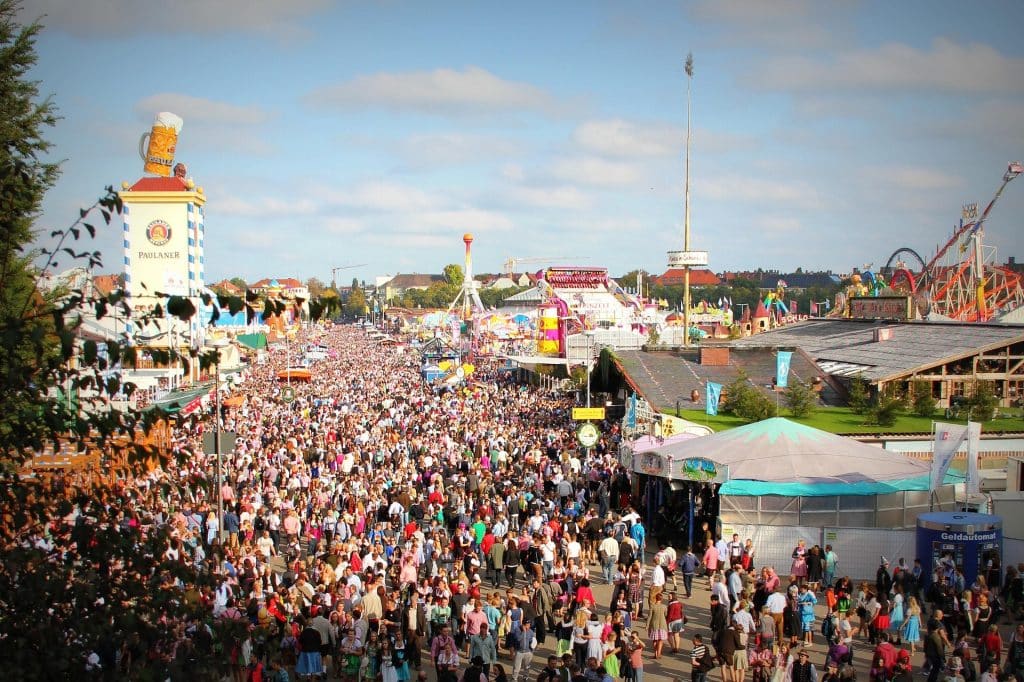
The world’s largest beer festival. Nearly 6 million visitors consume over 7 million liters of beer. Bavarian culture, music, food, and tradition in tent form.
Important Clarification: Despite its name, Oktoberfest begins in mid-September. The 2025 festival runs September 20 through October 5. The 2026 festival runs September 19 through October 4.
Why this matters: It’s pure celebration and cultural continuity. Yes, it’s touristy, but locals attend too—especially on weekdays.
Travel like a local: Go midweek, not weekends. Weekend seating in tents is nearly impossible without a reservation, especially for groups. Weekdays offer a far better chance of finding space and experiencing genuine local atmosphere rather than tourist chaos.
Arrive early (by 10:00 AM) to secure seating in a specific tent—each has its own character and vibe.
Rent traditional Tracht, not cheap costumes.
Learn basic German phrases and tent etiquette—you don’t leave your seat once claimed, you toast regularly, you buy rounds for your table.
Eat Leberkäse (Bavarian meatloaf), Brezen (soft pretzels), and roasted chicken.
Skip Oktoberfest if the chaos overwhelms you. Instead, visit smaller regional Volksfeste (folk festivals) in other Bavarian towns for the same spirit with fewer crowds.
For official tent information, reservation details, and current beer prices, check the official Oktoberfest website.
Autumn: Harvest, Wine, Food, and Film
September through November
Autumn is connoisseur season—when Europe celebrates harvest, wine, food, and cultural productions. The weather cools, crowds thin, and the focus shifts to quality: vineyard walks, wine tastings, regional cuisines, and film festivals.
Why autumn for cultural immersion:
- Fewer families, more serious travelers
- Food and wine culture peaks
- Harvest festivals show agricultural tradition
- Film festivals in major cities
- Perfect weather for slow exploration
- Ideal for travelers seeking depth over chaos
September–October: Wine, Food, and Harvest Traditions
Wine Harvest Festivals: France, Italy, Portugal, Germany, Switzerland
Autumn is harvest season across Europe’s wine regions. Entire towns celebrate the grape harvest with festivals, tastings, processions, and feasts.
Specific examples worth seeking out:
Douro Valley, Portugal: Grape-treading celebrations where families literally stomp grapes for wine-making.
Burgundy & Loire Valley, France: Harvest festivals with wine-soaked dinners and cellar tours.
Tuscany, Italy: Truffle festivals and harvest celebrations in September and October.
Alsace, France: Wine festivals with traditional music and food through late autumn.
Rhine Valley, Germany: Wine harvest parades and tastings.
Why this matters: You participate in centuries-old traditions. You taste wine in the region where it’s made, often from local producers. You understand European food culture at its roots.
Travel like a local: Stay in small villages in wine regions, not major cities. Attend small, local festivals, not touristy “wine tours.”
Walk through vineyards. Talk to grape-pickers if you can. Understand the labor involved.
Eat regional foods paired with local wines—a Burgundy producer will serve you coq au vin, a Douro producer will serve you grilled sardines or roasted meat.
If possible, volunteer for a harvest. Some regions accept visitors for a day or week of grape-picking in exchange for meals and lodging.
For deeper insights into how Europeans approach food markets and seasonal eating, explore our guide to European market shopping and cultural immersion.
Cheese Festivals: Switzerland, Italy, France
Alpine cheese-making traditions are celebrated through autumn. The Gruyère Cheese Festival in Switzerland, truffle festivals in Piedmont, and Reblochon festivals in the French Alps showcase artisanal food culture.
Why this matters: Cheese is serious in Europe. A festival dedicated to it is a window into regional identity and craftsmanship.
Travel like a local: Talk to cheese-makers about their process, their families, their traditions. Buy directly from producers. Attend educational tastings, not just eating events. Understand the difference between industrial and artisanal cheese.
Winter Again: Christmas, Advent, and Year-End Traditions
November through December
By November, Advent markets reopen. By December, they’re in full swing. The season extends from November through January and deserves attention for its quiet transformation.
Travel like a local in December: Visit markets in the week before Christmas, not the chaos of the last few days.
Attend Christmette services (Christmas Eve services in local churches). Many are free and genuinely moving.
Buy gifts from artisans, not shops. A hand-carved ornament from a vendor becomes a memory of your trip.
Eat traditional foods: Stollen (German Christmas bread), Panettone (Italian), Buñuelos (Spanish), Bûche de Noël (French).
If you’re in a small town, you might be invited to a family celebration. Accept. This is the deepest cultural exchange possible.
Choosing Your Festival: A Quick Decision Guide
For food and wine lovers: September through November harvest festivals in wine regions, cheese festivals, food fairs.
For arts and culture enthusiasts: Edinburgh Festival (August), Venice Film Festival (September), Salzburg Festival (summer), jazz festivals throughout autumn and winter.
For history and folklore buffs: Up Helly Aa (January), Semana Santa (Easter), La Mercè (September).
For nature and outdoor culture: Midsummer (Sweden, June), spring flower festivals, Alpine hiking festivals (autumn).
For those seeking smaller crowds and authentic connections: April through May (shoulder season), September through November (harvest season), December through February (winter rituals, except Christmas week).
For celebration and social energy: Carnival (February), Oktoberfest (September–October), San Fermín (July), Midsummer (June).
Practical Tips for Festival Travel Like a Local
Plan Well Ahead (But Not Too Early)
Book accommodation 3 to 6 months in advance for major festivals. Check exact dates—Easter-based festivals move, and local festival dates sometimes shift. Follow official festival websites for authentic information, not tourist aggregators.
Arrive Early, Stay Late
Arrive 1 to 2 days before a festival begins to observe the preparation and meet locals setting up. Stay 1 to 2 days after to experience the quiet aftermath and cleanup—you’ll see the real community again.
Stay Outside the Festival Core
Sleep in residential neighborhoods, not tourist-heavy areas near the main event. Eat breakfast in local bakeries, not hotel restaurants. Walk through residential streets before and after festival hours to see how locals actually live.
Respect the Tradition
If it’s a religious festival, dress modestly and observe with respect. If it’s a cultural tradition, learn basic etiquette beforehand. For more read my Religious Customs and Church Etiquett guide.
Never treat locals or sacred objects as photo props. If invited to a private celebration, honor that privilege with genuine participation, not documentation.
Learn the Language, At Least Basics
“Please,” “thank you,” “cheers,” and basic greetings in the local language transform interactions. At festivals, speaking a few words signals respect and often opens doors.
Skip Peak Dates If You Can
Weekdays are quieter than weekends. Early in a festival’s run is calmer than the final days. Mid-afternoon often offers solitude compared to evenings.
Talk to People
Strike up conversations with locals at markets, pubs, and public spaces. Ask about their personal traditions and family celebrations. These conversations become the heart of cultural immersion.
Connecting Festival Travel to Your Broader Cultural Immersion
When you time your visit around a festival, you arrive during a time when locals are present and generous. You learn the values that matter most to a culture—family, faith, harvest, art, identity. You see how communities maintain traditions in a modern world. You understand why Europe’s regions are distinct from one another. You build genuine relationships with people you meet.
You leave with stories and friendships, not just photos.
The finest travel isn’t about seeing everything. It’s about understanding something deeply. Festivals are Europe’s invitation to you: stay longer, go deeper, and become part of the story.
For a comprehensive framework on cultural immersion beyond festivals, explore our complete guide to traveling like a local in Europe.
Final Thoughts: The Festival Calendar as Your Cultural Compass
Europe’s festival calendar isn’t a tourist itinerary to complete. It’s a map of how communities live. Each season offers different flavors of cultural immersion.
Winter invites you into rituals, warmth, and ancient traditions when the world slows down.
Spring shows you renewal, faith, and the awakening of outdoor life.
Summer offers celebration, open-air culture, and collective joy—but with crowds as the trade-off.
Autumn reveals craft, harvest, and the connoisseur’s approach to food, wine, and culture.
Your next European journey doesn’t have to follow the same route as everyone else. Choose a festival that speaks to you. Arrive early, stay late, sleep in residential neighborhoods, eat where locals eat, and talk to strangers. Respect the traditions you’re witnessing. Learn a few words of the language. Accept the rhythms of the place.
When you do, something shifts: you’re no longer a tourist visiting Europe. You’re a participant in Europe’s ongoing story.
Frequently Asked Questions
How far in advance should I book accommodation for major European festivals?
For major festivals like Oktoberfest, Edinburgh Fringe, or Up Helly Aa, book 3 to 6 months in advance. Popular festivals in smaller towns often require even earlier booking. Residential neighborhoods typically have more availability than areas directly adjacent to festival sites.
Are European festivals family-friendly, or are they better for adult travelers?
This varies widely. Christmas markets, spring flower festivals, and many harvest celebrations are perfect for families. Events like San Fermín or Carnival tend to draw older crowds and late-night activities. Research specific festivals to understand their atmosphere before bringing children.
What’s the best way to experience festivals without spending a fortune?
Stay in residential neighborhoods rather than tourist areas. Eat from street vendors and local bakeries rather than sit-down restaurants. Many festival events are free—processions, street performances, and public concerts. Buy directly from artisans at markets rather than from shops. Travel during shoulder seasons when accommodation costs less.
Do I need to speak the local language to enjoy European festivals?
While speaking the local language enriches your experience, it’s not required. Learning basic phrases like “please,” “thank you,” “cheers,” and simple greetings goes a long way. Locals appreciate the effort, and many Europeans speak English, especially in larger cities and tourist areas.
How do I know if a festival is authentic or touristy?
Authentic festivals tend to happen in smaller towns, on weekdays, or during shoulder seasons. They feature local artisans, traditional foods, and genuine community participation. Touristy festivals often have mass-produced merchandise, high prices, and crowds of international visitors. Check official local tourism websites rather than third-party travel sites for genuine festival information.
What should I pack for attending European festivals?
This depends on the season and festival type. For winter festivals, pack warm layers, waterproof boots, gloves, and hats. For summer festivals, bring comfortable walking shoes, sunscreen, and light layers. For religious festivals, pack modest clothing that covers shoulders and knees. Always bring a reusable water bottle and small daypack.
Can I participate in religious festivals if I’m not religious?
Yes, but approach with respect. Dress modestly, observe quietly, and follow local etiquette. Many religious festivals welcome respectful observers. Avoid disruptive behavior, loud conversations, or treating sacred moments as photo opportunities. If you’re unsure about appropriate behavior, ask locals or observe before participating.
Are European festivals safe for solo travelers?
Generally, yes. European festivals tend to be community-oriented and welcoming. Stay aware of your surroundings, keep valuables secure, and avoid excessive alcohol consumption. Solo travelers often find festivals excellent for meeting locals and other travelers. Stick to well-lit areas at night and trust your instincts. For comprehensive safety guidance, see our solo travel and safety guide.
What happens if I visit during a major public holiday like May 1st or August 15th?
May 1st (Labor Day) and August 15th (Ferragosto/Assumption Day) are major public holidays when many shops, restaurants, and attractions close. Plan ahead by researching what’s open, stocking up on food and essentials the day before, or embracing the quiet streets to explore without crowds. Some towns host local festivals during these periods—seek them out for authentic experiences.
Quick Festival Reference Guide
Festival | Location | Typical Dates | Why Visit |
|---|---|---|---|
Up Helly Aa | Shetland Islands, Scotland | Last Tuesday in January | Viking heritage, fire ritual, genuine community |
Carnival of Venice | Venice, Italy | February (two weeks before Lent) | 11th-century tradition, masks, romance |
Cologne Carnival | Cologne, Germany | February–March | Street parades, community joy, Tracht culture |
Easter/Semana Santa | Spain, Italy, Portugal | March–April (varies) | Religious devotion, processions, spiritual life |
Feria de Abril | Seville, Spain | Late April/Early May | Flamenco, horses, Andalusian joy, Tracht |
Frühlingsfest | Munich, Germany | Mid-April–Early May | Bavarian culture, beer, local participation |
Midsummer Festival | Sweden (nationwide) | Friday between June 19–25 | 24-hour daylight, maypoles, community |
Salzburg Festival | Salzburg, Austria | Summer (5 weeks) | World-class opera and classical music |
Edinburgh Festival Fringe | Edinburgh, Scotland | August | World’s largest arts festival, culture, theater |
Venice Film Festival | Venice, Italy | Early September | Cinema, glamour, cultural prestige |
La Mercè | Barcelona, Spain | Late September | Human towers, Catalan identity, free concerts |
San Fermín | Pamplona, Spain | July 6–14 | Running of bulls, Spanish tradition, celebration |
Sziget Festival | Budapest, Hungary | Early August | Over 1,000 artists, international, art installations |
Oktoberfest | Munich, Germany | Mid-September–Early October | Bavarian culture, beer, Tracht, tradition |
Wine Harvest Festivals | France, Italy, Germany, Portugal | September–October | Grape harvest, wine tastings, regional food |
Christmas Markets | Strasbourg, Vienna, Munich, Berlin | November–December | Advent tradition, artisanal goods, Glühwein |
Note: Festival dates vary year to year. Always check official festival websites for current schedules and booking information.
Related Reading on Pieterontour.com:
- The Art of Cultural Immersion: How to Travel Like a Local in Europe
- A Magical Hungarian Christmas: Traditions and Celebrations
- European Dining Hours and Customs: When and How to Eat Like a Local
- The Art of European Market Shopping: A Guide to Cultural Immersion
- Solo Travel & Safety in Europe: Your Complete Guide
Ready to stop following the crowd? Choose a festival that calls to you. Book your trip. Arrive with an open heart. Leave as part of the story. Explore more immersive travel guides and seasonal itineraries at Pieterontour.com, where every moment of your journey is designed to be unforgettable.