Interlaken and the Jungfrau Region: Where to Stay, What to Do, and How Long You Need
Purpose Statement: This guide is for travelers planning their first visit to Switzerland‘s Jungfrau Region who need practical advice on choosing accommodations, prioritizing activities, and determining how many days to allocate for an authentic Alpine experience without feeling rushed.
The Jungfrau Region unfolds like nature showing off. Two dramatic valleys carved by ancient glaciers, snow-capped peaks that make your camera feel inadequate, and a network of villages ranging from bustling tourist hubs to car-free hamlets clinging to cliffsides. I’ve been guiding tours through these mountains for over two decades, and I still find myself stopping mid-sentence during presentations, momentarily distracted by the view.
If my main Switzerland guide introduced you to the region’s magnificence, this article provides the tactical intelligence to actually experience it. Choosing where to stay, what to prioritize, and how long to allocate aren’t mere logistical questions. They fundamentally shape whether you’re overwhelmed by crowds at Jungfraujoch or watching sunrise reflections in near-solitude at Bachalpsee. They determine whether weather ruins your carefully planned itinerary or serves as an opportunity to discover hidden alternatives.
This guide translates philosophy into actionable strategy, specifically tailored for travelers seeking authentic experiences balanced with practical convenience.
A quick note on planning: Prices and opening hours are mentioned to help you budget and plan, but they can change often. I always recommend checking the official websites (which I’ll link to) for the most current information before your visit.
On this page
Understanding the Geography: Why Location Matters
The Jungfrau Region centers on the Lauterbrunnen Valley, a U-shaped trough carved by Ice Age glaciers and now surrounded by spectacular peaks. The valley floor contains the main towns and transportation hubs. Surrounding peaks hold car-free villages perched at elevation, delivering views impossible from below. Just outside sits Interlaken, the major Swiss transportation hub connecting you to the rest of the country.
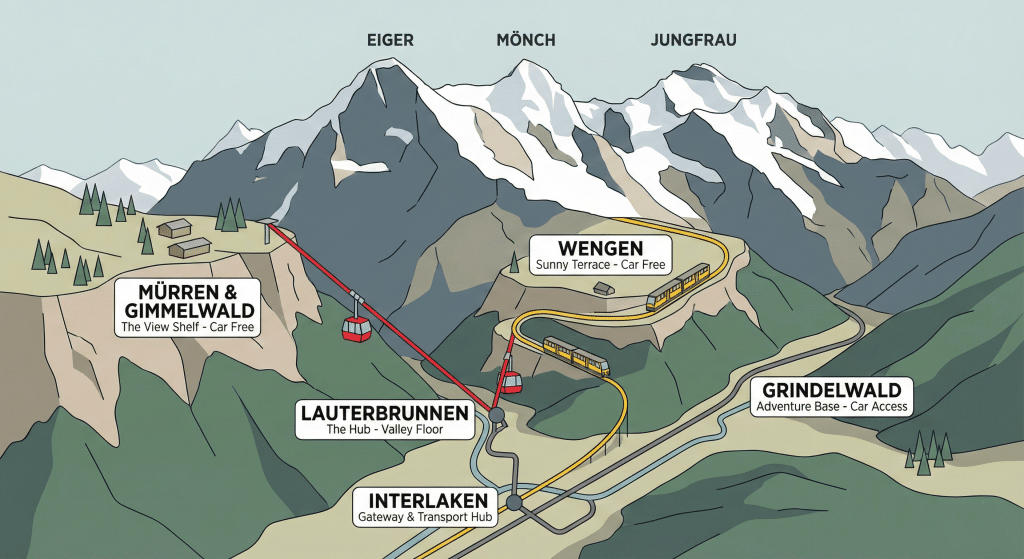
This geography creates the fundamental trade-off you’ll need to navigate: valley convenience versus mountain atmosphere.
Understanding this dynamic helps make sense of the accommodation choices ahead. Every location serves different priorities along a spectrum from maximum convenience to maximum soul-stirring views.
Visual Aid: [Editor’s note: Insert map/diagram here showing the Y-shaped valley configuration, with Lauterbrunnen Valley as the central hub, Interlaken to the north, and the branching valleys extending to Grindelwald (east) and Mürren/Schilthorn (west). This visual helps readers immediately grasp the geographic relationship between all major destinations.]
Where to Stay: The Strategic Location Decision
The first decision, where to base yourself, ripples through every subsequent choice. Fortunately, the Jungfrau Region’s exceptional public transportation network means no location is genuinely “wrong.” Instead, each serves different priorities.
Interlaken: The Gateway Hub
Quick Summary: Between Lake Thun and Lake Brienz, serving as Switzerland’s primary transportation hub
Interlaken functions as a starting point rather than a destination. It’s where trains converge from Zurich, Lucerne, Bern, and Geneva, making it the inevitable arrival point before venturing into the Alps. Many travelers stay one night in Interlaken before ascending to mountain villages, and honestly, that’s exactly the right approach.
What Works:
- Most extensive accommodation choices across all budgets (200+ restaurants in the broader region)
- Unparalleled shopping, dining, and entertainment options
- Quick connections to all other Swiss cities for multi-destination itineraries
- Excellent nightlife scene for those seeking evening entertainment
- Easiest logistics for travelers with mobility limitations
- Fastest access for those with limited time
The Trade-offs:
- Valley location between lakes means no mountain views from town
- Requires daily train journeys (20-42 minutes) to reach actual Alpine attractions
- Busy, touristy atmosphere lacks authentic Swiss Alpine character
- Less satisfying as a multi-day base due to feeling transactional
Best For: One-night stopovers, travelers connecting multiple Swiss regions, those prioritizing shopping and nightlife, visitors with mobility constraints, families needing extensive services
Where to Stay in Interlaken:
The Victoria Jungfrau Grand Hotel & Spa remains iconic, positioned between the two lakes with full spa facilities, multiple restaurants, and the grand hotel experience. Expect rates around CHF 350-800 per night depending on season and room type.
For better value, Hotel Artos in nearby Matten delivers exceptional panoramic Jungfrau views with included spa access and family-friendly facilities at CHF 150-300 per night. Hotel Weisses Kreuz offers similar quality just 3 minutes from Interlaken West station.
Budget travelers consistently praise Walters Hostel (ratings of 8.9+) for clean rooms with shared kitchen facilities, starting around CHF 50-100 per night.
Lauterbrunnen: The Central Valley Base
Quick Summary: Heart of the valley, beneath iconic Staubbach Falls and 71 other cascading waterfalls
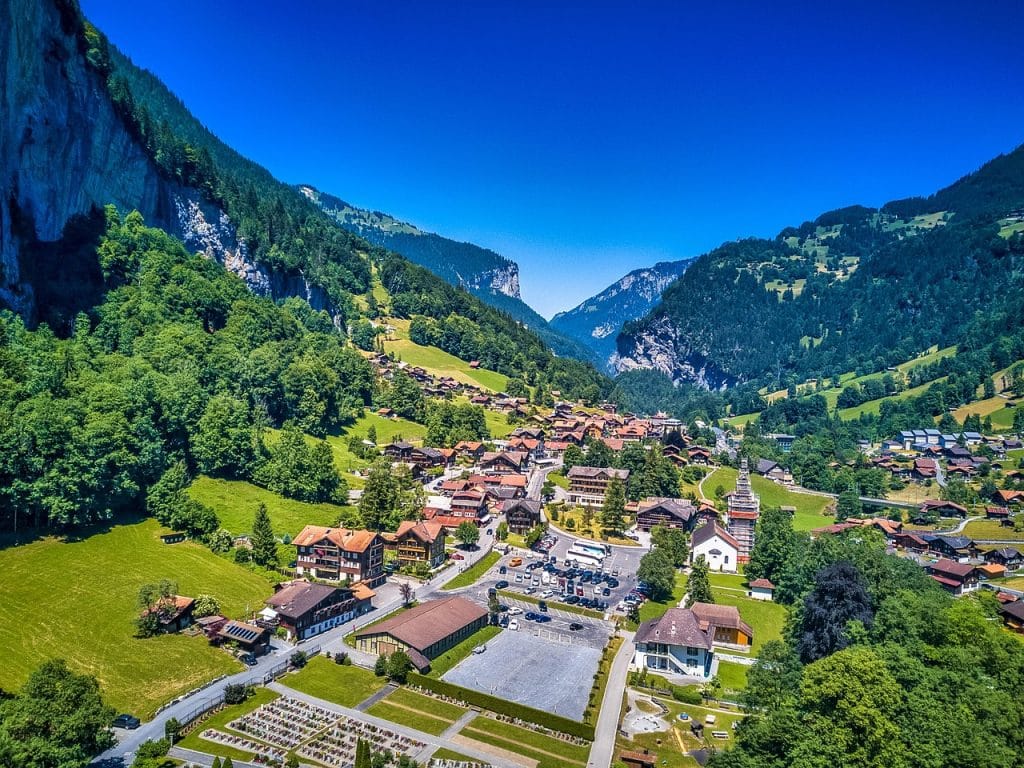
This is arguably the Jungfrau Region’s most practically strategic location. Sitting at the valley’s center with direct connections to both valley sides via trains and cable cars, Lauterbrunnen allows access to Grindelwald and First on one flank, and Wengen/Mürren on the other, all without traveling through Interlaken.
What Works:
- Most centrally positioned for accessing all major attractions
- Direct train station with excellent connections (20 minutes from Interlaken)
- Cable car station providing access to both valley sides
- Authentic Swiss village atmosphere with good amenities (ideal middle ground)
- Spectacular waterfall scenery directly visible from the village
- Gateway village you’ll likely pass through regardless, so staying here is strategic
- Good selection of restaurants and accommodations
The Trade-offs:
- Valley position means you’re looking up at mountains rather than among them
- Can become crowded during peak season (July-August)
- Less dramatic mountain views compared to higher-elevation villages
- Popular with tour groups, reducing the “discovered” feeling
Best For: Travelers maximizing sightseeing efficiency, those seeking balance between convenience and authenticity, visitors planning varied activities across both valley sides, car travelers with parking needs
Where to Stay in Lauterbrunnen:
Hotel Oberland exemplifies the quintessential Lauterbrunnen experience. Family-run since its founding, with an excellent in-house restaurant serving hearty Swiss cuisine, a 5-minute walk from the train station, and spacious rooms that accommodate families. Multiple room types ensure flexibility for any size group.
Hotel Silberhorn positions itself directly next to the Grütschalp cable car station and across from the train station, minimizing commute friction. The highly-rated restaurant has become destination dining, worth visiting even if you don’t stay overnight.
Budget travelers love Valley Hostel for cleanliness and location, with options from dormitory beds to family rooms accommodating four people.
Grindelwald: The Active Adventure Base

Quick Summary: East valley, beneath the dramatic Eiger north face, gateway to Grindelwald First
If your interests lean toward hiking, adventure activities, and direct access to mountain infrastructure, Grindelwald delivers. It’s less convenient for some attractions (Schilthorn requires longer transport) but excellent for others (First activities are immediately accessible).
What Works:
- Direct cable car access to Grindelwald First and its adventure activities
- Excellent selection of 99 restaurants (more dining variety than other villages)
- Iconic mountain backdrop (Eiger north face views from many accommodations)
- Good hotel infrastructure accommodating all budgets
- Strong family appeal with playgrounds and extensive facilities
- Well-established resort town with predictable amenities
The Trade-offs:
- More commercialized “resort town” atmosphere than traditional villages
- Less convenient for western valley attractions (Schilthorn, Mürren)
- Lacks the charm and quiet of car-free villages
- More crowded during peak season
Best For: Hikers and active travelers, families with children, adventure sports enthusiasts, photographers seeking Eiger compositions, those prioritizing easy access to First cable car
Where to Stay in Grindelwald:
Hotel Gletschergarten offers historic charm near the First cable car station, with multiple room configurations and mountain views. Locherboden apartment-style accommodations with kitchen facilities suit families planning multi-night stays, starting around CHF 150-300 per night.
For authentic local dining (even if you don’t stay in Grindelwald), Kirchbühl restaurant has been family-run for generations, serving excellent traditional Swiss cuisine with outdoor seating in summer.
Wengen: Car-Free Mountain Village with Amenities
Quick Summary: East side of Lauterbrunnen Valley, elevated above the valley floor, beneath Männlichen and Jungfraujoch
Wengen delivers the car-free Alpine village atmosphere that defines authentic mountain living while maintaining enough hotels and restaurants that you’re not sacrificing modern conveniences. This represents a genuine sweet spot.
What Works:
- Car-free village preserving traditional atmosphere
- Elevated position providing views across Lauterbrunnen Valley
- Closer proximity to Jungfraujoch and Männlichen than valley-floor alternatives
- Strong accommodation selection across all price ranges
- More hotels and restaurants than other elevated villages (Mürren, Gimmelwald)
- Good balance of authenticity with modern amenities
- Excellent base for middle-distance hiking
The Trade-offs:
- Requires train from Lauterbrunnen (no road access, though this is partly what preserves its character)
- Views less dramatic than Mürren’s cliffside position
- Still touristy during peak season, though quieter than Grindelwald
- Slightly higher costs than valley alternatives
Best For: Travelers wanting authentic Alpine village life with convenient amenities, couples seeking mountain atmosphere without extreme isolation, those prioritizing access to Männlichen and Jungfraujoch, photographers interested in valley views
Where to Stay in Wengen:
Hotel Wengener Hof exemplifies Wengen’s appeal with mountain views, stylish rooms, beautiful garden, and cozy lodge atmosphere. Hotel Alpenrose, dating to 1881 but fully renovated, delivers traditional Alpine style with modern comfort at mid-range pricing (CHF 150-300/night).
Chalet Gerbera apartments receive exceptional ratings for rustic charm and functionality, accommodating up to four people with home-away-from-home flexibility.
Mürren: The View Capital
Quick Summary: Cliffside aerie overlooking Lauterbrunnen Valley from the west, accessible only by cable car

Mürren trades convenience for unquestionably the most spectacular views in the entire Jungfrau Region. If views from your accommodation are a priority, if watching sunrise paint the Eiger, Mönch, and Jungfrau a dozen shades of gold makes your trip worthwhile, Mürren is where you’ll find that magic.
What Works:
- Unquestionably the best mountain views in the region (difficult to overstate)
- Car-free village with authentic, peaceful atmosphere
- Direct access to Schilthorn and Birg (excellent base for this excursion)
- Less crowded than Grindelwald or Wengen
- Ideal for photographers and view-seekers
- Hotel Alpenblick and Hotel Alpina deliver premium views at surprisingly reasonable prices
- Allmendhubel Flower Park, one of the region’s best family playgrounds with spectacular vistas, sits directly above the village
The Trade-offs:
- Significantly fewer accommodation options than Wengen or Grindelwald
- Cable car service less frequent than trains to other villages (requires schedule planning)
- More isolated, requiring more strategic planning for daily activities
- Longest travel times to Jungfraujoch and eastern valley attractions
- Slightly higher costs due to premium location
Best For: Travelers prioritizing spectacular views above all else, photographers and artists, couples seeking romantic mountain atmosphere, those focusing on Schilthorn/Birg excursions, visitors willing to trade convenience for soul
Where to Stay in Mürren:
Hotel Alpina boasts some of the best unobstructed views of the Jungfrau massif, with rooms accommodating one to four people at CHF 150-300 per night. Hotel Alpenblick (budget option) delivers amazing mountain views with basic but comfortable and cozy rooms. Family room sleeps four with mountain-view balcony.
Strategic consideration: Staying in Mürren means accepting that Jungfraujoch, First, and other northern attractions require longer travel times. This is the trade-off for views that will dominate your memory of the trip. Many travelers consider it an excellent exchange.
Understanding Accommodation Costs
Seasonal variation significantly impacts budget allocation. Most expensive month is June (average $826/night, 61% premium over annual average). Cheapest is November (average $319/night, 38% discount). Weekly pattern shows Sunday cheapest ($416), Wednesday most expensive ($586).
Budget by category breaks down roughly as follows: overall average runs $592/night, with 5-star properties around $362/night, 3-star properties around $176/night, 2-star/hostels around $74/person/night, and budget backpacker dorms $50-60/night.
Staying 3+ nights often triggers discounts, and visiting in November delivers dramatic savings despite some seasonal attraction closures. Late May (spring) and September-early October (autumn) offer the best balance: shoulder season pricing with near-summer conditions.
What to Do: Activities and Attractions
The Jungfrau Region’s activity spectrum ranges from world-class mountain excursions to hidden trails where solitude matches scenery. Strategic prioritization maximizes experience value, particularly given that major mountain experiences come with significant costs.
The Big Three Mountain Excursions
These three iconic experiences define the region and justify worldwide renown. Most visitors prioritize at least one; longer stays allow experiencing both.
Jungfraujoch: Top of Europe
At 3,463 meters, Jungfraujoch holds the title of Europe’s highest railway station. The journey itself, aboard the modern Eiger Express gondola followed by a historic cogwheel railway tunneling through the Eiger’s heart, rivals the destination.
What You’ll Experience:
The Sphinx Observatory represents the highest observation point, revealing panoramas across Alpine peaks and the Aletsch Glacier. Below the surface, the Ice Palace sits 30 meters beneath the glacier, where realistic animal ice sculptures inhabit crystal-clear chambers. The Aletsch Glacier, Europe’s longest, stretches below you as a UNESCO World Heritage natural wonder. The Snow Fun Park offers year-round activities including zipline, snow tubing, skiing, and sledding. Multiple viewpoints each offer distinct perspectives on surrounding peaks.
Critical Planning Detail:
Check the official Jungfrau website’s live webcams before booking. At this altitude, cloud cover obscures views entirely, making clear-day excursions exponentially more valuable than cloudy ones. Be prepared to shift this excursion to clear-weather days, even if it disrupts other plans.
Journey time runs 45-90 minutes from Interlaken or Grindelwald (varying by departure point).
Current 2026 Pricing:
Round-trip costs vary by season and pass type:
High Season (May 1 – October 31, 2026):
- Full price from Interlaken: CHF 260-270
- Swiss Travel Pass holders: CHF 177-180 (25% discount)
- Swiss Half Fare Card holders: CHF 130-135 (50% discount)
- Jungfrau Travel Pass holders: CHF 79 from Eigergletscher
Off-Peak Season (November 2026 – April 2027):
- Full price from Interlaken: CHF 220-230
- Swiss Travel Pass holders: CHF 148-150 (25% discount)
- Swiss Half Fare Card holders: CHF 112-120 (50% discount)
- Jungfrau Travel Pass holders: CHF 63 from Eigergletscher
Mandatory seat reservation: CHF 10 round trip (May-October only) must be booked in advance
For the most current pricing and to purchase tickets, visit the official Jungfrau Railway website.
At peak pricing, this represents approximately $260-280 USD per person, among Switzerland’s most expensive single experiences. However, the combination of extreme altitude (accessible without technical climbing), dramatic views, and year-round accessibility justifies the expense for most visitors.
Altitude Consideration: Some visitors experience mild altitude symptoms at 3,463m: headaches, slight nausea, unusual tiredness. Ascend gradually, stay hydrated, avoid alcohol, and descend if symptoms intensify. Most visitors experience no issues.
Time Allocation: Plan 5-6 hours total (including travel time). Arrive early (7-8am) to avoid crowds and afternoon clouds that often obscure high-altitude views.
Schilthorn and Piz Gloria: The James Bond Mountain
At 2,970 meters, Schilthorn gained cinematic fame as the filming location for the 1969 James Bond film “On Her Majesty’s Secret Service.” The revolving Piz Gloria restaurant maintains that glamorous legacy. Unlike Jungfraujoch’s more enclosed summit, Schilthorn offers open-air 360-degree views encompassing over 200 Alpine peaks.
Important 2026 Update: Schilthornbahn 20XX Project:
The most dramatic infrastructure upgrade in the Jungfrau Region’s history is now operational. In December 2024, the world’s steepest cable car (159.4% gradient) opened between Stechelberg and Mürren, cutting travel time from 32 minutes to just 4 minutes on this section. The entire Schilthornbahn 20XX project, scheduled for final completion in spring 2026, transforms the journey:
What Changed:
- New direct route: Stechelberg to Mürren in 4 minutes (previously required change at Gimmelwald)
- Reduced sections: 3 sections instead of 4 (Stechelberg to Mürren, Mürren to Birg, Birg to Schilthorn)
- Total journey time: Approximately 22 minutes Stechelberg to summit (previously 32+ minutes)
- Modern Funifor cable cars: Twin-track system on Mürren-Birg and Birg-Schilthorn sections allowing independent operation (one track can operate during maintenance of the other)
- Year-round access: 365-day operation now guaranteed
- Automated luggage system: Check luggage at Stechelberg valley station, pick up in Mürren or have it delivered directly to your hotel
- Increased capacity: 800 people per hour (previously 400-600)
The first track of the Birg-Schilthorn section reopened March 15, 2025. The second track and final construction completion is scheduled for spring 2026. During your 2026 visit, you may see some remaining construction work at stations, but all routes are operational.
What Awaits:
The Skyline Observation Deck provides panoramic platforms delivering unobstructed mountain vistas from every direction. At the Birg Intermediate Station (2,700m), you’ll find the legendary Thrill Walk, a 200-meter metal pathway pinned to the cliff face with glass-floor sections delivering pure adrenaline. The Birg station has been significantly expanded with a new 150-seat self-service restaurant.
Piz Gloria Revolving Restaurant holds distinction as the world’s first revolving mountain restaurant, completing one rotation while you dine and offering both culinary experience and constantly shifting views. The 007 Walk of Fame presents interactive Bond-themed exhibits throughout the facility. Hiking options include the 2-hour Schilthorn-to-Birg trail through Seewlifuhre meadow, descending to Grauseeli alpine lake.
Access: The revolutionary new direct cable car from Stechelberg makes this the most convenient access point. Traditional route via Lauterbrunnen-Grütschalp-Mürren also remains available. For current timetables and to purchase tickets, visit the official Schilthorn website.
Current 2026 Pricing:
|
Route |
Full Price |
Swiss Travel Pass (50%) |
Half Fare Card (50%) |
Berner Oberland Pass |
|---|---|---|---|---|
|
Stechelberg-Schilthorn return |
CHF 110-120 |
CHF 42.80 |
CHF 55-60 |
Free |
|
Mürren-Schilthorn return |
CHF 85-90 |
CHF 42.80 |
CHF 42.80 |
Free |
|
Lauterbrunnen-Schilthorn return |
CHF 110-120 |
CHF 42.80 |
CHF 55-60 |
Free |
Special Dining Packages: Schilthorn Brunch (approximately CHF 100-120) and Afternoon Platter (approximately CHF 100-120) include cable car ticket and meal. For current pricing and to book tickets, visit the official Schilthorn website.
Schilthorn delivers significantly better value than Jungfraujoch when holding a Swiss Travel Pass. The Thrill Walk at Birg provides genuine adrenaline without separate adventure activity fees. The James Bond connection adds entertainment value for film fans.
Strategic Note: If your accommodation is in Mürren, Schilthorn becomes the natural primary excursion, with minimal commute friction.
Grindelwald First: Adventure Activities Central
While Jungfraujoch and Schilthorn emphasize dramatic viewing experiences, Grindelwald First (2,168m) positions itself as the region’s adventure activity epicenter, perfect for active travelers and families with older children.
The cable car journey itself offers stunning panoramic views during ascent, functioning as an attraction before activities begin.
What You Can Do:
Included with Cable Car Ticket:
- First Cliff Walk: 15-minute metal walkway pinned to cliff face, culminating at a glass-floored viewing platform with dramatic Eiger, Mönch, and Jungfrau views
- Observation terraces and restaurant facilities
- Bachalpsee Lake access (most popular hiking destination)
Additional Fee Activities (seasonal, typically May-October):
- First Flyer: 800-meter zipline descent
- Mountain Cart: Downhill cart racing on alpine roads (closes mid-October)
- Trottibike: Pedal-free mountain scooter descent
Popular Hiking Trails from First:
Bachalpsee Lake (Easy, 3km, most famous): This trail to an alpine lake with perfect mountain reflections ranks among Switzerland’s most photographed locations, and for good reason. Early morning provides calm water and soft golden light, versus afternoon crowds and potential ripples. Allow 1 hour each direction.
Marmot Trail (Easy-Moderate, 7km, 2 hours): Follow high alpine habitat where marmots sun themselves on rocks and whistle their distinctive territorial calls. This combines hiking with wildlife observation, educational for children.
Schynige Platte to First via Faulhorn (Challenging, 16km, full day): This epic 6-8 hour route with 1,000m elevation gain is legendary among serious hikers. Stop at Faulhorn mountain hut (around the 1.5-hour mark) for excellent soup and coffee with magical views. Considered one of Switzerland’s finest high routes.
Pricing: Cable car round trip runs approximately CHF 85-90 adults / CHF 25-30 children (6-15), with 50% discount available for Swiss Travel Pass or Half Fare Card holders. Adventure activities require separate tickets (bundle packages available). For current pricing and to book tickets, visit the official Grindelwald First website.
Best For: Active families, adventure seekers, photographers, hikers wanting mountain access with infrastructure, those seeking variety beyond pure viewing platforms
Strategic Timing: Start early for Bachalpsee hike to capture sunrise reflections and avoid afternoon crowds. Adventure activities have shorter waits during shoulder seasons (May, September-October).
Adventure Activities: Beyond Mountain Excursions
Interlaken’s reputation as Switzerland’s “adventure capital” stems from unique adrenaline-pumping experiences unavailable elsewhere.
Paragliding: The Signature Swiss Experience
Nearly every travel resource identifies paragliding as Interlaken’s premier activity. The combination of zero required experience (tandem flights with expert instructors), genuine thrill, and utterly unique perspective (viewing the Alps from above) makes this accessible to most travelers.
After brief ground instruction, you run a few steps down the slope, the wing catches air, and suddenly you’re soaring above Interlaken with bird’s-eye views of Lakes Thun and Brienz, the Eiger/Mönch/Jungfrau trinity, and surrounding valleys. The instructor handles all technical aspects; you experience pure joy.
Duration runs approximately 1.5 hours total (preparation, flight, landing, photos). Physical requirements include ability to run a few steps and follow instructions. Summer months offer best conditions; flights are cancelled in rain or high winds. Cost typically ranges CHF 150-200.
This delivers a perspective, literally a bird’s-eye view, that no mountain viewpoint matches. Many travelers report paragliding as their single most memorable Swiss experience.
Canyoning: Aquatic Adventure
Equipped with wetsuits, helmets, and life jackets, you navigate Chli Schliere canyon (or similar options) through jumps into pools, slides down natural water chutes, passages through narrow gorges, and rappels down waterfalls.
Duration runs 7.5 hours for full-day canyoning. Conditions are actually enhanced by light rain: more water flow means more exciting slides, and you’re getting wet anyway. Only cancelled in heavy multi-day rain for safety reasons.
Best For: Travelers seeking active adventure, those comfortable getting wet and slightly dirty, groups sharing challenge experiences
Additional Adventure Options
Canyon Swing offers freefall drop into canyon, similar to bungee jumping but vertical. High adrenaline, shorter duration.
Mürren-Gimmelwald Via Ferrata provides protected climbing route using permanent steel cables, ladders, and cliff-edge steps. Harness clips to wire throughout for safety. Climbing experience without technical mountaineering skills.
Jet Boat Ride (Lake Brienz) delivers high-speed tour around turquoise waters, visiting secluded beaches, castles, and waterfalls.
Seilpark Interlaken (Ropes Park) features forest adventure park with Tarzan swings, ziplines, wooden bridges, and rope ladders for various difficulty levels. Family-friendly courses for ages 4+. Works in light rain due to tree cover.
Waterfalls and Natural Wonders
Lauterbrunnen Valley’s “Valley of 72 Waterfalls” nickname isn’t marketing; it’s geographical fact, creating a concentration of cascading water unmatched in Europe.
Trümmelbach Falls: Inside the Mountain
Ten glacier-fed waterfalls inside a mountain, accessible via underground walkways, designated a UNESCO World Heritage site. At forces up to 20,000 liters per second, these waters move 5,200 tons of rock debris annually, having carved deep tunnels and spirals into the mountainside over millennia.
Underground funicular (built 1913) carries you into the mountain to explore wet, winding staircases and dimly lit tunnels, eventually reaching various waterfall viewpoints. The sound becomes overwhelming. You feel vibrations through rock walls before seeing actual falls.
Practical Details:
- Access: 45-minute scenic walk from Lauterbrunnen OR 5-minute Bus #141 ride
- Cost: Around CHF 14 admission (check official website for current pricing)
- Temperature: Noticeably cooler inside; bring light jacket
- Conditions: Slippery walkways from constant spray; wear appropriate footwear
- Duration: 45-60 minutes for full exploration
- Season: Closes early November, reopens April
Rainy Day Bonus: Actually better in rain. More water creates more impressive falls, and the experience is largely weather-protected.
Staubbach Falls: The Valley Icon
At 974 feet (297m), this waterfall plunges directly adjacent to Lauterbrunnen village, creating the signature valley image. Free to view, photogenic at all times but especially dramatic after rain or spring snowmelt. The village viewpoints require just minutes to reach.
Aare Gorge (Meiringen)
Slightly outside the core Jungfrau Region but easily accessible via direct trains from Interlaken, the Aare Gorge represents 10,000 years of water carving limestone into spectacular formations. The geological interest rivals visual spectacle, particularly for those intrigued by landscape formation processes. Portions are covered, making this useful for marginal-weather days. Season runs typically mid-April through early November.
Hiking: The Core Alpine Experience
With over 65,000 kilometers of marked trails nationally, Switzerland’s hiking infrastructure is unmatched globally, and the Jungfrau Region concentrates some of the finest routes in a compact, accessible area.
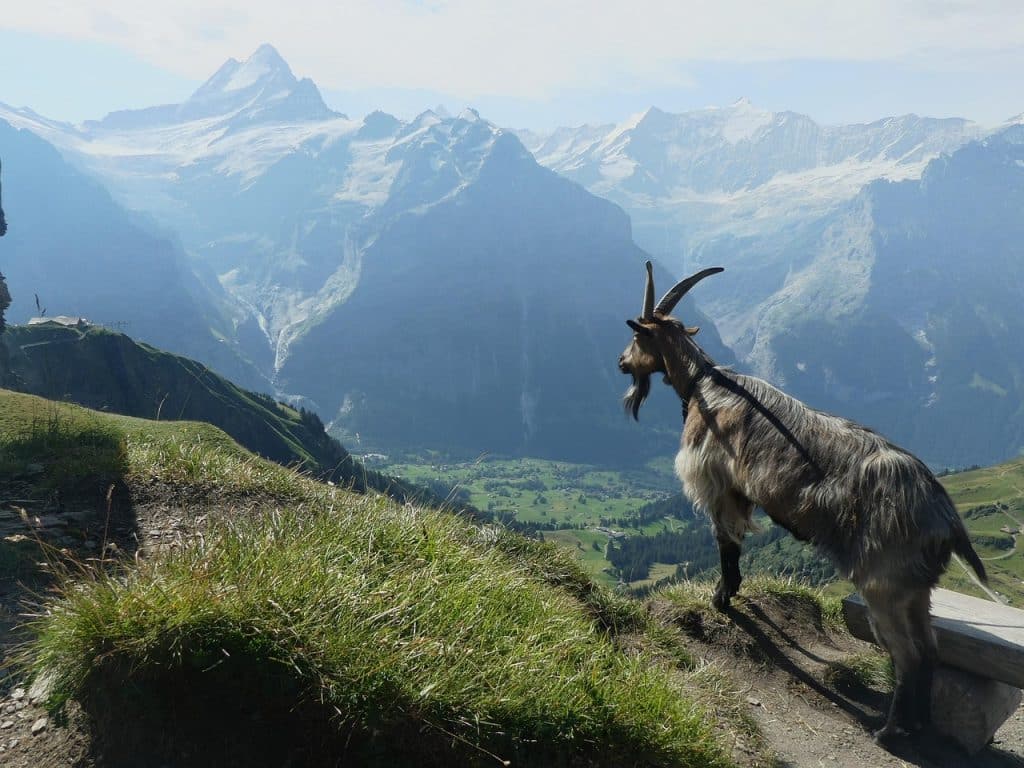
Understanding the Trail Marking System
Swiss trails employ a three-tier marking system indicating difficulty and required experience:
Yellow Signs (Standard Hiking Trails): Suitable for anyone with reasonable fitness. Well-maintained paths, clearly marked. No special equipment required beyond proper footwear. Ideal for families with children.
White-Red-White Signs (Mountain Trails): Require sure-footedness and proper hiking boots. Sections may be steep, narrow, or exposed. No fear of heights required, but comfort with exposure necessary. Some experience recommended.
White-Blue-White Signs (Alpine Routes): Require mountaineering experience and technical equipment. Exposed sections with fall hazards. Only for experienced alpine hikers with proper gear.
The Golden Rule: Never attempt white-red-white or white-blue-white trails without appropriate experience, regardless of how “close” they appear on maps. Mountain accidents predominantly involve hikers exceeding their skill level on inadequately assessed routes.
Top Recommended Hikes
Easy/Family-Friendly:
Bachalpsee Lake from First (Most Popular): Distance 3km one-way, time approximately 1 hour each direction, minimal elevation gain (cable car handles most work). Highlights include perfect mountain reflections and flower meadows. Best time is early morning for reflections and fewer crowds.
Männlichen Panorama Trail to Kleine Scheidegg: Distance approximately 4.5km, time 1.5-2 hours. One of Switzerland’s most famous easy panorama walks with continuous Eiger, Mönch, Jungfrau vistas. Mostly downhill or flat, accessible to families.
Mürren Mountain View Trail: Distance 5km one-way, time 2 hours, elevation 400m up. Spectacular Lauterbrunnen Valley panoramas. Access via Allmendhubel funicular (operates through mid-October).
Moderate Challenges:
Eiger Trail: Hike beneath the legendary Eiger north face. Duration half day. Views of climbing history locations. Popular but manageable crowds.
Schynige Platte to First via Faulhorn: Distance 16km, time full day (6-8 hours), elevation approximately 1,000m gain. Epic views at every turn. Legendary Faulhorn hut serves soup with mountain-view dining. Long but deeply rewarding. Requires good fitness and weather awareness.
Hiking Practical Intelligence
Mountain Huts: Traditional Swiss mountain huts serve hot meals, refreshments, and offer overnight accommodation. Many operate family-style, serving hearty Alpine classics. Overnight huts require advance booking during peak season. These establishments exist on trails inaccessible by road, creating unique dining experiences in spectacular settings.
Weather Layers: Pack layers including waterproof jacket (essential), warm mid-layer (fleece or down), hat, gloves, and sun protection. Mountain temperature can drop 10-15°C with altitude gain or incoming weather.
Trail Etiquette: Greet fellow hikers with “Grüezi” (Swiss tradition). Uphill hikers have right-of-way. Stay on marked trails (prevent erosion). Don’t pick protected wildflowers (including edelweiss). Carry out all trash. Respect private property (trails cross working alpine farms).
Trail Access: Remarkably, hiking Swiss trails is completely free. Only transportation costs and optional mountain hut meals apply.
Lake Activities
Interlaken’s geographic position, literally “between the lakes,” creates perfect access for aquatic experiences offering respite from mountain intensity.
Lake Cruises:
Lake Thun: 5-hour round-trip from Interlaken West. Year-round operation. Food and drink onboard. Views of Niesen “Swiss Pyramid,” lakeside castles, traditional villages. Typically covered by Swiss Travel Pass. Check the official BLS Shipping website for current schedules.
Lake Brienz: 3-hour round-trip from Interlaken Ost. Summer operation only (typically April-October). Turquoise glacial water creates stunning color contrasts. More intimate than Thun, surrounded by steeper mountains. Typically covered by Swiss Travel Pass.
Active Water Sports: Swimming at designated beaches June-September when water temperature permits. Kayaking guided tours particularly popular on Lake Brienz. Stand-up paddleboarding rental equipment at multiple lakeside locations. Jet Boat Tours for high-speed thrills on Lake Brienz.
Hidden Gems and Lesser-Known Attractions
Sulwald: The Secret Clifftop Viewpoint
Cliffside perch above Lauterbrunnen Valley, dubbed “the armchair of the Bernese Oberland.” Despite sitting in the geographic heart of the Jungfrau Region with stunning panoramic views, Sulwald receives a fraction of major tourist traffic. Over 1 million visit Jungfraujoch annually; Sulwald sees perhaps 1% of that number.
Access via tiny cable car from Lauterbrunnen carrying only 8 people, or 1 cow, at a time. Limited capacity naturally restricts crowds while adding character.
Views: 360-degree panoramas encompassing Schynige Platte, the Grindelwald valley, Männlichen, Wengen, the Eiger/Mönch/Jungfrau trinity, and Soustal Valley to Schilthorn.
Hiking Options:
- Easy Sulwald Viewpoint: 20-30 minute walk, stroller/wheelchair-friendly paved path
- Grutschalp Trails: Multiple 5-6km routes (approximately 2 hours)
- Lobhorn Hut: 3km, 1h 20min, 440m gain, passing Sulsseeli Alpine Lake
Lobhorn Hut Experience: Off-grid mountain hut with no electricity except minimal solar, wood stove cooking, outhouses with spectacular views, dormitory beds, and simple restaurant service. This epitomizes authentic Alpine culture increasingly rare in accessible areas.
Sulwald delivers views and atmosphere comparable to famous locations without crowds, costs, or commercialization, ideal for photographers, hikers seeking quiet trails, and those preferring authenticity over tourist infrastructure.
Schynige Platte: Alpine Garden and Panorama
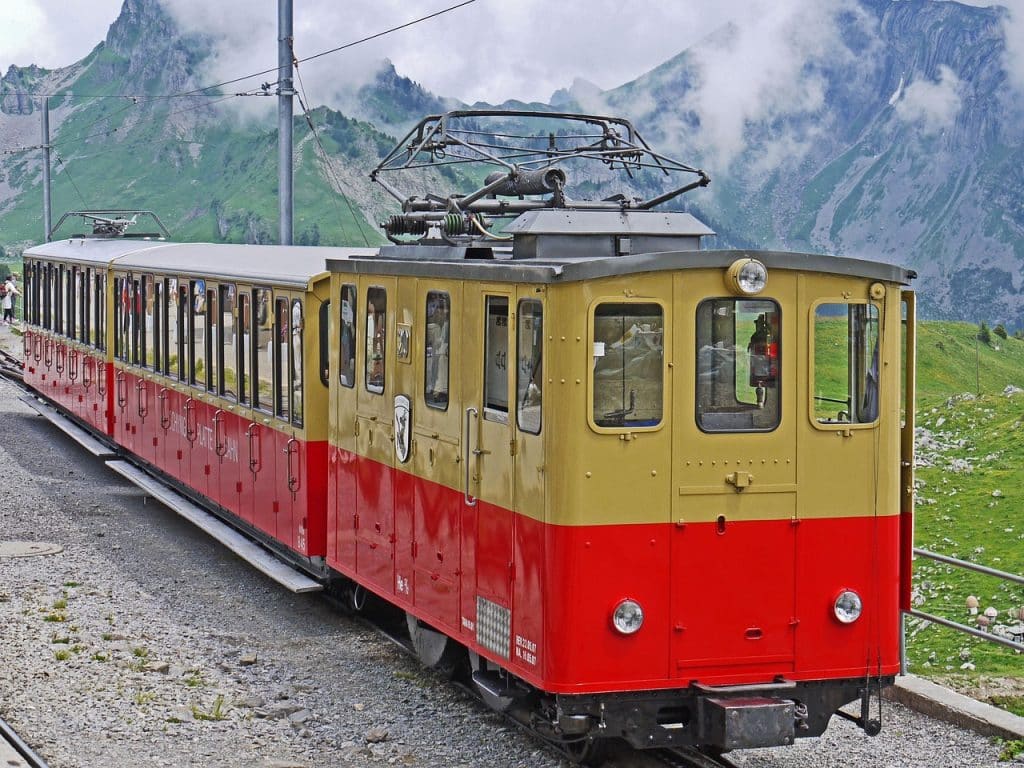
Cogwheel train from Wilderswil (near Interlaken) accesses this route. Alpine garden showcasing regional flora, Swiss Flower and Panorama Trail, restaurant with playground. Perfect for families, particularly those with young children unable to manage longer hikes.
Harder Kulm: Top of Interlaken
Funicular from Interlaken town quickly ascends to 1,322 meters.
Attractions:
- Two Lakes Bridge: Suspension bridge with simultaneous views of Lakes Thun and Brienz
- Panorama Restaurant: Known for sunset dinners
- Playground: Family-friendly area with viewpoint
- Sunrise Hikes: June-September special experiences; 4am starts, stargazing during ascent, champagne breakfast at summit (around CHF 99 per person)
Best time for visit: sunset for golden-hour light, or sunrise hikes for magical experience.
How Long to Stay: The Duration Question
One of the most frequent questions about the Jungfrau Region is: “How many days do I need?” This decision fundamentally impacts experience quality and budget allocation.
Minimum: 2-3 Days (Highlights Only)
What’s Achievable:
- One major mountain excursion (Jungfraujoch OR Schilthorn)
- One side of Lauterbrunnen Valley exploration
- One moderate hike or additional activity
- Brief Interlaken visit or lakeside time
The Reality: This duration feels rushed. You’re sacrificing variety for focused depth in one area. Weather becomes critically important; one cloudy day significantly impacts your limited options.
Best Approach: Stay in Interlaken for maximum logistical convenience, treating Jungfrau Region as day-trip destination. Alternatively, base in Lauterbrunnen for better atmosphere while maintaining central access.
Who This Suits: Multi-region Switzerland itineraries (Lucerne, Zermatt, Lake Geneva, etc.), travelers on tight schedules, weekend trips from other European cities.
Recommended: 3-4 Days (The Sweet Spot)
What’s Achievable:
Day 1: Arrival and Orientation Arrive in chosen village. Short walk or easy activity to acclimate. Check weather forecasts and finalize mountain excursion timing.
Day 2: Major Mountain Excursion #1 Jungfraujoch OR Schilthorn (choose based on weather forecast). Full day commitment (depart early, return late afternoon).
Day 3: Second Mountain Experience or Hiking Either second major excursion OR significant hiking day. Grindelwald First if weather permits. Explore opposite valley side.
Day 4: Flexibility and Departure Lake cruise or Harder Kulm. Interlaken visit for missed activities. Weather contingency day for originally cancelled plans.
Why This Works: The crucial element often missing in shorter stays: weather contingency. Mountain excursions require clear conditions; clouds obscure the views justifying high costs. Having 3-4 days allows monitoring forecasts and scheduling Jungfraujoch or Schilthorn on the clearest day, using less weather-dependent activities on cloudier days.
This duration also permits visiting both Lauterbrunnen Valley sides, experiencing Grindelwald/First and Mürren/Schilthorn, providing the variety that makes the region special.
Who This Suits: First-time Switzerland visitors allocating significant time to Jungfrau Region, mature travelers preferring quality over quantity, families wanting variety without constant rushing, hikers wanting 1-2 serious trails plus mountain excursions, anyone seeking balanced experience of villages, mountains, activities, and relaxation.
Ideal: 4-6 Days (Comfortable Exploration)
What This Enables:
- Both major mountain excursions (Jungfraujoch AND Schilthorn) with proper spacing
- Multiple hiking days including longer trails
- Thorough exploration of both valley sides
- Adventure activities (paragliding, canyoning, etc.)
- Lake cruises and cultural activities
- Genuine relaxation time rather than constant activity
- Strong weather contingency buffer
4-Day Sample Structure:
- Day 1: Arrive, explore base, short orientation hike
- Day 2: Jungfraujoch excursion
- Day 3: Schilthorn and Birg
- Day 4: Schynige Platte to First hike (or Grindelwald First activities)
5-Day Structure (adds): Day 5: Lake cruise, Interlaken exploration, adventure activity, or weather contingency
6-Day Structure (adds): Day 6: Lauterbrunnen Valley waterfalls, second hiking day, or relaxation day
Why Invest Extra Days: The 4-6 day range transforms the experience from “seeing” to “experiencing.” You discover favorite spots and return to them, adjust plans without stress, engage with locals rather than just photograph locations, appreciate the pace of mountain life, and explore beyond main circuits.
This duration particularly suits mature travelers who typically have flexibility for longer stays and prefer depth over surface coverage.
Who This Suits: Travelers making Jungfrau Region their primary Switzerland focus, hiking enthusiasts wanting multiple trails, families with varied interests and ages, anyone seeking truly relaxed mountain experience.
Extended: 7-10+ Days (Deep Immersion)
Even experienced travelers note that 7 days “leaves you wanting more.” At 10 days, you inhabit the region rather than visiting it:
- All major excursions at optimal times
- Exploration of hidden trails, local-favorite restaurants, secret viewpoints
- Multi-day hut-to-hut hiking experiences
- Complete valley exploration from multiple villages
- Time for spontaneous discoveries and local conversations
- Ability to repeat favorite activities with different light conditions
- Integration into the rhythm of Alpine life
Who Benefits: Serious hikers tackling challenging multi-day routes, photographers waiting for perfect light conditions, writers, artists, or remote workers combining travel with creative work, those seeking genuine retreat rather than just vacation, multi-generational families gathering in one location.
The Budget-Duration Connection
Longer stays actually reduce daily costs. Many hotels offer 10-15% reductions for 4+ night stays, particularly in shoulder seasons.
The Jungfrau Travel Pass demonstrates dramatic daily cost reduction with longer stays:
- 3 days: CHF 70/day
- 6 days: CHF 48/day (32% savings)
- 8 days: CHF 41/day (41% savings)
Shorter stays encourage eating out for every meal due to lack of time for grocery shopping. Multi-day stays make stocking apartments with breakfast items and picnic supplies economically sensible: grocery meal ingredients cost CHF 10-15 versus CHF 30-50 for restaurant meals. Local Coop and Migros supermarkets provide excellent options for assembling memorable picnic lunches, and understanding European market shopping helps you make the most of these experiences.
A 3-day trip feels pressured to maximize value through multiple expensive excursions. A 6-day trip comfortably mixes:
- 2 major excursions: approximately CHF 300 with travel pass discounts
- 3 hiking days: Free
- 1 lake cruise: Free with Swiss Travel Pass
Dining and Nightlife
The Jungfrau Region’s culinary landscape extends beyond fondue and chocolate stereotypes, though you’ll certainly want to experience those Swiss classics. Over 200 restaurants span the Holiday Region Interlaken, ranging from traditional mountain huts to Gault Millau-recognized fine dining. Understanding European dining hours and table manners helps you navigate restaurant culture with confidence.
Traditional Swiss Dining Excellence
Restaurant des Alpes (Interlaken): Gault Millau chef Jonas Messer transforms Swiss tradition into modern culinary adventure. Seasonally changing menu emphasizes locally-sourced ingredients. The lounge and multiple dining spaces accommodate romantic dinners and group celebrations. Mountain backdrop enhances dining experience. For reservations and current menu, visit the Restaurant des Alpes website.
Stadthaus Restaurant (Interlaken): Operating for over a century in a historic building near Interlaken West station, Stadthaus embodies Swiss culinary tradition. Excellent fondue variations, authentic raclette with traditional accompaniments, and house-made rösti topped with Bernese mountain cheese. Where locals bring visitors to impress them with genuine Swiss hospitality.
Chalet Beizli (Interlaken): Housed in an 18th-century converted chalet, this restaurant maintains strong relationships with local farmers. Try the Älplermagronen (alpine shepherd’s macaroni with house-made applesauce). Preserved architectural elements create rustic elegance.
Harder Kulm Mountain Restaurant (Above Interlaken): At 1,322 meters elevation (accessible via funicular), traditional Swiss cuisine tastes better in this setting. Mountain cheese soup, braised beef, seasonal wild mushrooms. Sunset dinners become legendary: watching golden light paint the Eiger, Mönch, and Jungfrau while dining on authentic Alpine food creates memories exceeding the meal itself.
Local Favorites Beyond Tourist Circuits
Luegibrueggli (Interlaken): Mountain-perched restaurant overlooking the lake represents a local secret. Excellent terrace (arguably Interlaken’s best), traditional preparation, reasonable prices, and primarily Swiss clientele. Make reservations and arrive before lunch.
Kirchbühl (Grindelwald): Family-run for generations, this restaurant delivers the combination tourists hope for: famous enough to indicate consistency, quiet enough to feel personal, beautiful setting enhanced by summer outdoor seating.
Restaurant Glacier (Grindelwald): Extensive wine list by the glass enables exploration without bottle commitment. Arrive early specifically to enjoy terrace views before dining.
Faulhorn Mountain Hut: At the summit of the Faulhorn hiking route, this mountain hut serves “really good rösti,” high praise given simplified cooking conditions in a hut accessible only by foot. Views justify the hike even for those not staying overnight.
Nightlife Scene
Unlike mountain villages that quiet after dinner, Interlaken maintains an active nightlife scene driven by its adventure culture and hostel crowd.
Balmers Club: Most popular nightlife destination, this underground club in Balmers Hostel draws an international crowd of travelers until early morning hours. Epic beats from top DJs, international social environment, and adventure-travel culture characterize the experience.
Barracuda Bar & Café: Creative cocktails and chilled atmosphere occupy the middle ground between backpacker party and elegant lounge. Regular live music events attract a slightly older crowd.
Top o’Met Roof Top Bar (Hotel Metropole): When you want drinks with views rather than volume, this rooftop bar delivers panoramic vistas of the Jungfrau region, Lakes Thun and Brienz. Stylish ambiance makes this ideal for romantic evenings or celebrating special occasions.
Bars typically close around 2am. Some hotels offer day spa passes for non-guests. Grand Casino Kursaal Interlaken offers table games and slots.
Weather, Seasons, and Best Times to Visit
Timing your visit significantly impacts experience quality, costs, and activity availability. Understanding seasonal patterns optimizes planning.
Summer (June-August): Peak Season
Weather: Temperatures range 20-25°C in valleys, cooler at altitude. Longest daylight hours (sunrise approximately 5:30am, sunset approximately 9:30pm midsummer). Despite being the rainiest season, precipitation typically arrives in irregular intervals rather than all-day downpours.
Advantages: All trails open and fully accessible. Warmest lake swimming conditions. Maximum facility operating hours. Wildflowers in full bloom through July. Best weather for adventure activities (paragliding, canyoning). Long days allow early starts and extended hiking.
Disadvantages: Highest accommodation prices (61% premium in June). Most crowded trails, cable cars, summits. Popular hikes like Bachalpsee become congested midday. Hotels fully booked months in advance.
Best For: Families constrained by school schedules, swimmers and water sports enthusiasts, those wanting maximum activity options, photographers seeking wildflower meadows.
Strategic Tips: Book accommodations 3-6 months ahead. Start mountain excursions early (7-8am) to beat crowds. Hike popular trails on weekdays. Consider late August as crowds thin while weather remains warm.

Spring (April-May): Awakening Season
Weather: Temperatures 5-15°C in valleys (April cooler than May). Rain quite common, requiring flexible planning. Snow still present at higher elevations through early May.
Advantages: Shoulder season pricing (moderate between winter and summer). Significantly fewer tourists than summer. Waterfalls at maximum power from snowmelt. Wildflower blooms begin late April/May. Pleasant temperatures for hiking without summer heat.
Disadvantages: Some mountain railways don’t open until mid-to-late May. Higher elevation hikes remain snow-covered. Rain more frequent than summer. Lakes too cold for swimming. Shorter days than summer.
Best For: Budget-conscious travelers, photographers seeking waterfall power and spring colors, hikers comfortable with valley trails, those prioritizing authenticity over optimal conditions.
Strategic Tips: Late May delivers best spring conditions: warmer, more facilities open, flowers blooming. Bring waterproof layers and prepare to adjust plans for weather. Confirm specific attraction opening dates before booking. Focus on lower-elevation activities.
Autumn (September-October): Golden Season
Weather: September maintains pleasant 15-20°C, comfortable for all activities. October turns cooler at 10-15°C, requiring layers. September considered one of best months: stable weather, autumn colors, comfortable temperatures.
Advantages: Shoulder season pricing returns. Thinning crowds post-summer, particularly after mid-September. September maintains excellent hiking conditions. Fall foliage creates spectacular photography opportunities. Harvest festivals celebrate regional traditions. More stable weather than spring.
Disadvantages: Days noticeably shorter than summer. Facilities begin closing from mid-October. Swimming no longer practical in lakes. Adventure activities wind down by late October. November becomes very limited with many attractions closed.
Best For: Photographers seeking fall colors, hikers wanting trails without summer crowds, budget-conscious travelers getting near-summer conditions at reduced cost, those avoiding peak tourist seasons.
Strategic Tips: Target early September for best balance. Confirm activity operating schedules; many close mid-October to early November. Focus on September-early October window.
Winter (December-February): Snow Sports Season
Weather: Cold temperatures often below freezing in valleys. Heavy snow at altitude. Short days (sunrise approximately 8am, sunset approximately 5pm December).
Advantages: Prime skiing and snowboarding season. Christmas markets transform towns (late November through December 23-24). Snow-covered landscapes create postcard scenery. Special activities: night sledding, winter hiking, snowshoeing. Fewer crowds except Christmas/New Year period.
Disadvantages: Significantly higher accommodation costs at ski resorts. Many summer hiking trails inaccessible. Short daylight hours limit activity time. Cold temperatures require extensive warm clothing. Some mountain excursions have reduced hours.
Best For: Skiers and winter sports enthusiasts, those seeking Christmas market experiences, travelers wanting pristine winter landscapes.
Seasonal Closures Timeline
Understanding when attractions close helps prevent disappointment:
- Reichenbach Falls: Closes early October
- First adventure activities (carts/scooters): Close mid-October
- Grindelwald Glacier Gorge: Closes early November
- Trümmelbach Falls: Closes early November
- Aare Gorge: Closes early November
- Ballenberg Museum: Closes early November
Year-Round Operations: Jungfraujoch (weather permitting), Schilthorn, First Cliff Walk (weather permitting), most cable cars and mountain railways (reduced November schedules).
Optimal Timing Recommendations
For Hiking and Mountain Views: Late May to early June OR early September to early October
These windows deliver excellent weather, all major attractions operating, reduced crowds versus peak summer, moderate pricing, and comfortable temperatures for hiking.
For Budget-Conscious Travelers: November (accept significant activity limitations) OR early May (accept some facilities not yet open)
November delivers 38% below average pricing. Trade-offs are substantial with many attractions closed.
For Families with School Constraints: Late June or late August
Avoid peak July-early August if possible. Late June provides summer benefits before maximum crowds arrive.
For Photographers: June for wildflowers OR late September-early October for autumn colors
Travel Pass Strategy: Maximizing Value
Switzerland’s travel pass system is generous but complex. Understanding which pass suits your itinerary significantly impacts both cost and convenience.

The Primary Options
Jungfrau Travel Pass: Regional coverage only Swiss Travel Pass: National coverage Swiss Half Fare Card: Discount card providing 50% off all journeys
Jungfrau Travel Pass: Deep Regional Value
Coverage: Unlimited travel on trains, buses, and most cable cars within the defined Jungfrau Region. Free access to many peaks.
What It Doesn’t Fully Cover:
- Jungfraujoch: Requires additional payment (approximately CHF 60-90) for Eigergletscher-to-summit segment
- Schilthorn: Requires additional payment (approximately CHF 60-70) for Mürren-Birg-Schilthorn segment
Pricing 2026 (estimates):
|
Duration |
Adult Full Price |
Adult Reduced* |
Children 6-15 |
|---|---|---|---|
|
3 days |
CHF 210 |
CHF 165 |
CHF 30 |
|
6 days |
CHF 290 |
CHF 225 |
CHF 30 |
|
8 days |
CHF 330 |
CHF 255 |
CHF 30 |
*Reduced rate applies to Half Fare Card or Swiss Travel Pass holders
For current pricing and to purchase the Jungfrau Travel Pass, visit the official Jungfrau Travel Pass website.
Per-Day Cost Reduction:
- 3 days: CHF 70/day
- 6 days: CHF 48/day (32% savings)
- 8 days: CHF 41/day (41% savings)
Best For: Travelers spending 3+ days exclusively in Jungfrau Region, those not visiting other Swiss cities, hikers planning multiple excursions and cable car use, families staying one week in a single village.
Swiss Travel Pass: National Coverage
What It Covers: Unlimited travel on trains, buses, boats throughout Switzerland. Includes panoramic scenic trains (Glacier Express, Bernina Express, GoldenPass). Free public transport in 90+ Swiss towns. Free admission to 500+ museums nationally. 50% discount on most mountain excursions. Only 25% discount on Jungfraujoch (less generous than other mountains). Five specific mountains fully included.
Pricing 2025 (2nd Class, estimates):
|
Duration |
Consecutive Days |
Swiss Travel Pass Flex |
|---|---|---|
|
3 days |
CHF 235-245 |
CHF 270-280 |
|
6 days |
CHF 365-380 |
CHF 390-405 |
|
8 days |
CHF 395-410 |
CHF 415-430 |
For current pricing and to purchase the Swiss Travel Pass, visit the official Swiss Travel Pass website.
Best For: Multi-city Switzerland itineraries, museum enthusiasts (500+ free admissions), those taking long-distance trains frequently, extended Switzerland stays.
Swiss Half Fare Card: Budget Optimization
What It Provides: 50% discount on all Swiss public transport for 30 days. 50% discount on mountain railways including Jungfraujoch (better than Swiss Travel Pass’s 25%). Cost approximately CHF 120 for 30 days.
Break-Even Calculation: The Half Fare Card pays for itself at CHF 120 in total discounted savings. For a 3-day Jungfrau Region trip involving approximately CHF 270 in regular travel costs, Half Fare Card discounts to around CHF 135 (savings CHF 135), requiring only CHF 120 card cost to break even.
Best For: Moderate-intensity travelers making 3-5 major journeys, those spending 3-4 days in Jungfrau Region without visiting other Swiss cities, budget-conscious visitors wanting flexibility.
Strategic Combination: The Hybrid Approach
Purchase the Jungfrau Travel Pass at the reduced rate (CHF 165 for 3 days vs. CHF 210 full price) if you hold a Swiss Half Fare Card.
Example: 3-day Jungfrau-only trip: CHF 120 (Half Fare Card) + CHF 165 (JTP reduced) = CHF 285 total, providing unlimited regional travel for less than full-price Jungfrau Travel Pass alone.
Decision Framework: Which Pass When?
Jungfrau Region Only, 3+ Days: → Jungfrau Travel Pass (or Half Fare + reduced JTP for 3-4 days)
Multiple Swiss Cities, 3+ Days Total: → Swiss Travel Pass (national coverage, museums, convenience)
Moderate Activity, Budget-Conscious: → Swiss Half Fare Card (flexibility, 50% Jungfraujoch discount)
Extensive Long-Distance + Intensive Jungfrau Region: → Swiss Travel Pass + Discounted Jungfrau Travel Pass (combined benefits)
Family Travel: The Jungfrau Region Excels
Switzerland consistently ranks as one of the world’s best family destinations, and the Jungfrau Region exemplifies why.
Family Infrastructure Advantages
Transportation Benefits:
- Children under 6 travel free (no ticket needed)
- Ages 6-15 travel free with Family Card when accompanying parent with Swiss Travel Pass
- Trains feature dedicated family carriages with games and activities
- Stroller access throughout transport system
Top Family Activities
Allmendhubel Flower Park (Mürren): Massive playground at elevated position with spectacular Jungfrau, Eiger, Mönch views. Genius design: children entertain themselves while parents relax at the restaurant with mountain panoramas. Includes giant alpine flowers, grass sculptures, and insect figures in “fantastic world” section.
Access via Mürren funicular (included with Jungfrau Travel Pass).
Interlaken Ropes Park (Seilpark): Nine forest courses featuring climbing obstacles, wooden bridges, Tarzan swings, and ziplines for varying age groups:
- Kids 110-120cm: Three easier courses with adult assistance
- Kids 120cm+: Most courses accessible independently
- Snowli Kids Courses: For any walking child, with parent assistance from ground level
Duration 2-3 hours. Best for active families with children aged 4-14.
Grindelwald First Activities:
- First Cliff Walk: Thrilling for all ages
- Marmot Trail: Easy 2-hour hike with wildlife observation
Jungfraujoch: Despite 3,463m elevation, this works surprisingly well for families:
- Ice Palace: Fascinating ice sculptures and glacier-carved tunnels
- Snow Fun Park: Year-round snow tubing, sledding, zipline
- Multiple indoor spaces: Warm facilities provide respite from cold/altitude
Family Hiking Trails:
- Bachalpsee Lake from First: Easy 3km with destination lake
- Lauterbrunnen Valley waterfall bike ride: Flat terrain, spectacular scenery
- Fairy tale themed paths: Various easy trails with story-based waypoints
Family Accommodation Considerations
What Matters: Kitchen or kitchenette for meal preparation (substantial savings), proximity to train stations (luggage management), separate sleeping areas (bedroom + living room sofa bed), balconies or outdoor space.
Recommended Family Properties: Chalet Gerbera (Wengen): Apartments accommodating up to four, kitchen facilities, high ratings. Locherboden (Grindelwald): One-bedroom apartments with kitchen, mountain views.
Duration Recommendation for Families: Plan 4-6 days minimum. Children need downtime between activities. Weather contingency is crucial (cancelling planned activities with disappointed children is challenging). The relaxed pace suits family dynamics better than rushed schedules.
Photography Opportunities and Hidden Perspectives
The Jungfrau Region delivers some of Switzerland’s most iconic photography locations, from world-famous sunrise spots to hidden gems producing unique shots.
Sunrise Locations for Golden Hour
Harder Kulm (Top of Interlaken): 360-degree panorama encompassing Lakes Thun and Brienz, the Eiger/Mönch/Jungfrau trinity, Niesen, and Niederhorn mountains. Sunrise hikes June-September offer:
- Stargazing during pre-dawn ascent with headlamps
- Position at viewpoint before sunrise
- Coffee and champagne picnic breakfast at summit
- Unmatched views during photography’s golden hour
Cost approximately CHF 99 per person (includes guide, headlamp, breakfast). This ranks among Switzerland’s most magical experiences.
Bachalpsee Lake: Mirror reflections of Wetterhorn and Schreckhorn peaks create Switzerland’s most photographed location. Early morning provides calm water, soft light, and minimal crowds before 9am congestion.
Access via First cable car up (starts approximately 8am), then 50-minute walk.
Sunset also delivers excellent light with fewer photographers than sunrise. The reverse journey (hiking down in fading light) requires headlamp but captures opportunities most visitors miss.
Most Instagrammable Locations
First Cliff Walk: Glass-floored platform extending over the cliff face at 2,168m creates dramatic foreground for Eiger, Mönch, Jungfrau compositions. The platform itself becomes the subject, that sense of floating above the Alps resonates across social media.
Lauterbrunnen Valley: Staubbach Falls plunging beside traditional chalets creates Switzerland’s iconic valley composition. Multiple viewpoints offer variations.
Mürren: Cliffside village position provides unobstructed mountain views rarely available from valley floors.
Männlichen Panorama Trail: The trail from Männlichen toward Kleine Scheidegg offers continuous photography opportunities with Eiger north face dominating compositions.
Hidden Photo Spots
Sulwald: Cliffside perch above Lauterbrunnen Valley with spectacular panoramas receives a fraction of major tourist traffic, ideal for photographers seeking unique perspectives without other tourists in shots.
Photography Practical Tips
Golden Hours:
- Sunrise: approximately 5:30-7:00am summer
- Sunset: approximately 8:00-9:30pm summer
Equipment Considerations: Wide-angle lens (16-35mm) essential for mountain vistas. Telephoto (70-200mm) valuable for compressing distant peaks. Polarizing filter reduces atmospheric haze. Tripod for long exposures (waterfalls) and low-light (sunrise/sunset). Extra batteries (cold rapidly drains battery life at altitude).
Weather Wisdom: Check webcams before expensive cable car journeys. Partially cloudy often produces more dramatic light than completely clear skies. Post-rain periods deliver exceptional clarity and dramatic cloud formations. Fog creates atmospheric images despite obscuring distance views.
Rainy Day Contingencies
Mountain regions experience rapid weather changes, and rain occasionally disrupts plans. Rather than letting precipitation ruin your trip, embrace excellent indoor and weather-independent options.
Outdoor Activities That Work in Rain
Rafting: You’re getting wet anyway; rain actually enhances the experience by increasing river flow. Only extreme weather cancels trips.
Canyoning: Light rain makes canyoning more exciting rather than less. Only heavy multi-day precipitation creates safety concerns. Otherwise, wetsuits make rain irrelevant.
Trümmelbach Falls: Since you’re viewing waterfalls inside the mountain, rain doesn’t affect the experience. MORE water cascading through falls makes them even more impressive. Covered walkways protect from weather.
Lake Cruises: Covered seating on paddle steamers means you can enjoy lake cruises in rain. The atmosphere changes (mist over water, dramatic clouds, fewer people onboard) but the journey remains pleasant.
Indoor Museums and Cultural Attractions
Ballenberg Open-Air Museum: 100+ historic Swiss buildings provide extensive covered spaces. Bring an umbrella for walking between structures. Workshops teaching woodcarving and traditional crafts occur indoors. This works as a half-day rainy activity, particularly for families and those interested in Swiss heritage.
Duration 3-4 hours minimum. Season closes early November, reopens April.
Trauffer Erlebniswelt: Factory and museum dedicated to traditional Swiss wooden toys. Workshops teaching carving and painting occur indoors. Children create take-home souvenirs while learning traditional crafts.
Thun Castle: 30-minute train from Interlaken to Thun, short uphill walk to impressive medieval castle overlooking the lake. Castle interior tours occupy 1-2 hours.
Indoor Adventure and Entertainment
Mystery Rooms (Escape Rooms): Real-life Clue game where you’re locked in a room with one hour to find clues and escape. Pure indoor entertainment requiring no special clothing or weather consideration.
Duration 1 hour game, 1.5 hours total. Best for groups of 2-6 people who enjoy puzzles.
ORBIT Bouldering & Climbing Center: Indoor climbing facility in Interlaken. Bouldering and roped climbing available. Equipment rental included. Suitable for beginners through experienced climbers.
Ropes Park Interlaken (Light Rain): Forest canopy provides surprising protection during light rain. The park closes only in heavy rain, severe wind, or thunderstorms.
Funky Chocolate Club: Make your own Swiss chocolate from scratch in hands-on workshops. Learn cocoa history, tempering processes, molding, and decorating. Entirely indoor, typically 2-2.5 hours.
Relaxation and Wellness
Spa Days: Some hotels offer day passes for spa access without room bookings. The juxtaposition of luxurious relaxation while watching rain outside creates memorable atmosphere.
St. Beatus Caves: Underground cave system where the Lombach River flows through ethereal chambers. Mystical atmosphere intensifies on rainy days when you appreciate being sheltered. Weather-independent experience.
Strategic Rain Planning
Monitor Weather Forecasts Consistently: Adjust plans based on forecasts. If rain is predicted for your Jungfraujoch day, swap with a valley activity day. The CHF 177+ cost demands clear skies for value justification.
Accept Mountain Weather Reality: Brief showers often pass quickly. Clouds at altitude sometimes dissipate by afternoon. Unless facing all-day heavy rain, outdoor plans may still succeed; just build in flexibility.
Prioritize Weather-Dependent Activities: During multi-day stays, do mountain excursions and hikes on clearest days, saving indoor activities (museums, chocolate workshops, castles) for marginal weather.
Quick Reference: Jungfrau Region at a Glance
Best Bases by Priority:
- Lauterbrunnen: Central location, good balance (recommended for most travelers)
- Mürren: Best views, car-free atmosphere
- Grindelwald: Adventure activities, family-friendly
- Wengen: Car-free village with amenities
- Interlaken: Gateway hub (1-2 nights only)
Must-Do Experiences:
- Jungfraujoch (on clear day)
- Schilthorn and Birg Thrill Walk
- Bachalpsee Lake hike
- Trümmelbach Falls
- Lake cruise (Thun or Brienz)
Optimal Stay Duration:
- Minimum: 2-3 days (highlights only, weather risk)
- Recommended: 3-4 days (weather contingency, both valley sides)
- Ideal: 5-7 days (relaxed exploration, multiple hikes)
Best Months to Visit:
- Peak experience: Late May-June OR early September-October
- Best value: November OR early May (accept limited activities)
- Family travel: Late June OR late August
Travel Pass Recommendation:
- Jungfrau Region only: Jungfrau Travel Pass
- Multi-city Switzerland: Swiss Travel Pass
- Budget-conscious: Swiss Half Fare Card
Weather Strategy:
Check official Jungfrau webcams and MeteoSwiss weather forecasts daily. Schedule expensive mountain excursions (Jungfraujoch, Schilthorn) only on clear forecast days. Save valley activities, museums, and indoor experiences for cloudy weather.
Frequently Asked Questions
How many days do you need in the Jungfrau Region?
Plan 3-4 days minimum to ensure weather contingency for major excursions like Jungfraujoch. Ideally, allocate 5-7 days to explore both Lauterbrunnen Valley sides and enjoy hiking. Short 2-day trips are risky, as rapidly changing mountain weather can obscure expensive views and limit activity options.
How much time do I need in the Jungfrau Region?
Three to four days represents the minimum for a satisfying experience with weather contingency. Five to seven days allows comfortable exploration of both valley sides, multiple hikes, and genuine relaxation. Two days covers only highlights and leaves you vulnerable to weather disruptions.
Which village should I stay in?
Lauterbrunnen offers the best balance of central location, authenticity, and practical access. Mürren delivers unmatched views in a car-free village. Grindelwald suits active families and adventure seekers. Wengen provides car-free atmosphere with more amenities than Mürren. Interlaken works best for 1-2 night stopovers only.
Is Jungfraujoch worth the cost?
Yes, on a clear day. At approximately CHF 200-260 per person (full price), this ranks among Switzerland’s most expensive experiences. However, the combination of extreme altitude accessible without technical climbing, dramatic views, and year-round accessibility justifies the expense. Critical requirement: check webcams and only go on clear days.
What’s the difference between Jungfraujoch and Schilthorn?
Jungfraujoch (3,463m) is higher, more enclosed, and features the Ice Palace and Snow Fun Park. Schilthorn (2,970m) offers open-air 360-degree views, the James Bond connection, and the Birg Thrill Walk. Both deliver spectacular experiences; Schilthorn provides better Swiss Travel Pass value.
Do I need a car in the Jungfrau Region?
No. Switzerland’s public transportation system is exceptional, and many villages (Wengen, Mürren, Gimmelwald) are car-free. Trains, cable cars, and buses connect all major attractions efficiently. A car actually creates parking challenges and provides no advantage.
What if the weather is bad during my visit?
Build flexibility into your itinerary. Schedule expensive mountain excursions (Jungfraujoch, Schilthorn) on clearest forecast days, not fixed dates. Weather-independent activities include Trümmelbach Falls (inside mountain), lake cruises (covered seating), museums, chocolate workshops, and indoor adventure activities.
Is the Jungfrau Region suitable for families with young children?
Absolutely. Excellent family infrastructure includes free train travel for children under 6, discounted rates for ages 6-15 with Family Card, dedicated family train carriages, and numerous family-friendly attractions (Allmendhubel playground, First activities, easy hiking trails). Children typically love Jungfraujoch’s Ice Palace and Snow Fun Park.
Which travel pass should I buy?
For Jungfrau Region only (3+ days): Jungfrau Travel Pass. For multi-city Switzerland itinerary: Swiss Travel Pass. For moderate activity and budget consciousness: Swiss Half Fare Card. Strategic combination: Half Fare Card plus reduced-price Jungfrau Travel Pass.
When is the best time to visit?
Late May to early June OR early September to early October deliver optimal conditions: excellent weather, all attractions operating, reduced crowds versus peak summer, moderate pricing, and comfortable hiking temperatures. June offers wildflowers; September-October provides autumn colors.
How do I avoid crowds?
Visit during shoulder seasons (May, September-October). Start mountain excursions early (7-8am). Hike popular trails on weekdays. Explore lesser-known locations (Sulwald, Lobhorn Hut, Schynige Platte). Stay in smaller villages (Mürren, Wengen) rather than resort towns.
Final Strategic Insights
Having explored accommodation, activities, duration, weather, and logistics extensively, several strategic insights emerge for optimizing your Jungfrau Region experience.
Decision-Making Hierarchy
Duration First: How long you stay determines everything else. The 3-4 day minimum allows proper weather contingency and both valley-side exploration. Push yourself toward the ideal 5-7 day window if possible.
Village Location: Where you sleep dramatically impacts daily experience. For mature travelers seeking convenience with authenticity, Lauterbrunnen delivers the best balance. Mürren suits those prioritizing views over amenities. Grindelwald works for families and active adventurers. Interlaken serves best for 1-2 night stopovers.
Activity Prioritization: Major mountain excursions (Jungfraujoch, Schilthorn) should be scheduled dynamically based on weather forecasts, not fixed in advance. This flexibility maximizes expensive ticket value.
Pass Selection: For travelers spending 4-6 days in one exceptional place, the Jungfrau Travel Pass typically delivers superior value for regional-only itineraries, combined with the flexibility of reserving specific mountain excursions for clear-weather days.
The Sustainable Pace
The Jungfrau Region rewards slow travel philosophy:
- 3-4 days minimum allows proper immersion rather than rushed photography
- Staying in mountain villages (Wengen, Mürren, Grindelwald) over Interlaken transforms the experience
- Using trains and cable cars extensively reduces environmental impact while creating memorable experiences
- Planning flexibility around weather and moods rather than rigid itineraries
- Mixing famous attractions with hidden gems (Sulwald, Trümmelbach, local restaurants) provides depth
Planning Your Jungfrau Region Experience
The Jungfrau Region doesn’t need superlatives. Its geography speaks for itself. Soaring peaks, cascading waterfalls, car-free villages, and world-class infrastructure combine to create one of Europe’s most compelling destinations.
Your planning success hinges on three decisions:
Where to Stay: Choose Lauterbrunnen for practicality, Wengen for balance, Mürren for views, Grindelwald for adventure, or Interlaken for logistics. Each serves different priorities.
What to Prioritize: Major mountain excursions (Jungfraujoch, Schilthorn) justify their costs only on clear-weather days. Reserve flexibility. Mix famous attractions with lesser-known gems. Hike. Rest. Explore.
How Long to Allocate: Three to four days covers highlights with weather contingency. Five to seven days allows proper experience. Ten days wouldn’t feel excessive; many who visit wish they’d stayed longer.
The Jungfrau Region isn’t somewhere you merely “check off” while rushing through Switzerland. It’s a place to settle into, where time spent watching sunrise paint Alpine peaks, hiking through flower-filled meadows, and conversing with locals over fondue creates memories exceeding what photographs can capture.
This guide provides the strategic intelligence to actually experience the region, not as a tourist passing through, but as a traveler genuinely immersed in one of the world’s most spectacular mountain landscapes.
For broader Switzerland context and planning advice beyond the Jungfrau Region, explore my comprehensive Switzerland travel guide on Pieterontour.com, where every moment of your journey is designed to be unforgettable.
Ready to start planning your Swiss journey? Discover more about Central and Eastern Europe travel, essential packing tips for Alpine adventures, and the best scenic train journeys in Europe—everything you need to experience Switzerland beyond the postcard.
Related Reading on Pieterontour.com:
- The Art of Cultural Immersion: How to Travel Like a Local in Europe
- A Magical Hungarian Christmas: Traditions and Celebrations
- European Dining Hours and Customs: When and How to Eat Like a Local
- The Art of European Market Shopping: A Guide to Cultural Immersion
- Solo Travel & Safety in Europe: Your Complete Guide