
The Complete Kraków Guide (2026 Update): Where Poland‘s Medieval Heritage Meets Modern Energy
Updated 25/3/2025
This guide is for travelers seeking authentic Kraków beyond Main Square selfies—covering essential medieval sites, contemporary neighborhoods, cultural nuances, and insider strategies for experiencing this city the way locals actually live it.
2026 Update: What’s Changed This Year
Updated for the 2026 travel season, this guide reflects current realities in Kraków—from adjusted pricing following 2024-2025 inflation to stricter Clean Transport Zone enforcement in the city center. After 25 years leading group tours through Central Europe, I’ve watched Kraków evolve without losing its soul, and this January 2026 update ensures you’re working with accurate, tested information rather than outdated advice that frustrates travelers and undermines trust.
Key 2026 changes covered in this guide:
- Updated pricing ranges reflecting Polish inflation (zapiekanka now 20-35 PLN, museum tickets adjusted)
- Clean Transport Zone (Strefa Czystego Transportu) restrictions for drivers entering Old Town
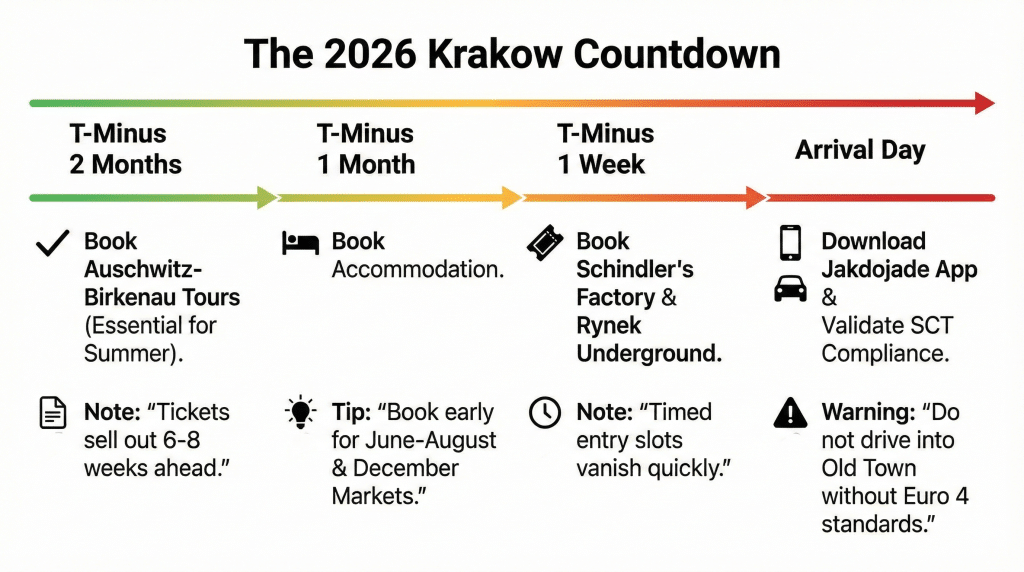
- Extended Auschwitz booking windows (now 1-2 months minimum for summer visits)
- Digital-first ticketing becoming standard at major attractions
Kraków stands apart from other European capitals in a way that’s hard to put into words. Walk through the Main Market Square on an autumn evening, and you’ll witness centuries of history breathing alongside contemporary creative energy. This is a city that refused to simply become a museum of its own past.
Here’s what makes Kraków unique: it’s the only major Polish city that emerged from World War II with its medieval core intact. While Warsaw rebuilt itself brick by brick from photographs and paintings, Kraków’s original Gothic cloth halls, Renaissance courtyards, and fortress walls remained standing. Yet this historical preservation never hardened into nostalgia. Instead, Kraków layered modern ambition, artistic innovation, and bohemian culture onto its medieval foundation, creating something genuinely rare—a destination where 14th-century architecture pulses with 21st-century energy.
After 25 years leading group tours through Central Europe, I’ve watched Kraków evolve without losing its soul. The city attracts travelers seeking authenticity, those willing to move beyond Main Square attractions to discover how this place actually lives. This guide serves that purpose. It covers the essential heritage sites, yes, but focuses primarily on understanding Kraków’s contemporary character, neighborhood nuances, and the unwritten cultural cues that transform you from tourist to insider.
On this page
A quick note on planning: Prices and opening hours are mentioned to help you budget and plan, but they can change often. I always recommend checking the official websites (which I’ll link to) for the most current information before your visit.
Medieval Heritage: A City That Refused to Disappear
The Royal Wawel: Kraków’s Dramatic Centerpiece
Wawel Castle dominates Kraków’s skyline from a 228-meter limestone hill rising sharply from the Vistula River’s bank. This wasn’t accidental positioning. The castle sits at the symbolic heart of Polish royal power, and that sense of consequence still radiates from its walls.
The castle complex evolved across centuries. What you see today blends Gothic fortifications from the 14th century with Renaissance magnificence added by King Sigismund I in the 1500s. The architectural progression tells the story of Poland’s shift from defensive fortress mentality to Renaissance confidence. Sigismund’s additions (particularly the golden-domed Sigismund Chapel) represent one of Poland’s finest architectural achievements. Inside that chapel, Polish royalty rests in crypts carved from limestone, their tombs a physical reminder of medieval kingship.
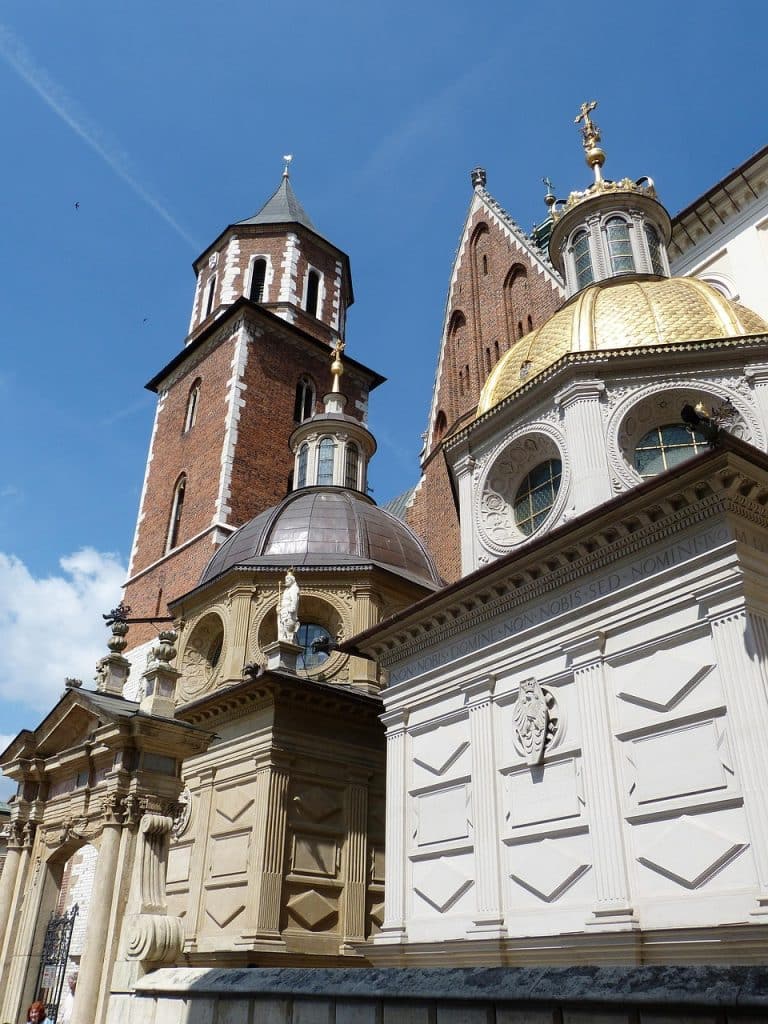
Walking Wawel’s courtyards yourself reveals details no tour fully captures. The Renaissance arcades on the second level create a sense of protected elegance. Stone carvings on building facades mark the passage of different architectural periods. The Dragon’s Den at the base of the hill (a cave system that spawned legends of a fierce dragon that hoarded gold and terrorized Kraków) offers both mythology and geology in one 15-minute tour.

Practical Details:
Wawel operates Tuesday through Sunday, typically from morning to late afternoon, with Monday closures. Expect operating hours to vary seasonally (longer in spring and summer, shorter in fall and winter). Ticket structure allows flexibility: enter castle grounds free, pay separately for State Rooms, Royal Apartments, Crown Treasury, or purchase all-exhibition access.
2026 Digital Ticketing Note: Online booking through the official Wawel Royal Castle website has become the standard and strongly recommended method. Walk-up tickets remain available but face significant queues during peak season.

Visiting Strategy: Arrive before 9 am or after 3 pm to avoid crowds. The climb up the hill is steep and unavoidable. Wear comfortable shoes and accept that this walk demands physical effort. When visiting Europe’s sacred spaces, modest dress (covered shoulders, no shorts) is expected at Wawel Cathedral.
The Main Market Square: Europe’s Most Atmospheric Public Space
The Rynek Główny covers 40,000 square meters, statistically Europe’s largest medieval market square. Statistics, however, completely fail to capture what this space actually feels like. The surrounding buildings create an embrace rather than simply marking boundaries. Forty townhouses and palaces, each with distinct architectural personality, face inward toward the center. They communicate across the square’s expanse in a visual conversation spanning centuries.
The Cloth Hall (Sukiennice) anchors the square’s middle, its arcaded corridors designed for medieval merchants to display goods under shelter. Today those arcades house tourist-oriented shops (not the most interesting retail, admittedly), but step upstairs to the Gallery of Polish Art within the National Museum, where Jan Matejko’s monumental paintings hang, and you recover the hall’s original gravitas. Matejko’s “Battle of Grunwald” painting demands hours of study. Every figure carries specific historical meaning, and the artist’s patriotic intention practically vibrates from the canvas.

The real magic happens in the early morning or late afternoon when Kraków reclaims the square from tourist buses. A grandmother feeding pigeons becomes a meditation on aging in a city transformed. Students sprawl on benches between university classes. Street musicians position themselves strategically, understanding the acoustics the square provides. The energy is alive and unhurried, the exact opposite of rushed tourist photography.
St. Mary’s Basilica commands the square’s eastern edge with two asymmetrical towers that somehow appear perfectly balanced despite their height difference. The shorter tower’s truncation results from a Mongol invasion in 1241 when a trumpeter, spotting enemy approach, sounded the alarm and was struck mid-note. The melody broke and never resumed completion—a historical trauma encoded in music.
That tradition continues. Every hour, from 6 am until 10 pm, a trumpeter plays the Hejnał mariacki (St. Mary’s trumpet call) from the taller tower in four cardinal directions. The five-note melody abruptly ends mid-phrase, exactly as it has since medieval times. Hearing this at noon from the square itself (surrounded by hundreds of tourists simultaneously checking their phones) creates an odd collision between modern distraction and centuries of ritual. The most moving experience isn’t witnessing it from below but standing in the tower yourself, feeling the wind and city noise, understanding the vulnerability of this person broadcasting across a city of 800,000.

Visiting Strategy: Arrive before 8 am for an uncrowded experience. The square’s magic is proportional to how few tour groups occupy it. Breakfast at a surrounding café rather than Main Square terraces offers the same view at half the price and double the comfort. Return after 7 pm for evening light that transforms the buildings into warm stone and shadow.
Rynek Underground: Medieval Life Preserved in Stone
Four meters beneath Main Square runs a museum most visitors miss entirely: the Rynek Underground. Medieval Kraków existed partially below street level, and the museum’s construction in the 2010s excavated actual medieval streets, market stalls, and workshops preserved in stone and artifact.
Walking through these passages feels genuinely archaeological. You’re not in a recreation but in authentic medieval infrastructure—roads smoothed by 800 years of footsteps, still-visible shop layouts where tanners and drapers worked. Holograms of medieval merchants overlay the actual spaces, showing how the market functioned. The technological augmentation could feel jarring, but instead it creates temporal layering (past and present occupying identical space).
The museum spans 6,000 square meters across three levels. Budget 2 to 3 hours rather than rushing through. Read plaques describing the city’s medieval development. Examine the tools, coins, and pottery that reveal daily medieval life—not the dramatic events but the mundane work that sustained cities. The scale of this preservation explains why Kraków feels different from other Central European cities: the medieval infrastructure still exists beneath contemporary streets, and walking here means literally walking atop centuries.
Practical Details:
Tuesdays (except the first Tuesday of each month) typically offer free entry, though crowds increase. For current admission pricing and to check free day schedules, visit the official Rynek Underground page through the National Museum website. Arrive right at opening if visiting on free days.
The Royal Road: Walking Medieval Kraków’s Most Important Route
The Royal Road connects the city’s two poles of power: the Town Hall in Main Square and Wawel Castle. Historically, Polish kings followed this route during coronation processions, transforming its path into sacred geography. Today it’s a walking route that functions as an open-air museum.
The road begins at Town Hall Tower in the market square and proceeds south along Grodzka Street, passing through the Franciscan Church (where contemporary Polish artist Stanisław Wyspiański’s stained glass glows in afternoon light), then St. Michael’s Church, before curving toward Wawel’s defensive walls. The walk takes 15 minutes at a casual pace but reveals layers of architectural history—Gothic, Renaissance, Baroque, and 19th-century eclecticism all appearing within a few blocks.
Walking the Royal Road helps you understand Kraków’s human scale. Nothing is vast or imposing. Instead, the city reveals itself through intimate courtyards, façade details, and narrow passages between buildings. This walkability (the ability to navigate a significant medieval capital on foot) differentiates Kraków from larger European cities that require transit planning to explore their centers.
Modern Energy: Kraków’s Contemporary Pulse
Kazimierz: From Melancholy to Creative Ferment
Kazimierz existed as an independent town for 500 years before Kraków absorbed it in 1791. During the medieval period through the 19th century, it was the center of Polish Jewish life—a “golden age” before Holocaust erasure transformed it into melancholy memorial space. Beginning in the 1990s, young artists, musicians, and entrepreneurs recognized Kazimierz’s deteriorating buildings and low rents as opportunity. The district slowly transformed again, this time into Poland’s most vibrant contemporary cultural hub.
Today Kazimierz concentrates more creative energy per square block than almost any European neighborhood. An estimated 300 clubs, cafés, galleries, and cultural spaces operate within its confines—more cultural infrastructure than districts ten times its size. The transformation didn’t erase Jewish heritage. Instead, contemporary energy layered atop and intertwined with historical memory. Walking Kazimierz means constantly navigating between past tragedy and present vitality.
Szeroka Street forms the district’s heart. Seven surviving synagogues mark historical Jewish communal life. The Old Synagogue, among Europe’s oldest continuously standing Jewish structures, now operates as a museum. Remuh Synagogue preserves its original 16th-century cemetery—a moving space where Jewish tradition meets contemporary Kraków’s multicultural reality. Walking these streets, you encounter facades with visible mezuzah marks (Jewish doorway symbols), colorful street art overlaying centuries-old walls, and neon signs advertising modern venues in buildings that housed medieval prayer.
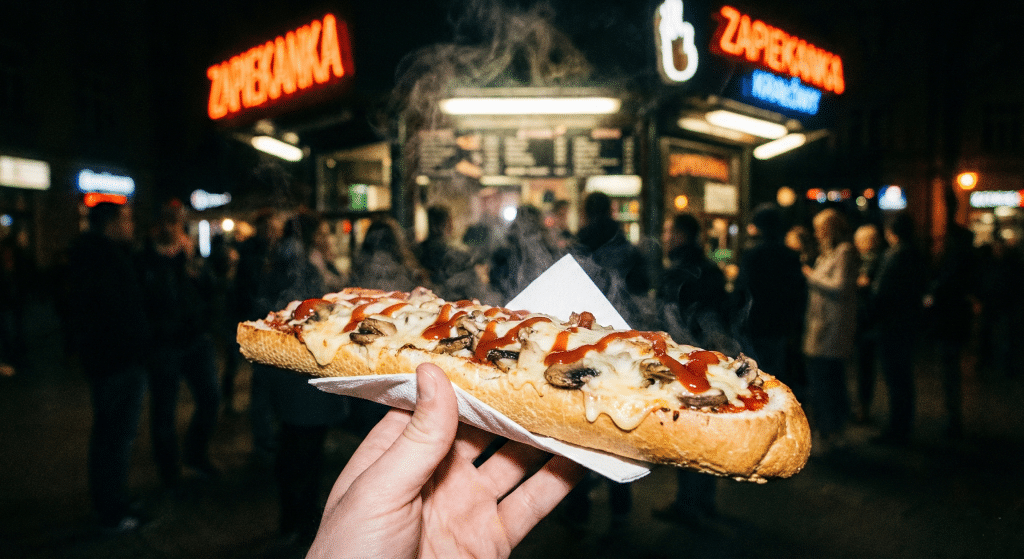
Plac Nowy (New Square) represents Kazimierz’s beating contemporary heart. The square’s structure predates its current use—a 19th-century covered market hall once housed ritual poultry slaughter. Now it’s the nexus of Kazimierz’s food, nightlife, and social energy. The famous zapiekanka stands (open-faced toasted sandwiches with melted cheese, mushrooms, and ketchup) attract crowds nightly. Multiple stands operate around the square’s perimeter, each claiming superiority. Try several. They’re inexpensive and offer insight into how Kraków eats casually.
Practical Details (2026 Pricing):
Zapiekanka typically costs between 20 to 35 PLN depending on toppings and stand location—prices have risen with Poland’s 2024-2025 inflation but remain excellent value. Most stands operate from late morning through late evening. For the freshest experience, visit during peak evening hours (7 pm to 10 pm) when locals gather.
Podgórze: The District Confronting History
Cross Father Bernatek’s Bridge from Kazimierz and you enter Podgórze, a neighborhood forever marked by World War II trauma. The Nazis established the Kraków Ghetto here in 1941, forcing 15,000 Jewish residents into a 20-hectare area (roughly 15 city blocks). The district’s streets witnessed deportations, resistance, and the final liquidation of the ghetto in 1943.
Today Podgórze walks the delicate line between remembrance and contemporary urban life. Ghetto Heroes Square (Plac Bohaterów Getta) preserves this balance most powerfully. In 2005, artists Piotr Lewicki and Kazimierz Łatak installed 33 empty chairs across the square—one for each thousand Jews murdered. The chairs reference the furniture left behind during deportations, objects scattered across emptied apartments. Walking among these bronze chairs creates unsettling emotional impact. They’re simultaneously memorial and public seating, blending past horror with present normalcy in ways that force confrontation with history.
Schindler’s Factory Museum occupies the actual enamelware factory where Oskar Schindler employed and protected over 1,000 Jewish workers. The museum doesn’t focus solely on Schindler’s story. Instead, it chronicles daily life in occupied Kraków from 1939 to 1945, reconstructing streets, apartments, and workplaces through immersive installations. Walking through recreated ghetto interiors, you experience claustrophobic reality of occupation. The museum doesn’t romanticize resistance or simplify moral complexity. It presents ordinary people navigating impossible circumstances, making the history feel immediate rather than distant.
Practical Details:
Schindler’s Factory operates on timed entry tickets that often sell out days in advance. Book through the official museum website (mhk.pl) at least one week before visiting. Allow 2.5 to 3 hours for a complete visit. The museum is emotionally demanding—plan lighter activities afterward.
Planty Park: Kraków’s Green Belt
Planty Park forms a continuous ring of green space surrounding Old Town’s historical core, following the medieval defensive walls’ footprint. When Austrian authorities demolished the city walls in the early 19th century (keeping only fragments for historical preservation), they planted gardens in their place. Today, this 4-kilometer walking loop provides escape from cobblestone streets and tourist crowds.
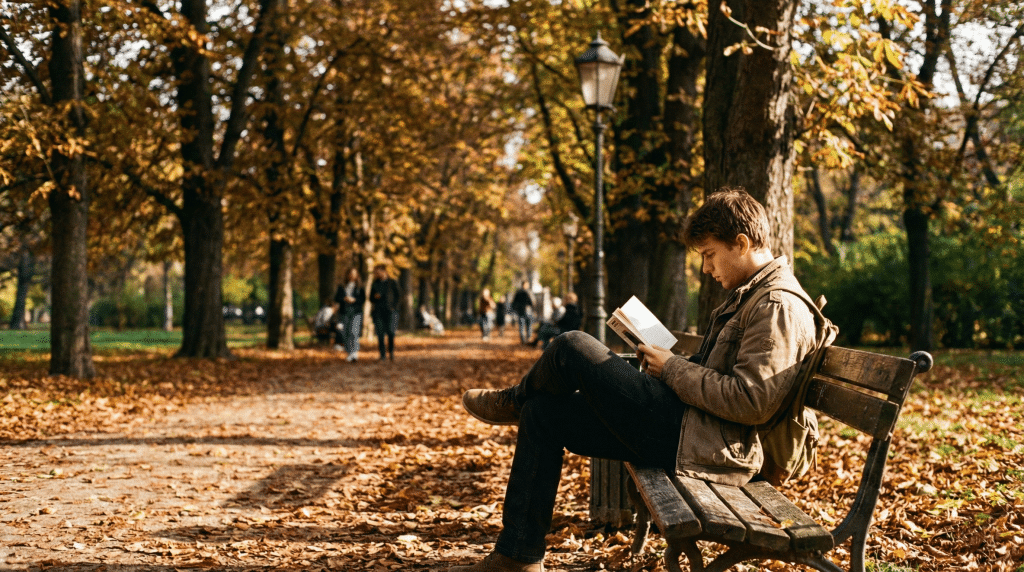
Walking Planty reveals Kraków’s daily rhythm. University students sprawl on benches reviewing notes. Elderly couples take their constitutionals, following familiar routes. Young mothers push strollers, taking advantage of shaded paths. The park functions as communal living room—a space where Kraków residents go to simply exist without commercial transaction or tourist performance.
The walking loop takes about an hour at casual pace, though most visitors experience Planty in shorter sections. Each segment connects to Old Town’s main streets, making it easy to enter and exit. My favorite section runs along the northern edge near Floriańska Gate, where mature chestnut trees create cathedral-like canopy overhead. During autumn, the leaves create a golden carpet underfoot, and the temperature drops enough to make walking genuinely pleasant.
Walking Strategy: Use Planty as connecting route between Old Town destinations rather than viewing it as separate attraction. The park’s purpose is utilitarian beauty—practical green space that happens to be lovely. Early morning walks (before 8 am) offer bird song and dew-covered paths. Evening strolls (after 7 pm) provide cooler temperatures and lamplit atmosphere.
Essential Practical Guidance
Transportation: Navigating Kraków’s Systems (2026 Update)
Kraków’s Old Town and Kazimierz are thoroughly walkable. The distance from Main Square to Kazimierz’s Szeroka Street is roughly 1.5 kilometers—a pleasant 20-minute walk that passes through interesting transitional neighborhoods. However, understanding European public transportation becomes necessary for reaching outlying areas like Nowa Huta, Podgórze’s far edges, or when tired legs demand relief.
Trams form the backbone of Kraków’s public transit. The system operates reliably from early morning through late evening, with reduced service overnight. Tickets cost uniformly regardless of distance traveled. Purchase from yellow machines at tram stops or through the Jakdojade app, which also provides real-time transit updates and route planning.
For current ticket pricing (short-duration and all-day passes), check the official Kraków public transport website (mpk.krakow.pl).
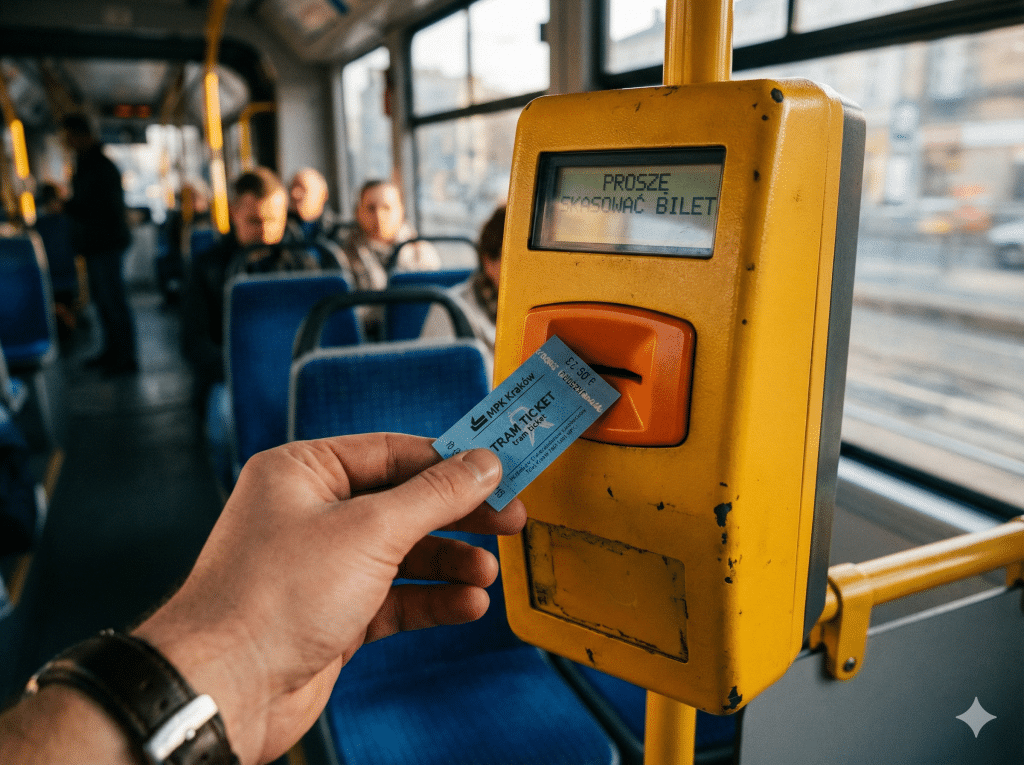
Important validation rule: All tickets must be validated immediately upon boarding. Yellow validation machines sit inside every tram near doors. Insert your ticket and wait for the stamping sound. Ticket inspectors appear frequently and enforce fines strictly—claiming tourist ignorance provides no protection.
Jakdojade App Strategy: Download before arriving. Set English language in preferences. Input your destination, and the app calculates best route combinations, shows real-time tram positions, and displays when next vehicles arrive. The interface is intuitive, and having this tool eliminates transportation anxiety.
2026 Clean Transport Zone (Strefa Czystego Transportu) Warning:
If you’re renting a car, be aware that Kraków strictly enforces Clean Transport Zone restrictions in the city center. Older vehicles (generally those not meeting Euro 4 emissions standards or later) face significant fines for entering the zone. The SCT covers most of Old Town and surrounding areas. Before driving into Kraków’s center, verify your rental vehicle’s compliance. For full details on restricted zones and vehicle requirements, check the official Kraków public transport website or city administration pages.
Practical recommendation: Park at hotels outside the SCT zone and use public transport or walking to explore the center. This avoids both zone violations and the headache of navigating medieval street layouts designed for horses, not cars.
Bolt and Uber operate throughout Kraków with typical ride-sharing convenience. Wait times average 3 to 7 minutes in central areas. Pricing remains reasonable compared to Western European cities, though rates increase during peak hours (Friday and Saturday evenings particularly). Use ride-sharing when carrying luggage, traveling late night, or reaching locations poorly served by trams.
Walking Strategy: The most rewarding way to understand Kraków is walking without specific destination. Getting deliberately lost in the streets radiating from Main Square reveals architectural details, unexpected courtyards, and neighborhood cafés tourists never discover. Carry offline maps (download Maps.me before arriving), wear comfortable shoes, and accept that some days you’ll walk 15,000+ steps without noticing.
Accommodation: Choosing Your Kraków Base
Accommodation location dramatically affects your Kraków experience. The city’s compact size means anywhere within walking distance of Old Town or Kazimierz provides excellent access, but each neighborhood offers distinct character.
Old Town (Stare Miasto): Maximum convenience, highest prices, most tourist density. Staying here places you steps from Main Square, enabling early morning and late evening exploration when crowds thin. However, ground-floor accommodations near bars and clubs mean noise continues until 2 to 3 am on weekends. Request upper floors or courtyard-facing rooms. Budget ranges typically span higher amounts for central locations.
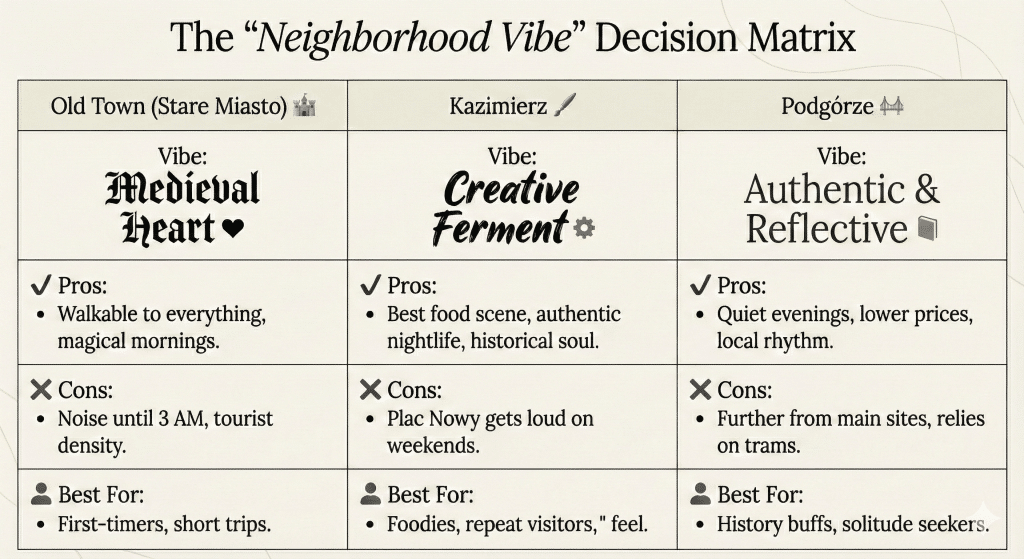
Kazimierz: The sweet spot for most travelers. You’re 15 to 20 minutes’ walk from Main Square but immersed in Kraków’s contemporary cultural energy. Nighttime noise is manageable (though Plac Nowy area gets lively weekends). Apartment rentals outnumber hotels, offering kitchen facilities and local-feeling living spaces. This location allows you to experience Kazimierz’s morning calm before day-trippers arrive.
Stradom (between Old Town and Kazimierz): An underrated middle option. You’re equidistant from both Old Town and Kazimierz, yet removed from heavy tourist traffic. Residential character means quieter evenings and neighborhood restaurants serving locals rather than tour groups.
Podgórze: Emerging neighborhood with developing accommodation infrastructure. Staying here means you’re living in contemporary working Kraków rather than historical tourist district. Trade-off: less immediate access to major sites but more authentic daily rhythm. Best for repeat visitors who’ve exhausted obvious Old Town accommodations.
Practical Booking Strategy: Book at least 2 to 3 months ahead for summer visits (June through August) and Christmas market season (late November through December). Prices drop and availability increases significantly during shoulder seasons (April to May, September to October). Check both Booking.com and Airbnb for neighborhood-specific options, and read recent reviews carefully for noise concerns and accurate location descriptions.
Food Culture: Eating Like Kraków Lives
Kraków’s food culture defies the Eastern European stereotype of heavy, monotonous cuisine. The city’s culinary landscape spans traditional Polish comfort food, contemporary fusion restaurants, and international options reflecting Kraków’s cosmopolitan evolution.
Traditional Polish Restaurants: These establishments serve the classics: pierogi (dumplings), bigos (hunter’s stew), żurek (sour rye soup), and various meat preparations. Quality varies dramatically. Avoid restaurants directly on Main Square (inflated prices, tourist-focused portions, rushed service). Instead, walk 2 to 3 blocks into surrounding streets where locals actually eat.
Milk Bars (Bar Mleczny): Communist-era holdovers that survive through government subsidies, offering extraordinarily cheap, filling Polish food. The experience is authentically utilitarian—cafeteria-style service, minimal English, plastic trays and basic tables. Order by pointing, pay at the register, collect your tray. Expect to spend very little for substantial portions. These aren’t gourmet experiences, but they’re genuinely cultural artifacts. Try pierogi, naleśniki (crepes), or daily soups.
Contemporary Fusion Scene: Kraków’s young chef generation reimagines traditional ingredients through modern techniques. These restaurants occupy the middle ground between tourist-trap polish restaurants and experimental fine dining. Expect seasonal menus, creative plating, and prices reflecting effort without reaching absurd levels.
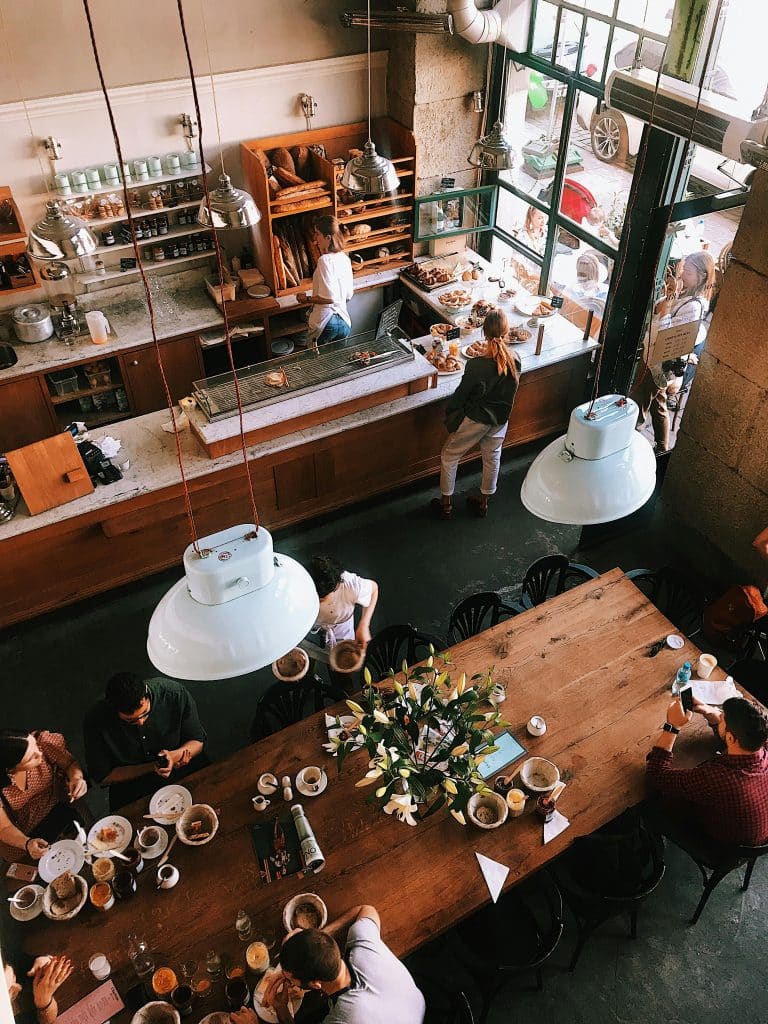
Kazimierz Food Culture: The neighborhood’s restaurant density is staggering. Nearly every building houses a café, restaurant, or bar. Quality ranges from exceptional to mediocre, making online reviews essential. Vegetarian and vegan options are substantially better here than elsewhere in Kraków. Many restaurants operate continuous service (no awkward closed periods between lunch and dinner), and later kitchens (food available until 10 to 11 pm).
Practical Dining Details:
For current menu pricing at recommended restaurants, check their official websites or Google Maps listings, which often include recent photos of menus. Expect main courses at traditional restaurants to typically range from moderate to higher amounts, depending on location and establishment type.
Tipping Culture: 10% is standard and appreciated but not automatically added to bills. Poles tip less than Americans but more than it appears. Round up small bills; add 10% to larger ones. Card tipping is awkward (some terminals don’t offer tip options), so carrying cash specifically for tips makes the process smoother.
Reservation Strategy: Popular restaurants in Kazimierz and upscale establishments require reservations, especially Thursday through Saturday evenings. Book 2 to 3 days ahead during high season. Google Maps often links to reservation systems or provides restaurant phone numbers.
Deep Dive: Auschwitz-Birkenau Memorial
Why This Demands Separate Discussion
Auschwitz-Birkenau exists outside normal tourism categories. This isn’t a historical site you “visit” like a castle or museum. It’s a place of mass murder, a preserved crime scene, and a memorial to systematic genocide. The site’s existence forces confrontation with humanity’s capacity for industrialized cruelty, and that confrontation is psychologically demanding in ways no guide can fully prepare you for.
I’ve accompanied hundreds of travelers to Auschwitz over 25 years. The experience never becomes routine. Each visit carries weight, and witnessing how people process what they see remains profound. This section provides practical guidance, but more importantly, it attempts to prepare you emotionally for what witnessing this place actually feels like.
Understanding the Two Camps
Auschwitz I (the original camp) was established in 1940 as a detention center for Polish political prisoners. The site evolved into the administrative heart of the entire Auschwitz complex. This is where you see the infamous “Arbeit Macht Frei” gate, the brick barracks now converted to museum exhibitions, and preserved evidence of medical experiments, torture, and murder.
Auschwitz II-Birkenau (the death camp) opened in 1942 specifically for industrial-scale genocide. This is where the majority of murders occurred—primarily through gas chambers designed to kill efficiently. The scale of Birkenau is staggering: 175 hectares (432 acres) of camp infrastructure, wooden barracks stretching in disciplined rows, the railway platform where selections occurred, and the ruins of destroyed gas chambers and crematoria.
Visiting both locations is essential for understanding the full scope. Auschwitz I provides detailed documentation and preserved artifacts. Birkenau communicates through massive empty space and the remnants of infrastructure designed for murder.
Guided Tours: Necessary, Not Optional
Independent visits to Auschwitz are possible but not recommended, especially for first-time visitors. The site’s emotional weight combined with its physical size makes guided interpretation essential for meaningful understanding. Licensed guides provide historical context, explain architectural and operational details, and pace the experience in ways that allow emotional processing.
Official Museum Tours: Book directly through the Auschwitz-Birkenau Memorial and Museum website (auschwitz.org). Tours typically last 3.5 to 4 hours covering both Auschwitz I and Birkenau. Guides speak multiple languages, and group sizes are capped.
2026 Booking Advisory: Book at least 1 to 2 months in advance for summer visits (June through August). Tourism numbers remain high in 2026, and tours frequently sell out 6-8 weeks ahead during peak season. Winter and shoulder season visits offer more flexibility but still benefit from 2-3 week advance booking.
Private Tours from Kraków: These combine transportation and guiding in single package. Companies pick you up from Kraków accommodations, drive the 70 kilometers to Auschwitz, provide guided tours, and return you to Kraków. This convenience comes at higher cost but eliminates logistics stress. Verify the tour company employs officially licensed guides rather than unqualified drivers narrating.
Practical Details:
For current tour pricing and booking availability, check the official Auschwitz-Birkenau Memorial website. Tours from Kraków typically include transportation and guidance for extended durations.
Emotional Preparation: This isn’t optional soft advice. Auschwitz demands psychological resilience. You’ll see preserved human hair, children’s shoes, prosthetic limbs, and personal belongings taken from victims. You’ll walk through gas chambers where hundreds of thousands died. You’ll stand on the railway platform where families were separated forever. The cumulative emotional impact is substantial, and many people experience crying, nausea, anger, or emotional numbness.
What to Bring:
- Comfortable walking shoes (you’ll walk several kilometers across both sites)
- Weather-appropriate clothing (much of Birkenau tour is outdoors)
- Water (allowed and necessary, especially summer)
- Small bag only (large bags not permitted inside barracks)
What NOT to Bring:
- Inappropriate clothing (no shorts, short skirts, tank tops—respect the memorial nature)
- Inappropriate behavior (no selfies, no smiling photos, maintain quiet conversation)
- Food (not allowed inside barracks or exhibition spaces)
Time Requirements: Budget an entire day for this experience. Most organized tours from Kraków span 6 to 7 hours including travel time. Don’t schedule other significant activities afterward. The psychological exhaustion is real, and attempting to transition immediately into normal tourism feels disrespectful and emotionally jarring.
After Auschwitz: Processing the Experience
Return to Kraków quietly. Many people need time alone to process what they’ve witnessed. Others find talking with fellow travelers helpful. Neither response is wrong. Some suggestions for post-Auschwitz evening:
- Walk Planty Park alone, letting the quiet green space provide counterpoint to Auschwitz’s concrete horror
- Find a quiet café and journal about what you saw and felt
- Return to your accommodation and rest—emotional exhaustion is real physical fatigue
- If traveling with companions, consider a simple dinner where conversation can flow naturally without forced cheerfulness
Don’t expect immediate profound insight. Auschwitz’s meaning often settles in days or weeks later, and that delayed processing is normal. The experience changes how you understand history, human nature, and moral responsibility—but those changes unfold gradually rather than emerging in one epiphanic moment.
Wieliczka Salt Mine: Underground Marvel
Historical and Geological Wonder
The Wieliczka Salt Mine operated continuously for over 700 years (from the 13th century until 2007), making it one of the world’s oldest industrial enterprises. Miners excavated 300 kilometers of tunnels spanning nine levels, reaching 327 meters underground. Salt extraction fueled Polish royal wealth, funded wars, and built cities—including significant portions of medieval Kraków.
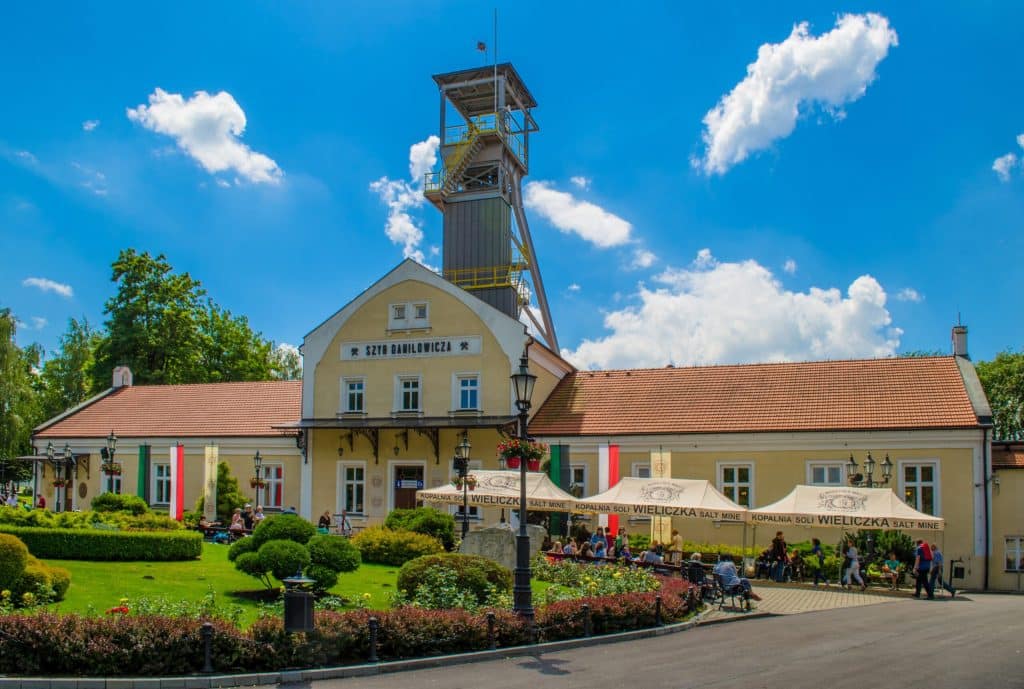
Today, the mine operates as a UNESCO World Heritage Site and tourist attraction. The tours descend to the third level (135 meters underground) through a section of tunnels converted for public access. You’ll see underground chapels carved entirely from salt, massive chambers where miners worked, salt lakes reflecting chapel lighting, and sculptures depicting mining history.
For a detailed guide read my Wieliczka Salt Mine: A Journey into Poland’s Underground Wonder
The Chapel of St. Kinga: Underground Cathedral
The mine’s centerpiece is the Chapel of St. Kinga, an underground church carved entirely from salt rock between 1896 and 1927. Every element—the altar, chandeliers, floor tiles, bas-relief sculptures of biblical scenes—is salt. Even the air you breathe tastes faintly mineral.
The chapel’s scale is staggering: 54 meters long, 15 to 18 meters wide, 12 meters high. Miners created this while working their regular shifts, carving during breaks and after hours as devotional labor. The achievement represents more than technical skill. It’s an expression of faith, community, and the human need to create beauty even in darkness.
Standing in St. Kinga’s Chapel produces an unusual emotional response. The underground location removes you from surface world completely. The salt walls glisten in dim lighting. Statues of saints seem to emerge from stone rather than sit upon it. The space feels simultaneously human-made and cave-ancient, artificial and geological.
Practical Tour Information
Wieliczka sits 15 kilometers southeast of Kraków’s center. Most visitors combine the mine with Auschwitz in single-day tours organized from Kraków, though splitting these across separate days provides better pacing.
Access Options:
Organized Tours: Same companies offering Auschwitz tours typically include Wieliczka in extended day trips. These tours handle transportation, tickets, and timing.
Public Transport: Take a train from Kraków Główny station to Wieliczka Rynek-Kopalnia (approximately 30 minutes, trains run hourly). From Wieliczka station, walk 10 minutes or take local bus to mine entrance. Book tickets in advance through the official Wieliczka Salt Mine website (kopalnia.pl).
Tour Requirements: All mine visits are guided only (no independent wandering for safety reasons). Tours last approximately 2.5 to 3 hours. Expect to walk about 3.5 kilometers underground, descending and climbing over 800 stairs total. The environment maintains constant cool temperatures year-round.
Practical Details:
For current ticket pricing and tour availability, check the official Wieliczka Salt Mine website. Tours typically accommodate various group sizes and operate in multiple languages.
Physical Demands: This is genuinely strenuous. While you take an elevator back to the surface at the end, there is no elevator down. You must be physically capable of descending 380+ stairs to start the tour and walking 3.5 kilometers total underground. If you have knee, hip, or cardiovascular conditions, carefully consider whether this descent and distance is manageable. The tour doesn’t accommodate wheelchairs or limited mobility visitors.
Bring:
- Comfortable walking shoes with good grip (salt-carved stairs can be slippery)
- Light jacket (underground temperature stays cool regardless of surface weather)
- Camera (photography allowed throughout, unlike Auschwitz)
- Water (allowed and recommended given physical demands)
Three-Day Kraków Itinerary
This itinerary provides structure while allowing spontaneity. Treat it as framework rather than rigid schedule. The best Kraków experiences often come from deviating when something interesting appears.
Day One: Medieval Core and Old Town
Morning (8 am to 12 pm):
Start in Main Market Square before tour groups arrive. The transformation from empty morning calm to midday crowd surge is dramatic—witnessing both shows you Kraków’s dual nature. Walk the perimeter, examining individual buildings’ architectural details. Enter St. Mary’s Basilica when it opens (the interior’s medieval altarpiece rivals anything in Europe). Climb the Town Hall Tower if open for panoramic city views.
Walk the Royal Road from Main Square to Wawel. Stop at Franciscan Church to see Wyspiański’s stained glass (the building is usually quieter than St. Mary’s and equally beautiful). Continue to Wawel, arriving before 10 am if possible.
Explore Wawel Castle courtyards, visit the cathedral, and enter at least one exhibition (State Rooms provide best value for time invested). Descend to Dragon’s Den if crowds aren’t overwhelming.
Midday (12 to 2 pm):
Lunch near Wawel in the streets south of the castle (away from Main Square prices). This neighborhood contains good restaurants serving locals rather than tourists. Walk Planty Park’s southern section afterward, letting the green space provide transition.
Afternoon (2 to 5 pm):
Visit Rynek Underground (book timed entry ticket in advance). Spend 2 to 3 hours understanding medieval Kraków’s physical infrastructure. Emerge back into Main Square and experience how medieval/contemporary layers interact.
Walk through Cloth Hall galleries, even if you don’t buy souvenirs. The arcade atmosphere captures something essential about market culture. Visit the Gallery of Polish Art upstairs if interested in 19th-century painting.
Evening (6 pm onwards):
Dinner in Old Town neighborhood streets rather than Main Square itself (prices drop significantly within 2 to 3 blocks). Walk evening Planty Park sections—lamplights create compelling atmosphere. Return to Main Square for evening trumpet call from St. Mary’s tower, experiencing the ritual with evening lighting.
Day Two: Auschwitz-Birkenau and Wieliczka Salt Mine
Full Day (6 am to 6 pm typically):
Book a combined guided tour with pickup from your Kraków accommodation. Tour structure varies but typically includes:
- Auschwitz Main Camp (3 hours with guide)
- Lunch break (1 hour)
- Birkenau (1 to 1.5 hours)
- Transit to Wieliczka Salt Mine (1 hour)
- Underground tour (2.5 hours)
- Return to Kraków
Emotional Note: This is genuinely exhausting. Both locations demand psychological and physical energy. Tour guides pace the experience, but you’ll feel drained. Allow evening to rest rather than scheduling additional activities.
Evening:
Light dinner, rest at accommodation. Don’t attempt nightlife after this day. Read, journal, or simply decompress. The day’s emotional weight needs processing time.
Day Three: Kazimierz and Contemporary Kraków
Morning (9 am to 12 pm):
Walk to Kazimierz (20 minutes from Old Town or take tram). Begin at Szeroka Street, understanding the Jewish heritage sites. Visit Old Synagogue museum if interested in deeper historical context. Wander courtyards between Szeroka and Józefa Streets—this is where Kraków’s contemporary creative energy pulses.
Midday (12 to 1:30 pm):
Try zapiekanka at Plac Nowy. Multiple stands exist—sample different versions if hungry enough. Grab coffee at Singer Café or similar establishment. Observe how locals use Kazimierz spaces rather than rushing to next planned activity.
Afternoon (2 to 5 pm):
Explore Kazimierz’s galleries, boutique shops, bookstores. Visit Alchemia for afternoon coffee (the interior is wonderfully atmospheric). If interested in World War II history beyond Auschwitz, cross Father Bernatek’s Bridge to Podgórze, visit Schindler’s Factory Museum (book advance tickets), and see Ghetto Heroes Square memorial chairs.
Evening (6 pm onwards):
Dinner at a Kazimierz neighborhood restaurant (ask accommodation hosts for current recommendations, as restaurants change frequently). Afterward, experience the district’s nightlife—bars fill between 9 and 10 pm, creating genuinely social atmosphere rather than tourist performance. This is where Kraków’s contemporary identity reveals itself most clearly.
Where to Go Next: Exploring More of Poland
After experiencing Kraków, consider exploring other Polish destinations that offer different perspectives on the country’s character:
Poznań: A western Polish city with its own unique identity, famous for its daily goat tradition at the town hall, beautiful Old Market Square, and distinctive regional cuisine including the beloved St. Martin’s croissants.
Warsaw: Poland’s rebuilt capital tells a story of resilience. The reconstructed Old Town (rebuilt from photographs after WWII destruction) stands as testament to Polish determination to preserve cultural identity.
Gdańsk: The Baltic port city where Solidarity movement began, offering maritime history, amber museums, and stunning waterfront architecture.
Wrocław: The “Venice of Poland” with its island-filled river layout, colorful facades, and charming dwarf statues scattered throughout the city.
For broader context on traveling throughout Poland, see the comprehensive Poland Travel Guide: Beyond the Guidebooks in the Heart of Europe.
Conclusion: Beyond the Main Square
Kraków’s greatest gift to travelers is its refusal to remain static heritage site. The city continues evolving—Podgórze develops, Kazimierz transforms, young artists reshape cultural possibilities. These transformations honor medieval heritage by building upon it rather than merely preserving it.
Walking Kraków means constantly experiencing temporal layering: medieval architecture hosting contemporary cafés, Renaissance courtyards accessing modern apartments, fortress walls bordering contemporary art galleries. The city communicates across centuries, each period adding to rather than replacing what preceded it.
This guide provides structure for independent exploration. But the genuine discoveries happen between these recommendations—in courtyards you discover by getting lost, conversations with locals who recognize your Polish effort, random galleries hosting exhibitions you didn’t plan to see, quiet squares where tourists haven’t yet discovered. The best Kraków experiences come from slow observation, genuine curiosity about how people actually live here, and willingness to sit in cafés for hours sipping single coffee while watching neighborhood life unfold.
Come to Kraków prepared to walk, to get deliberately lost, to sit still and observe, and to let the city reveal itself at its own pace rather than yours. The medieval stones will still be here centuries from now. Your time to experience them is limited. Make it count.
Dzień dobry, and welcome to Kraków.
Frequently Asked Questions
What do I need to know before visiting Kraków in 2026?
In 2026, travelers to Kraków must plan for adjusted pricing due to inflation (zapiekanka now 20-35 PLN) and strict Clean Transport Zone restrictions for drivers. Experts recommend booking Auschwitz tours 1-2 months in advance and utilizing digital ticketing for Wawel Castle to avoid queues.
How much time do I need in Kraków?
Three full days allow you to experience Old Town, Kazimierz, and essential day trips (Auschwitz and Wieliczka) without rushing. Four to five days enable deeper neighborhood exploration, museum visits, and discovering Kraków’s contemporary culture beyond tourist sites.
Is Kraków walkable, or do I need public transport?
The historic center and Kazimierz are thoroughly walkable—expect to cover 10,000 to 15,000 steps daily. Use trams for reaching outlying neighborhoods like Nowa Huta or Podgórze’s far edges, or when weather makes walking unpleasant.
Do I need to speak Polish to visit Kraków?
English is widely spoken in tourist areas, restaurants, and hotels. Learning basic Polish phrases (dzień dobry, dziękuję, przepraszam) shows respect and improves interactions with locals, especially in neighborhood establishments outside Old Town.
When is the best time to visit Kraków?
Late spring (May to June) and early autumn (September to October) offer ideal weather, fewer crowds than summer, and lower accommodation prices. Avoid July and August unless you enjoy peak tourist season. December Christmas markets create magical atmosphere but bring cold weather and crowds.
How expensive is Kraków compared to Western Europe?
Significantly cheaper overall. Expect to pay roughly 50 to 70% less than comparable Western European cities for accommodation, food, and entertainment. Main Square tourist traps charge Western prices, but stepping 2 to 3 blocks away reduces costs substantially.
Should I book Auschwitz tours in advance?
Absolutely yes. In 2026, tourism numbers remain high and tours sell out 1 to 2 months ahead during peak season (June through August). Book directly through the official Auschwitz-Birkenau Memorial website or through reputable Kraków tour operators at least 4 to 6 weeks before your visit date.
Is Kraków safe for solo travelers?
Very safe. Standard European urban precautions apply (watch belongings in crowded areas, avoid empty streets late night), but Kraków maintains low crime rates. Solo female travelers report feeling comfortable walking evening Old Town and Kazimierz streets.
What’s the best way to get from the airport to the city center?
Kraków Airport (Balice) sits 15 kilometers west of Old Town. Options include: train service directly to Kraków Główny station (fastest and cheapest), airport buses to Main Square area, or ride-sharing services (Bolt, Uber). For current pricing and schedules, check the official Kraków Airport website.
Can I use my rental car in Kraków’s Old Town?
Can I use my rental car in Kraków’s Old Town? Not recommended. The 2026 Clean Transport Zone (Strefa Czystego Transportu) strictly restricts older vehicles from entering the city center, and medieval streets weren’t designed for modern cars. Park at hotels outside the SCT zone and use public transport or walking to explore the center. For zone details, see the official Kraków public transport website.
Practical Resource Links
Transportation & Booking:
- Jakdojade App: Real-time transit updates, route planning, digital ticket purchasing
- Koleo: Polish train booking platform for intercity travel
- Bolt/Uber: On-demand ride-sharing throughout Kraków
Museum & Attraction Information:
- Wawel Royal Castle: Current hours, ticket prices, exhibition details
- Auschwitz-Birkenau Memorial and Museum: Official tour booking, educational resources
- Schindler’s Factory: Timed entry tickets, exhibition information
- Wieliczka Salt Mine: Tour schedules, ticket purchasing, accessibility details
- National Museum branches: Multiple locations across Kraków
Current Information:
- Official Kraków Tourism: Festival calendars, current events, updated visitor information
- Kraków Public Transport: Ticket prices, route maps, service updates, Clean Transport Zone details
Offline Resources:
- Maps.me: Download Kraków offline maps before arriving for navigation without data
- Museum Free Day Schedules: Various museums operate different free days—check individual websites when planning visits
Explore more Central European destination guides and insider travel strategies at Pieterontour.com, where every journey is designed to help you experience Europe the way locals actually live it.