
The Hybrid Travel Strategy: How to Combine Guided and Independent Travel
This guide is for travelers who want both the expertise of professional guides and the freedom to explore on their own terms—here’s how to strategically combine both approaches for richer European experiences.
The choice between guided tours and independent travel doesn’t have to be binary. After two decades leading tours across Europe, I’ve watched the line between these approaches blur beautifully. Technology has made solo exploration easier, while tour companies have evolved to offer genuine flexibility within their itineraries. This convergence creates opportunities that simply didn’t exist when I started in this business.
The travelers I most enjoy working with understand something essential: the goal isn’t choosing between structure and freedom, but knowing when each serves you best. Sometimes you want an expert explaining why specific Gothic details matter to Hungarian identity. Other times, you want three uninterrupted hours in a Viennese coffeehouse with nothing but a book and your thoughts.
Let me show you how to combine both.
Why Hybrid Travel Makes Sense Now
Modern travel infrastructure supports mixing styles in ways that would have seemed impossibly complicated even ten years ago. Quality escorted tours now alternate major sights with relaxed windows of free time, giving you space to wander, linger at a café, or pursue your own interests. Meanwhile, independent travelers can seamlessly book expert guides for specific experiences through platforms that didn’t exist when I first started guiding.
The rigid either-or mentality has given way to something more nuanced and ultimately more satisfying. You’re not locked into someone else’s vision of how travel should work. For a comprehensive exploration of the trade-offs between these approaches, see my complete guide: Guided Tours vs Independent Travel: A Tour Director’s Honest Perspective.
Three Core Approaches Worth Considering
Bookending Independence with Structure
One pattern I see working beautifully involves starting or ending a longer independent journey with a guided tour. You might arrive in Central Europe for a week-long tour through Vienna, Prague, and Budapest, absorbing the history, understanding the geography, getting your bearings. Then you spend additional weeks exploring independently with that foundation firmly in place.
This works particularly well for travelers new to a region. The tour provides essential context and confidence. You learn what interests you most, where you’d like to return, and how the pieces fit together. From there, you can dive deeper into whatever captured your imagination, armed with better knowledge and local recommendations.
How this looks in practice:
Book a 7-10 day guided tour as your introduction to Central Europe
Add independent days before the tour starts to recover from jet lag and explore your starting city
Schedule additional independent time after the tour ends in destinations that particularly interested you
Use insights from your tour director to inform your independent exploration
Many tour companies facilitate this approach through official extension packages. several, for instance, offer Independent Tours where they arrange hotels, daily breakfasts, some guided sightseeing, and transportation between cities, but leave plenty of free time for personal exploration. These serve as excellent transitions between fully guided and fully independent segments.
Real example: Start with 3 independent days in Prague exploring the Old Town and getting oriented. Join a 7-day guided tour covering Prague, Vienna, and Budapest. Finish with 4 independent days in Budapest revisiting the Castle District and exploring neighborhoods that captured your attention during the tour.
The Sandwich Strategy: Independent Time Between Structured Segments
Rather than bookending, some travelers find that inserting independent time between two shorter tours creates the perfect balance. This works beautifully when you want extensive coverage of a region but need breathing room in the middle to process experiences and explore at your own pace.

Real example: Book a 5-day tour through the Czech countryside and Prague. Spend 3-4 independent days in Vienna exploring coffeehouse culture and museums at your leisure. Finish with a 5-day tour through the Austrian Alps and Salzburg. This approach gives you comprehensive coverage with built-in flexibility exactly when you need it.
The key advantage here is that you’re never fully independent for long enough to feel overwhelmed, but you’re also never locked into structure for so long that you lose spontaneity. The independent segment serves as a palate cleanser between two distinct regional experiences.
Strategic Guided Experiences Within Independent Journeys
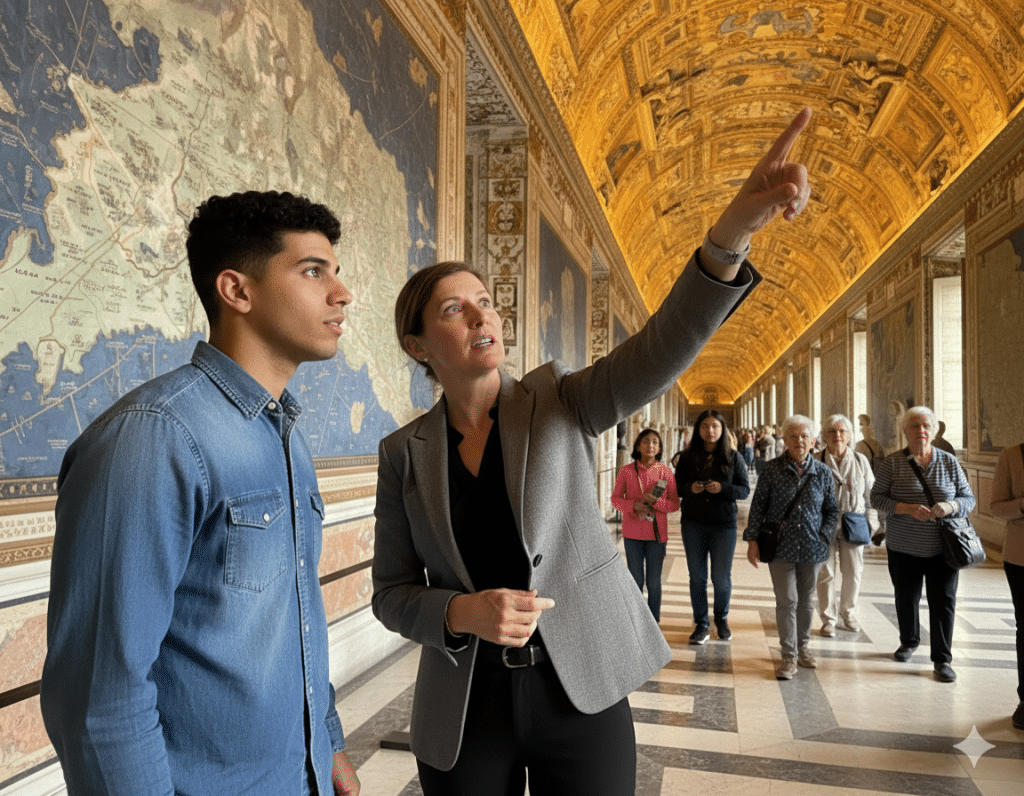
Rather than joining multi-day tours, this approach involves handling most travel independently while hiring local guides for specific experiences that genuinely benefit from expertise. You spend a week in Prague on your own, but book a private guide for a deep dive into Jewish Quarter history. You explore Vienna independently, but join a small food tour to understand coffeehouse culture. You navigate Budapest solo, but hire a guide to explain the Castle District’s complex Hungarian history.
This selective approach lets you maintain flexibility and budget control while accessing expertise precisely where it adds the most value. The key is identifying which experiences genuinely transform with professional guidance versus which you can explore effectively on your own.
Experiences worth booking guides for:
Complex historical sites where context transforms the experience—the Prague Jewish Quarter, Buda Castle District, Vienna’s Hofburg Palace
Culinary deep dives that open doors to authentic local experiences—Budapest’s ruin pub culture, Viennese coffeehouse traditions, Czech beer halls
Museum tours where expert commentary reveals details you’d otherwise miss—the Kunsthistorisches Museum, Hungarian National Gallery
Destinations with significant language barriers where a guide bridges communication gaps—rural Hungary, Slovakia’s countryside
Experiences typically better done independently:
General city exploration where wandering reveals unexpected discoveries
Neighborhood cafés and restaurant hunting
Repeat visits to sites you want to experience at your own pace
Shopping and personal errands
Where to find quality private guides:
For the specialized experiences I mentioned—Jewish Quarter tours, food culture deep dives, and historical site interpretation—you’ll want guides who bring genuine passion and expertise. These aren’t the general city tour guides you’ll find everywhere, but specialists who’ve devoted themselves to particular aspects of Central European culture.
The best source for these “passion tours” are platforms that vet their guides carefully. ToursByLocals connects you with independent local guides for fully private experiences. GetYourGuide’s “Originals” category features curated experiences with exclusive access. Withlocals focuses specifically on authentic connections with residents who share their culture through food and experiences.
For more detailed guidance on identifying these specialized tours versus standard sightseeing options, see my guide Beyond the Big Bus: Alternative Tour Styles Explained.
Booking platforms to know:
- GetYourGuide offers curated experiences with strong quality control and unique Originals tours with exclusive access
- Viator provides the widest selection globally, particularly strong for off-the-beaten-path destinations
- ToursByLocals connects you with independent local guides for fully private experiences
- Withlocals focuses on authentic connections with residents who share their culture through food and experiences
A half-day tour with a private guide typically costs around €100-300, and guides generally don’t charge per person, making this surprisingly affordable when traveling with companions. In Central and Eastern Europe, hourly rates average around €40-80 depending on the city, offering exceptional value for specialized expertise.
Tours with Built-In Free Time: The “Tour Lite” Approach
Modern tour companies have evolved to offer structured mornings with free afternoons and evenings for independent exploration. This balance works particularly well in cities where your tour director handles the logistical complexity of getting between destinations and provides historical context at major sites, but you retain freedom to explore neighborhoods, choose restaurants, and pursue personal interests.

These “Tour Lite” options sit somewhere between traditional escorted tours and fully independent travel. Companies like Monograms, for instance, provide hotels, some guided experiences, and local hosts in each city, but leave substantial time for personal exploration. For a detailed comparison of how these differ from traditional tours in structure, pricing, and flexibility, see Beyond the Big Bus: Alternative Tour Styles Explained.
How to identify these tours:
- Read detailed daily itineraries before booking—look for phrases like “afternoon at leisure” or “free evening”
- Check if the tour explicitly mentions optional excursions, which indicate built-in flexibility
- Look for smaller group sizes (typically 12-24 travelers), which usually allow more personalization
- Ask the tour company directly about the balance between structured and free time
On this page
Matching Strategy to Destination
Not every destination benefits equally from each hybrid approach. Understanding where guided expertise adds genuine value versus where independence creates magic helps you allocate your resources wisely.
Where Guided Elements Add Most Value
Destinations with significant language barriers benefit enormously from professional guidance. In rural Hungary or Slovakia, few people speak English, and navigating restaurants, asking directions, and understanding museum displays becomes genuinely challenging without help. A guide bridges communication gaps, saves time, and ensures accurate understanding.
Complex historical or cultural sites transform entirely with expert interpretation. The Castle District in Budapest means far more when a guide explains why specific towers matter to Hungarian identity, the story of the Turul bird, and the lived experience of Ottoman occupation. Without this context, you’re seeing buildings rather than understanding their significance.
Logistically challenging itineraries covering multiple countries in limited time often justify guided structure. Coordinating hotels, transportation, museum reservations, and timing across Vienna, Prague, and Budapest independently requires significant research. Tours handle this complexity, letting you focus on experience rather than logistics.
Places with limited tourism infrastructure, where independent travelers might struggle to find suitable accommodation, transportation, or dining options, often work better with some professional guidance.
Where Independence Shines
Major Western European cities with excellent tourist infrastructure, widespread English, and clear public transportation systems are ideal for independent exploration. Cities like Vienna, Prague, and Budapest have mature ecosystems supporting solo travelers—extensive metro systems, abundant accommodation options, and countless resources for self-guided discovery.
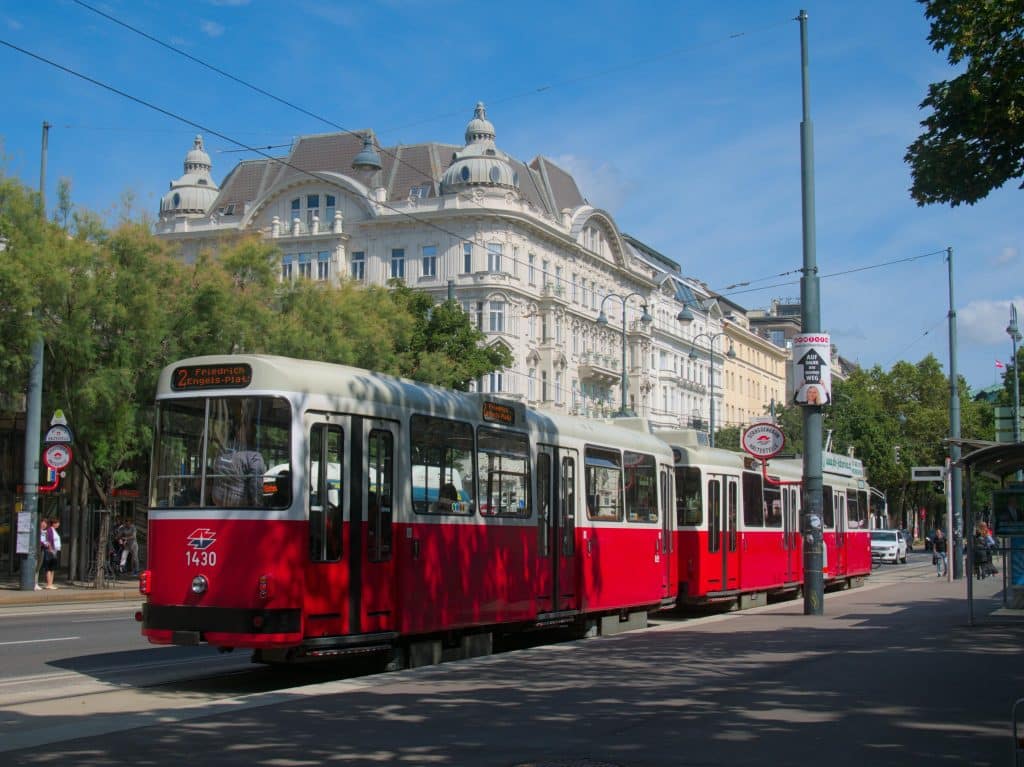
Destinations where wandering reveals unexpected treasures reward flexibility that structured tours can’t provide. Some of the most memorable travel moments come from stumbling into village festivals, spending entire afternoons in cafés watching cities move past, or taking wrong turns that lead to hidden galleries.
Longer stays in single locations where you want to develop rhythms and discover neighborhood spots benefit from independence. Living in a place for a week rather than passing through in two days lets you experience destinations beyond their tourist highlights.
Making This Work Practically
Before Your Trip
Research which segments benefit from each approach. Map your destinations against the criteria above—where does expertise add genuine value? Where would structure feel restrictive?
Book guided elements early, especially for popular tours that fill up (Vatican early-morning access, Anne Frank House, etc.), private guides in destinations where quality varies significantly, and tour extensions that require coordination with your main itinerary.
Leave independent segments flexible. Book refundable accommodations where possible to preserve your ability to adjust based on discoveries during your trip.
Prepare backup options. Download apps like GetYourGuide and GPSmyCity before departure so you can spontaneously book day tours or access self-guided walking tours even without reliable wifi.
During Your Trip
Use tour directors as resources beyond guiding. The best directors maintain extensive networks of restaurant recommendations, neighborhood tips, and insights into local life. Ask for suggestions during your free time segments—we can point you toward experiences you’d never find in guidebooks.
Join free walking tours for orientation when arriving in new cities independently. These tip-based tours provide historical context, orientation to city layout, and opportunities to meet other travelers while maintaining complete flexibility.
Leverage last-minute booking platforms when opportunities arise. Many activities on GetYourGuide and Viator offer instant confirmation. If you discover an interest during your trip—a particular artist’s work, a cuisine you want to explore deeper—you can often book relevant experiences within hours.
Build buffer time between guided and independent segments. Arriving a day before your tour begins prevents travel disruptions from causing you to miss departure. Similarly, independent days after tours end let you revisit places that captured your imagination without group schedule constraints.
Navigating the “Drop-Off Shock”
One aspect of hybrid travel that catches people off guard is what I call the “drop-off shock”—that jarring moment when your tour ends and you suddenly shift from having everything handled to managing everything yourself.
For seven days, your tour director coordinated hotels, arranged transportation, secured restaurant reservations, and solved problems before you even noticed them. Then suddenly you’re standing in a hotel lobby in Budapest, the tour coach has departed, and you’re entirely on your own. This transition can feel more disorienting than you’d expect.
How to smooth this transition:
- Book your first post-tour hotel before the tour ends, ideally during a free afternoon when you can physically visit the location
- Make a dinner reservation for your first solo evening—having one thing planned reduces the “now what?” paralysis
- Ask your tour director for specific neighborhood recommendations during the tour’s final days
- Keep the tour company’s emergency contact information for at least 24 hours after departure in case you encounter issues
- Give yourself a full “decompression day” after the tour ends before launching into ambitious independent plans
The reverse transition—joining a tour after independent travel—tends to be easier because you’re gaining support rather than losing it. But even here, arriving a day early ensures you’re not rushing to meet the group after navigating trains and finding your hotel on your own.
Balancing Budget Considerations
Here’s a truth about hybrid travel that often surprises people: it can actually be the most expensive approach if you’re not strategic about it.
Full tours achieve significant economies of scale on hotels, admissions, and transportation. Budget backpackers save money through hostels, self-catering, and budget airlines. Hybrid travelers can end up paying tour prices for some segments while missing the bulk discounts, then paying moderate independent prices without accessing the deep budget options.
The budget warning:
- Tours typically cost €200-300 per day including most expenses
- Independent mid-range travel runs €150-250 per day
- But hybrid travel can push toward €250-350 per day because you’re paying premium prices without full economies of scale
The key is being intentional about which segments justify guided structure and which don’t. Use tours for logistically complex or expensive regions where their bulk buying power actually saves you money. Handle simpler destinations independently where your research and flexibility can beat tour efficiency.
For a detailed breakdown of what tours versus independent travel actually cost, including hidden expenses, regional variations, and money-saving strategies that work specifically in Central and Eastern Europe, see my Real Cost of Traveling Europe Guide.
Cost optimization strategies:
- Use tours for expensive or logistically complex regions
- Handle simpler destinations independently where your research can match tour efficiency
- Book private guides for specific sites rather than full-day private tours
- Take advantage of tour company extensions rather than booking separate accommodation
A realistic expectation: comfortable mid-range independent travel in Central Europe runs around €150-250 per day. Tours typically work out to approximately €200-300 daily when you factor everything included. Hybrid travel often lands at the higher end of this range unless you’re very strategic about where you allocate each approach.
Common Mistakes Worth Avoiding
Overbooking guided elements removes the flexibility that makes hybrid travel appealing. Leave genuine free time rather than filling every available hour with scheduled activities.
Underestimating transition logistics. Moving from tour to independent travel (or vice versa) requires more planning than continuing either approach. Build extra time for these transitions.
Choosing guides based solely on price. Quality varies enormously in private guide services. Read reviews carefully, focusing on recent feedback and comments about knowledge depth versus just friendliness.
Ignoring tour itinerary details. A tour that “visits” eight countries in ten days is really just passing through. Better to see fewer places with actual time to experience them, leaving room for meaningful independent additions.
Forgetting time zone and jet lag impacts. Arriving the day before a tour starts isn’t luxury—it’s protection against travel disruptions and ensures you’re rested enough to engage fully.
Finding Your Approach
The ideal hybrid strategy depends on your specific circumstances.
First-time visitors to Central Europe often benefit from tour-first approaches. Start with a quality guided experience through Vienna, Prague, and Budapest that provides foundation, then add independent days to explore what captured your interest.
Experienced travelers comfortable with logistics might prefer independent-first approaches, adding guided elements only for specific sites where expertise genuinely transforms the experience—the Prague Jewish Quarter, Buda Castle District, or a deep dive into Viennese coffeehouse culture.
Travelers with limited time who want maximum coverage should lean toward structured tours with built-in free time—professional logistics ensure efficient use of precious vacation days.
Those prioritizing depth over breadth can handle most travel independently, booking specialized guides only for their highest-priority experiences.
The beauty of hybrid travel is its adaptability. Whether you’re stepping off a tour coach in Prague’s Old Town Square or finding your way there independently with a map and determination, you’re doing something wonderful. The hybrid approach simply ensures you have the best tools for each moment along the way.
Quick Itinerary Planning Guide
For a 10-day Central Europe trip using bookending strategy:
Days 1-2: Independent time in Prague (orientation, jet lag recovery, explore Old Town)
Days 3-9: Guided tour through Prague, Vienna, and Budapest (structure, context, logistics handled)
Day 10: Independent morning in Budapest (revisit Castle District), afternoon departure
For a 14-day trip using the sandwich strategy:
Days 1-5: Guided tour through Czech Republic and Prague
Days 6-9: Independent time in Vienna (coffeehouse culture, museums at your pace)
Days 10-14: Guided tour through Austrian Alps and Salzburg
For a 12-day independent trip with strategic guided experiences:
Days 1-4: Prague independently (book private guide for Day 3: Jewish Quarter and Castle District)
Days 5-8: Vienna independently (join small food tour on Day 6)
Days 9-12: Budapest independently (hire guide for Day 10: Buda Castle and Hungarian history)
For maximum flexibility with minimum planning:
Book 7-day tour with built-in free afternoons and evenings
Arrive 2 days early in starting city for independent exploration
Stay 2 days after tour ends in final destination
Use tour director recommendations to fill free time meaningfully
Practical Details
A quick note on planning: Prices and opening hours are mentioned to help you budget and plan, but they can change often. I always recommend checking the official websites (which I’ll link to) for the most current information before your visit.
Booking timeline recommendations:
- Book main tour 3-6 months in advance for best availability and pricing
- Reserve popular private guides 2-3 months ahead
- Leave day tours and activities flexible for booking 1-2 weeks out or even on arrival
- Book accommodations for independent segments 4-8 weeks ahead (refundable when possible)
Budget expectations for hybrid approach:
- Guided tour segments: approximately €200-300 per day (includes most meals, accommodation, transportation, admissions)
- Independent segments: approximately €150-250 per day (mid-range hotels, restaurant meals, local transportation)
- Private guide experiences: around €100-300 for half-day tours
- Small group day tours: typically €50-150 per person
- Realistic hybrid travel budget: €250-350 per day when combining approaches
Frequently Asked Questions
How much free time should I look for in a guided tour?
Aim for tours that offer at least 2-3 hours of free time most afternoons or evenings. This gives you enough space to explore neighborhoods, try restaurants on your own, or simply rest without feeling rushed. Tours with optional excursions during free time are ideal because they provide structure if you want it while allowing independence if you prefer.
Is it worth adding independent days before or after a tour?
Absolutely. Arriving a day early protects against travel disruptions and lets you shake off jet lag before the tour begins. Staying after the tour ends gives you time to revisit places that captured your imagination without group schedule constraints. Both extensions typically cost less than adding extra destinations to your tour.
How do I find quality private guides in Central Europe?
Focus on platforms with verified reviews like ToursByLocals and GetYourGuide. Read recent reviews carefully, looking for comments about knowledge depth and communication style rather than just friendliness. For specialized experiences like Jewish Quarter tours or Hungarian history, look for guides who focus specifically on those topics rather than general city tours.
Can I join a tour partway through or leave early?
Most multi-day tours require participation for the entire itinerary due to logistics and pricing structure. However, some companies offer shorter segments of longer tours. Your best option for maximum flexibility is booking tours with extensive free time built in, rather than trying to modify standard tour schedules.
What’s the best way to transition between guided and independent segments?
Build at least one full day between segments. If your tour ends in Budapest and you’re staying independently, use that first day to settle in, do laundry, and plan your independent time using recommendations from your tour director. This buffer prevents the transition from feeling rushed and helps you avoid “drop-off shock.”
How far in advance should I book guided experiences?
Book your main multi-day tour 3-6 months ahead for best availability. Reserve popular experiences like Vatican early-morning access or Anne Frank House tours 2-3 months out. Leave day tours and general city experiences flexible for booking closer to your trip—platforms like GetYourGuide often offer instant confirmation even the day before.
Is hybrid travel more expensive than choosing one approach?
Often, yes. Hybrid travel can actually be the most expensive option because you lose the bulk savings of a full tour but don’t access the deep budget savings of full independent travel. Expect to budget €250-350 per day for comfortable hybrid travel in Central Europe, compared to €200-300 for tours or €150-250 for independent travel.
What if I discover during a tour that I want more independent time?
Talk with your tour director. The best directors understand that travelers have different preferences and can suggest ways to maximize your free time, recommend optional excursions you can skip to explore independently, or help you plan post-tour extensions on the spot.
Which booking platform is best for last-minute tour additions?
GetYourGuide excels for last-minute bookings with instant confirmation on most experiences. Viator offers the widest selection globally, though confirmation times vary. For spontaneous additions during your trip, both platforms work well—I recommend having both apps downloaded before departure.
How do I know if a destination needs a guide or works better independently?
Consider three factors: language barriers (rural Hungary and Slovakia benefit enormously from guides), complexity of history or culture (sites like the Prague Jewish Quarter or Buda Castle District transform with expert context), and your personal confidence level. If you’re unsure, book a half-day guide for your first morning in a new city—they can orient you and boost confidence for independent exploration afterward.
Do I tip private guides differently than tour directors?
Yes. Tour directors are typically tipped at the end of your tour—usually a per-day amount. Private guides, however, often expect tips immediately after the service concludes. In Central Europe, 10-15% of the tour cost is standard for private guides. If your half-day tour costs €200, plan to tip €20-30 in cash at the end of your time together.
This guide supports the comprehensive post Guided Tours vs Independent Travel: A Tour Director’s Honest Perspective. For detailed comparisons of tour styles, cost breakdowns, and decision frameworks, explore the full pillar post.
Ready to plan your hybrid European adventure? Browse more destination guides, practical itineraries, and insider tips at Pieterontour.com—where every journey balances expert guidance with the freedom to discover your own way.
Related Reading: