
First Time on a Coach Tour? A Guide to Daily Life, Etiquette, and Seat Rotation
This post is for first-time coach tour travelers who want to know exactly what daily life on a European group tour feels like—including morning routines and Seat Rotation—this is A Guide to Daily Life so they can travel with confidence instead of anxiety.
If you’ve never taken a European coach tour, you probably have a very specific image in your head. Maybe it’s a chaotic school bus, a drill sergeant with a whistle, or being stuck in the back row with no view for 14 days straight.
I get it. The skepticism is normal. For travelers used to plotting their own course, surrendering control of your schedule feels risky. But after leading tours across Europe for two decades, I can tell you the reality is less “boot camp” and more “logistical ballet.”
The modern coach tour isn’t about being herded. It’s about efficiency—a well-oiled machine designed to strip away the stress of missed trains, luggage hauling, and language barriers so you can focus entirely on the destination.
But how does it actually work? From the moment you wake up to the moment you sleep, here’s the honest breakdown of daily life on the road.
On this page
Your Daily Rhythm on a Coach Tour
A common fear is that coach tours are exhausting marathons. While the pace is faster than a beach vacation, the daily rhythm is predictable and designed to maximize your time without burning you out.
The Morning Routine (7:00 AM – 8:30 AM)
Mornings start with purpose. You won’t be sleeping in until noon, but you also won’t be rushing through chaos.
07:00 – 07:30 AM: Breakfast at the hotel. This is typically a continental spread with breads, cheeses, meats, and coffee. It’s functional fuel for the day ahead.
08:00 AM: Luggage out. You simply leave your suitcase outside your room or bring it to the lobby (depending on the hotel), and the crew handles the loading. No wrestling bags down narrow stairwells or onto train platforms—a key benefit I highlight in my Complete Guide to European Coach Tours comparison of guided versus independent travel. [Pieter to add internal link]
08:30 AM: Wheels up. By the time most tourists are just figuring out the local metro map, you’re already on the road, watching the European countryside wake up through panoramic windows.
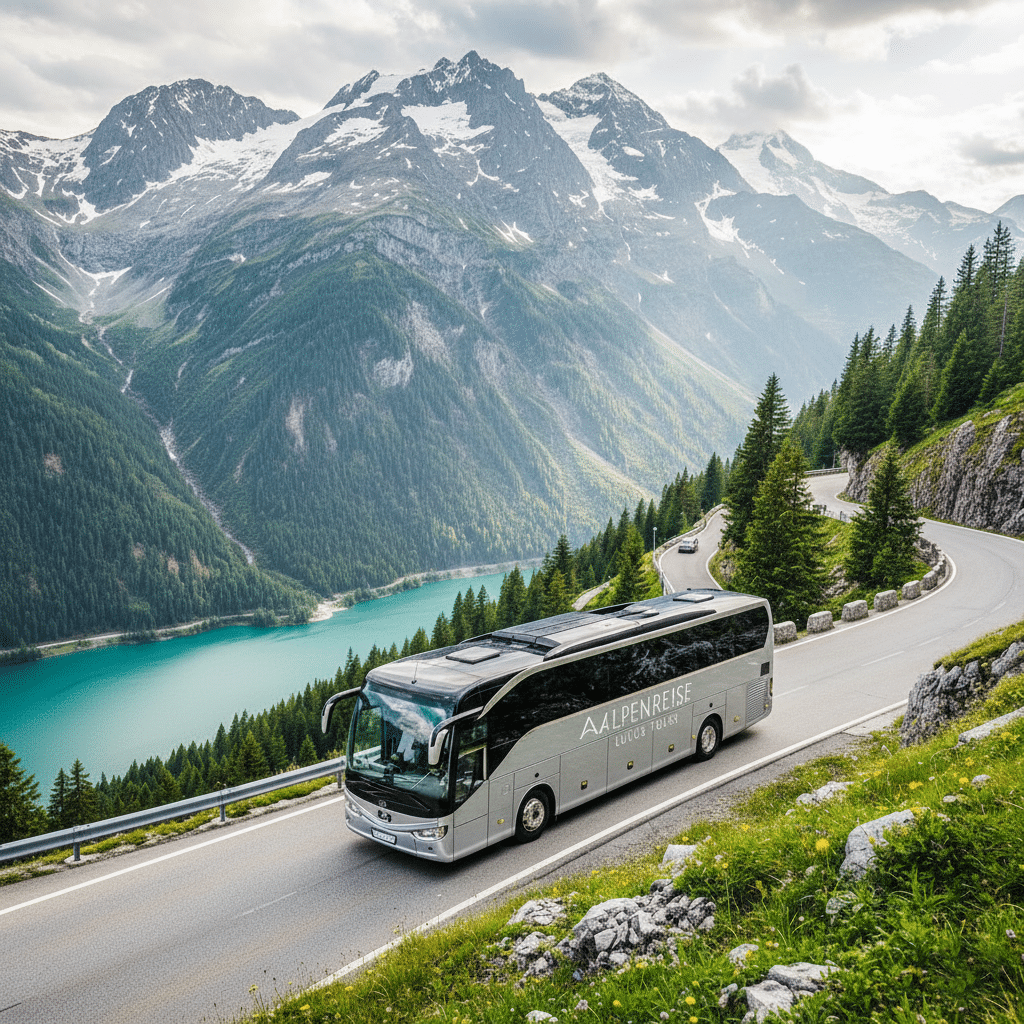
The Drive: More Than Just Transit
The drive isn’t “dead time.” Modern coaches are essentially rolling hotels with Wi-Fi, USB ports, and reclining seats that let you stretch out.
The Blocks: We rarely drive more than two to three hours without a stop. Your body gets regular breaks to move around.
About Onboard Facilities: Yes, there’s a toilet on the bus, but it’s for emergencies only. We stop frequently enough that you shouldn’t need it often. These regular rest breaks keep everyone comfortable and give you a chance to stretch your legs.
WiFi Reality Check: Most modern coaches do have WiFi, but signal can be spotty in mountains and rural areas. I always recommend downloading offline maps and any important documents before you leave your hotel each morning, just in case.
The “Magic” Stops: These rest breaks are often the unscheduled highlights. A roadside fruit stand in Provence. A photo opportunity over Lake Como that isn’t in any guidebook. These are the moments that don’t make the brochure but end up in your favorite stories.

The Afternoon & Evening
Sightseeing: You arrive at the destination for a guided tour, skipping the long public lines at places like the Vatican or Colosseum. Local guides who live and breathe these sites bring the history alive in ways a guidebook never could.
Free Time: You typically get two to four hours of unstructured time to explore, shop, or find a quiet café. This is your moment to wander without an agenda.
Dinner: You return to the hotel or head to a group dinner, usually wrapping up by evening so you can rest for the next day.
A quick note on planning: Prices and opening hours are mentioned to help you budget and plan, but they can change often. I always recommend checking the official websites (which I’ll link to) for the most current information before your visit.
The Etiquette of the Road
Sharing a vehicle with 40 strangers requires a social contract. The groups that bond the fastest are the ones that respect three simple, unwritten rules.
1. Punctuality is Sacred
If the guide says “departure is at 8:30 AM,” that means the wheels turn at 8:30 AM.
The Rule: Be at the coach 15 minutes early.
Why it matters: Being five minutes late doesn’t just inconvenience the driver. It steals five minutes from 40 other people. That’s over three hours of collective time lost. The most respected travelers are the ones who are always on time—not because they’re rigid, but because they understand that everyone’s time matters equally.

2. The “Seat Rotation” System
“Will I be stuck in the back?” This is the number one question first-timers ask.
The answer is no. To ensure fairness, almost all professional tours use a Seat Rotation Policy.
How it works: Each day, everyone shifts seats. Typically, you move two rows forward (or backward) in a clockwise direction.
The Result: Over the course of the trip, everyone gets a turn in the front row with the panoramic views, and everyone spends a day in the back (perfect for napping). It forces you to mingle with different neighbors, preventing cliques from forming and keeping the social dynamic fresh.
You’re not locked into a seat. You’re part of a rotation that keeps things fair and interesting.
3. Social Awareness
You’re part of a “traveling community” for the week, which means a little awareness goes a long way.
Read the Room: Some people love to chat. Others value quiet time while watching the scenery roll past. Pay attention to the energy around you.
Hygiene & Comfort: Avoid strong perfumes, and keep phone conversations quiet. The coach is everyone’s living room for the week.
Offer a Hand: If someone’s struggling with their bag or looking a bit lost, step in. Small gestures build camaraderie fast.
Frequently Asked Questions
How much time do I need to get ready in the morning?
Most travelers find that 60 to 90 minutes is enough time to shower, dress, have breakfast, and get luggage ready. Hotels typically offer breakfast starting around 7:00 AM, and departure is usually by 8:30 AM.
What happens if I’m late to the coach?
The tour operates on a strict schedule, so if you miss departure, you’re responsible for catching up to the group at the next stop. It’s rare, but it does happen—so set multiple alarms and aim to be at the coach 15 minutes early.
Can I choose my seat on the first day?
Usually, yes. On day one, you can typically choose your seat, but after that, the rotation system takes over. Some tours assign seats on the first day based on booking order or group size.
Is seat rotation mandatory?
On most professional tours, yes. It ensures everyone gets equal access to the best views and prevents one group from monopolizing the front rows. If you have mobility concerns, let your tour director know—they can often accommodate special seating needs.
What if I get motion sickness on the coach?
Sit closer to the front where there’s less motion, and avoid reading or looking at screens while the coach is moving. Many travelers also bring ginger candies or motion sickness medication just in case.
Can I bring food and drinks on the coach?
Most tours allow bottled water and light snacks, but avoid anything with strong smells or messy packaging. Your tour director will clarify specific rules at the start of the trip.
How much free time do I get each day?
Typically, you’ll have two to four hours of unstructured free time in each destination to explore, shop, or relax. Some days have more guided activities, while others give you more independence.
What’s the best way to meet other travelers on the tour?
Seat rotation naturally helps you meet new people, but also take advantage of group dinners, evening walks, and rest stops. The most connected groups are the ones who make small talk during downtime.
Related Reading
- European Coach Tours: A Tour Director’s Complete Guide
- What to Pack for a Two-Week European Coach Tour
- How to Decode a European Coach Tour Brochure A Tour Director’s Guide to Finding the Right Fits
- Solo Travel on Coach Tours Single Supplements and Roommate Matching
- The 4 Classic European Coach Tour Routes Which One is Right for You
Practical Details
Typical Daily Timeline:
- 7:00 AM – Breakfast at hotel
- 8:00 AM – Luggage collection
- 8:30 AM – Departure
- 11:00 AM – Rest stop (15-20 minutes)
- 1:00 PM – Arrival at destination / guided tour
- 3:00 PM – Free time (2-4 hours)
- 7:00 PM – Group dinner or independent evening
What to Bring:
- Comfortable walking shoes (you’ll cover several miles daily)
- Small daypack for personal items during excursions
- Reusable water bottle
- Travel alarm clock or phone alarm
- Light snacks for the coach
- Motion sickness remedies (if needed)
- Downloaded offline maps (WiFi can be spotty in rural areas)
Final Thoughts
Taking a coach tour is a trade-off. You give up total autonomy over your schedule, but you gain a stress-free, curated experience where every logistical hurdle is cleared for you. No navigating foreign train stations at midnight. No hauling suitcases across cobblestones. No wondering if you’re missing something important because you didn’t research enough.
By understanding the daily rhythm and respecting the group etiquette, you stop being a “tourist on a bus” and become a savvy traveler who knows how to move through Europe with ease.
The coach becomes your moving basecamp. The group becomes your temporary travel family. And the trip becomes something you remember not for the stress you avoided, but for the places you experienced fully.
Explore more European travel guides and practical tips on Pieterontour.com—where every journey is designed to be unforgettable.