
This guide is for travelers seeking authentic cultural experiences in Europe—here’s how to navigate markets like a local, from food halls to flea markets. Discover the art of European market shopping.
Quick Market Shopping Guide
Essential Rules:
- Never touch produce—let vendors select for you
- Greet vendors in their language before asking prices
- Bring your own shopping bags
- Carry cash (small bills preferred)
- Arrive early (9-11 AM) for best selection
Best Markets by Type:
- Food: La Boqueria (Barcelona), Naschmarkt (Vienna), Borough Market (London)
- Flea: Portobello Road (London), Marché aux Puces (Paris), El Rastro (Madrid)
- Christmas: Vienna Christkindlmarkt, Budapest Christmas markets
Average Budget: 20-50€ for market exploration including samples and small purchases
There’s something magical about stepping into a European market for the first time. The colors, the voices, the scents of fresh bread and ripe fruit mingling in the air—it’s sensory overload in the best possible way. I’ve spent decades wandering through these spaces, from Barcelona’s La Boqueria to Vienna’s Naschmarkt, and I can tell you with certainty: if you want to understand a place, really feel its heartbeat, skip the museum queue and head straight for the market.
Markets aren’t just shopping destinations. They’re living, breathing stages where daily life unfolds before your eyes. You’ll watch nonnas haggle over tomatoes, hear vendors banter in rapid-fire local dialect, and catch the rhythm of a community going about its day. These moments—the ones you can’t schedule or script—are where travel transforms from sightseeing into genuine connection.
I learned this lesson the hard way early in my career. At a Paris flea market, I confidently purchased what I thought was an antique silver spoon collection—the vendor assured me they were 18th-century treasures. Back at my hotel, a more experienced colleague took one look and started laughing. “Pieter,” he said gently, “these are tourist reproductions from the 1990s.” I’d paid three times what they were worth because I hadn’t done my reconnaissance, hadn’t compared prices at other stalls, hadn’t learned to spot the difference between genuine brocante (high-end vintage) and mass-produced knockoffs. That embarrassing moment taught me more about market shopping than any guidebook ever could.
A quick note on planning: Prices and opening hours are mentioned to help you budget and plan, but they can change often. I always recommend checking the official websites (which I’ll link to) for the most current information before your visit.
Why Markets Matter
Markets have anchored European communities for centuries. Dating back to the medieval period between 1050 and 1330, formal markets and fairs multiplied across Europe alongside growing populations and expanding trade. What began as chartered marketplaces regulated by local authorities and monasteries has evolved into the vibrant gathering places we treasure today.
Rick Steves captures it perfectly: there are few better windows into local life than rubbing shoulders with shoppers, browsing stands piled high with colorful produce, nibbling on street food, and being fully immersed in the sights, sounds, and smells of the community. Unlike museums frozen in time, markets offer something dynamic and unpredictable—culture as it’s actually lived.
For deeper insights into connecting authentically with local culture, explore my comprehensive guide to cultural immersion in Europe, which covers markets alongside other essential experiences for traveling like a local.
On this page
Understanding Different Market Types
Not all European markets serve the same purpose, and knowing the difference helps you plan more strategically.
Food Markets and Covered Halls
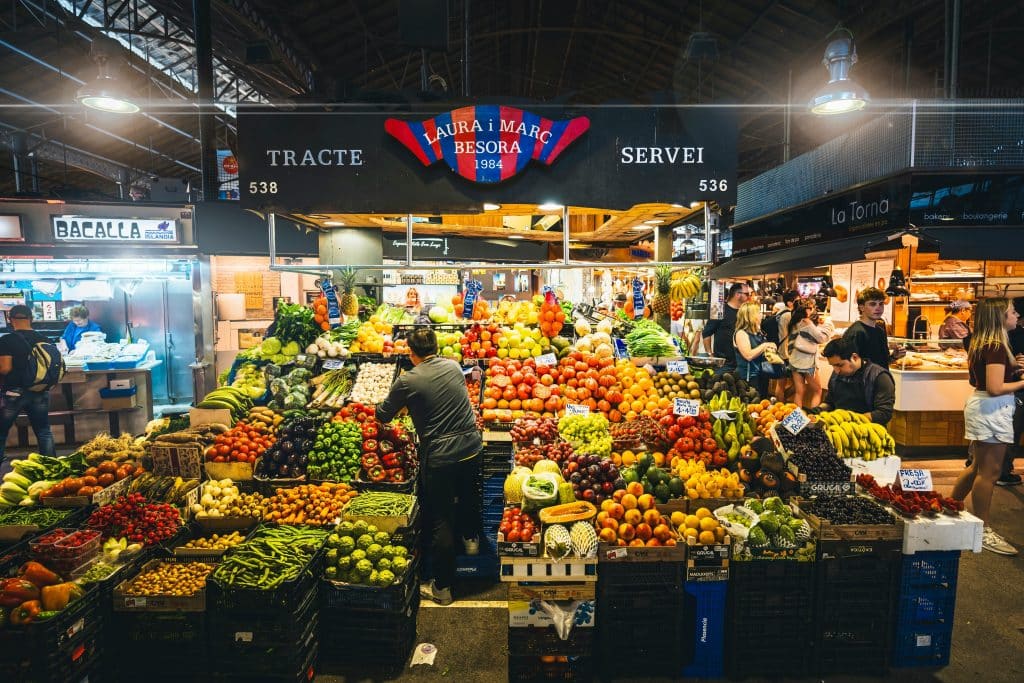
These are the gastronomic hearts of European cities. La Boqueria in Barcelona has been trading since 1836, offering a sensory feast of colorful fruits, fresh seafood, traditional jamón, and pintxos. For current hours and vendor information, visit the official La Boqueria website.
Vienna’s Naschmarkt stretches nearly 1.5 kilometers with over 100 vendors offering everything from Austrian schnitzel to Turkish baklava and Vietnamese pho. The market operates Monday through Saturday, with a famous flea market appearing on Saturdays. Check the official Vienna city site for current hours and special events.
London’s Borough Market, dating back to 1756, showcases over 130 traders with British and international products that’ll make your mouth water just walking past. Budapest’s Great Market Hall (Nagyvásárcsarnok), housed in a stunning 19th-century building, offers three floors of Hungarian specialties—paprika, tokaji wine, embroidered tablecloths, and traditional lángos. Visit the official Great Market Hall site for operating hours and vendor maps.
I love these covered halls because they’re democratic spaces—locals and visitors share the same aisles, and nobody’s putting on a show for tourists.
Flea and Antique Markets: Understanding the Difference
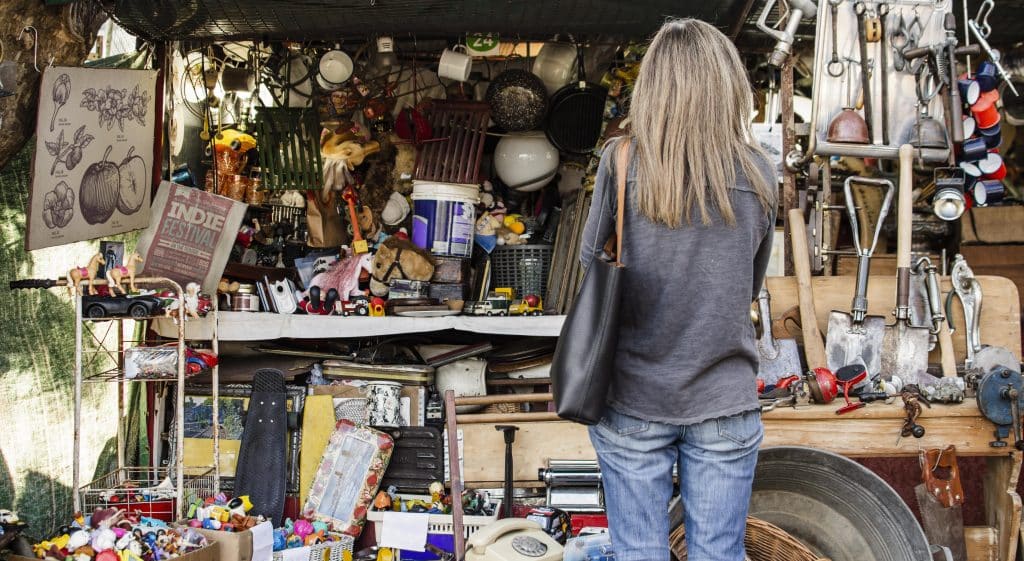
For treasure hunters like me (despite my early misadventures), Europe’s flea markets are paradise. But it’s important to understand the distinction, especially in France:
Brocante refers to high-end vintage and antique markets where dealers specialize in authenticated pieces—furniture, jewelry, art, and collectibles with genuine provenance. Prices reflect quality and authenticity.
Vide-grenier translates to “empty attic” and operates more like American garage sales—regular people clearing out their homes, offering everything from used clothing to old books at bargain prices.
Portobello Road Market in London is legendary for antiques (Saturdays are best for serious collectors), fashion, and street food. The official Portobello site provides detailed vendor maps and opening times for different market sections.
The Braderie de Lille in France occurs annually on the first weekend of September—Europe’s largest flea market welcomes nearly three million visitors across 10,000 stalls occupying 62 miles of road. Madrid’s El Rastro transforms Sundays into a buzzing hunt for retro clothes, old records, and quirky finds that make perfect conversation pieces back home.
Marché aux Puces de Saint-Ouen near Paris requires its own strategy—arrive early (7-9 AM), know which of the 12 sub-markets interests you (Marché Vernaison for vintage fashion, Marché Paul Bert for furniture), and remember that even at flea markets, quality dealers won’t budge much on authenticated pieces.
Weekly and Farmers Markets
These markets bring communities together on specific days—this is crucial to understand, as many European towns don’t have daily markets but rather designated “market days” that are important community events.
Marché Bastille in Paris operates on Thursdays and Sundays, where locals shop and you get to practice your French while choosing from fresh baguettes, fragrant cheeses, roast chicken, and oysters. Marché d’Aligre in the 12th arrondissement offers a more local, less touristy alternative on Tuesday through Sunday mornings.
Amsterdam’s Albert Cuyp Market, operating since 1905, features nearly 300 vendors selling everything from fresh produce to typical Dutch treats like raw herring and freshly made stroopwafels. The market operates six days a week (Monday through Saturday), making it more accessible than many European markets.
Important note: Always check local market schedules before visiting smaller towns. In provincial France, for example, market day might be Tuesday and Saturday only—and these days become social events where the entire town gathers. Missing market day means missing a significant cultural experience.
Flower Markets
Amsterdam’s Bloemenmarkt is the world’s only floating flower market, a living witness to Dutch flower trade since 1862. Frankfurt also maintains a dedicated Blumenmarkt on Liebfrauenberg every Friday. There’s something about wandering through rows of tulips and roses that puts me in a contemplative mood—maybe it’s the colors, maybe it’s the fragrance, maybe it’s just the beauty of simple things done well.
Essential Market Etiquette (Please Read This Section)
Here’s where I need to be direct with you: European market customs differ significantly from American shopping habits, and getting this wrong can earn you some serious side-eye from vendors and locals alike.
The Golden Rule: Don’t Touch the Produce
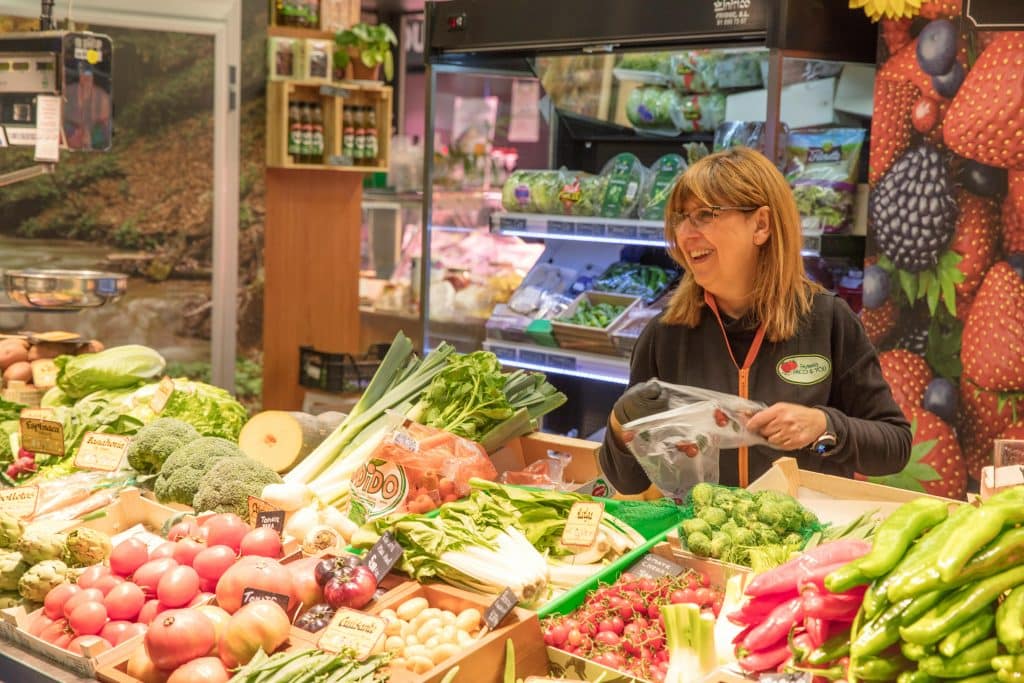
This is perhaps the most important etiquette rule, and the one American visitors most often break. Never—and I mean never—touch a vendor’s fruits and vegetables before buying them. While we’re accustomed to squeezing peaches and prodding tomatoes back home, this practice is considered unhygienic and disrespectful in European markets.
I once watched an American tourist in Lyon’s market enthusiastically handling every peach at a stand, testing for ripeness. The vendor’s face progressed from patience to irritation to outright anger in about thirty seconds. She finally snapped something in rapid French that roughly translated to “Either buy them or leave them alone!” The tourist was genuinely confused—she thought she was being a careful shopper. But she’d just committed the cardinal sin of European market shopping.
Instead, communicate with vendors about when you plan to eat the produce, and they’ll select the perfect items for your needs. Point to what interests you and let the vendor pick it. This keeps everything clean, maintains quality, and shows you understand local customs. Trust me, vendors know their produce better than you do anyway.
Greet Vendors Properly
Always greet vendors politely before asking for anything. In France, saying “Bonjour, Madame” or “Bonjour, Monsieur” is essential before browsing or asking prices. A friendly greeting in the local language shows respect and helps start a positive interaction. I’ve watched this simple courtesy open doors to better service, generous samples, and sometimes even better prices.
For more guidance on essential phrases that build rapport with locals, see my guide to phrases that make locals smile—these same principles apply beautifully in market settings.
Bring Your Own Bags
European markets expect customers to carry their goods in their own containers. This is good for the environment and signals you understand local customs. Rick Steves warns tourists specifically: bring your own shopping bag, use your empty daypack, or expect to pay extra for plastic bags. Finding yourself at checkout without one can earn disapproving looks from locals who’ve been doing this their whole lives.
Cash Is King (Though Times Are Changing)
Many European market vendors still primarily use cash, and carrying small bills and change is particularly appreciated—every shop seems to have a shortage of them. However, this is evolving: major tourist markets like La Boqueria, Borough Market, and Naschmarkt increasingly accept contactless payments and credit cards.
My advice: bring cash as your primary payment method, especially for smaller purchases and at traditional markets. Having 5€, 10€, and 20€ bills makes transactions smoother. But don’t panic if you’re low on cash at large, modern markets—many vendors now accept cards. At Berlin’s Markthalle Neun, having cash can speed up your order even though most vendors accept cards.
Practical Shopping Strategies
Timing Your Visit
Morning is universally the best time to experience markets at their freshest and liveliest. Arrive between 9 a.m. and 11 a.m. for the freshest produce and to enjoy authentic ingredients between the breakfast and lunch crowds. For Vienna’s Naschmarkt, visiting early on a weekday helps avoid the Saturday crowds. If you’re visiting Time Out Market Lisbon, arriving between 10:00 and 11:00 in the morning allows you to stroll through without crowds, with full food service beginning around 11:30 to noon.
I’m an early riser anyway, so market mornings have become one of my favorite travel rituals. Similar to the morning routines I describe in my guide to European coffee house culture, visiting a market early is about observing the rhythm of daily life—watching a city wake up over coffee and pastries, seeing vendors arrange their displays with pride, catching that moment when the first customers arrive and the day’s commerce begins.
This timing also connects beautifully with European dining hours—buying fresh market ingredients for a picnic becomes essential when you remember that many traditional restaurants close between lunch and dinner service.
Make the Rounds First
Resist the temptation to buy at the first stand you see. Take a stroll through the entire market, compare prices (usually marked by the kilo), and notice where the crowds are gathering. If there’s a much bigger line in front of one fishmonger compared to another, it’s a good sign that locals prefer it for quality or range. This reconnaissance also helps you spot the organic stalls (look for “bio” in French) and identify the best values.
Engage with Vendors
The people selling at markets are often passionate experts who have been perfecting their craft for generations. Don’t hesitate to ask for recommendations or samples. At cheese shops, let the cheesemonger guide you by telling them what you’re serving with the cheese and when you plan to eat it—they can select cheese at the perfect ripeness. These conversations transform simple shopping into cultural education, and I’ve learned more about regional cuisine from market vendors than from any guidebook.
Learn Basic Vocabulary
A few key words go a long way toward building rapport. Essential German market phrases include “Wie viel kostet das?” (How much does this cost?), “Kann ich eine Probe haben?” (Can I have a sample?), and “Ist das aus der Region?” (Is this local?). In Spanish markets, useful terms include “un cuarto” (quarter kilo), “medio kilo” (half kilo), and “gramos” (grams).
Your pronunciation doesn’t need to be perfect—the effort itself shows respect and usually earns you a smile. For comprehensive phrase guides organized by situation, visit my essential phrases collection.
The Art of Haggling: When and Where
Bargaining applies to goods at flea markets, touristy souvenir shops, and street stalls, but never at food markets selling edibles. Rick Steves advises using common sense: you can’t haggle in shopping malls and other conventional stores. Save your haggling game for the flea markets.
Trying to negotiate over the price of tomatoes or cheese in France is seen as insulting—you’re essentially suggesting the vendor is overcharging for basic necessities. Food prices at markets reflect fair value for quality products, and vendors operate on tight margins.
To test if bargaining is appropriate at flea markets, show interest in an item but say “It’s just too much money.” If the merchant comes down even 2 percent, there’s nothing sacred about the price tag. Key tactics include:
- Don’t look overly enthusiastic about the product—you’re unlikely to get a fair price that way
- Shop around first to understand the going rate before negotiating
- Be willing to walk away—the last amount merchants holler out as you turn the corner is often their best price
- Ask for bulk discounts when buying multiple items
- Bid respectfully—if a merchant accepts your price, you must buy the item
At artisan markets, there’s some room for negotiation, but don’t expect more than 10 to 15 percent off the list price. And remember, haggling should be friendly, not aggressive. You’re building a relationship, not battling an opponent.
Seasonal Shopping: What to Buy and When
European markets reflect the agricultural calendar with stunning seasonality. Here’s what to look for throughout the year:
Spring brings strawberries, cherries, apricots, oranges, and lemons alongside asparagus, artichokes, broad beans, spinach, and peas. Locals eagerly anticipate certain seasonal products—summer strawberries in Scandinavia, new potatoes in Denmark, fresh figs and peaches in Turkey, and asparagus season across Germany where “white gold” commands premium attention.
Summer showcases peaches, nectarines, watermelons, melons, figs, and plums with tomatoes, aubergines, courgettes, peppers, and cucumbers at their peak. This is when markets explode with color and abundance.
Autumn offers apples, pears, grapes, pomegranates, and kiwis alongside pumpkins, mushrooms, cauliflowers, beetroots, and cabbages. In Italy, fall brings the treasured truffle season—if you see vendors with these precious fungi, stop and inhale deeply. That earthy aroma is unforgettable.
Winter features citrus fruits, persimmons, and mandarins with root vegetables, artichokes, broccoli, and squash. Winter markets feature chestnuts and citrus, along with traditional Christmas sweets that vary beautifully from country to country. If you’re visiting Europe during the holiday season, the festive atmosphere transforms regular markets into magical winter wonderlands—I explore this seasonal shopping experience in depth in my guide to Vienna’s Christmas markets, Hungarian Christmas markets guide, and Central Europe’s seasonal calendar.
Must-Visit Markets Across Europe
Spain
La Boqueria in Barcelona offers seasonal specialties including spring sardines and artichokes, summer stone fruits, autumn mushrooms, and winter citrus with traditional Christmas sweets. Mercado de San Miguel in Madrid, housed in a beautifully remodeled 1915 market hall, provides a culinary tour of Spain under one roof—jamón ibérico, Manchego cheese, croquetas, and robust Rioja wines all in one elegant space.
Italy
Mercato di Sant’Ambrogio in Florence is less touristy than other markets, providing a taste of true Tuscan culture with fresh produce and traditional foods. Rialto Market in Venice by the Grand Canal offers fresh produce and dynamic seafood stalls where the daily catch arrives directly from fishing boats. Campo de’ Fiori in Rome is essential for sampling Roman produce—visit early morning to watch nonnas haggle like pros, a masterclass in market negotiation.
France
Beyond Paris’s famous Marché Bastille and Marché d’Aligre, consider Les Halles de Dijon, housed in a 19th-century building inspired by Eiffel company plans, where over two hundred vendors sell incredible cheese, wine, cured meats, and the world’s best selection of mustards. Marché aux Puces de Saint-Ouen near Paris is one of the world’s biggest flea markets, packed with antiques, old postcards, and treasure waiting to be discovered.
Germany
Markthalle Neun in Berlin’s Kreuzberg neighborhood transforms into a Street Food haven every Thursday evening, offering a global culinary adventure from Bangkok to Berlin to Bologna to Bombay. Frankfurt maintains numerous weekly markets throughout the city, including the Kleinmarkthalle open Monday through Saturday.
Austria
Vienna’s Naschmarkt stretches almost 1.5 kilometers, blending imperial elegance with multicultural flair. Saturday brings a flea market alongside the regular vendors, making it a hotspot for vintage finds. I’ve spent countless Saturday mornings here, and it never gets old.
Netherlands
The Albert Cuyp Market is the largest and most popular outdoor market in the Netherlands, with 260 stands operating six days a week. Located in the vibrant De Pijp district, you can experience authentic Amsterdam atmosphere, humor, and gezelligheid (that untranslatable Dutch word for coziness) in the streets.
Hungary
Budapest’s Great Market Hall deserves special mention—the ground floor offers fresh produce, meats, and spices, while the upper level features traditional Hungarian crafts and food stalls serving lángos and goulash. The architecture alone is worth the visit.
Country-Specific Souvenirs Worth Seeking
When shopping at European markets, seek out items specific to each region rather than generic tourist souvenirs. In Italy, look for leather goods (especially from Florence’s San Lorenzo Market), truffle products, and aged balsamic vinegar. Spain offers hand-painted fans, jamón ibérico, local cheeses, and wine. France tempts with mustards (from Dijon), fine cheeses, wine, and antiques.
Germany provides beer steins (especially from Munich’s Hofbräuhaus) and Christmas ornaments. Portugal specializes in Port wine from the Douro Valley, hand-painted tiles, and olive oil. Poland offers Baltic amber jewelry (especially from Gdańsk), while Greece showcases olive oil, honey, and ceramics. Turkey presents Turkish coffee, ceramics, textiles, and carpets.
These aren’t just souvenirs—they’re pieces of culture you can take home and share.
Making Markets Part of Your Travel Routine
For travelers seeking authentic cultural immersion, markets offer irreplaceable experiences. Research from the European Travel Commission shows that 40% of travelers planning trips to Europe want to occasionally interact with locals, while 36% seek deeper cultural experiences by learning about local life and traditions. Markets deliver both.
Consider joining a guided market tour for your first visit to a major market. Vienna’s Naschmarkt offers tours where local experts explain the stories behind market specialties while you sample delicacies and chat directly with traders. These experiences provide context and confidence for independent exploration later.
Markets also represent excellent budget dining opportunities. Rick Steves notes that to have a memorable meal, you don’t need to eat at a place with a Michelin star. All over Europe, Industrial Age glass-and-steel farmers’ markets are getting a new lease on life as trendy food halls, spiced up with great eateries, priced for local shoppers, and serving the freshest ingredients.
For solo travelers, markets are particularly welcoming—you can graze from stall to stall, assembling a meal without the awkwardness of dining alone at a restaurant. The casual, communal atmosphere makes it easy to strike up conversations with vendors and fellow shoppers.
Finally, allow ample time. Market shopping should never be rushed. The social aspects—conversations with vendors, watching locals negotiate, absorbing the sensory experience—are as valuable as any purchase you might make. These are the moments that transform tourism into genuine cultural exchange, creating memories that last far longer than any souvenir.
Stand at a market stall in Prague or Porto, Barcelona or Berlin, and you’re standing where generations have stood before you. The faces change, the languages shift, but the essential human exchange—one person offering something they’ve grown or made, another person appreciating it—remains beautifully constant.
Frequently Asked Questions
How much time should I budget for visiting a European market?
Plan for at least 1-2 hours for a thorough visit to a major market, though you could easily spend a half-day exploring larger markets like Vienna’s Naschmarkt or Barcelona’s La Boqueria. Morning visits between 9 a.m. and 11 a.m. offer the freshest produce and most authentic atmosphere.
Do I need to speak the local language to shop at European markets?
While knowing basic phrases helps build rapport, most vendors in major tourist markets understand simple English. Learning a few key words like greetings, “how much,” and “thank you” in the local language shows respect and often results in better service and prices.
Can I bargain at food markets?
No, bargaining at food markets selling edibles is not appropriate and can be seen as insulting. Save haggling for flea markets, antique stalls, and souvenir shops. At food markets, prices are typically fixed and reflect fair value for quality products.
What’s the best way to carry purchases from the market?
Bring your own shopping bag or reusable tote—European markets expect this, and some vendors charge for plastic bags. A sturdy daypack or canvas bag works perfectly for carrying produce, cheeses, and other purchases back to your accommodation.
Are European markets open every day?
Market schedules vary significantly. Many farmers markets operate on specific days (often weekends or designated “market days”), while covered food halls may be open daily except Sundays. Christmas markets typically run from mid-November through December 24th-26th. Always check specific market hours and days before visiting—missing market day in a small town means missing a major cultural event.
Is it safe to eat street food at European markets?
Generally yes—markets with high turnover and crowds of locals are usually excellent choices. Look for stalls where locals are eating, which indicates both quality and safety. Food at established market halls undergoes health inspections just like restaurants.
How much cash should I bring to a market?
Plan to bring enough euros or local currency for your anticipated purchases, plus extra for spontaneous finds. Having small bills (5€, 10€, 20€) and coins makes transactions smoother. Budget approximately 20-50€ for a typical market visit including food samples and small purchases. Major tourist markets increasingly accept contactless payments, but cash remains preferred
What makes a good souvenir from European markets?
Look for region-specific items that reflect local culture: leather goods in Italy, hand-painted ceramics in Portugal, mustards in France, amber jewelry in Poland. Avoid mass-produced tourist trinkets and instead seek handmade crafts from local artisans that tell a story about the place.
Related Reading on Pieterontour.com
Explore more authentic European experiences and cultural immersion guides:
- The Art of Cultural Immersion: How to Travel Like a Local in Europe
- Essential Phrases That Make Locals Smile: Your Key to Authentic European Connections
- Guide to European Coffee House Culture
- European Dining Hours and Table Manners: A Guide to Eating Like a Local
- Solo Travel & Safety in Europe: Your Complete Guide to Confident Independent Exploration
- Vienna’s Christmas Markets: A Complete Guide
- A Magical Hungarian Christmas: Traditions and Celebrations
- Central Europe’s Seasonal Calendar: Best Times to Visit (Beyond Christmas Markets)
Discover more guides to authentic European experiences on Pieterontour.com, where every market visit, every conversation with a vendor, every sensory moment is designed to connect you deeply with the places you explore.