
The Art of Cultural Immersion: How to Travel Like a Local in Europe
By Pieter Reynolds, Professional Tour Director | Reading time: 12 minutes | Updated: 1 November 2025
Quick Answer: How to Travel Like a Local in Europe
Greet people first, adopt local café rituals, tip modestly only where appropriate, follow dress and behavior norms in places of worship, match local meal times, and learn a few phrases. Use public transit confidently, be observant, and let relationships build slowly.
This guide serves as your master roadmap to cultural immersion in Europe. For deep dives into specific topics like tipping, dining, café culture, or safety, follow the links to our dedicated guides below.
Key Takeaways
✅ Greet first, ask second — In shops, cafés, and markets, always say hello before making requests
✅ Order coffee the local way — Stand at the bar in Italy, linger in Vienna or Paris
✅ Tip modestly; service is often included — Check your bill; 5-10% is standard, not 15-20%
✅ Dress modestly in active places of worship — Cover shoulders and knees
✅ Match local rhythm — Meal times, public transit etiquette, and social pace vary significantly across Europe
On this page
Why Cultural Immersion Matters
This guide is for travelers who want to move beyond sightseeing and truly engage with European culture by understanding café rituals, navigating social customs, communicating respectfully, and experiencing destinations the way locals do.
Whether you’re planning your first European journey or your fiftieth, these insights drawn from leading tours across nearly 100 countries will help you travel with cultural awareness, respect, and genuine connection.
There’s something I’ve noticed after spending over twenty years guiding travelers through Europe. The people who come home with the best stories aren’t always the ones who saw the most famous monuments. They’re the ones who learned to order coffee without marking themselves as tourists, who understood why vendors at the market in Budapest appreciated their clumsy attempts at “köszönöm,” who knew enough to dress properly when stepping into St. Stephen’s Cathedral in Vienna.
I remember standing in a small café in Prague’s Vinohrady neighborhood, watching an American traveler approach the counter. She didn’t greet the staff, didn’t say “dobrý den,” just launched straight into her order in English with increasing volume and frustration. The barista’s expression shifted from neutral to coolly polite, the kind of politeness that creates distance rather than connection. Five minutes later, another traveler entered, offered a cheerful “dobrý den,” stumbled through ordering in broken Czech with lots of gestures and laughter, and left with not just her coffee but recommendations for a hidden garden nearby and an invitation to a neighborhood festival that weekend.
That’s the difference cultural immersion makes.
Anyone can photograph Charles Bridge or stand beneath the Eiffel Tower. But knowing when to greet shopkeepers, understanding why Austrians and Italians approach timeliness so differently, recognizing that your cappuccino order after lunch in Rome announces your tourist status as clearly as a fanny pack—these details transform travel from sightseeing into genuine cultural experience.
I’ve watched this play out thousands of times. The travelers who make even modest efforts to understand local customs, who learn a handful of phrases, who observe and adapt rather than expecting Europe to accommodate American habits, they have richer experiences. They get invited to family dinners in Hungarian villages, they end up at locals-only wine cellars in rural Austria, they make friends with market vendors who save them the best produce and share family recipes.
Cultural immersion isn’t about becoming European. You’re visiting, not transplanting your life. It’s about understanding enough to move through these places thoughtfully, respectfully, with genuine curiosity. It’s recognizing that your way of doing things isn’t the only way, and that differences in social behavior aren’t wrong or inferior, just different.
This guide covers the cultural knowledge that typically takes years to acquire through experience—the unwritten rules, the social codes, the small gestures of respect that locals notice and genuinely appreciate.
European Café Culture: More Than Just Coffee
If you want to understand European culture, spend time in cafés. Not because the coffee is exceptional (though it often is), but because cafés in Europe occupy a completely different cultural space than coffee shops in North America.
These aren’t Starbucks. They’re social institutions where locals have spent hours reading newspapers, writing novels, conducting business deals, falling in love, and watching city life unfold for centuries. The café where you grab your morning espresso in Rome has probably witnessed more human drama than most theaters.
In Vienna, coffee houses aren’t just places that serve coffee. They’re living museums of a way of life so significant that UNESCO granted Vienna’s coffee house culture Intangible Cultural Heritage status in 2011. In Paris, boulevard cafés with their wicker chairs facing the street have hosted everyone from Hemingway to Sartre, and the tradition of settling in for hours with a single café crème continues today. In Italy, the morning ritual of espresso at the bar is as deeply embedded in daily life as morning showers are in ours.
Understanding café culture means understanding a fundamental aspect of how Europeans live. Cafés are places to linger, not grab-and-go operations. You’re paying for the space and time as much as the beverage. Rushing through your coffee, checking your watch, treating the café like a pit stop—these behaviors signal you don’t understand the culture.

Mastering the Café Menu
While the vibe is universal, the rituals are specific. In Vienna, you linger for hours over a Melange, and waiters remember your order if you become a regular. In Italy, you stand at the bar for a quick caffè (and never order cappuccino after 11 a.m.—locals consider milk-heavy drinks breakfast beverages only). In France, you pay for the privilege of people-watching on the terrace, and “service compris” means your tip is already included.
Knowing exactly what to order—and how to behave—prevents you from looking like a tourist. The difference between ordering at the counter versus the table, paying before versus after, standing versus sitting can double your bill or mark you as culturally unaware.
→ Read the Full Guide: How to Decode European Café Culture: A Country-by-Country Guide
Essential Phrases That Make Locals Smile
I’ve watched the same scene play out in dozens of European cities. Two travelers enter a shop at roughly the same time. The first launches straight into English: “Where’s the bathroom?” or “How much is this?” The shopkeeper’s expression hardens slightly, becomes professionally polite but distant. The second traveler, with terrible pronunciation and obvious nervousness, attempts “Bonjour” or “Guten Tag” or “Buongiorno,” gets it half wrong, and the shopkeeper’s entire demeanor shifts. Suddenly there are smiles, patient help, sometimes even small gifts or extra recommendations.
Learning a few phrases in the local language isn’t just polite. It’s transformative.
You’re not expected to be fluent. You’ll butcher pronunciations. Locals know this. What matters is trying, showing respect, making the effort. Those few badly pronounced words signal something important: you recognize you’re a guest in their country, and you’re willing to meet them halfway.
Going Beyond “Hello”

You don’t need fluency, but you do need effort. A simple “Bonjour” in France or “Grüß Gott” in Austria changes the entire dynamic of a service interaction. The key is knowing the specific greetings for morning, noon, and evening, and the formal versus informal distinctions that show respect.
In France, not saying “Bonjour” before making a request is considered spectacularly rude—it’s the social lubricant that makes all interactions possible. In Germany and Austria, the formal “Sie” versus informal “du” matters enormously in first interactions. In Hungary, even attempting the notoriously difficult “Köszönöm szépen” (thank you very much) earns genuine appreciation because locals don’t expect foreigners to try their uniquely challenging language.
Every language interaction should begin with eight essential phrases: Hello/Good morning, Please, Thank you, Excuse me, Yes/No, Do you speak English?, I don’t understand, and Goodbye. Master these in the local language, and you’ll navigate 80% of daily interactions respectfully.
→ Read the Full Guide: Essential Phrases That Make Locals Smile: Your Key to Authentic Connections
Understanding Tipping Etiquette Across Europe
Let me tell you about an awkward moment in a small restaurant outside Vienna. An American couple at the next table finished their meal, reviewed the bill carefully, then left a 20% tip in cash on the table. The waiter, an older Austrian gentleman who’d been working there for probably thirty years, looked genuinely confused. He picked up the money, actually chased them down outside, and tried to return most of it, thinking they’d made a mathematical error.
That scene captures everything about European tipping in one uncomfortable moment. American-style tipping (automatic 15-20%) doesn’t translate here. At all.
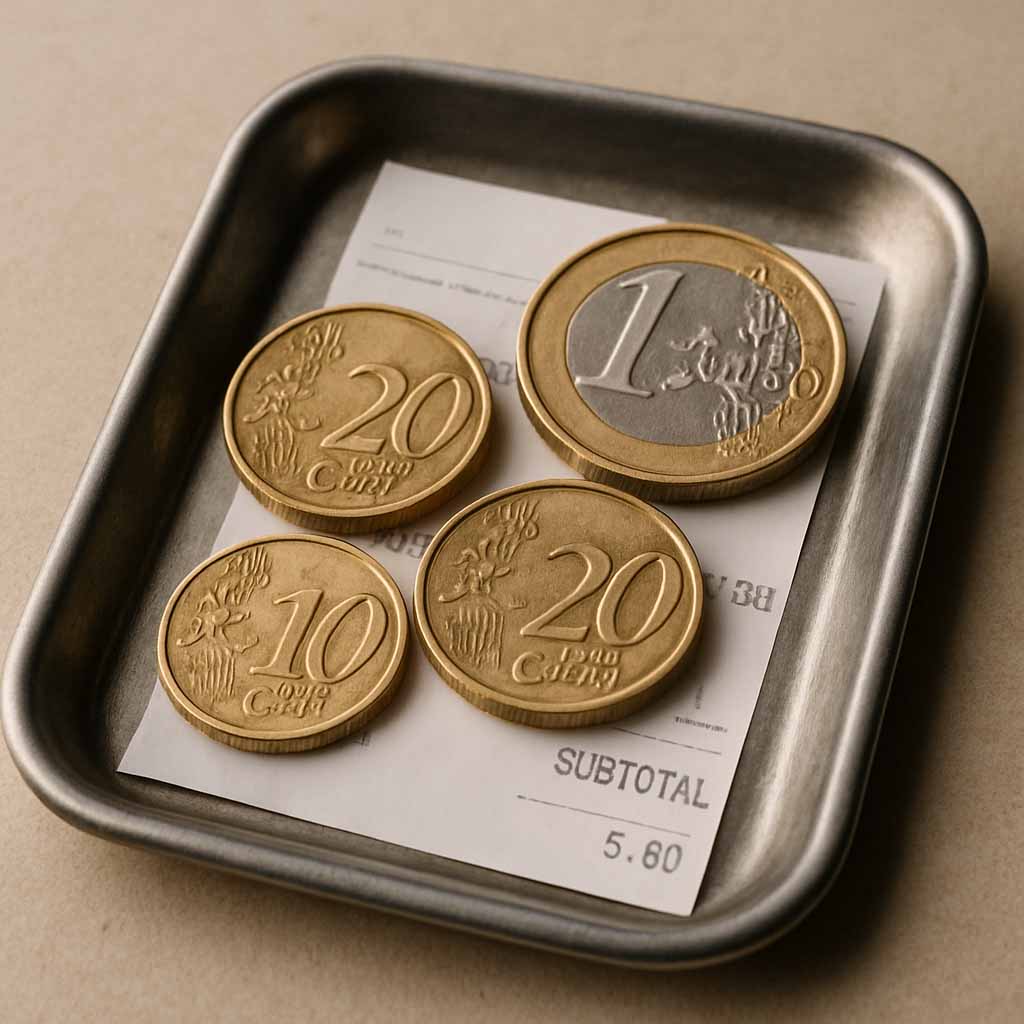
The Golden Rule: Service Is Usually Included
Unlike in the US, European servers earn living wages. Tipping isn’t their primary income—it’s a genuine bonus for good service, not an expected subsidy for inadequate pay.
In France, “service compris” means the tip is legally included on your bill. A small extra amount (€1-€5) is appreciated but not required. In Germany and Austria, you round up and tell the waiter the total when paying (“Stimmt so” = keep the change). You don’t leave money on the table and walk away—you tell them face-to-face, creating a moment of direct acknowledgment.
In Italy, the “coperto” (cover charge) appears on most bills—this isn’t a tip, it’s a fixed charge for bread and table service. Additional tipping is optional but increasingly appreciated in tourist areas. In Scandinavia, service is fully included and tipping is truly optional—high wages and worker protections mean it’s a choice, not an obligation.
The standard across most of Europe: 5-10% for good service, not 15-20%. Overtipping can actually confuse service staff or come across as culturally tone-deaf.
→ Read the Full Guide: Tipping Etiquette in Europe: Your Essential Guide to Gratuity Customs
Navigating European Public Transportation Like a Pro
European public transportation generally works brilliantly, but each city has its peculiarities, unwritten rules, and ways to mark yourself as either savvy or hopelessly tourist. Understanding ticketing systems, etiquette, and navigation saves considerable time, stress, and money.
Metro, Tram, or Train?
Whether you’re navigating the Paris Métro, London’s Underground, or the trams of Lisbon, the rules of etiquette remain distinct. But one rule spans the continent: Always validate your ticket.
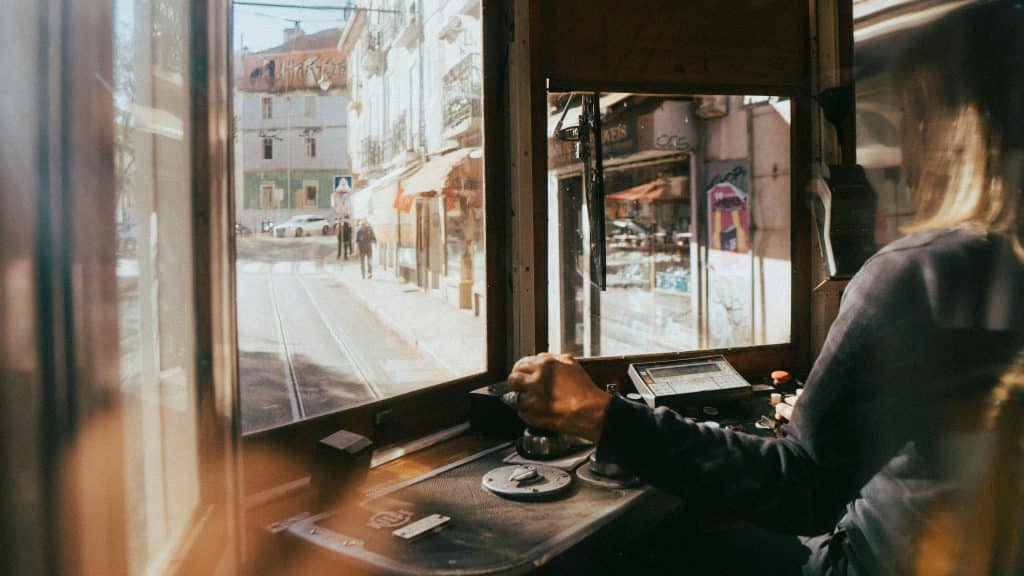
Most European transit systems require you to not just purchase tickets, but validate them by stamping in a machine before or immediately after boarding. I watched this painful lesson play out in Prague when a traveler had purchased a perfectly valid 24-hour pass but boarded without validating it in the yellow machine at the entrance. Within three stops, inspectors caught him. The fine? Current Prague Public Transit penalties start around 1,000 CZK (approximately €40) if paid on the spot, more if paid later. He protested—he’d paid! But the rules are clear: purchase AND validate.
Getting caught with an unstamped ticket results in instant fines, often €60 or more across European cities.
Beyond validation, master these universal etiquette rules: Stand right, walk left on escalators (in most cities). Let passengers exit before boarding. Give up priority seats for elderly, pregnant, or disabled passengers. Keep your voice down—public transit isn’t for phone calls or loud conversations, especially in Northern Europe. Remove backpacks on crowded trains so you’re not whacking people with every turn.
→ Read the Full Guide: Navigating European Public Transportation Like a Pro
The Art of European Market Shopping
Some of my best European memories happened in markets. Not the famous landmarks, not the museums, but markets where I learned to point and gesture and attempt terrible Hungarian, where vendors corrected my pronunciation patiently, where I tasted cheeses I couldn’t name and learned the difference between good and mediocre produce just by watching locals shop.
From Flea Markets to Food Halls
European markets—whether daily food markets, weekly farmers markets, or flea markets for antiques—offer authentic interaction with locals that supermarkets simply can’t match. Whether you’re haggling for vintage goods at London’s Portobello Road, exploring the stalls at Campo de’ Fiori in Rome, or buying paprika at Budapest’s Great Market Hall, knowing the unwritten rules transforms shopping from transaction to cultural exchange.
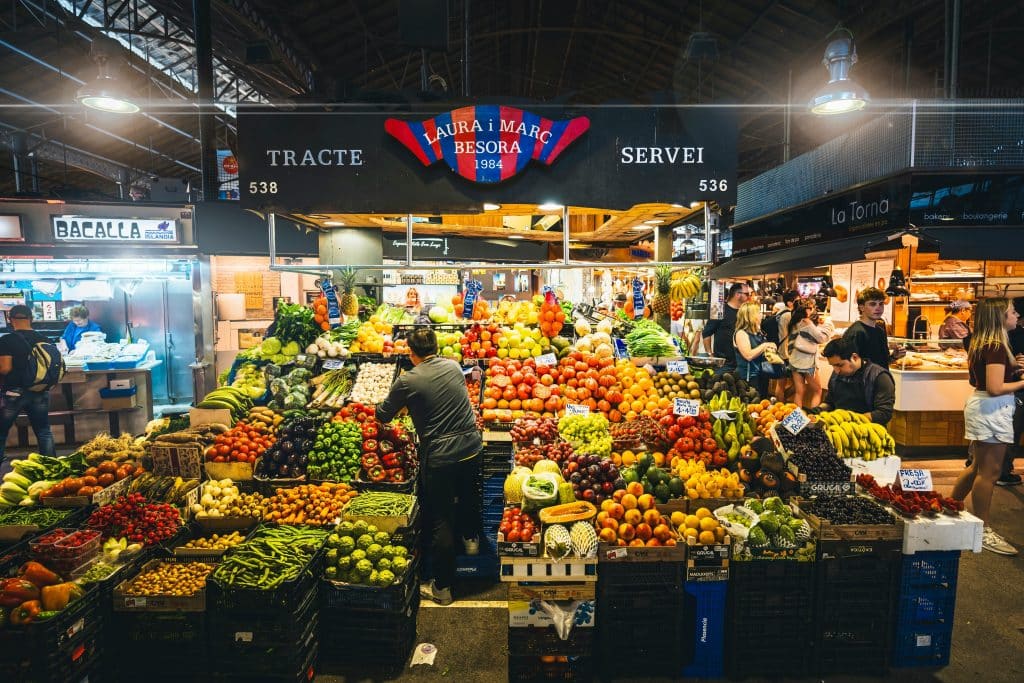
The critical etiquette rule that trips up most tourists: Don’t touch the produce. At food markets across Europe, vendors select items for you. They know which tomatoes are ripe, which peaches will be perfect tomorrow, which apples have hidden bruises. Grabbing and squeezing fruit offends them and damages their merchandise. Point to what you want, indicate quantity, and let them choose.
Other essential rules: Always greet vendors first in their language before making requests. Bring cash and small bills. Bring reusable bags. At food markets, prices are fixed—bargaining is for flea markets, not fresh vegetables. Sample generously when offered, but buy something from vendors who’ve fed you.
→ Read the Full Guide: The Art of European Market Shopping: A Guide to Cultural Immersion
Religious Customs and Church Etiquette
I’ve watched tourists turned away from St. Peter’s Basilica in Rome dozens of times. Tank tops, short shorts, bare shoulders, mini skirts—all grounds for rejection at the entrance, regardless of how far you’ve traveled or how long you’ve waited. The guards don’t bend rules.
Europe’s churches, cathedrals, mosques, and synagogues aren’t just tourist attractions. They’re living places of worship where local believers pray, find solace, mark life’s milestones, and maintain faith traditions stretching back centuries. Respectful behavior isn’t optional—it’s required.
Respecting Sacred Spaces and Other Faiths
The universal rule for Christian churches: shoulders and knees covered. No tank tops, no shorts, no short skirts. Major churches like St. Peter’s in Rome enforce this strictly. Bring a light scarf or shawl to cover up if needed.
Beyond dress codes, behavior matters. Maintain silence or whisper even when churches operate as museums. No flash photography. Don’t wander during services—either sit quietly in rear pews or leave. Men remove hats in Catholic churches. Show reverence to religious imagery and sacred spaces.

But Europe is home to diverse faith traditions, and visiting an Orthodox church, synagogue, or mosque requires specific knowledge beyond basic Christian church customs. Orthodox churches often have no pews (standing is traditional) and use incense heavily. Women may need head coverings. Mosques require head coverings for women, long pants for men, and shoe removal. Many synagogues require security clearance and head coverings for men. Prayer times, gender-separated seating, and photography rules all vary by faith tradition and location.
→ Read the Full Guide: Religious Customs and Church Etiquette: A Traveler’s Guide
European Dining Hours and Table Manners
American friends visiting me in Europe often experience the same frustrating scenario: arrival around 6pm after sightseeing all day, desperate for dinner, finding every restaurant closed or empty. They’ll ask, bewildered, “Where does everyone eat? Why isn’t anything open?”
Because in much of Europe, particularly Southern Europe, 6pm isn’t dinner time. It’s the awkward gap between lunch and dinner service. In Spain, showing up at 6pm for dinner marks you as hopelessly tourist—locals don’t eat until 9pm or later.
I remember leading a tour group through Italy years ago. On our first evening in Florence, several travelers headed out at 6pm looking for dinner, returning frustrated an hour later because they’d found nothing open. The next evening, after I’d explained Italian dining rhythms, they waited until 8pm, found bustling trattorias full of locals, and had one of their best meals of the trip. Sometimes understanding cultural timing makes all the difference.
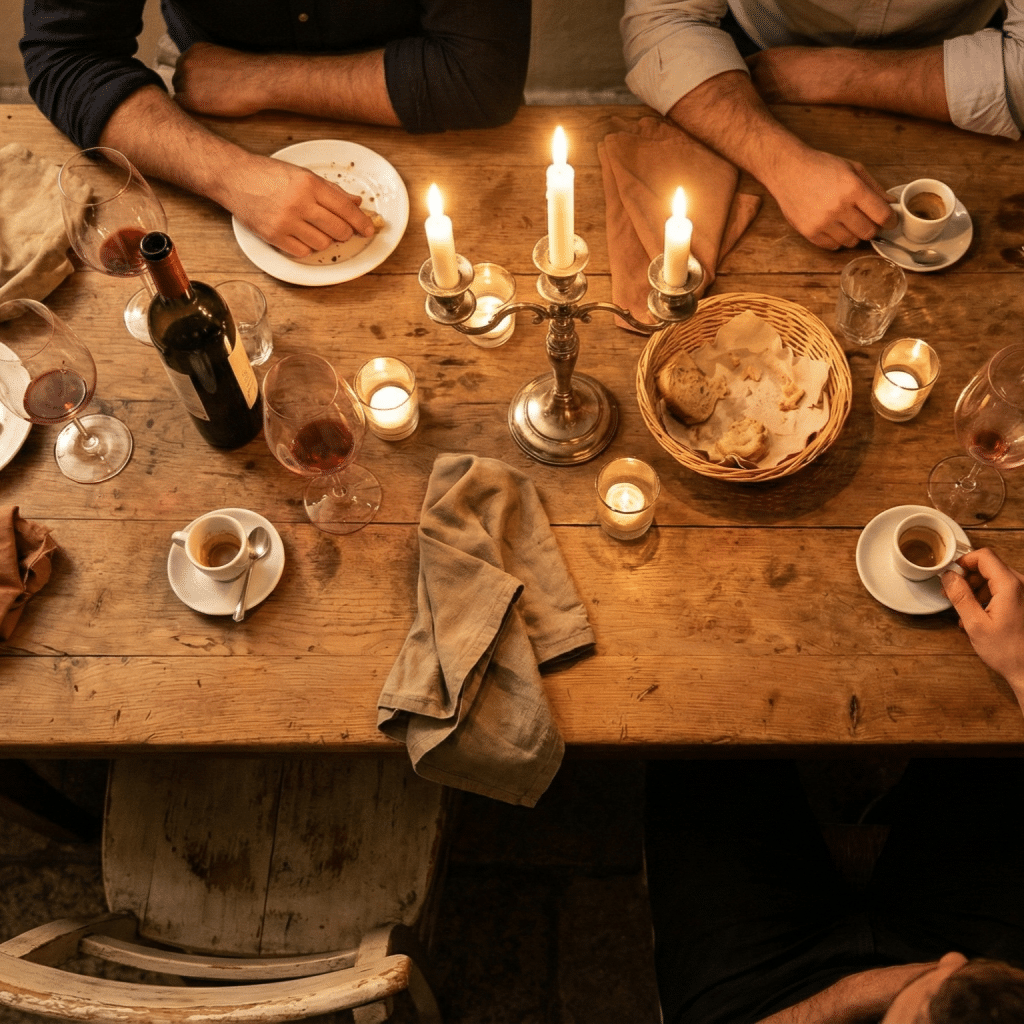
Navigating the Menu & The Check
European dining is a marathon, not a sprint. Meals in France, Spain, and Italy easily stretch to two or three hours. This isn’t slow service—it’s cultural tradition valuing time and conversation over efficiency.
The “Continental style” of using utensils is standard throughout Europe: fork in left hand, knife in right, no switching. Hands rest visibly on the table, wrists on the edge (not in lap American-style). When finished, place knife and fork parallel pointing to 4 and 10 o’clock. Still eating? Cross them on your plate.
Water is rarely free—you must explicitly request tap water (“Leitungswasser” in German, “carafe d’eau” in French, “acqua del rubinetto” in Italian) or you’ll be charged for bottled water. Bread is sometimes free (France, Spain), sometimes charged (Italy’s coperto, Germany’s bread basket).
Most importantly, the bill will never come automatically. You must signal when ready to pay—make eye contact with the server, catch their attention, mime writing in the air, or say “L’addition” (French), “Die Rechnung” (German), or “Il conto” (Italian). Wait at your table for the check to arrive. Don’t leave money and walk out—that’s considered rude.
→ Read the Full Guide: European Dining Hours and Table Manners: A Guide to Eating Like a Local
Festival and Holiday Customs: When to Visit (and When to Avoid)
European festivals create some of travel’s most magical moments—and some of its most frustrating logistical nightmares. The difference between a transformative cultural experience and an overcrowded, overpriced disaster often comes down to timing and preparation.
A Seasonal Calendar
Visiting during a festival shifts you from observer to participant. From the winter magic of Vienna’s Christmas markets to the summer energy of Spain’s San Fermín (Running of the Bulls), from Munich’s Oktoberfest to the elaborate masks of Venice’s Carnival, timing your trip around these events reveals the heartbeat of local culture.
Christmas markets (late November through December) transform Central European cities into winter wonderlands with handicrafts, mulled wine, and festive atmosphere. But they also bring extreme crowds, doubled hotel prices, and cold weather requiring serious preparation. Visit early December before peak crowds, or choose weekdays.
Easter Week in Spain (Semana Santa) and Italy (Holy Week in Rome) features centuries-old religious processions that are deeply moving—but accommodations must be booked months ahead, and many businesses close Thursday through Monday.

Summer music festivals like Salzburg Festival, Edinburgh Fringe, and Barcelona’s Primavera Sound deliver world-class performances but require booking tickets and hotels 6-12 months in advance. Cities become packed beyond normal tourist levels.
National holidays like May 1 (Labor Day), Christmas, and August 15 (Assumption Day in Catholic countries) shut down shops, restaurants, and attractions. Plan alternative activities or embrace the quiet when locals have left cities.
→ Read the Full Guide: European Festival and Holiday Customs: When to Visit Like a Local
How to Make Friends While Traveling in Europe
The travelers who come home with the best stories aren’t the ones who saw the most famous monuments. They’re the ones who made genuine connections—who were invited to family dinners in Hungarian villages, who ended up at locals-only wine cellars in Austria, who stayed in touch with the Croatian restaurant owner who taught them to cook.
Meaningful connections with locals transform travel from tourism into cultural exchange, from observing to participating, from consuming experiences to creating relationships.
Understanding European vs. American Social Norms
European social style differs significantly from American friendliness. Americans are quick to share personal information and form fast friendships. Europeans are more reserved with strangers initially, slower to warm up, but once trust is established, relationships can be deeper and more loyal than surface-level American friendliness.
Don’t interpret European reserve as rudeness or coldness. Europeans aren’t unfriendly—they’re simply more formal initially. The American approach of immediate familiarity can seem invasive or superficial. They need time to trust. But once you’ve established rapport through patience and respect, European friendships can be extraordinarily genuine.
Tools for Connection
While genuine interest and respect work wonders, technology and structured activities can help. Using apps like Meetup for language exchanges or cultural events, Couchsurfing for traveler meetups, or Tandem for language practice creates opportunities for authentic connection.
Attending organized language exchange meetups (common in most European cities) provides low-pressure environments with mutual benefit. Small group tours designed for specific age ranges (30s-40s tours, for example) offer the perfect blend of independence and built-in social opportunities.
Becoming a regular at neighborhood cafés or pubs creates repeated interactions where friendships develop naturally. Sports clubs like running groups (Parkrun is international), cycling clubs, or climbing gyms welcome visitors. Cooking classes and food tours bond people through shared experiences and everyone’s favorite topic: food.
For comprehensive strategies on meeting locals and traveling independently, see our solo travel in Europe guide.
→ Read the Full Guide: How to Make Friends While Traveling in Europe
Reading Social Cues That Change Across Borders
Understanding nonverbal communication prevents misunderstandings, helps you adapt to local social styles, and signals cultural awareness that locals notice and appreciate.
The Eye Contact, Personal Space & Kissing Spectrum
In Germany, intense eye contact during a toast (looking directly into the other person’s eyes while clinking glasses) is absolutely required—looking away is considered rude or brings bad luck. In Scandinavia, prolonged staring at strangers is uncomfortable and invasive. Mediterranean cultures embrace strong, sustained eye contact as a sign of engagement and honesty.
Personal space varies dramatically. Northern Europeans (Scandinavians, Germans, British) maintain larger bubbles—standing too close makes them uncomfortable. Southern Europeans (Italians, Spanish, Greeks) stand closer during conversation without discomfort and are more comfortable with physical touch like a hand on the arm during discussion.
And when it comes to greeting kisses, is it one kiss, two, or three? In France, it depends on the region (Paris is typically two, but some areas do three or even four). Spain and Italy are usually two. Belgium is one. Wait for the other person to initiate if you’re unsure—they’ll lean in if cheek kissing is appropriate. Remember: no actual kissing happens. You touch cheeks and kiss the air.
Conversation style varies between direct cultures (Germany, Netherlands, Scandinavia) where honesty is valued over politeness, and indirect cultures (UK, France, Southern Europe) where diplomacy and reading between the lines matters. In Germany, “That won’t work” is straightforward honesty, not rudeness. In Britain, “That’s an interesting approach” might mean “That’s a terrible idea, but I’m being polite.”
→ Read the Full Guide: Cultural Cues: Reading Eye Contact, Personal Space, and Greetings
Solo Travel & Safety in Europe
Is Europe Safe for Solo Travelers?
Absolutely. Europe consistently ranks as one of the safest regions in the world for travelers. Cities like Copenhagen, Vienna, and Munich regularly top global safety rankings. However, solo travel requires specific “street smarts”—from avoiding pickpockets in Barcelona’s Las Ramblas to navigating night trains safely, from choosing accommodations wisely to trusting your instincts in unfamiliar situations.

The freedom of traveling on your own schedule is unmatched. You eat when you want, linger in museums as long as you choose, change plans spontaneously, and move at your own pace. Solo travel also opens social opportunities that group travel doesn’t—locals and fellow travelers are more likely to approach and befriend someone alone than interrupt a couple or group.
But preparation is key. Research your accommodations carefully (hostels for social interaction, hotels for privacy and security). Stay aware of common scams like the “friendship bracelet” sellers in Paris or “helpful” strangers at train stations. Keep valuables secure and distributed (don’t keep everything in one bag). Trust your instincts—if a situation feels wrong, leave.
Women traveling solo should take additional precautions like avoiding isolated areas after dark, dressing to blend in locally, and always having a charged phone with emergency contacts. But with reasonable awareness, solo travel in Europe is remarkably safe and incredibly rewarding.
→ Read the Full Guide: Solo Travel & Safety in Europe: Your Complete Guide
Frequently Asked Questions About European Culture
What should I wear when visiting European churches?
Always aim for modesty—this isn’t about religious belief, it’s about respect for sacred spaces and the people who worship there. Cover your shoulders (no tank tops or sleeveless shirts) and knees (no shorts or short skirts). Major sites like St. Peter’s Basilica in Rome enforce these rules strictly, turning away improperly dressed visitors regardless of how far they’ve traveled.
Men should remove hats inside churches. Some Orthodox churches expect women to cover their heads with scarves—churches usually provide them at entrances if required.
Carrying a light scarf or shawl in your day bag provides insurance against being turned away. I’ve watched countless tourists denied entry to major churches, forced to buy overpriced coverups from street vendors outside, or simply missing the experience entirely. Five minutes of planning prevents this entirely.
For guidance on appropriate clothing to pack, see our European packing guide.
How much should I tip in a European restaurant?
European tipping varies dramatically by country but never reaches American standards of automatic 15-20%. The key principle: check your bill first for “service included” (service compris, Bedienung inbegriffen). When service is included, additional tipping isn’t expected though a small extra amount (5-10%) for excellent service is appreciated.
General guidelines: Germany and Austria, 5-10% for good service. France, service usually included so rounding up or adding €1-€5 is polite. Italy, coperto often included so tipping is optional but appreciated. Scandinavia, service fully included and tipping is truly optional. UK, 10-15% unless service charge already added.
Always leave tips in cash when possible, even if paying by card. Many restaurants don’t properly distribute card tips to servers. And remember—European servers earn living wages, so tips are genuine bonuses for good service, not subsidies for inadequate pay.
Why won’t Italians serve me cappuccino after 11 AM?
This is deeply ingrained cultural custom, not arbitrary rudeness. Italians consider cappuccino a breakfast beverage because the milk is heavy and filling—drinking it after lunch or dinner is seen as strange, even mildly disgusting, like ordering orange juice with your steak.
The belief is that all that milk after eating interferes with digestion. Whether this is medically accurate doesn’t matter—it’s cultural tradition. Tourist areas will still serve cappuccino at 3pm or 9pm, but locals won’t order it and may judge tourists who do.
After morning hours, stick to un caffè (espresso), which Italians drink throughout the day. If you absolutely need milk in your afternoon coffee, order a caffè macchiato (espresso with a small spot of milk) which is more acceptable than full cappuccino.
Is it rude to greet strangers in Europe?
Context matters enormously here, which confuses Americans used to greeting everyone everywhere. The rule: you should ALWAYS greet people in service situations (shopkeepers, café staff, market vendors, hotel staff) when you enter their space. Not doing so is considered spectacularly rude. Walk into any shop in France without saying “Bonjour” first and watch the temperature drop.
However, greeting random people on the street, starting conversations with strangers on public transit, or being broadly friendly to everyone you encounter is less common than in parts of the US. Europeans value privacy in public spaces. Random friendliness can seem suspicious or strange.
The distinction: service interactions require greetings. Random street encounters don’t expect them. Context-specific questions are perfectly acceptable anywhere (“Excuse me, is this the right platform for the train to Munich?”). But walking around saying “good morning” to strangers on the street will mark you as American.
Do I really need to learn the local language?
You don’t need fluency, but learning basic phrases transforms your experience completely. The difference between travelers who attempt local language (even poorly) and those who just speak English louder is night and day in how locals respond.
Learn eight essential phrases: hello, please, thank you, excuse me, yes/no, do you speak English, I don’t understand, goodbye. This takes perhaps 30 minutes of practice before your trip and changes everything.
Locals don’t expect perfection. They appreciate effort. Attempting their language, even with terrible pronunciation, shows respect. It signals you recognize you’re a guest in their country and you’re willing to meet them halfway. This simple effort opens doors, earns smiles, results in better service, leads to recommendations tourists never receive, and sometimes creates friendships.
Final Thoughts: Why Cultural Immersion Transforms Travel
I’ve spent over twenty years leading travelers through Europe, watching thousands of people experience these places for the first time. And I can tell you without hesitation: the travelers who come home changed, who describe their trip as “life-altering,” who maintain friendships with people they met and return year after year, aren’t the ones who saw the most famous monuments.
They’re the ones who learned to order coffee properly in Vienna’s coffee houses. Who spent mornings in Budapest’s market learning paprika varieties from vendors who corrected their Hungarian pronunciation patiently. Who were invited to family dinners in small Czech towns because they’d shown genuine interest in local customs. Who made friends with Croatian restaurant owners by attempting the language and asking thoughtful questions. Who attended Mass in Polish churches to understand the role of faith in Polish identity, even though they weren’t Catholic.
Cultural immersion isn’t about becoming European—you can’t, and that’s fine. You’re visiting, not transplanting your entire life. It’s about understanding enough to move through these places thoughtfully, respectfully, with genuine curiosity about how other people live.
It’s recognizing that your way of doing things isn’t universal or superior, just different. That Austrians and Italians approach punctuality differently not because one is wrong but because they have different cultural values. That French café culture isn’t inefficient—it values time and space over American-style efficiency. That German directness isn’t rude—it’s honest in a culture that values truth over polite lies. That Hungarian language attempts matter even when your pronunciation is terrible because effort signals respect.
You will make mistakes. You’ll butcher pronunciations, misunderstand customs, occasionally offend someone despite best intentions, order things wrong, show up at incorrect times, miss social cues. This is guaranteed. I still do it regularly after decades of experience.
What matters is trying. Showing respect. Staying curious. Approaching cultural differences with humility rather than judgment or defensiveness.
Learn those basic phrases in local languages. Understand tipping customs so you neither overpay nor inadvertently stiff service staff. Dress appropriately for religious sites. Arrive at restaurants when locals actually eat. Greet shopkeepers before making requests. Try local food even when it’s unfamiliar. Ask questions. Listen to answers with genuine interest. Show that you care about the places you’re visiting and the people who live there.
This isn’t complicated. It’s not expensive. It doesn’t require special skills or years of preparation. It just requires willingness to step outside your comfort zone and engage with the world on its own terms rather than expecting Europe to accommodate American habits and assumptions.
That willingness—that openness to difference, that respect for other ways of being, that genuine curiosity about how other humans have organized their lives—transforms tourism into cultural immersion. It turns sightseeing into connection. It creates moments you’ll remember decades later, long after you’ve forgotten which museum held which famous painting.
I remember sitting in a small café in Prague’s Vinohrady neighborhood years ago. I’d been coming regularly for a week, attempting Czech greetings, asking the owner about her family, showing interest beyond the transactional coffee purchase. On my last morning, she brought me an extra pastry she’d made at home, refused payment, and said in careful English, “You try. You learn our words. You see Prague with good heart. This is for thank you.”
That pastry, that small gesture of recognition and appreciation, meant more to me than seeing the Astronomical Clock or walking across Charles Bridge. Because it represented human connection across cultural and linguistic boundaries, facilitated by nothing more complicated than effort, respect, and genuine interest.
That’s cultural immersion. That’s what transforms travel from consuming experiences to creating relationships. That’s what makes Europe—these endlessly fascinating, deeply different, beautifully complex cultures—come alive in ways guidebooks and Instagram posts never capture.
Learn the customs. Speak a few words. Show respect. Stay curious. The doors that open as a result lead to the experiences that actually change you.
Ready to Travel with Cultural Awareness and Respect?
Start with these essential deep-dive guides to master specific aspects of European cultural immersion.
Your Complete European Cultural Immersion Library
Café & Food Culture: – How to Decode European Café Culture: A Country-by-Country Guide – European Dining Hours and Table Manners: A Guide to Eating Like a Local – The Art of European Market Shopping: A Guide to Cultural Immersion
Communication & Etiquette: – Essential Phrases That Make Locals Smile: Your Key to Authentic Connections – Tipping Etiquette in Europe: Your Essential Guide to Gratuity Customs – Cultural Cues: Reading Eye Contact, Personal Space, and Greetings
Practical Travel: – Navigating European Public Transportation Like a Pro – Religious Customs and Church Etiquette: A Traveler’s Guide – What to Pack for Europe: The Complete Guide
Social & Safety: – How to Make Friends While Traveling in Europe – Solo Travel & Safety in Europe: Your Complete Guide
Timing Your Trip: – European Festival and Holiday Customs: When to Visit Like a Local
Related Destination Guides: – Central & Eastern Europe Travel: The Ultimate Cultural Journey Guide – Guided Tours vs Independent Travel: Which Is Right for You?
📧 Trip Coming Up? Get My 2-Minute Cultural Brief
Traveling to Europe soon? Get a personalized cultural brief for your destination—café customs, key phrases, tipping norms, and local etiquette condensed into one quick, actionable email.
Get Your Cultural Brief →