The Perfect 2-Week Central Europe Itinerary: Vienna, Prague, Kraków & Budapest
This guide is for travelers planning their first (or return) journey through Central Europe’s iconic capitals, complete with day-by-day logistics, transportation connections, and practical advice for turning a 14-day trip into an unforgettable experience.
Planning two weeks through Central Europe can feel overwhelming when you’re staring at maps, train schedules, and hotel options. Which cities deserve more time? What’s the logical route that minimizes backtracking? How do you balance iconic landmarks with authentic local experiences without feeling rushed or exhausted?
I’ve led groups through this region for over two decades, and the “Classic Capitals” route—Vienna to Prague to Kraków to Budapest—remains the gold standard for good reason. You move west to east, then circle back, following natural geographic progression with frequent, direct, affordable train connections. Each city offers distinct cultural experiences, ensuring no two days feel the same. This route builds momentum: Vienna’s imperial grandeur gives way to Prague’s bohemian energy, then Kraków’s complex history, finishing with Budapest’s hedonistic charm.
This isn’t a checklist itinerary. It’s designed for travelers who want to experience Europe at a sustainable pace, with time to sit in Viennese coffee houses for hours, walk Charles Bridge at sunrise when it’s yours alone, and soak in Budapest’s thermal baths while locals play chess on floating boards.
A quick note on planning: Prices and opening hours are mentioned to help you budget and plan, but they can change often. I always recommend checking the official websites (which I’ll link to) for the most current information before your visit.
The 2-Week At-a-Glance
Days | Destination | Focus | Travel Time |
|---|---|---|---|
1–4 | Vienna, Austria | Imperial palaces, coffee houses, Wachau Valley day trip | Arrival |
5–8 | Prague, Czech Republic | Old Town, Prague Castle, Kutná Hora day trip | 4h (train) |
9–11 | Kraków, Poland | Main Square, Jewish Quarter, Wawel Castle, Auschwitz or Salt Mine | 6.5h (train) |
12–14 | Budapest, Hungary | Thermal baths, Danube cruise, ruin bars | 9h (night train) |
Total train time: Approximately 19 hours spread across 4 journeys. When you book advance tickets, expect to pay between 12 and 18 euros per leg for most routes.
✈️ Pro Tip: The “Open-Jaw” Flight Strategy
Critical Planning Advice: Do not book a round-trip ticket to Vienna. Instead, book a “Multi-City” (Open-Jaw) ticket: Fly INTO Vienna (VIE) and OUT OF Budapest (BUD).
While this ticket might cost 50 to 100 dollars more upfront, it saves you the 3-hour, 50+ euro train ride back to Vienna on your final day, giving you an entire extra afternoon of sightseeing in Budapest. That’s the difference between rushing to catch a train on Day 14 versus leisurely enjoying one last thermal bath or walking the Chain Bridge at sunset.
Most booking platforms (Google Flights, Kayak, airline websites) have a “Multi-City” option. Simply enter:
- Flight 1: Your home city → Vienna (VIE)
- Flight 2: Budapest (BUD) → Your home city
The math works in your favor: losing a full travel day plus train fare (€50+) costs more than the slight premium on an open-jaw ticket. This is how experienced travelers maximize their time in Europe.

Days 1–2: Vienna—Welcome to Imperial Grandeur
Arrival & Orientation
Vienna’s layout is logical—concentric rings radiating from the historic center—making navigation manageable even if you’re jet-lagged. The CAT (City Airport Train) or express bus gets you from the airport into central Vienna in around 16 to 20 minutes. Budget approximately 11 to 17 euros for the transfer. For the most current fares and schedules, check the official CAT website: https://www.cityairporttrain.com/en/home.
Where to stay: The historic center puts you within walking distance of major sites. Alternatively, the Mariahilf district offers a livelier, less touristy atmosphere with excellent restaurant and café options.
Day 1: Getting Your Bearings
Morning & Afternoon:
- Walk to St. Stephen’s Cathedral (Stephansdom) and explore the pedestrian heart of Vienna’s Old Town along Graben street
- Stroll through Rathausplatz (City Hall square) and wander the adjacent narrow streets where medieval Vienna still reveals itself
- Let yourself get pleasantly lost—Vienna rewards wanderers
Evening:
- Experience your first Vienna coffee house. Café Sacher, Café Central, or Café Hawelka each offer that quintessential Viennese atmosphere. Order a melange (cappuccino-style espresso) and a slice of sachertorte. Plan for 1 to 2 hours. This is not a grab-and-go experience; it’s where Viennese culture comes alive. Vienna’s coffee houses follow a specific set of unwritten rules—read my Guide to Vienna Coffee House Culture to order like a local and understand why lingering for hours is not only accepted but expected.
- For dinner, head to a traditional Heuriger (wine tavern) in the Neubau district, where locals gather for new-vintage wine and simple, honest food
Day 2: Schönbrunn & Beyond
Morning: Schönbrunn Palace deserves your full attention. This UNESCO World Heritage site is vast—the palace and gardens together warrant 3 to 4 hours. Arrive early, ideally for the 8:30 AM opening, to beat the crowds. Entry options typically range from around 8 euros for gardens only to approximately 18 euros for palace plus gardens. For the most current ticket prices and to book online, visit the official Schönbrunn Palace website: https://www.schoenbrunn.at/en/.
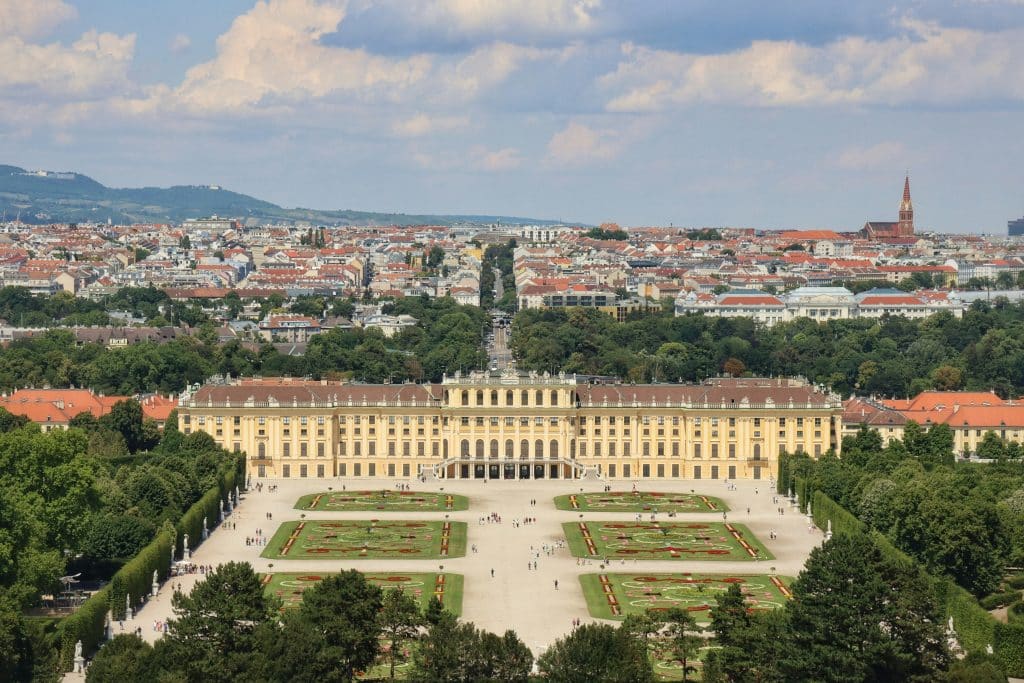
If lines are long when you arrive, explore the gardens first, then return for interior tours mid-afternoon when tour groups have dispersed.
Afternoon:
- Walk the Gloriette terrace overlooking Schönbrunn’s gardens for panoramic views of Vienna spreading beneath you
- Visit Naschmarkt, Vienna’s most vibrant market, where fresh produce, local cheeses, and international food stalls create a feast for the senses
- Explore the Mariahilf district—a livelier, less touristy Vienna neighborhood with boutique shops, galleries, and wine bars tucked into side streets
Evening: Classical concert lovers have exceptional options. Vienna State Opera or Musikverein offer standing-room tickets typically priced between 5 and 15 euros—exceptional value for world-class performances. Alternatively, explore the nightlife in Neubau or settle into a beer hall like Plachutta for a more casual evening.
Days 3–4: Vienna + Wachau Valley Day Trip
Why the Wachau Valley Matters
This UNESCO-listed Danube Valley combines three experiences: terraced vineyards producing world-class Grüner Veltliner wines, fairy-tale baroque villages, and one of Austria’s most iconic monasteries—all within 90 minutes of Vienna. The route rewards slow exploration or can be compressed into a single day.
Day 3: Full Wachau Valley Day Trip
Most organized tours depart Vienna around 8:00 to 9:00 AM and return by 5:00 to 6:00 PM. Guided tour prices typically range from approximately 100 to 150 euros and include Melk Abbey, Dürnstein village, a Danube boat ride, and hotel pickup. For current tour options and pricing, check GetYourGuide: https://www.getyourguide.com/ or Viator: https://www.viator.com/.
DIY route (total cost around 40 to 60 euros):
- Morning train: Vienna to Krems (ÖBB regional train, 1 hour). Tickets typically cost between 10 and 15 euros. For schedules and booking, visit the ÖBB website: https://www.oebb.at/en/.
- Krems: Walk the old town’s narrow streets; visit the Kunsthalle if contemporary art interests you
- Bike or boat to Dürnstein: Either rent an e-bike along the riverside path (approximately 1.5 hours of scenic cycling) or take a scenic boat downstream (1.5 hours, typically priced between 15 and 25 euros)
- Dürnstein village: Explore the baroque town and castle ruins overlooking the Danube. The castle climb is free and the views are spectacular—Danube winding through terraced vineyards as far as the eye can see.
- Afternoon boat to Melk: Glide downstream admiring terraced vineyards (1.5 to 2 hours, typically between 15 and 25 euros)
- Melk Abbey: The baroque masterpiece with stunning interiors, library, and gardens. Audio-guided tours are included with entry (allow around 2 hours; entry typically costs approximately 15 euros). For the most current prices and hours, check the official Melk Abbey website: https://www.stiftmelk.at/en/.
- Return train: Melk to Vienna (ÖBB regional, 1 hour, typically between 10 and 15 euros)
Wine tasting tip: Stop at a Wachau winery like Weingut Knoll for a tasting of Grüner Veltliner and local dishes. The hospitality is warm, and you’ll taste why this valley has been producing wine for over a thousand years.

Day 4: Vienna Deep Dive
⚠️ Monday Planning Note: Many Vienna museums (Hofburg, Belvedere, MuseumsQuartier) are closed on Mondays. If your Day 4 falls on a Monday, swap this day with Day 2 (Schönbrunn is open daily) or focus on walking tours, coffee houses, and outdoor sights like the Danube Tower.
The Hofburg Complex The former imperial winter residence, now a museum complex, offers multiple experiences. The Spanish Riding School training sessions typically range from 10 to 22 euros, while the Imperial Apartments and Sisi Museum run approximately 15 to 20 euros. Plan for 2 to 3 hours here. For the most current schedules and ticket prices, visit the official Hofburg website.
Belvedere Palace Home to Klimt’s “The Kiss” and a major Austrian art collection. Entry typically costs around 16 euros. The palace gardens are free and worth wandering even if you skip the interior. For current exhibition information and tickets, check the Belvedere website.
MuseumsQuartier One of the world’s largest cultural quarters—90,000 square meters of museums, galleries, and cafés. The Leopold Museum, featuring Egon Schiele and Gustav Klimt paintings, typically charges around 15 euros entry. For the most current information, visit the Leopold Museum website.
Evening: Consider the Danube Tower (Donauturm) for sunset city views, or settle into a jazz bar in the 7th district (Neubau) where locals gather.
Days 5–8: Prague—The City of a Hundred Spires
Why Extend Prague to Four Days?
Prague’s beauty lies not only in its Gothic spires and Charles Bridge but in slow wandering through side streets, discovering hidden gardens, and soaking in the city’s bohemian energy. Two days feels rushed. Five days allows rhythm. Four days hits that sweet spot.
Logistics from Vienna
Train connections run every 2 to 3 hours on the Vienna Hbf to Prague Hlavní nádraží route. The journey takes 4 hours on Railjet trains. When you book 1 to 2 weeks ahead, expect to pay between 12 and 30 euros. Last-minute tickets cost significantly more—often 40 euros or higher. Use ÖBB (Austrian Railways) or The Trainline for advance discounts. For schedules and booking, visit ÖBB: or The Trainline:
Day 5: Prague Arrival & Old Town
Check in: Stay in Old Town (Staré Město) for convenience or the less touristy Vinohrady district for better restaurants and a more local feel.
Orientation walk: Charles Bridge (Karlův most) to Old Town Square (Staroměstské náměstí). The magic hours are 7:00 to 9:00 AM (before crowds arrive) or 6:00 to 8:00 PM when sunset light bathes the Gothic spires in gold.
Astronomical Clock: The hourly show draws crowds, especially at noon. For a quieter experience, visit during early morning or late afternoon hours.
Church of Our Lady before Týn: This Gothic masterpiece dominates Old Town Square’s skyline with its distinctive twin spires.
Dinner: Explore Old Town’s side streets for local Czech restaurants. Avoid the main square’s tourist traps where menus feature photos and prices are inflated.
Day 6: Prague Castle & Jewish Quarter
Prague Castle (Pražský hrad) The largest castle complex in the world dominates the skyline from across the Vltava River. Walk uphill through Nerudova Street (a charming steep lane lined with baroque houses) or take tram 22 for easier access.
Inside the complex, St. Vitus Cathedral is a Gothic masterpiece. Entry options typically include cathedral access for around 16 euros, while the Royal Palace runs approximately 12 euros, and Golden Lane shops and museum cost about 12 euros. Combined tickets offer better value. Allow 3 to 4 hours without rushing. For the most current ticket prices and hours, visit the official Prague Castle website.
The terrace at the castle’s south side offers Prague’s best vista—red-tiled roofs spreading across both banks of the Vltava, spires punctuating the skyline in every direction.

Jewish Quarter (Josefov) Historically Prague’s ghetto, now a moving memorial complex. The Old Jewish Cemetery is haunting, with 12 layers of burials creating an undulating landscape of headstones. The Spanish Synagogue and Maisel Synagogue each tell pieces of Prague’s Jewish history. Combined tickets for all synagogues and the cemetery typically run around 23 euros. For the most current information and to book tickets, visit the official Jewish Museum Prague website.
⚠️ Critical Planning Note: The Jewish Museum and Synagogues are CLOSED on Saturdays for Shabbat and on Jewish holidays. If your Day 6 falls on a Saturday, swap this itinerary with Day 5 or Day 8 to avoid missing this essential experience.
The quarter is very crowded midday. Visit early morning (around 9:00 AM) or late afternoon (after 4:00 PM) for a more contemplative experience.
Dinner: Explore the emerging restaurant scene in Vinohrady or Žižkov neighborhoods, where locals eat and prices reflect reality rather than tourism.
Day 7: Kutná Hora Day Trip (UNESCO World Heritage Site)
Kutná Hora is a jaw-dropping medieval town frozen in time, just 1 hour from Prague. It deserves a full day and remains mercifully less touristy than Prague’s center. This is one of several excellent day trip options from Prague—read my complete Guide to Prague Day Trips for alternatives including Český Krumlov and the Bohemian Paradise.
Logistics: Trains run from Prague Main Station to Kutná Hora City Station (1 hour direct). Tickets typically cost between 8 and 12 euros. For schedules and booking, visit Czech Railways: https://www.cd.cz/en/.
SANDEMANs New Europe offers a group day trip for around 19 euros with an English-speaking guide, trains, and walking tour included. For current tour offerings, check the SANDEMANs website:
If you’re going DIY, trains arrive at Kutná Hora City; take the local bus to Old Town center (free with city card).
Highlights:
St. Barbara’s Cathedral (Chrám sv. Barbory) This soaring Gothic masterpiece rivals Prague Castle in architectural splendor, with intricate stonework that took over 500 years to complete. Entry typically costs around 8 euros. For the most current information, visit the St. Barbara’s Cathedral website.
Sedlec Ossuary (“Bone Church”) The macabre baroque chapel decorated with 40,000 to 70,000 human skulls and bones arranged into chandeliers, crowns, and coats of arms. Entry typically runs about 6 euros. It’s simultaneously beautiful and unsettling—a meditation on mortality unlike anything else in Europe. For hours and tickets, check the Sedlec Ossuary website.
Italian Court (Vlašský dvůr) The former royal residence and mint where Czech coins were produced. Entry typically costs around 12 euros. For the most current information, visit the Italian Court website.
Wander the Old Town: The UNESCO-listed medieval center features Gothic and Renaissance buildings. Many feature narrow “Prague streets”—alleyways so narrow two people can barely pass.
Allow 6 to 8 hours total, including train travel. Lunch in one of the town’s simple cafés overlooking the square.
Pro tip: Avoid large tour groups by catching the 7:00 to 8:00 AM train from Prague.
Day 8: Prague’s Hidden Sides
Petřín Lookout Tower & Park Prague’s Eiffel Tower sits atop a hill overlooking the city. Access it by funicular (approximately 2 euros one way) or enjoy a 5-minute walk through romantic Petřín Park. The views reward the climb.
Lennon Wall This graffiti art wall covered with John Lennon tributes changes constantly. Visit early to photograph before crowds arrive.
Charles Bridge at Sunrise Experience the bridge between 6:00 and 7:00 AM, before it becomes a tourist bazaar. The morning light on the Gothic statues, the castle looming above, the city still sleeping—this is Prague at its most magical.

Boat cruise on the Vltava River Sunset cruises typically run between 12 and 18 euros for 1 to 2 hours, with Parliament and bridges illuminated against the darkening sky. Alternatively, simply walk along the riverbanks in Vinohrady for free views.
Dinner & nightlife: Explore the ruin bars in Žižkov (unmissable for Prague’s alternative scene) or jazz clubs in Old Town. Prague’s nightlife is legendarily cheap—beer costs around 2 dollars, cocktails around 6 dollars. The city has a well-earned reputation for raucousness, but locals hang in quieter neighborhoods like Vinohrady.
Days 9–11: Kraków—History, Culture & Memory
Travel from Prague to Kraków
Train options:
RegioJet (direct, recommended): Prague Main to Kraków Główny takes 6 hours 30 minutes to 7 hours. When booked in advance, tickets typically range from 15 to 40 euros. Overnight options are also available. For schedules and booking, visit the RegioJet website.
Leo Express: Prague to Kraków (7h with transfer in Ostrava). Advance tickets typically run between 15 and 35 euros. Check the Leo Express website: for current schedules.
FlixBus: Longer but cheaper option, typically priced between 22 and 40 euros for an 8 to 10 hour journey. Visit the FlixBus website for schedules.
The RegioJet direct morning train (typically between 18 and 25 euros when booked in advance) gets you to Kraków by 1:00 to 2:00 PM, giving you the afternoon to settle in and explore.
Why Kraków Deserves 3 Days
This is Poland’s cultural heart—a city that survived Nazi occupation and Soviet oppression to emerge as one of Europe’s most vibrant. Its UNESCO Old Town sits alongside Kazimierz, a formerly Jewish neighborhood now filled with galleries, cafés, and ruin bars. And nearby, the Wieliczka Salt Mine and Auschwitz-Birkenau Museum demand respectful time.
Day 9: Kraków Old Town & Orientation
⚠️ Realistic Pacing Note: Your train arrives between 1:00 and 2:00 PM. After checking into your hotel, you’ll have the afternoon and evening. This is NOT enough time to see Wawel Castle’s interiors before closing (ticket offices close around 4:00 PM, earlier in winter). Save the castle interiors for Day 11 morning when you have the full day.
Afternoon: Main Market Square & Old Town
Rynek Główny (Main Market Square) One of Europe’s largest medieval squares (200m × 200m), surrounded by Renaissance buildings and townhouses. The Cloth Hall (Sukiennice) occupies the center, with market stalls below and the Museum of Kraków upstairs. Museum entry typically costs around 12 euros. For the most current information, visit the Museum of Kraków website.
Sit in a café overlooking the square. Locals know to avoid the tourist traps on the perimeter—ask your server for recommendations on where locals eat nearby.
Church of the Virgin Mary (Kościół Mariacki) The iconic church with two unequal spires. Legend says the unequal heights resulted from a competition between brothers—one murdered the other out of jealousy. Every hour, a trumpet fanfare (hejnał signal) is played live by musicians from the tower. Climbing the tower for the view typically costs around 5 euros. For the most current hours and prices, check the Basilica website: https://mariacki.com/en.
Walk Grodzka Street This atmospheric medieval lane connects the square to Wawel Castle, lined with galleries, cafés, and restaurants where locals outnumber tourists.
Wawel Hill Exterior & Riverbank Views Walk up to Wawel Hill to see the castle exterior and cathedral from outside (free). The courtyard and grounds are stunning, especially at golden hour. Walk to the Vistula riverbank behind the castle for classic Kraków views as the sun sets over the river.
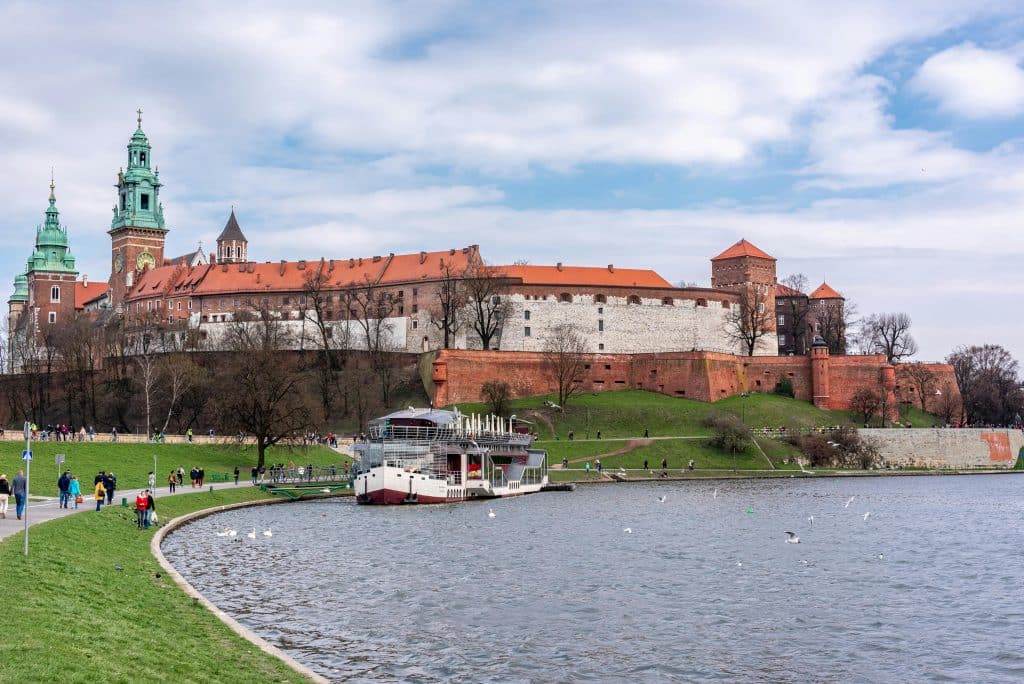
Save the castle interiors (Royal Crypts, Lost Wawel, Treasury) for Day 11 morning when you have sufficient time before closing.
Day 9 Evening: Kazimierz District
Cross the river and explore Kraków’s historic Jewish quarter, now the city’s coolest neighborhood. Remu Synagogue & Cemetery features an active synagogue with an attached Jewish cemetery (cemetery entry typically costs around 5 euros).
Ulica Szeroka is lined with galleries, bookshops, vintage stores, and cafés. This neighborhood pioneered the “ruin bar” concept—underground bars in dilapidated buildings with street art, mismatched furniture, and cheap cocktails. The atmosphere is creative, irreverent, and unmistakably Kraków.
Kazimierz deserves deeper exploration than one evening allows. Read my comprehensive Guide to Kraków’s Jewish Quarter: Kazimierz’s History and Modern Revival to understand the neighborhood’s complex past and vibrant present.
Day 10: Wieliczka Salt Mine or Auschwitz-Birkenau
This is the critical choice of your Kraków days. Ideally, you’d do both (each deserves a full day), but realistically, pick one based on your interests.
Option A: Wieliczka Salt Mine (UNESCO World Heritage)
The world’s oldest salt mine, in continuous operation for over 700 years, features underground chapels, salt chandeliers, and saline lakes.
Logistics: Located 14 km outside Kraków (30 to 40 minutes by car or bus). Organized tours with hotel pickup typically range from approximately 26 to 60 euros and include skip-the-line entry and a guide. For current tour options, check GetYourGuide: or Viator .
DIY approach: Take local bus 304 or 305 from Kraków center (approximately 2 euros). Entry at the mine typically costs around 29 euros. For the most current schedules and prices, visit the official Wieliczka Salt Mine website: .
Hours: Daily from approximately 9:00 AM to 5:00 PM; last entry is typically 1.5 hours before closing.
Inside the mine: The main Tourist Route covers 2 miles underground with 800 descending steps. Highlights include St. Kinga’s Chapel (Europe’s only underground church where masses are held), underground lakes, salt chandeliers, and wooden mining equipment centuries old. Allow 2 to 3 hours.
Note: Not recommended for those with mobility issues due to multiple stairs.
Option B: Auschwitz-Birkenau Memorial & Museum
This UNESCO site is where over 1.1 million people were murdered by Nazi Germany. Visiting is sobering, necessary, and demands respectful time.
Logistics: Located 65 km from Kraków (90 minutes by car). Organized tours, which I recommend, typically range from 40 to 60 euros and include transportation, a guide, and a 3.5 to 4 hour tour. Tours depart Kraków between 8:00 and 9:00 AM and return by 4:00 to 5:00 PM. For current tour options, check GetYourGuide. or Viator,
Self-guided: Take a train or bus to Oswiecim town (1.5 hours), then a local shuttle to the museum (approximately 3 euros). Entrance is free, but audio guides cost around 5 euros. For the most current information, visit the official Auschwitz-Birkenau website.
What to expect: Auschwitz I features reconstructed barracks, gas chambers, crematorium, and prisoner cells. Auschwitz II (Birkenau) is the larger, decimated camp where most of the mass murders occurred—more harrowing visually.
Allow a minimum of 4 hours (6 or more with private reflection). Plan a quiet afternoon afterwards. This is not a “fun” experience but a necessary one.
Day 11: Kraków Culture & History Deep Dive
Morning: Wawel Castle Interiors
Now that you have the full morning, visit Wawel Castle’s interiors properly. The crown jewel of Polish history, where Polish kings were crowned and buried. Explore the Royal Crypts with a ticket typically priced around 23 euros (allow 2 hours). Castle exhibitions include Lost Wawel (archaeological remains beneath the castle—highly recommended), Royal Apartments, Treasury, and Armory. Individual exhibitions typically cost between 12 and 15 euros, or combined tickets run around 27 euros. For the most current ticket prices and to book online, visit the official Wawel Castle website:
“Lost Wawel” is exceptional—it walks you through 1,000 years of Kraków history in an underground museum that most visitors miss. Arrive when the castle opens (around 9:00 AM) to beat crowds. Allow 3 to 4 hours for castle interiors plus cathedral.
Afternoon Options Based on Day 10 Choice:
If you did the salt mine on Day 10:
- Oskar Schindler’s Enamel Factory: The site from “Schindler’s List,” now a moving WWII history museum. Entry typically costs around 8 euros. For the most current information, visit the Schindler’s Factory page of the Krakow Museum.
- Museum of Kraków (Sukiennice, upstairs from the cloth hall; typically around 12 euros)
- Czartoryski Museum: Houses Leonardo da Vinci’s “Lady with an Ermine,” one of only a few da Vinci paintings worldwide. Entry typically costs around 14 euros. For the most current information, visit the Czartoryski Museum website.
- Modern Kraków: Walk the trendy Podgórze neighborhood or visit street art areas
If you did Auschwitz on Day 10:
- Gentle day: Slow walk through Kazimierz, visit the Jewish museums, explore galleries
- Lunch: Try traditional Kraków zapiekanka (open-faced sandwich) or pierogi at local market stalls
- Evening: Return to a ruin bar in Kazimierz or explore Kraków’s eclectic restaurant scene
Days 12–14: Budapest—Thermal Baths & Danube Magic
Travel from Kraków to Budapest
Train options:
Day train (direct): Kraków Główny to Budapest Keleti takes 8 hours 38 minutes to 9 hours. Advance tickets typically range from 49 to 60 euros with departures between 11:00 AM and 1:00 PM. For schedules and booking, visit ÖBB: or MÁV.
Note: This is a long journey that consumes most of a day. The route often travels via Bohumin or Ostrava with at least one connection, and there are currently no high-speed direct options on this leg.
Night train (RECOMMENDED): Kraków to Budapest overnight takes 9 hours 55 minutes. Tickets range from 50 to 150 euros depending on berth quality (seat, shared compartment, or private cabin). The train typically departs around 10:20 PM and arrives approximately 8:30 AM.
Important: Train schedules change annually in mid-December. The actual departure time in 2025/2026 may be closer to 11:00 PM or involve a connection at Bohumin. Always verify current times when booking—the principle (take the night train) remains sound regardless of exact schedule. For schedules and booking, visit ÖBB or MÁV.
The night train is the superior choice for this leg. You save a full day of sightseeing, avoid the tedium of a long daytime journey with connections, and save one night’s accommodation cost. Book a private cabin if your budget allows—you’ll arrive in Budapest refreshed and ready to explore rather than train-weary.
Why Budapest Earns 3 Days
This is Europe’s hedonistic heart—a city where history and hedonism coexist beautifully. The thermal spa culture is unrivaled. The ruin bars are legendary. The Danube views are postcard-perfect. And the nightlife is cheaper and more vibrant than any Western European capital.
Day 12: Budapest Arrival & Buda Side
Note: If you took the night train, you’ll arrive around 8:30 AM. Check into accommodation, freshen up, then begin exploring.
Buda Castle (Budavári Palota) The massive palace complex overlooks the Danube, visible from all over the city. Entry options for palace interiors (Queen Elisabeth Museum, Crown Jewels, etc.) typically range from 22 to 25 euros combined. Many prefer the free courtyard for photos. For the most current information, visit the Buda Castle website.
Walk uphill (steep but scenic; 15 minutes from city center) or take the Sikló (funicular cable car; approximately 2 euros one way for a classic experience).
Late afternoon offers golden-hour light on the palace.
Fisherman’s Bastion (Halászbástya) Romantic neo-Gothic viewpoint overlooking the Danube and Parliament building. Entry typically costs around 6 euros, though you can walk around outside for free. For the most current information, visit the Fisherman’s Bastion website.
St. Matthias Church Gothic beauty with colorful roof tiles, adjacent to Fisherman’s Bastion. For current hours and ticket prices, check the Matthias Church website.
Walk the Danube: Cross the Chain Bridge (Széchenyi lánchíd) on foot for the classic view of Parliament reflected in the river.
Day 12 Afternoon/Evening: Your First Thermal Bath
Budapest has 18 public thermal spas. This is the essential Budapest experience. No trip is complete without soaking in 38°C waters while architectural beauty surrounds you. The thermal bath culture runs deep in Hungarian life—these aren’t tourist attractions; they’re where locals gather, relax, and socialize. Read my complete Guide to Budapest’s Thermal Bath Culture to understand the etiquette, what to bring, and which bath suits your style.
The thermal baths represent one of Central Europe’s most authentic cultural experiences—where you participate in daily life rather than observe it. For more experiences like this across the region, read our guide: 10 Authentic Cultural Experiences in Central Europe (That Aren’t Tourist Traps).
![Széchenyi Thermal Bath’s grand neo-baroque yellow building with outdoor steaming pools in foreground, locals playing chess on floating boards in the turquoise water, winter steam rising against blue sky]
Best spas for first-timers:
Széchenyi Thermal Bath Grand and touristy but stunning. Entry typically ranges from 20 to 25 euros. Arrive early (9:00 to 10:00 AM) to beat crowds. The outdoor pools (heated year-round, even in winter) are surreal—soaking while chess players sit on pool-platform boards playing matches. For the most current prices and hours, visit the Széchenyi Baths
Gellért Baths More upscale with a locals mix. Entry typically ranges from 25 to 30 euros. For the most current information, visit the Gellért Baths website:
Rudas Baths Ottoman heritage with a local vibe. Entry typically ranges from 18 to 22 euros. For the most current information, visit the Rudas Baths website:
Bring swimsuit, towel, and flip-flops (or rent lockers for valuables for approximately 1 to 2 euros). Swimsuits are required; nudity is not permitted in main pools. Allow 2 to 3 hours. Spa treatments like massage typically cost an additional 40 to 80 euros.
Day 13: Pest Side & Danube Experience
Hungarian Parliament Building Iconic gothic revival architecture dominating the Danube. Tours typically cost around 30 euros for 45 minutes (book ahead; available in multiple languages; limited daily tours). Even if you skip the interior tour, the building is magnificent from the outside. For the most current tour information and booking, visit the Hungarian Parliament website: .
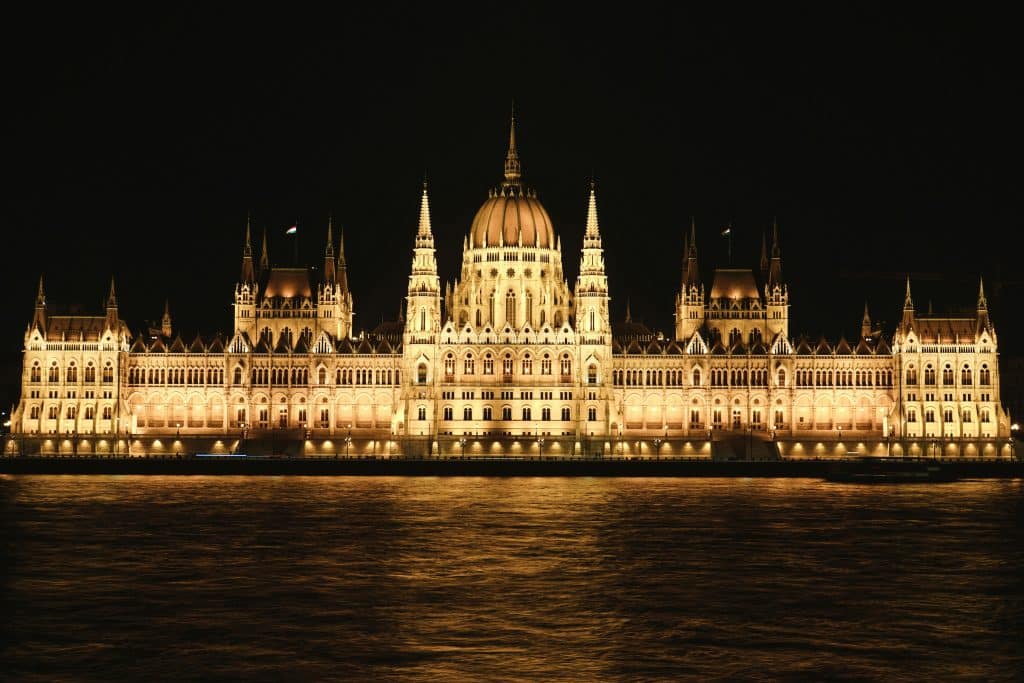
Shoes on the Danube Bank Haunting WWII memorial—60 pairs of bronze shoes representing Jews shot on the Danube banks by Arrow Cross fascists. Free to visit; impossibly moving.
Danube River Cruise Evening sunset cruises (1 to 2 hours) typically range from 15 to 25 euros, with Parliament and bridges lit up against the night sky—quintessential Budapest. Reserve through hotels or tourism offices. Many include a drink or light snack. There are many operators with similar offers, for current cruise options, check Legenda Cruises: or Budapest River Cruises:
Ruin Bars Budapest’s most famous export—bars set up in dilapidated buildings with street art, mismatched furniture, and cheap cocktails. Szimpla Kert is the original (can be touristy), but Instant and Zöld Pardon offer similar vibes. Find quieter ruin bars in residential neighborhoods away from the main tourist strip. Beers typically cost between 2 and 4 euros; cocktails between 4 and 6 euros.
Day 13 Evening: Food Scene
Budapest’s emerging restaurant scene rivals Prague and Kraków. Try Hungarian specialties like Goulash (stew of beef, paprika, onions) or Halászlé (spicy fish soup). Great restaurants include Zona Spa (traditional), Mazel Tov (modern Israeli-Hungarian fusion), and Kerítés (trendy Pest side).
Day 14: Day Trip or Deeper Budapest
Option A: Szentendre Day Trip (Charming Danube Town)
Szentendre is a picturesque baroque village 40 km north of Budapest—perfect for a half-day or full-day escape.
By suburban train (HÉV): Budapest Batthyány tér station to Szentendre takes 40 minutes. Tickets typically cost between 2 and 4 euros with trains running every 20 minutes. Start from Batthyány tér (near Parliament, easily walkable from most hotels). The station is close to Margaret Bridge. For schedules, check the BKK website:
By boat (seasonal, summer only): Scenic Danube cruise from Budapest Vigadó tér takes 2 hours downstream and typically costs between 12 and 18 euros. For schedules, check Mahart PassNave:
In Szentendre: Main Square (Fő tér) features baroque town center surrounded by pastel-colored buildings and cafés. Artist galleries and museums dot the town, which hosts a thriving artist community. Walk the riverside for scenic Danube views and local restaurants.
Allow 4 to 6 hours total, including train travel. Budget approximately 25 to 40 euros including train and lunch.
Option B: Deeper Budapest Day
If you prefer staying in Budapest:
- Gödöllo Palace: Former royal summer residence east of Budapest. Train plus palace tour typically totals between 35 and 50 euros; allow 4 hours. For the most current information, visit the Gödöllo Palace website:
- Margaret Island (Margit-sziget): Island in the Danube with parks, ruins, thermal baths, and restaurants—peaceful escape from Pest bustle
- Jewish Quarter: Museums, synagogues, and memorials documenting Budapest’s Jewish history
- Visit a second thermal bath you missed on Day 12 (Rudas or Gellért)
- Shopping & Markets: Explore the Great Market Hall (Vásárcsarnok) for local produce, meat, cheese, and crafts
Day 14 Evening: Departure
Most international flights depart Budapest in the evening or night. If you’ve checked out of your hotel by 11:00 AM but your flight isn’t until evening, you have options for exploring Budapest hands-free.
Luggage Storage Solutions:
- Your hotel: Most hotels will store luggage for departing guests at no charge
- Budapest Keleti station: Luggage lockers available (approximately 3 to 5 euros per day)
- Budapest Nyugati station: Also offers luggage storage facilities
- Radical Storage: Private luggage storage network throughout Budapest (bookable online)
This gives you 4 to 6 extra hours to enjoy Budapest without dragging bags around. Perfect for:
- One final leisurely café experience overlooking the Danube
- A last walk across the Chain Bridge at sunset
- A final browse through the Great Market Hall
- Relaxing in Margaret Island before heading to the airport
Allow approximately 30 minutes from city center to the airport by metro or taxi. Add buffer time for security and check-in.
Logistics Deep Dive: Getting Between Cities
Central Europe’s train network is one of the continent’s most reliable and scenic. The key to maximizing value is understanding when to book, which operators to use, and how to avoid common pitfalls. For a comprehensive guide to booking strategies, station navigation, and bus alternatives, see our complete guide: Getting Around Central & Eastern Europe: Trains, Buses, and Rental Cars.
Currency Note
While I list prices in euros (€) throughout this guide for easy comparison, you’ll need local currency in each country. Vienna uses euros, but Prague requires Czech koruna (CZK), Kraków uses Polish złoty (PLN), and Budapest operates with Hungarian forint (HUF). ATMs are widely available in all cities and typically offer better exchange rates than airport or hotel currency exchanges. Most hotels, restaurants, and major attractions accept credit cards, but carry some local cash for markets, small cafés, and tips.
Train Booking Strategy
The Golden Rule: Book 2 to 4 weeks in advance for the best prices. Last-minute tickets cost 2 to 3 times more.
Route | Time | Early Book | Last-Minute | Operator(s) |
|---|---|---|---|---|
Vienna → Prague | 4h | €12–18 | €35–50 | ÖBB Railjet, RegioJet |
Prague → Kraków | 6h 30m | €15–25 | €35–50 | RegioJet, Leo Express |
Kraków → Budapest (day) | 8h 45m | €49–60 | €80–100 | ÖBB, MÁV |
Kraków → Budapest (night) | 9h 55m | €50–130* | €100–150 | MÁV, ÖBB |
Budapest → Vienna | 2h 23m | €9–20 | €30–40 | ÖBB, MÁV, RegioJet |
*Night train prices vary by cabin type (seat/shared compartment/private cabin)
Booking websites (compare prices):
- ÖBB: Austrian national railways; best for Vienna-Prague routes
- RegioJet: : Czech/Polish operator; excellent for Prague-Kraków
- The Trainline: International aggregator; often shows deals
- RailCC: Route planner with step-by-step booking guidance
- Omio: Compares trains plus buses
Pro tips:
- Set up price alerts 6 to 8 weeks before travel
- Book on Tuesday to Thursday (historically cheaper than weekends)
- Standing room tickets exist on some regional trains but are not recommended for 4+ hour journeys (most long-haul intercity trains like Railjet require seat reservations)
- Night trains save accommodation costs (sleep on train, arrive next morning)
Slow Travel Variations
10-Day Condensed Version
If you have only 10 days, prioritize quality over breadth:
Vienna (2 days) → Prague (4 days) → Budapest (4 days)
Cut Kraków and focus on three cities. Vienna’s Schönbrunn, Hofburg, and coffee culture can be seen in 2 focused days. Prague deserves 4 with the Kutná Hora day trip. Budapest gets 4 with a thermal bath, Danube cruise, and at least one day of neighborhood wandering.
Logistics: Vienna to Prague (4h train) to Budapest (4h 45m train from Prague direct).
3-Week Extended Version
Days 1–5: Vienna + Wachau (as outlined above)
Days 6–9: Prague + Kutná Hora (as outlined above)
Days 10–12: Kraków + Wieliczka Salt Mine + Auschwitz-Birkenau (YES, do both)
Days 13–16: Budapest + Szentendre day trip + one additional spa/thermal experience
Days 17–21: Slow-travel add-ons (choose 1–2):
- Ljubljana, Slovenia: Train Budapest to Ljubljana (direct train, 8.5h) or connect via Vienna. Slovenia’s capital offers alpine beauty plus Mediterranean charm. Allow 2 to 3 days.
- Salzburg, Austria: Train Vienna to Salzburg (2.5h); explore Mozart’s birthplace and alpine Tyrol region. Allow 1 to 2 days.
- Bratislava, Slovakia: Train Vienna to Bratislava (1h); charming smaller capital on the Danube. Allow 1 day.
Budget Snapshot: Realistic Costs for 14 Days
Budget expectations vary dramatically based on travel style, season, and booking timing. The ranges below reflect real 2025 costs across three travel styles. For a detailed breakdown of costs by category, money-saving strategies, and sample daily budgets, read our Realistic Central Europe Budget Guide: How Much Does a Trip Cost?.
Expense | Budget Traveler | Mid-Range | Comfort |
|---|---|---|---|
Accommodation (14 nights) | €560–700 | €840–1,120 | €1,400–2,100 |
Meals | €400–560 | €700–1,050 | €1,400–2,100 |
Local transport | €50–100 | €60–120 | €100–150 |
Trains between cities | €100–150 | €120–180 | €200–300 |
Activities & sights | €120–180 | €200–300 | €400–500 |
Thermal baths | €60–80 | €100–150 | €150–250 |
TOTAL (14 days) | €1,290–1,770 | €2,020–2,920 | €3,650–5,400 |
Per day | €92–126 | €144–209 | €261–386 |
Money-saving strategies:
- City Cards: Many cities offer 24 to 72 hour passes with free transport plus museum discounts (typically between 20 and 45 euros)
- Lunch Specials: Look for “Mittagsmenü” (lunch menu) in Austria and Germany—typically between 8 and 12 euros for a full meal with drink (versus 18 to 25 euros at dinner)
- Free walking tours: Most cities offer 2 to 3 hour walking tours (tips appreciated, typically between 10 and 15 euros)
- Museum free hours: Vienna’s top museums offer free entry on certain evenings; Prague’s smaller museums often have free hours
- Train passes: A 7-day Eurail or Interrail pass might be cheaper than point-to-point bookings if you travel frequently (costs typically range from 350 to 420 euros)
Seasonal Considerations
When to Visit: Spring (May) and fall (September) are ideal—mild weather, fewer crowds, and lower prices than summer. Winter (November to December) offers Christmas markets but cold weather. Summer (July to August) is crowded but warm. For a month-by-month breakdown of weather, crowds, prices, and events, check our Central Europe Seasonal Calendar: Best Times to Visit Beyond Christmas Markets.
Best time for this specific itinerary: May or September
- Weather is stable (typically between 15 and 22°C), with daylight extending until 8 to 9 PM
- Major sights are open with normal hours
- Prague and Vienna are crowded but manageable compared to July to August
- Prices are mid-range (not winter-cheap, not summer-inflated)
Practical Essentials
Booking accommodations: Book 4 to 8 weeks ahead in Vienna and Prague. Hungary and Poland have more availability. Consider staying in neighborhoods slightly outside the center (typically saving 15 to 30 euros per night) but still walkable to sights.
Visa & currencies:
- Austria (Vienna), Czech Republic (Prague): Schengen visa if required; 90-day visa-free for many nationalities
- Poland (Kraków): EU member; same visa rules as Czech Republic
- Hungary (Budapest): EU member; same visa rules
- Currencies: Vienna uses euros (€); Prague, Kraków, and Budapest use koruna, złoty, and forint respectively. ATMs are widely available; cards are accepted in major establishments
Language: English is widely spoken in tourist areas (hotels, restaurants, major attractions). Older locals may speak German. Learning basics (hello, thank you, excuse me) in each country is appreciated.
Frequently Asked Questions
How much time do I need for this itinerary?
Fourteen days is ideal for visiting all four capitals without feeling rushed. Ten days works if you skip Kraków, though I’d regret missing it. Three weeks allows for deeper exploration and additional day trips.
Is it better to take day trains or night trains?
Night trains between Kraków and Budapest save a day and accommodation costs, arriving fresh in the morning. Day trains offer scenery but consume most of a day. I recommend the night train for this leg.
Can I do this itinerary in reverse?
Yes, though the Vienna to Prague to Kraków to Budapest sequence follows natural geographic progression with optimal train connections. Reversing it works logistically but may involve slightly longer connections.
Are thermal baths appropriate for families?
Most Budapest thermal baths welcome families, though some have age restrictions for certain pools. Széchenyi is most family-friendly. Check individual bath websites for current policies.
How far in advance should I book trains?
Book 2 to 4 weeks ahead for best prices. Prices typically double or triple when booking last-minute. Set price alerts 6 to 8 weeks before travel.
Do I need cash or can I use cards?
Cards work in most hotels, restaurants, and major attractions. Carry some local currency for markets, small cafés, and tips. ATMs are widely available.
Is Prague safe for solo travelers?
Prague, like all four cities in this itinerary, is generally safe for solo travelers. Use normal city precautions (watch belongings in crowded areas, avoid unlicensed taxis). Prague’s nightlife areas can get rowdy late at night.
What’s the walking distance between major sites?
Vienna’s historic center is compact (Stephansdom to Hofburg is approximately 15 minutes walking). Prague Old Town to Castle is approximately 20 to 30 minutes. Kraków’s Main Square to Wawel Castle is approximately 15 minutes. Budapest splits between Buda (castle side) and Pest (city center), requiring either walking across bridges (approximately 20 minutes) or taking metro/tram.
What is the best 2-week itinerary for Central Europe?
The classic “Capitals Route” is the most efficient choice: spend Days 1-4 in Vienna, Days 5-8 in Prague, Days 9-11 in Kraków, and Days 12-14 in Budapest. Save time by booking “Open-Jaw” flights (into Vienna, out of Budapest) and using the night train between Kraków and Budapest
Your 14-Day Central Europe Journey Awaits
This itinerary balances the must-see icons (Schönbrunn’s gardens, Charles Bridge’s sunset, Wawel Castle’s royal crypts, Széchenyi’s thermal pools) with authentic experiences (Vienna coffee houses, Prague’s quieter neighborhoods, Kazimierz’s galleries, Hungarian wine bars). You’ll travel approximately 1,000 km by train, cross four borders, and return home with memories that linger far beyond the trip’s end.
The key to this itinerary’s success is patience—resist the urge to add more cities. Three cities in 10 days is rushed. Four cities in 14 days is ideal. Five cities in 14 days is a blur. The magic of Central Europe isn’t in checking boxes. It’s in sitting for two hours over a single coffee in Vienna, watching locals play chess in a Budapest thermal bath, or walking Charles Bridge at sunrise when the city is yours alone.
These are the moments that stay with you long after the photos fade. The conversations you have with the Viennese café owner who’s worked the same corner for 40 years. The sunset from Wawel Castle when the Vistula turns gold. The first moment you step into Széchenyi’s outdoor pools on a cold November morning, steam rising around you while Budapest spreads out beyond the water.
Travel like this—not rushing, not checking boxes, but experiencing—transforms a trip into something that changes how you see the world.
📚 Read This Next
Now that you have your route planned, use these guides to finalize the details of your trip:
- Logistics: Getting Around Central & Eastern Europe: Trains, Buses, and Rental Cars – A complete breakdown of the best transport options between Vienna, Prague, Kraków, and Budapest.
- Budgeting: How Much Does a Trip to Central Europe Cost? A Realistic Budget Guide – Detailed daily estimates for accommodation, food, and sightseeing in 2025.
- Dining & Etiquette: European Dining Hours and Table Manners: Eat Like a Local – Avoid “tourist trap” dining times and learn the essential table customs for Austria, Czech Republic, and Poland.
Related Guides on PieterOnTour.com:
- 10 Authentic Cultural Experiences in Central Europe (That Aren’t Tourist Traps).
- Central & Eastern Europe Travel The Ultimate Guide for Culturally Curious Travelers.
- Central Europe’s Seasonal Calendar Best Times to Visit (Beyond Christmas Markets).
- Central & Eastern Europe Travel: The Ultimate Guide for Culturally Curious Travelers
- Getting Around Central & Eastern Europe Trains, Buses, and Rental Cars.
- How Much Does a Trip to Central Europe Cost A Realistic Budget Guide.