
How Much Does a Trip to Central Europe Cost? A Realistic Budget Guide
This guide is for travelers planning a trip to Central and Eastern Europe who want realistic daily budgets, city-by-city price comparisons, and practical money-saving strategies that actually work.
Central and Eastern Europe still offers some of the best value in Europe, but prices are creeping up, and different cities can feel like different worlds for your wallet. Vienna and Zurich operate in a different league from Prague or Budapest. While inflation has nudged prices higher in 2025, especially in Hungary and Czechia, these destinations remain competitive compared with Western Europe. Below, I’ll break down realistic daily budgets, show you how prices compare between key cities, and share practical money-saving strategies, including when city cards are actually worth buying.
A quick note on planning: Prices and opening hours are mentioned to help you budget and plan, but they can change often. I always recommend checking the official websites (which I’ll link to) for the most current information before your visit.
Quick Budget Snapshot: Daily Costs by Travel Style
Quick Budget Overview:
- Budget traveler: €60–80 per day
- Mid-range traveler: €120–170 per day
- Comfort traveler: €200–280+ per day
These ranges assume a mix of cities like Vienna, Prague, Budapest, and Kraków. They include accommodation, food, local transport, and activities but exclude long-haul flights.
Budget travelers (€60–80 per day) typically stay in hostels or budget guesthouses, rely on public transport, eat cheap meals, and limit paid attractions.
Mid-range travelers (€120–170 per day) opt for 3-star hotels, enjoy restaurant meals, visit key attractions, and take some day trips.
Comfort travelers (€200–280+ per day) choose 4-star hotels, dine at restaurants more frequently, and book private tours or premium experiences.
Currency Reality: Euro vs Local Currencies
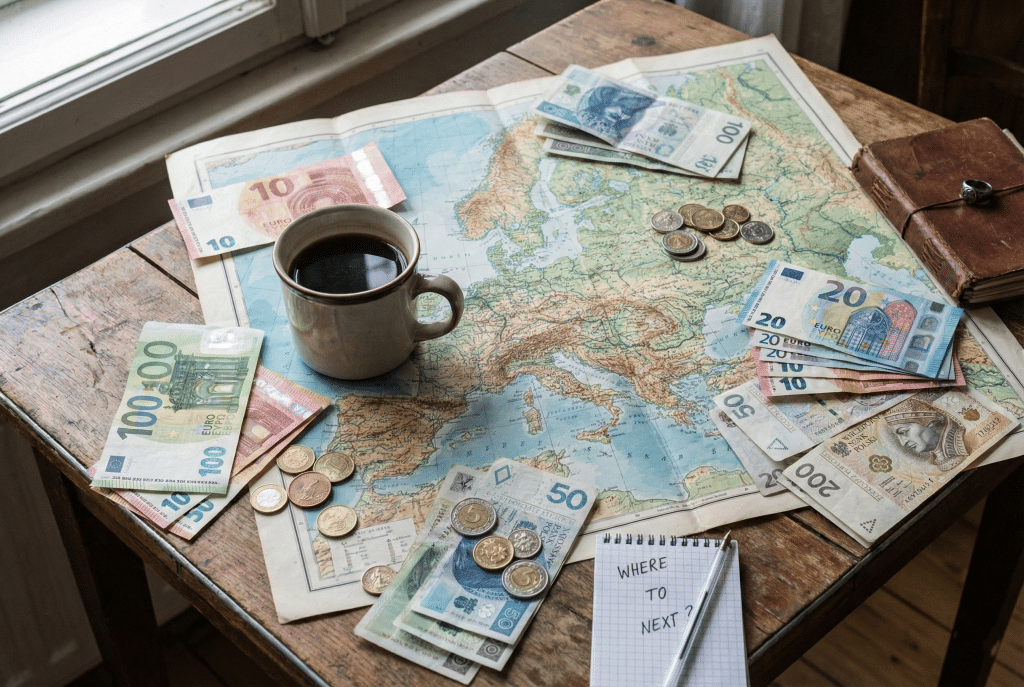
Central and Eastern Europe is a patchwork of currencies. Knowing what you’ll use where simplifies ATM and card planning.
Euro (EUR, €) is used in:
- Austria
- Slovakia
- Slovenia
- Croatia
Local currencies you’ll encounter:
- Czech Republic: Czech koruna (CZK)
- Hungary: Hungarian forint (HUF)
- Poland: Polish złoty (PLN)
- Romania: Romanian leu (RON)
- Bulgaria: Bulgarian lev (BGN)
Practical details:
- Use ATMs attached to banks for better exchange rates. I always use bank-affiliated ATMs like Erste or Raiffeisen rather than the bright yellow Euronet machines, which tend to charge higher fees and offer worse rates.
- Cards are widely accepted in cities across the region
- Small shops, markets, and rural businesses may prefer cash
- Always decline dynamic currency conversion on card terminals (choosing to pay in your home currency typically gives worse rates)
- When carrying cash, keep 5-10% extra for tips (standard tipping in Central Europe is around 5-10% in restaurants, rounding up for taxi drivers and tour guides)
On this page
Price Check: What Things Actually Cost
To show you the spread, here’s a look at everyday prices in three reference cities: Prague (affordable), Vienna (mid-high), and Zurich (expensive benchmark). Figures are approximate 2025 averages.
Coffee (cappuccino):
- Prague: around €3.00
- Vienna: around €5.20
Local beer (0.5L in a pub):
- Prague: around €2.70
- Vienna: around €6.00
Cheap restaurant meal:
- Prague: around €9–10
- Vienna: around €15–17
Mid-range 3-course dinner for two:
- Prague: around €40–46
- Vienna: around €73–93
- Zurich: often €120+ for something comparable
The takeaway? Prague is roughly 15–30% cheaper than Vienna for restaurant and grocery prices overall. Vienna, while not cheap, is significantly more affordable than Swiss hubs like Zurich for food and services.
What a Day Actually Costs: Line by Line
Below is a rough daily breakdown for a mid-range traveler in a typical Central Europe capital (Vienna, Prague, Budapest mix). Budgeting for food and activities is easier when you have a plan—see my 2-Week Central Europe Itinerary for restaurant recommendations and day-by-day pacing.
Accommodation (private room in 3-star hotel or guesthouse):
- €70–110 per night
Food:
- Breakfast: Often included or €5–8 at a bakery
- Lunch: €8–15 (sandwich, soup, or lunch special)
- Dinner: €15–25 in a mid-range restaurant
- Daily food total: €30–45
Local transport:
- Single tickets: roughly €1.50–3.00 depending on city
- 24-hour passes: usually €6–9
- Daily average: €4–8 if you’re using public transport regularly
For more details on booking trains and finding the best fares between cities, see my guide to Getting Around Central Europe.
Attractions:
- Museum or attraction tickets: €6–18 per site
- Daily average: €10–25 depending on pace
Extras (coffee, drinks, snacks):
- €5–15
That brings a typical mid-range day to about €120–170, with Vienna and Zurich toward the top of the range, Prague and Budapest toward the lower end.
City Cards: When They’re Worth Buying
City cards bundle public transport with free or discounted attractions. They can be excellent value for museum-heavy days if you plan strategically.
Vienna City Card:
- 48-hour price: roughly €25
- Includes: Unlimited public transport and discounts (not free entry) at sights like Belvedere and museums
Best for: Travelers already planning to use trams and metros heavily and visit several paid sights (less ideal if you only want one or two museums per day)
- For current pricing and details, check the official Wien.info site.
Budapest Card:
- 48-hour price: around €56
- Includes: Free public transport, free entry to multiple museums, and discounts for thermal baths (some versions include one free bath entry)
- Best for: History and museum lovers planning to use trams and metros frequently, especially if a thermal bath visit is included
- Budget tip: If you’re not planning heavy museum visits, consider buying the transport-only pass available at metro stations, which is often much cheaper and covers all your tram, metro, and bus rides.
- For current pricing and details, visit the official Budapest Card website.
Kraków Tourist Card:
- 48-hour price: around €46
- Includes: Free access to approximately 35 museums and attractions, plus public transport (Oskar Schindler’s Factory is a popular inclusion)
- Best for: Short stays packed with museums and trams
- For current pricing and details, check the official Kraków city card site.
General rule: Add up normal entry fees plus a 48-hour or 72-hour transport pass. If that total exceeds the card price, it’s worth it. Many cards only offer discounts, not free entry, so read the fine print before buying.
Money-Saving Strategies That Work
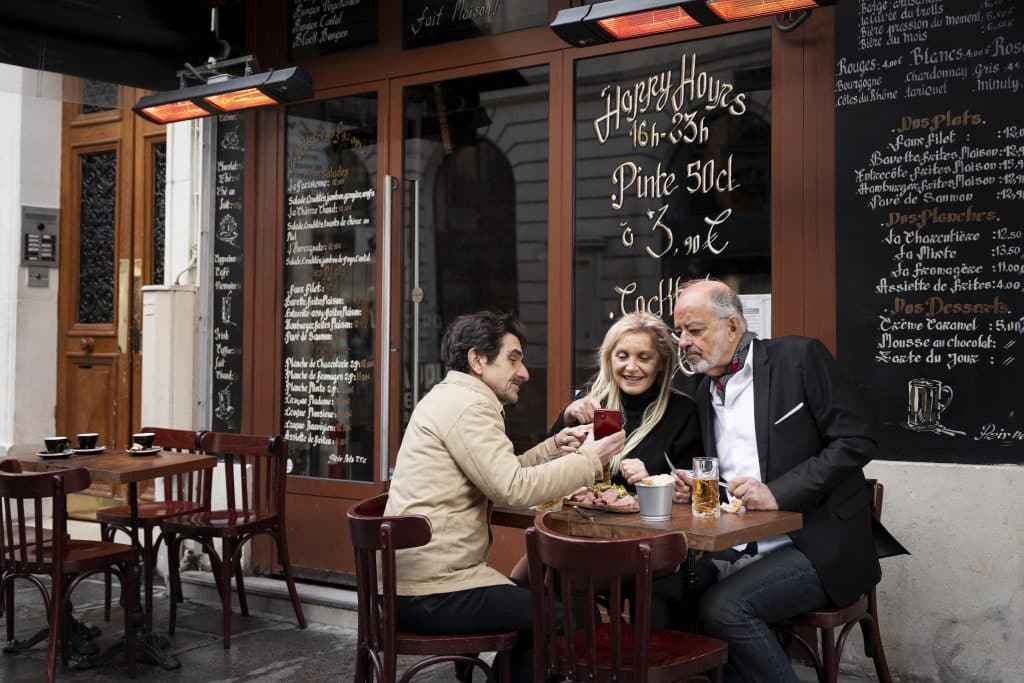
Use Lunch Specials (Mittagsmenü, Polední menu, Napi Menü)
Many restaurants in Austria, Czechia, Hungary, and Slovakia offer fixed-price lunch menus, often €7–12 for a main dish, sometimes with soup or a drink.
Strategy: Make lunch your main hot meal, then opt for a lighter, cheaper dinner (bakery food, supermarket items, or casual snacks).
Leverage Supermarkets and Bakeries
Supermarkets in Central Europe have excellent picnic and ready-to-eat options: bread, cheese, cold cuts, salads, and inexpensive local wine or beer.
Breakfast or lunch from supermarkets can cut food spending by 30–40% in higher-cost cities like Vienna.
Travel by Day Train or Bus Instead of Flying

Domestic and short international train legs often cost €10–30, significantly undercutting short-haul flights when you include airport transfers and baggage fees. Overnight trains can save a night’s accommodation if they fit your schedule.
For more details on booking trains and finding the best fares, see my guide to Getting Around Central Europe.
Choose Mid-Range Neighborhoods, Not the Main Squares
Staying a 10–20 minute walk or two to three tram stops from the old town can save €20–50 per night without sacrificing safety or atmosphere.
In Vienna, districts just outside the Ring (4th, 6th, 7th) often offer better value than staying directly on the Ringstrasse.
Use Multi-Day Transport Passes
Many cities sell 24–72-hour passes that cost only slightly more than two or three single tickets and free you from fiddling with machines. Daily or 48-hour passes often run €6–12 and quickly pay off if you ride three or more times per day.
Avoid Dynamic Currency Conversion and Airport Exchanges
Always choose to be charged in local currency on card terminals to avoid poor conversion rates. Airport exchange kiosks typically have worse rates and higher fees than ATMs attached to banks.
What a Two-Week Trip Actually Costs
For a 14-day Vienna, Prague, Budapest loop, excluding flights:
Budget traveler (€60–80 per day):
- Total: approximately €840–1,120
- Mix of hostels or budget hotels, supermarket meals, city cards only when clearly beneficial
Mid-range traveler (€120–170 per day):
- Total: approximately €1,680–2,380
- 3-star hotels, a restaurant meal daily, several paid attractions, at least one city card
Comfort traveler (€200–280+ per day):
- Total: approximately €2,800–3,920+
- 4-star hotels, most meals out, premium tours, more day trips and experiences
Frequently Asked Questions
How much cash should I carry in Central Europe?
Carry enough local currency for a day or two of small purchases (markets, public transport, tips). Most cities accept cards widely, but cash is useful for smaller vendors and rural areas. Expect to use €50–100 in cash per city on average. Remember to budget around 5-10% for tips in restaurants and for rounding up taxi fares.
Are credit cards widely accepted in Prague, Vienna, and Budapest?
Yes, credit and debit cards are widely accepted in restaurants, hotels, and shops in major cities. Smaller establishments, market stalls, and rural businesses may prefer cash, especially in Poland, Hungary, and the Czech Republic.
Is it better to exchange money at home or in Europe?
I Exchange money in Europe using bank ATMs for the best rates. Avoid airport exchange kiosks and stand-alone tourist ATMs, which typically charge higher fees and offer worse rates.
Do I need separate currencies for each country?
Yes, unless you’re only visiting Eurozone countries (Austria, Slovakia, Slovenia, Croatia). For Czech Republic, Hungary, and Poland, you’ll need local currency. Use bank ATMs to withdraw small amounts as needed rather than exchanging large sums upfront.
Are city cards worth buying in Central Europe?
City cards are worth buying if you plan to visit multiple museums and use public transport heavily over 24–72 hours. Add up normal entry fees plus a transport pass. If the total exceeds the card price, it’s worth it. Read the fine print, as many cards offer discounts rather than free entry. If you’re not planning heavy museum visits, transport-only passes are often much cheaper.
How much should I budget for food per day?
Budget €30–45 per day for mid-range dining (bakery breakfast, lunch special, casual dinner). Budget travelers can manage on €15–25 by using supermarkets and lunch specials. Comfort travelers should expect €50–70+ for restaurant meals and cafés.
What’s the cheapest way to travel between cities?
Day trains and buses are often the cheapest option, costing €10–30 for short legs between Vienna, Prague, and Budapest. Overnight trains can save accommodation costs if they fit your schedule. Compare train and bus prices using regional operators.
How much does public transport cost in major cities?
Single tickets range from €1.50–3.00 depending on the city. 24-hour or 48-hour passes typically cost €6–12 and pay off quickly if you ride three or more times per day. Most cities sell passes at stations, kiosks, or via apps.
With a clear sense of currencies, realistic daily costs, and a few targeted money-saving strategies, Central and Eastern Europe becomes predictable to budget and still offers outstanding value compared with many Western European destinations.
Explore more Central Europe travel guides and itineraries on Pieterontour.com, where every journey is designed to be both practical and unforgettable.
- The Perfect 2-Week Central Europe Itinerary Vienna, Prague, Kraków & Budapest
- 10 Authentic Cultural Experiences in Central Europe (That Aren’t Tourist Traps).
- Central & Eastern Europe Travel The Ultimate Guide for Culturally Curious Travelers.
- Central Europe’s Seasonal Calendar Best Times to Visit (Beyond Christmas Markets).
- Central & Eastern Europe Travel: The Ultimate Guide for Culturally Curious Travelers
- Getting Around Central & Eastern Europe Trains, Buses, and Rental Cars.