
10 Authentic Experiences in Central Europe (That Aren’t Tourist Traps)
This guide is for travelers who want to go beyond the checklist and experience Central Europe like a local—from opera standing tickets to thermal spa etiquette, ruin bars to Christmas markets.
Central and Eastern Europe rewards travelers who look past the obvious. The real magic? It lives in concert halls where locals still dress up for performances, thermal spas where nudity is normal (and entirely unsexual), ruin bars hidden in crumbling courtyards, and Christmas markets that feel like stepping into a storybook rather than a shopping mall.
I still remember my first time wandering into a Budapest ruin bar, feeling awkwardly overdressed in my tour director blazer while everyone else lounged on mismatched furniture surrounded by street art and fairy lights. That moment taught me something important: the best cultural experiences in this region are the ones that surprise you, challenge your assumptions, and invite you to participate rather than just observe.
This guide focuses on ten authentic cultural experiences across Austria, Czechia, Hungary, Poland, Slovakia, and Romania. I’ll walk you through the etiquette, the booking tips, and the unwritten rules that help you feel like an insider rather than an awkward outsider.
On this page
1. Classical Concerts and Opera in Historic Halls
The region’s classical music scene isn’t reserved for connoisseurs. In cities like Vienna, Prague, and Budapest, you can hear world-class performances in venues that feel like living museums, often for less than the cost of a mid-range restaurant meal.
Where to go:
Vienna:
- Vienna State Opera (Wiener Staatsoper): One of the world’s leading opera houses, with performances almost nightly from September through June.
- Musikverein: Home of the Vienna Philharmonic and the famous New Year’s concert. The acoustics are legendary, and the programming stays traditional.
Prague:
- Municipal House (Obecní dům) and Rudolfinum: Iconic Art Nouveau and neo-Renaissance halls with orchestral and chamber music programs that lean heavily on Czech composers.
Budapest:
- Hungarian State Opera and Müpa (Palace of Arts): Strong opera and symphonic repertoire featuring both local and international performers.
Etiquette essentials:
- Dress: Smart casual is widely accepted. Locals often dress a bit more formally for weekend performances, but you won’t feel out of place if you’re neat and presentable.
- Timing: Aim to arrive 20 to 30 minutes early. Latecomers are often held outside until breaks between acts.
- Phones: Silence them completely. Photography during performances is usually prohibited, and you’ll get stern looks if you try.
Budget Tip: How to Get €5–18 Standing Room Tickets in Vienna (and Beyond)
Many travelers are drawn to the idea of hearing world-class music without blowing their budget. The mechanics are not obvious, so here’s what you need to know.
Vienna State Opera standing tickets:
Availability: Up to roughly 435 standing tickets per performance. Sold online and at the Bundestheater box office from 10:00 on the day of the performance. A smaller batch is released 80 minutes before curtain at a dedicated window.
How to buy online: Create an account on the official Vienna State Opera website. On the morning of the performance, find the day’s event and click “Tickets” or “Remaining Tickets.” Choose a standing section (Stehparterre is usually best for view and acoustics). Complete the purchase as an e-ticket, then arrive early to claim a railing spot.
How to buy in person: Go to the standing-room entrance (usually signed) 80 to 90 minutes before the show. Expect a queue on popular nights. Each person can normally buy one ticket. After entering, locals often tie scarves to the rail to “reserve” their standing place. Follow the custom if others do.
Similar patterns exist in other Central European cities: Prague, Budapest, and even smaller cities like Bratislava offer discounted same-day tickets and student or senior concessions. It’s worth checking venue websites and box offices for “last-minute” offers.
A quick note on planning: Standing ticket prices and policies are mentioned to help you budget, but they can vary by venue and performance. I always recommend checking the official opera house websites for the most current information before your visit.

2. Thermal Baths and Sauna Culture
Thermal spa culture is one of Central Europe’s most distinctive experiences, especially in Austria, Hungary, Czechia, and Slovakia. The catch? Etiquette varies widely, and nudity norms can surprise first-time visitors.
Why Thermal Baths Matter Here
Key types of facilities:
- “Therme” (Austria, Germany): Large complexes with thermal pools, saunas, relaxation zones, and sometimes slides.
- Traditional baths (Hungary): Historic thermal complexes with ornate architecture and multiple indoor and outdoor pools.
- Hotel spas: Smaller but often excellent, especially in alpine and wine regions.
Nudity rules by region:
Austria: In saunas, nudity is the norm. Swimwear is usually forbidden for hygiene reasons. Bathing areas (pools) are typically swimsuit-required. Nude zones are clearly marked and may be mixed-gender.
Germany and Czechia: Similar to Austria in many spa complexes. Nude-only saunas, swimsuit pools. Signs indicate clothing rules clearly.
Hungary: Public baths like Széchenyi and Gellért are swimsuit areas. Nudity is not expected in pools. Saunas within these facilities may have separate rules, but full nudity is less universal than in Austrian “therme” culture.
Spa and Sauna Etiquette: What No One Explains
Core rules across nude spa cultures (Austria, parts of Germany and Czechia):
- No swimwear in saunas. A towel is your “outfit” in sauna cabins.
- Always shower before and after sauna sessions.
- Sit or lie fully on your towel. No bare skin on benches.
- Keep eye contact minimal and neutral. Staring is considered rude.
- Sex and overtly sexual behavior are absolutely off-limits. Saunas are about health and relaxation, not eroticism.
Hungarian bath specifics (Budapest and beyond):
- Swimsuits are standard in pools and most mixed-gender areas.
- Pools are often marked by temperature and function: relaxation, lap swimming, cold plunge.
- Caps may be required in dedicated lap pools.
General “don’t be that person” tips:
- Don’t photograph anything in nude or semi-nude zones.
- Don’t reserve multiple loungers with towels during peak times.
- Stay hydrated. Many facilities provide water fountains or sell drinks.
If you’re nervous:
Start in swimsuit-only pools and observe. Staff are used to guiding newcomers, and signage is usually clear. In Austria, you can keep a towel wrapped around yourself when moving between saunas. The key rule is no swimwear inside saunas.
A quick note on planning: Spa entry fees and facility rules are mentioned to help you prepare, but they can change. I always recommend checking the official spa websites (which I’ll link to throughout this section) for the most current information before your visit.

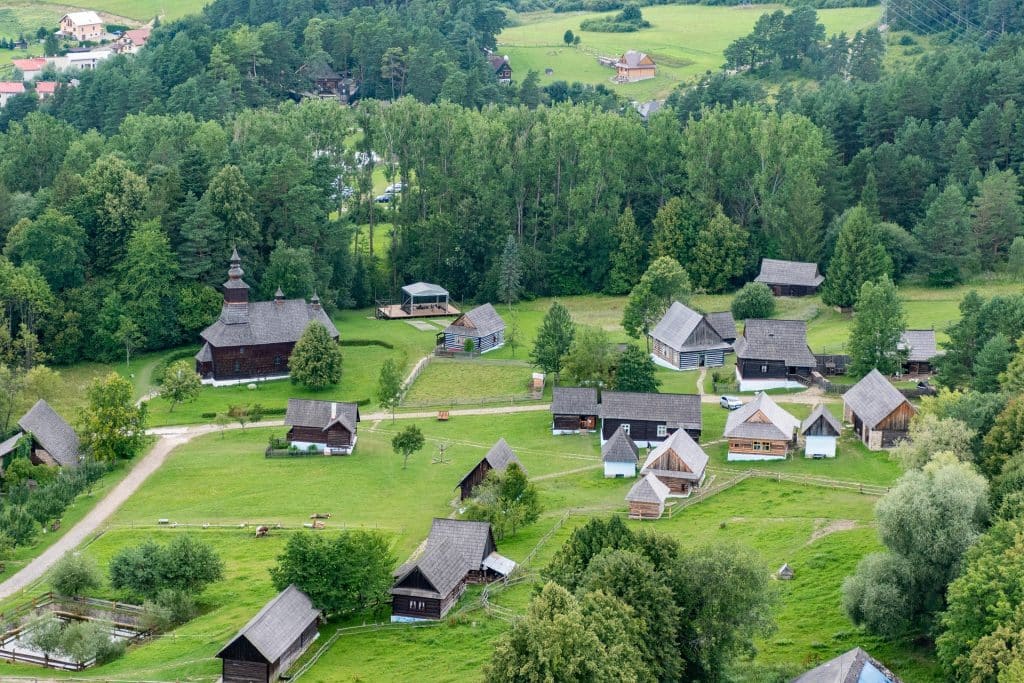
3. Open-Air Folk Museums: Time Travel Through Village Life
Open-air folk museums offer something rare. You get to walk through real historic buildings relocated from villages across the region, often with live demonstrations of crafts, festivals, and everyday life.
Standout examples:
Dimitrie Gusti National Village Museum (Bucharest): Sprawls over more than 30 to 35 acres in Herăstrău/King Michael I Park. It features over 300 to 360 buildings representing traditional houses, churches, and technical structures like mills from villages across Romania.
Skansen (Stockholm): One of the earliest open-air museums. While outside your core Central Europe region, it’s worth mentioning as a model that many Central and Eastern European sites cite as inspiration.
Similar museums exist across Slovakia, Hungary, Czechia, and Poland, often on the edges of major cities and easily combined with urban stays.
What makes them valuable:
Buildings are typically dismantled in their original location and rebuilt meticulously on-site, preserving authentic construction methods and layouts. You can compare architecture and lifestyle across regions in a few hours, something that would otherwise require days of rural travel. Many host seasonal festivals, harvest celebrations, and craft markets.
Visiting tips:
- Plan two to four hours. These sites are bigger than they look on the map.
- Check for weekend events. Local festivals often add live music, dancing, and food stalls.
- Wear comfortable shoes. Paths are often gravel or dirt, and many houses require stepping over thresholds or climbing small stairs.
4. Castle Routes and Medieval Towns
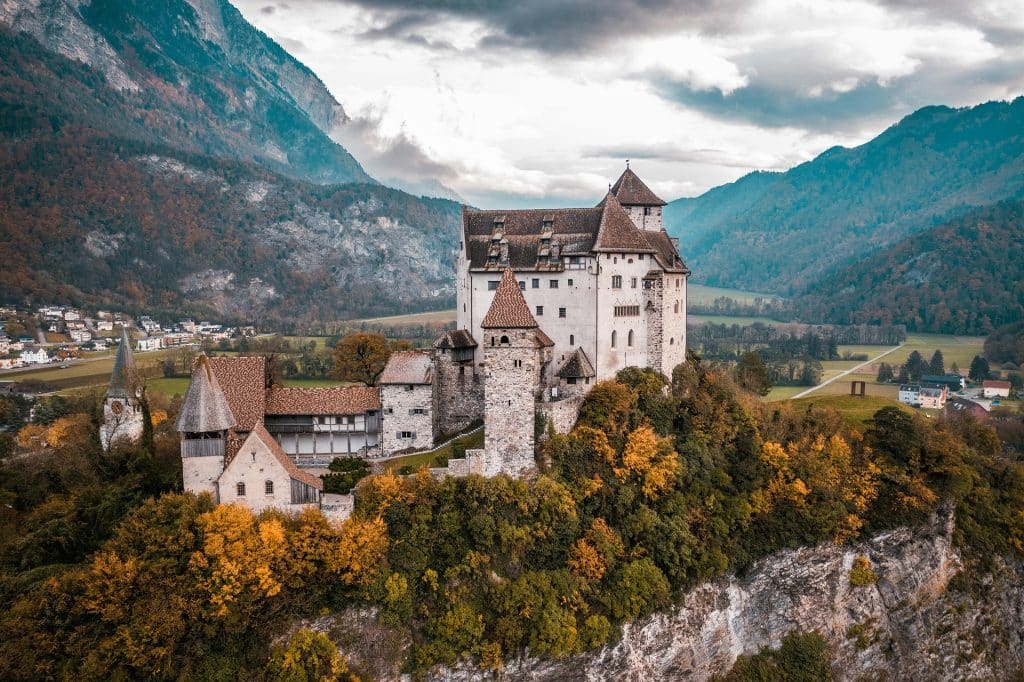
Central Europe’s castle density is extraordinary. Fortified hilltops in Slovakia, Bohemian chateaux in Czechia, Transylvanian bastions in Romania, and Danube fortifications in Austria.
Why castle routes matter:
They connect major cities with smaller towns you might otherwise skip. Many castles are partially ruined but atmospheric. Some host concerts, medieval fairs, and night tours.
Ideas to explore:
- Bohemian castles (Czechia): Easily accessed from Prague via day trips. Combine with small historic towns.
- Slovak castle belt: Hilltop ruins across the country, less crowded than Western European equivalents.
- Transylvanian fortifications (Romania): Saxon churches, fortified villages, and story-rich landscapes.
Practical advice:
- Check opening hours carefully. Many castles close or reduce hours outside May through October.
- Some require short hikes from parking or bus stops. Bring water and sturdy shoes.
- Night tours and seasonal events are worth seeking out for a less touristy experience.
5. Everyday Food Culture and Wine Taverns
Food culture in Central and Eastern Europe is about comfort, seasonality, and regional pride, not tasting-menu theatrics. You’ll get more cultural value sitting in a local tavern than chasing “top 50” lists.
Core experiences:
Hearty local dishes: Austrian schnitzel, goulash, dumplings, pierogi, grilled meats, hearty soups and stews vary significantly by country and region.
Wine taverns and cellars: The Danube’s Wachau, Moravia in Czechia, Tokaj in Hungary, and various local wine roads often combine tastings with rustic food.
Market halls: Traditional covered markets in capitals and regional cities show daily life in a way restaurants often don’t.
How to avoid tourist traps:
- Walk one or two streets away from main squares before choosing a restaurant.
- Look for menus written primarily in the local language with seasonal specials.
- In heavily touristed hubs, lunchtime “daily menus” (often in local language only) can be the best value and most authentic snapshot of what locals eat.

6. Coffeehouse Culture in Vienna and Beyond
Vienna’s coffeehouses are UNESCO-recognized cultural institutions where locals linger with newspapers and pastries. They’re as much about atmosphere as caffeine.
What to expect:
- Table service. You’ll be seated and given a menu.
- You can occupy a table for a long time with just one coffee. This lingering is part of the tradition.
- Classic drinks include the Wiener Melange and Einspänner, often paired with cakes like sachertorte.
Practical etiquette:
- Don’t rush. Treat it like a mini-event.
- Tipping around 5 to 10 percent is standard. In many places, you round up when the server tells you the total.
- Expect a small cover charge at some venues, or a higher price that reflects the time you’re “renting” the table.
You can extend this theme to Budapest’s historic cafés and Prague’s literary coffeehouses as a regional thread.

7. Folk Music, Dance, and Local Festivals
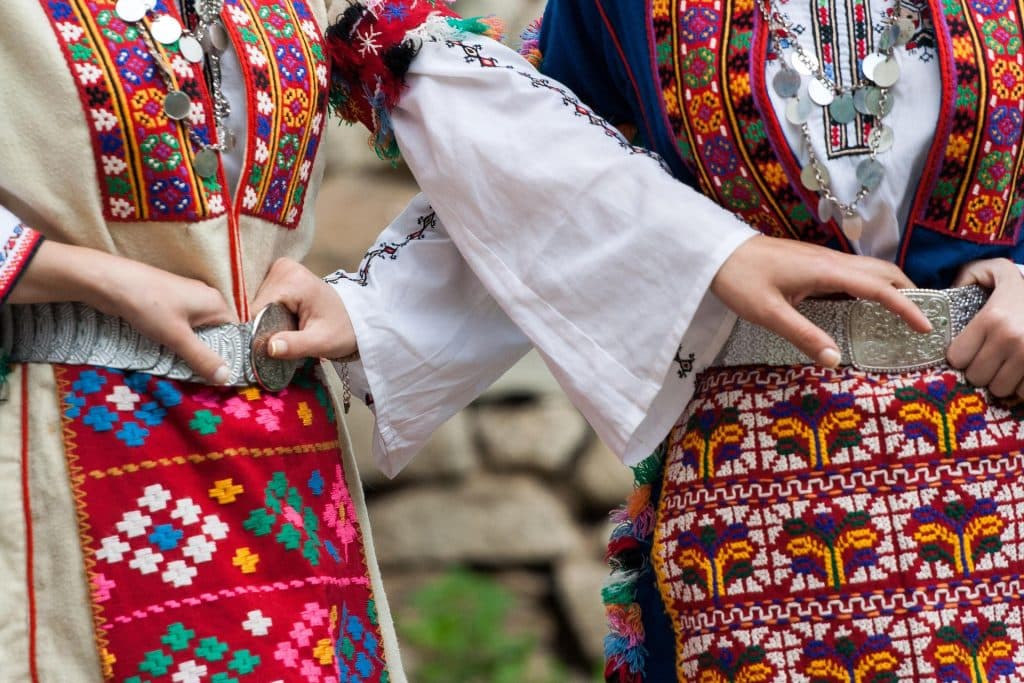
Many cities and small towns host folk music nights, regional festivals, and traditional dance events that are surprisingly under-promoted in mainstream tourism.
Why they’re authentic:
- Often organized by local cultural associations rather than big tourism boards.
- You’ll see multi-generational participation: kids, parents, grandparents. Not staged performances for tour groups.
- Food and drink are priced for locals, not tourists.
How to find them:
- Check city event calendars, local cultural centers, and posters in tram stops or cafes.
- Ask hotel staff or guides about “folk evenings” or “regional festivals” during your stay.
- In wine regions, harvest festivals in September through October are particularly rich experiences.
Etiquette:
- Watch how locals participate: when they clap, dance, or sit.
- Be respectful with photography. If it feels intimate or family-oriented, focus more on experiencing than documenting.
8. Ruin Bars and Nightlife Subculture
Budapest’s ruin bars are one of Central Europe’s most distinctive cultural phenomena. What started as bars in abandoned, bomb-damaged, or derelict buildings in the Jewish Quarter has evolved into an alternative art space movement that’s spread across the region.
The cultural angle:
This is less about cheap drinks and more about creative reuse of urban decay. Think mismatched furniture salvaged from the street, walls covered in graffiti and street art, fairy lights strung through crumbling courtyards, and a rotating cast of DJs, live bands, and pop-up markets.
Where to experience it:
Budapest: Szimpla Kert is the flagship, but the Jewish Quarter is filled with options. Many occupy entire buildings with multiple rooms, each with its own vibe.
Prague and Kraków: Similar “alternative bar” scenes have emerged in Prague’s Žižkov district and Kraków’s Kazimierz, though Budapest remains the epicenter.
Practical tips:
- Go earlier in the evening, before 10 PM, to see the spaces before they’re packed and to actually appreciate the design and art.
- Many have courtyards. Perfect in spring and summer.
- Respect neighbors. Noise and late-night behavior are touchy issues in residential streets. Keep voices down when leaving.
- Don’t treat it like a museum. Order something, sit down, and soak in the atmosphere rather than just snapping photos and leaving.
9. Christmas Markets and Advent Traditions
From mid-November through December, cities like Vienna, Prague, Budapest, and Kraków transform their main squares into Advent and Christmas markets. But the real cultural experience isn’t the shopping, it’s the rituals, flavors, and atmosphere that reveal how Central Europeans celebrate the season.
The cultural dimension:
Regional specialties: Glühwein (mulled wine) in Austria and Germany, forralt bor in Hungary, trdelník (chimney cake) in Prague, grilled sausages, gingerbread, and local handicrafts that reflect centuries-old traditions.
The atmosphere difference: Famous markets in front of city halls and palaces can feel like Instagram destinations. Smaller neighborhood markets in side streets or residential squares often feel more like community gatherings where locals actually shop and socialize.
What makes them authentic:
These aren’t just pop-up shopping events. They’re tied to Advent calendars, St. Nicholas Day celebrations, church services, and family traditions that date back generations. You’ll see multi-generational groups lingering over mugs of hot wine, children riding carousels, and vendors selling the same wooden toys and ornaments their grandparents made.
Tips for experiencing them well:
- Visit on weekday afternoons or early evenings to avoid the densest crowds and actually be able to move through stalls.
- Focus on tasting and people-watching rather than souvenir shopping. The food and drink are the real cultural draw.
- Dress warmly and treat it like an evening cultural event, not a quick stop. Bring gloves you can take off easily for handling food and drinks.
- Many cities have multiple markets. Explore beyond the most famous one to find neighborhood versions with fewer tour groups.
A quick note on planning: Market dates and opening hours are mentioned to help you plan, but they can vary by year and city. I always recommend checking the official city tourism websites for the most current Christmas market schedules before your visit.

10. Everyday Politeness and Unwritten Rules
The most memorable cultural experiences are often unplanned: ordering in small bakeries, navigating markets, or using public transport.
A few patterns that help:
Queues: Generally respected. Cutting is frowned upon in post offices, bakeries, ticket offices.
Inside voices: In trams, trains, and cafés outside tourist zones, speaking quietly is the norm.
Cash vs card: Cards are widely accepted in cities, but small shops, village cafés, and markets may prefer cash.
Tipping: Five to ten percent in restaurants is typical if service is good. In some places you “round up” verbally rather than leaving cash on the table. In spas or small services, tipping is appreciated but not always expected. Follow local cues.
How do I know if a thermal spa requires nudity?
Check the facility’s website or ask at reception. Signs are usually clear. In Austria and parts of Germany and Czechia, saunas are typically nude-only while pools require swimsuits. In Hungary, public baths are almost always swimsuit areas.
Can I visit open-air folk museums year-round?
Most are open year-round, but seasonal festivals and live demonstrations are typically concentrated between May and October. Check individual museum websites for special events.
Are opera standing tickets really worth it?
Absolutely. You get to experience world-class performances in historic venues for a fraction of the cost of seated tickets. The acoustics in standing sections are often excellent, especially at the Vienna State Opera.
Do I need to speak the local language to enjoy these experiences?
Not at all. English is widely understood in tourist areas and cultural venues. That said, learning a few basic phrases in the local language is always appreciated and can enhance your experience.
Are ruin bars only in Budapest?
Budapest is definitely the epicenter, especially the Jewish Quarter. But similar alternative bar scenes have popped up in Prague’s Žižkov and Kraków’s Kazimierz. They’re worth seeking out if you’re spending time in those cities.
When is the best time to visit Christmas markets?
Most open in mid to late November and run through December 24th or 26th. Late November and early December offer the full festive atmosphere with slightly smaller crowds than the week before Christmas.
Are folk festivals and music nights touristy?
Many are genuinely local events organized by cultural associations rather than tourism boards. They often feature multi-generational participation and are priced for locals. You’ll feel more like a welcomed guest than a tourist.
What’s the best time of year for these experiences?
September through early November offers excellent weather, harvest festivals, and fewer crowds. December brings Christmas markets and festive performances. Late spring (May through June) is ideal for castle visits and outdoor folk museums.
How should I dress for classical concerts?
Smart casual is widely accepted. Locals often dress more formally for weekend performances, but you won’t feel out of place in neat, presentable clothing. Avoid overly casual items like shorts or flip-flops.
Can children participate in spa culture?
It depends on the facility. Many Austrian “therme” complexes have family areas with swimsuit requirements and child-friendly pools. Traditional nude saunas typically have age restrictions (often 16+). Always check individual facility rules.
Related Guides on Pieterontour.com
- The Perfect 2-Week Central Europe Itinerary Vienna, Prague, Kraków & Budapest
- Central & Eastern Europe Travel The Ultimate Guide for Culturally Curious Travelers.
- Central Europe’s Seasonal Calendar Best Times to Visit (Beyond Christmas Markets).
- Central & Eastern Europe Travel: The Ultimate Guide for Culturally Curious Travelers
- Getting Around Central & Eastern Europe Trains, Buses, and Rental Cars.
- How Much Does a Trip to Central Europe Cost A Realistic Budget Guide.