Poland Travel Guide: Beyond the Guidebooks in the Heart of Europe
Updated 1/1/2026
This guide is for culturally curious travelers seeking authentic experiences in Central Europe—here’s everything you need to understand Poland beyond the stereotypes, from navigating milk bars to mastering the art of “dzień dobry.”
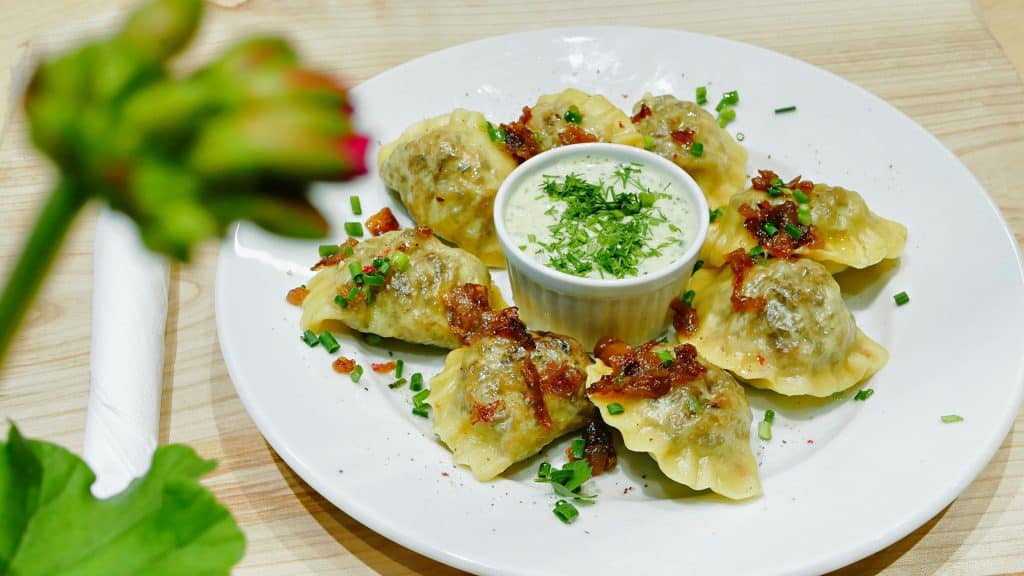
When most people think of Poland, they picture pierogi and Auschwitz. Both are part of the story, but they’re just the opening chapter. The real Poland reveals itself in the government-subsidized cafeterias where three generations still queue for lunch, in Warsaw’s neon-lit streets that completely defy the gray communist stereotypes, and in the unwritten social codes that transform you from confused tourist to welcomed guest.
I’ve spent years leading tours through Central Europe, and Poland consistently surprises travelers who arrive expecting budget-friendly history lessons and discover something far richer. This is a country that rebuilt its capital brick-by-brick using old paintings as blueprints, where medieval squares buzz with contemporary energy, and where the word “hospitality” carries genuine weight.
This guide serves as your foundation. We’ll cover the essential destinations briefly, saving deeper dives for dedicated city guides, but focus heavily on what guidebooks miss: the cultural mechanics, transport shortcuts, and etiquette rules that make the difference between observing Poland and actually experiencing it.
Why Poland Deserves Your Attention
Poland often gets labeled “budget-friendly,” which is true but reductive. Yes, a meal that costs €80 in Paris runs about €40-45 here, but framing Poland primarily through cost misses the point entirely.
What Makes Poland Different:
The resilience is palpable. Warsaw wasn’t just rebuilt after WWII, it was resurrected from complete rubble using 18th-century paintings as architectural blueprints. That determination permeates everything. Today’s Warsaw pulses with creative energy, boasting one of Europe’s strongest vegan food scenes, cutting-edge design districts, and nightlife that rivals Berlin’s famous clubs.
Safety stands out immediately. Poland ranks among Europe’s safest countries statistically. Walking alone at night in major cities feels considerably more secure than in London or Paris. The general sense of personal safety is exceptional.
The authentic cultural experience draws me back repeatedly. Unlike destinations sanitized for tourism, Poland still functions as a place where locals actually live. Traditions survive in daily practice, not museum displays. When a grandmother serves you at a family restaurant, you’re tasting recipes passed down through generations, prepared the same way for decades.
The landscape diversity surprises visitors. Poland stretches from shifting Baltic sand dunes to jagged granite Tatra peaks, from alpine meadows to pristine lake districts. You can spend mornings on beaches and evenings in mountains, all within a few hours’ travel.
On this page
Essential Destinations: Your First Stops
These cities deserve dedicated guides, which I’ll publish separately. Here’s your orientation.
Kraków: Medieval Poland Preserved
The only major Polish city to escape WWII destruction largely intact. Medieval cloth halls anchor the market square, the trumpet call (Hejnał mariacki) sounds every hour from St. Mary’s Basilica tower, and underground jazz clubs fill the Jewish district of Kazimierz.
What sets it apart: Kraków concentrates cultural energy into compact, walkable streets. Wawel Castle overlooks the city from its dramatic limestone hill. The market square (Rynek Główny) ranks among Europe’s most atmospheric public spaces. Kazimierz blends melancholic beauty with vibrant contemporary arts.
Practical insider knowledge: Skip the electric golf cart tours entirely. Kraków reveals itself through walking, and the best discoveries happen in medieval side streets without tour groups.
Beyond the city center: The Auschwitz-Birkenau Memorial and Museum lies about 70 kilometers west of Kraków, while the Wieliczka Salt Mine sits just 15 kilometers southeast. Both require half-day visits minimum.

Warsaw: The Phoenix Capital
The gray concrete stereotypes are completely outdated. Warsaw is electric, complicated, fascinating. This capital refused to stay broken.
What sets it apart: No European city tells the destruction and rebirth story more powerfully. The meticulously rebuilt Old Town used old paintings as reconstruction guides. But Warsaw lives in the present. Underground vegan restaurants thrive, modern architecture pushes boundaries, excellent museums dedicated to Chopin and WWII history draw scholars, and the energy of a city that survived and thrived pulses through every district.
Practical insider knowledge: Spend a morning wandering Praga district across the Vistula River. It’s raw, artistic, where young creatives reshape the city’s identity.
Gdańsk: The Amber Port
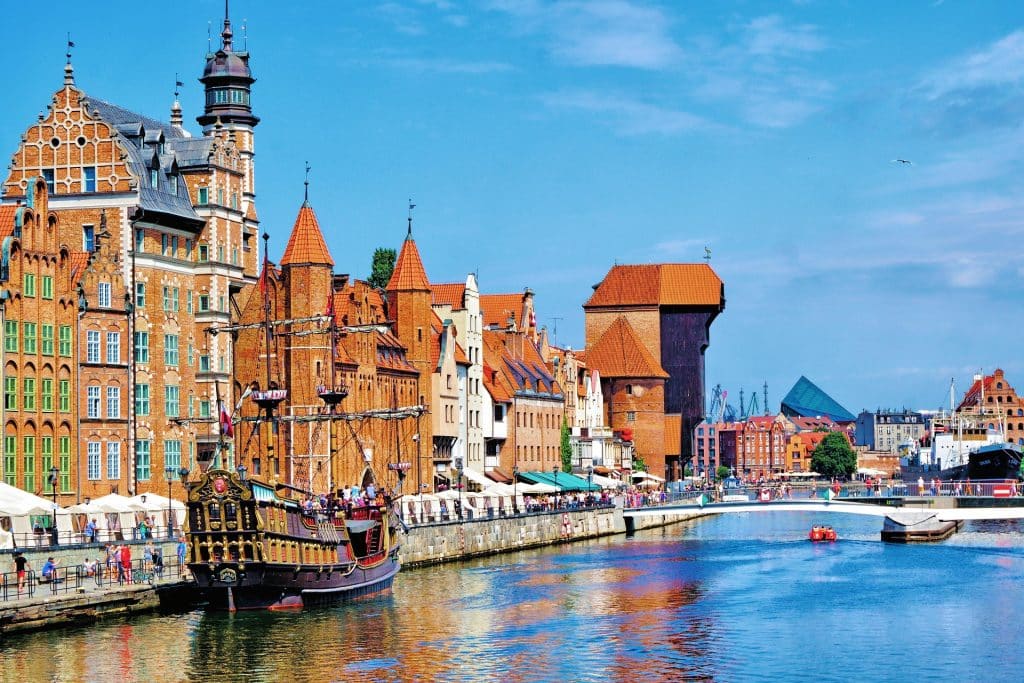
Baltic coast positioning gives Gdańsk a completely different character. Dutch-influenced architecture, maritime history, and salt-tinged sea breezes create the feeling of stepping into a different country.
What sets it apart: WWII started here with the attack on Westerplatte. Communism ended here with the Solidarity Movement. Colorful merchant houses reflected in the Motława River create stunning visual compositions. Amber shops line every street, Poland’s amber capital in practice not just theory.
Practical insider knowledge: Visit late spring or early fall for optimal weather. Summer brings crowds, winter turns quiet and atmospheric.
Wrocław: The Bridge City
Built across twelve islands connected by bridges, Wrocław offers visual beauty without Kraków’s crowds. The city’s famous for hundreds of bronze gnome (krasnolud) statues hidden throughout streets, a whimsical anti-communist tradition begun in the 1980s.
What sets it apart: Wrocław matches Kraków’s medieval architecture with significantly fewer tourists. The city feels young, increasingly known for its restaurant scene. The market square stuns, side streets reveal hidden squares and unexpected charm.
Beyond the Main Four:
Zakopane: Winter capital in the Tatra Mountains. Even non-skiers appreciate alpine villages and hiking trails, especially September through October.
Poznań: Colorful merchant houses surround the massive market square. The mechanical fighting goats (Koziołki Poznańskie) joust on the Town Hall clock daily.
Toruń: Smaller medieval city on the Vistula River, feels frozen in time. Birthplace of gingerbread and Copernicus.
The Social Code: Etiquette That Matters
Poland operates by specific social rules. Understand them and doors open. Break them and you’re tolerated as “confused tourist.” Follow them and you earn genuine respect and warmth. These norms are part of broader European cultural cues around eye contact, personal space, and greetings that vary significantly across the continent.
The Sincerity Over Performance Rule
This shocks North American and Southern European travelers most. Smiling at strangers on the street gets suspicious looks, not returned smiles. In Polish culture, smiles are reserved for friends or genuine amusement, not automatic social masks.
This isn’t rudeness. It’s the opposite: sincerity. Poles value authenticity deeply. Generic greetings from strangers carry real meaning. When a Polish person finally smiles at you, that warmth is genuine and earned.
What this means practically: Don’t interpret Polish directness or lack of automatic friendliness as coldness. Once you earn trust, the warmth runs deep and genuine.
The Threshold Rule: Shoes Off
If invited to a Polish home, remove shoes immediately upon entering. Even if the host says “Don’t worry about it,” they’re being polite. Do it anyway. You’ll often receive kapcie (guest slippers). Wear them. This rule is completely non-negotiable in Polish culture.
The “Dzień Dobry” Practice: Essential Greetings
Walking into shops, elevators, waiting rooms, any shared space with other people requires acknowledgment. Say “Dzień dobry” (Good day) clearly. When leaving, say “Do widzenia” (Goodbye). Silent entry reads as cold and rude.
When to use it:
- Morning through late afternoon: Use Dzień dobry from sunrise until approximately 5-6 PM
- Evening (after 6 PM): Switch to Dobry wieczór (Good evening)
- With strangers or formal situations: Always Dzień dobry
- With friends or casual settings: Use Cześć (Hi) instead
This takes two seconds but signals respect and awareness of Polish social norms. Even imperfect pronunciation earns enormous appreciation.
Handshakes and Formality
Meeting someone first time, especially professionally, requires a firm handshake. Use formal titles and last names until invited otherwise. Poles maintain more formality than many Western cultures in this regard.
If someone extends their hand, take it. It matters.
Shared Burdens as Connection
Polish culture treats sharing burdens as trust and solidarity. Ask “How are you?” and expect honest answers. You might hear about back pain, weather complaints, government frustrations. This isn’t pessimism, it’s realism and openness.
What this means: Poles appreciate directness and honesty. Don’t be surprised when someone shares personal problems relatively quickly. It signals they treat you as trustworthy.
Eating Authentically: From Milk Bars to Street Food
Polish dining customs and table manners blend formality with warmth, but nowhere is the authentic Polish experience more accessible than in the milk bars.
The Bar Mleczny (Milk Bar) Experience
Government-subsidized cafeterias left from the communist era, serving hearty, homemade food for pocket-change prices. These are cultural institutions, not just cheap eats. You’ll eat better, more authentic Polish food here than anywhere else.
The Protocol:
No waiters exist. You queue, order at the window (often from Polish-only menus), pay cash at one counter, take a ticket. Staff can be brusque but efficient. This isn’t a restaurant experience, it’s functional, no-nonsense feeding where locals actually eat.
The Ordering Strategy:
Without Polish, point and use simple words. “To” (This, sounds like “toe”) and “I” (And, sounds like “ee”). Your order might sound like: “To… i to… i to” (This… and this… and this) while pointing at display case items. It works.
A Personal Memory: The lady at Bar Mleczny Tomasza in Kraków once scolded me sharply for leaving my tray on the table. She marched over, pointed at the tray rack, and said something in rapid Polish that clearly meant “This is your job.” I was mortified. But when I returned the next day and properly bussed my tray, she gave me the smallest nod of approval. That nod felt like a medal.
Critical Pricing Warning:
Watch out for side dishes (surówki)—they are often priced per 100g. If you just point, you might get a massive portion and a surprise bill. Ask for “mała porcja” (small portion) to keep costs reasonable.
Critical Step:
When your number gets called, grab your tray immediately. When finished, bus your own tray to the rack by the window. Leaving it on the table is a significant faux pas. You’re expected to clean up after yourself.
What You’ll Find:
Żurek, pierogi, bigos, kotlety (schnitzel), salads, soups, desserts. Prices typically range €6–€9 (approx. 25–38 PLN) for a full 2-course meal.. Quality is home-cooked and honest. This is how regular Poles eat lunch.
A quick note on planning: Prices and opening hours are mentioned to help you budget and plan, but they can change often. I always recommend checking the official websites (which I’ll link to) for the most current information before your visit.
Essential Foods Beyond Pierogi
Żurek: The Soup That Defines Poland
This unofficial national comfort food deserves special attention. It’s thick, tangy soup made from fermented rye flour, usually served in a hollowed bread bowl with sausage slice and hard-boiled egg. The sourness comes from centuries-old fermentation traditions. Polish families kept ceramic pots of zakwas (starter culture) going indefinitely.
The flavor is earthy, complex, utterly warming. It tastes like Poland. Order it everywhere you go. Each milk bar and restaurant makes their own version. They’re all worth trying.
Zapiekanka: Polish Street Pizza
Open-faced baguette toasted until crispy, topped with sautéed mushrooms and melted cheese, drizzled with ketchup. Simple, addictive, perfect late-night snack or lunch.
The best zapiekanki come from Kazimierz in Kraków. Cobblestone streets near Plac Nowy have the most authentic vendors. Classic versions include sour cream, chives, paprika, cheese. Expect to pay approximately 20-35 PLN for basic to loaded versions.
Pączki: Traditional Polish Donuts
Polish donuts bear no resemblance to American versions. They’re denser, richer, usually filled with rose jam or custard. Every year on Tłusty Czwartek (Fat Thursday, the Thursday before Lent), Poles queue for hours buying pączki.
They’re available year-round at bakeries, but Fat Thursday represents the cultural moment. Try one from traditional bakeries. The rose jam version is classic.
Oscypek: Mountain Smoked Cheese
UNESCO-protected regional specialty from the Tatra Mountains. Smoked cheese with distinctive braided loaf shape. Served grilled and paired with cranberry jam, it’s salty, smoky, slightly sweet.
You’ll find it at Christmas markets and mountain villages. It’s a specialty worth seeking out.
Bigos: Hunter’s Stew
Rich stew of sauerkraut, fresh cabbage, various meats, sometimes mushrooms and prunes. Slow-cooked for hours, tastes even better the next day. Hearty, tangy, definition of comfort food.
Poles eat bigos in winter. It’s warming, nourishing, tastes like grandmother’s kitchen.
Kielbasa: Grilled Sausage
Don’t miss late-night grilled kielbasa from street vendors, especially the famous “Blue Van” (Kiełbaski z Niebieskiej Nyski) near Kazimierz in Kraków. Fresh from the grill, served with mustard and bread. Simple and perfect.
Obwarzanek: Medieval Street Bread
Twisted, chewy bread rings (like bagel-meets-pretzel) sold in Kraków since the 14th century. Sprinkled with poppy seeds, sesame seeds, or salt. Perfect grab-and-go street food.
Look for blue carts around the Main Square. Buy outside main tourist areas for fairer prices. Cost ranges approximately 4-6 PLN.
Potato Pancakes (Placki Ziemniaczane):
Golden-brown potato pancakes, crispy outside and soft inside, served with sour cream or mushroom sauce. Some versions include a sugar dusting for sweet-savory experience.
Smalec: Pork Lard Spread
Traditional appetizer of pork lard mixed with crispy bacon bits, onion, garlic, sometimes apple. Served cold on thick rye bread with pickles. Hearty, rustic, quintessentially Polish.
It might sound unusual, but it’s a window into traditional Polish cuisine.
Where to Eat Traditionally
- Milk Bars (Bar Mleczny): Podwale Piernikowe, Kawiarnia Nostalgiczna, Pierogarnia Krakowiacy (all in Kraków)
- For Żurek: Any milk bar, or Staropolska Karczma (Kraków’s main square)
- For Zapiekanka: Plac Nowy, Kazimierz (Kraków)
- For Traditional Polish Cuisine: Kluska Na Placu, U Babci Maliny, Miód Malina

Getting Around: Transport, Money, and Safety
Understanding how to navigate Central and Eastern Europe’s transport network makes all the difference. Here’s what you need to know specifically for Poland.
Train Travel: The Essential Apps
Poland’s rail network ranks among Central Europe’s best. The system is excellent for traveling between major cities.
The Players:
PKP Intercity: Fast, modern trains between major cities (Warsaw-Kraków, Warsaw-Gdańsk). Book these in advance for reserved seats. Comfortable, reliable, often cheaper than expected. Visit the official PKP Intercity website for schedules and booking.
Polregio: Slower, local trains connecting smaller towns. Tickets are cheaper but travel times longer.
The Apps You Need:
Koleo (koleo.pl): This is the gold standard for booking Polish train tickets. The interface is intuitive, shows real-time pricing across all rail companies, accepts Apple Pay or cards. This is what Poles actually use.
Jakdojade: Essential for city public transport (buses/trams). Shows routes, gives real-time updates, lets you buy tickets directly through the app.
Uber/Bolt: Available in all major cities, dramatically cheaper than traditional taxis.
Maps.me: Offline maps for areas without reliable data.
Staying Connected: Data and SIM Cards
Here’s something guidebooks skip: those apps only work with reliable data, and US/UK carriers charge astronomical roaming fees in Poland.
Your Options:
Physical SIM Cards: Buy one at any Żabka convenience store (they’re everywhere, like 7-Eleven). You’ll need your passport. Starter cards cost ~5 PLN, plus ~25 PLN for a data package.. The major carriers are Play, Orange, and Plus. Staff usually speak enough English to help you activate it.
eSIM Options: If your phone supports eSIM, services like Airalo offer Polish data plans you can activate before leaving home. Plans typically cost €5-15 for 1-7GB valid for 7-30 days. No passport needed, no physical SIM card to swap.
The Reality: You’ll want data for real-time train updates, restaurant navigation, and museum audio guides. Sort this out on day one, not when you’re lost in Kraków’s medieval maze without Google Maps.
Money Matters
Currency: Poland uses the Złoty (PLN), not the Euro. As of early 2026, exchange rates hover around 1 EUR ≈ 4.2 PLN.
Card Dominance: Poland leads globally in cashless payments. You can pay for a 50-cent bread roll with your phone.
The Exception: Keep cash for milk bars (especially older ones), public toilets, small mountain huts.
Currency Exchange:
Avoid airport exchanges completely. Rates are terrible. Look for “Kantor” (exchange office) signs in city centers for fair rates. Better option: withdraw cash from ATMs using your bank card (cheaper than exchanging). Check with your bank about international ATM fees before traveling.
Safety: Common Tourist Traps
Poland is safe overall, but specific scams target tourists. For broader context on solo travel and safety throughout Europe, these Poland-specific warnings are worth noting.
The Strip Club Scam (Most Common):
In Kraków and Warsaw, promoters (often with umbrellas or flyers) try luring male tourists into clubs with promises of free entry or cheap drinks. Do not go. Once inside, the situation changes. You’re pressured to order expensive drinks, bills skyrocket into thousands of PLN, refusal leads to intimidation.
How to avoid it: Ignore street promoters completely. Stick to well-reviewed bars and restaurants. If you enter a club, request a price list before ordering anything.
The Street Girl Scam:
Attractive women approach male tourists at night (especially around Main Square), start conversations, suggest going to a “better club.” That club is always a strip club designed to extract money.
How to avoid it: This scam is usually obvious. Genuine local women rarely approach strangers on streets at night. Stay alert.
Currency Exchange Scams:
Some exchange offices offer terrible rates. Always check market rates online before exchanging.
How to avoid it: Use ATMs or compare rates at several kantors before exchanging.
Rose Scam:
Children approach tourists offering roses, then show a book with sad stories about sick siblings. It’s manipulative, works on emotion.
How to avoid it: Politely decline unsolicited gifts. If you want to help, donate to established charities instead.

Visas and Entry Requirements (Updated January 2026)
Most Central and Eastern European countries are part of the Schengen Area. Standard tourist visits allow 90 days within any 180-day period for most nationalities.
Update for January 2026: The Entry/Exit System (EES) launched on October 12, 2025 and is currently in a progressive rollout phase, requiring biometric scanning (fingerprints and facial recognition) at Schengen borders for all non-EU travelers. This process happens on your first entry and remains valid for three years. Budget extra time at border crossings, particularly at major airports and land borders. The system typically adds 10-15 minutes to border checks.
Always verify current entry requirements based on your citizenship well before travel. Check your country’s official government travel advisory website for the most up-to-date information.
Seasonal Timing: When to Visit
Poland’s seasonal timing matters enormously for the experience. Understanding Central Europe’s seasonal calendar beyond Christmas markets helps you plan strategically.
The Optimal Window: September and October (Golden Polish Autumn)
Poles themselves call autumn the Golden Polish Autumn (Złota Polska Jesień). This isn’t tourism marketing hyperbole. Late September through mid-October genuinely ranks among Europe’s most beautiful travel windows.
September Characteristics:
Relatively warm temperatures average around 20°C (66°F) with lows around 9°C (48°F). Daylight hours remain long. The air turns crisp without being cold. It feels like summer slowly fading into autumn. Colors haven’t fully changed yet, but the energy is shifting.
October Characteristics:
More variable weather. Some days bring surprising warmth and sunshine, others turn chilly and gray. Average highs around 13°C (55°F), lows around 5°C (40°F). Foliage reaches peak color. Trees turn brilliant shades of gold, red, orange. Photographically stunning.
Why This Window Matters: Crowds have departed (schools are back in session), tourist prices have dropped 20-30% from summer peaks, major attractions remain fully operational, weather is perfect for walking tours and outdoor exploration.
When to Avoid
July and August (Peak Summer):
Yes, days are long and outdoor cafés buzz with energy. But this timing creates several problems:
- Overwhelming crowds: Prague crowds are nothing compared to peak summer in Kraków or Warsaw
- Heat without air conditioning: Temperatures hit 30°C (86°F), but historic buildings built centuries before air conditioning lock in that heat. Your “charming medieval hotel” becomes an oven
- Tourist infrastructure overload: Museums pack solid. Historic sites have hour-long queues
- Peak pricing: Accommodation and tours cost 30-50% more than shoulder seasons
If you must visit in summer: Head to the mountains (Zakopane, Tatras) or Baltic coast. The Tri-City area (Gdańsk-Gdynia-Sopot) is more pleasant in summer than inland cities.
Winter: December (Christmas Markets) and January-February (Mountain Sports)
December: Christmas market season (Jarmarki Świąteczne) transforms squares into twinkling wonderlands. Kraków and Wrocław host world-class Christmas markets. Streets glow with lights. You’ll sip hot mulled wine (grzaniec) from paper cups. Temperatures hover around 2-4°C (35-39°F).
January-February: Winter sports season in Zakopane. Skiing, snowshoeing, alpine village walks. The mountains are spectacular snow-covered. The cold is real (dropping below freezing), but the scenery justifies it.
Spring (April-May) and Fall (September-October) Are Shoulder Seasons
Both are excellent. Weather is pleasant (12-18°C / 54-64°F), prices are moderate, crowds are manageable.
Frequently Asked Questions
How much time do I need to explore Poland properly?
A minimum of 10-14 days allows you to experience 3-4 major cities meaningfully. Three weeks opens up slower travel and lesser-known destinations. For true deep dives, spend 3-4 days in each city.
How far in advance should I book my trip?
For independent travelers, book quality accommodations and train tickets 2-3 months ahead. Overnight trains between major cities (like Kraków to Warsaw) should be booked as early as possible, as sleeper compartments sell out quickly. For Christmas markets, book 4-6 months in advance.
Is Poland safe for travelers?
Yes, Poland is generally very safe for travelers. Standard precautions apply: watch for pickpockets in crowded tourist areas, use licensed taxis or Uber/Bolt, stay aware of your surroundings. Safety levels are comparable to or better than Western Europe.
Do I need to speak Polish?
No. English is widely spoken in tourist areas, hotels, and restaurants in major cities. However, learning basic phrases (dzień dobry, dziękuję, przepraszam) is appreciated and opens doors. Younger generations speak good English; older residents may know German or Russian.
What’s the best way to handle money?
Use a no-foreign-transaction-fee credit card for most purchases. Withdraw local currency from ATMs as needed. Avoid airport exchange bureaus and hotel currency exchanges completely—the rates are poor. Notify your bank of travel dates to prevent card blocks.
Can I travel comfortably as a vegetarian or vegan?
Major cities offer excellent vegetarian and vegan options, with awareness growing rapidly. Traditional cuisine is meat-heavy, but you’ll find vegetable soups, salads, and cheese dishes everywhere. Smaller towns may have limited options. Pierogi ruskie (often renamed ‘Pierogi ukraińskie’ or just ‘cheese and potato’ on modern menus) and mushroom-based dishes are reliably vegetarian.
Are Christmas markets worth visiting?
Absolutely. Central and Eastern European Christmas markets are less commercialized than many Western European markets and offer better value. Kraków, Wrocław, and Warsaw host spectacular markets. The atmosphere is magical, food is authentic, tradition is deeply local.
What’s the best way to travel between cities?
Train is the optimal choice. The rail network is excellent, scenery is spectacular, prices are reasonable. Use the Koleo app to book. For flexibility, buses (FlixBus, RegioJet) are cheaper but less comfortable.
How crowded are tourist sites?
Major attractions in Kraków and Warsaw can be crowded during peak summer months and Christmas market season. Visit early morning (before 9 AM) or late afternoon (after 4 PM) for better experiences. Lesser-known cities and rural areas rarely feel crowded. Shoulder seasons (May and September) offer the best balance.
Should I buy a Kraków City Card or similar tourist card?
Calculate the cost carefully. These cards promise unlimited museum access and public transport. They only pay off if you visit 4+ museums per day while using public transport constantly. If you prefer wandering neighborhoods and lingering in cafés, you’ll lose money. Do the math before buying.
What about tipping?
Poland follows Western European norms. A 10% tip is standard for good service at restaurants, but Poles sometimes leave less. Tips are appreciated but not obligatory. Round up small bills or add 5-10% at your discretion.
Ready to Explore
Poland is a country of layered complexity: beautiful, welcoming, endlessly interesting. Modern ambition coexists with deep tradition. Food tells stories of generations. Understanding the unwritten social codes transforms you from tourist to insider.
In the coming months, I’ll release detailed city guides for Kraków, Warsaw, and Gdańsk, breaking down exactly where to sleep, eat, wander, and experience each city like a local.
For now, start with this foundation. Learn to say “Dzień dobry.” Embrace Polish directness. Queue patiently at a milk bar. Let the “Golden Autumn” paint the landscape while you walk medieval streets.
Poland is waiting.
Related Guides on PieterOnTour.com:
- 10 Authentic Cultural Experiences in Central Europe (That Aren’t Tourist Traps).
- Central & Eastern Europe Travel The Ultimate Guide for Culturally Curious Travelers.
- Central Europe’s Seasonal Calendar Best Times to Visit (Beyond Christmas Markets).
- Central & Eastern Europe Travel: The Ultimate Guide for Culturally Curious Travelers
- Getting Around Central & Eastern Europe Trains, Buses, and Rental Cars.
- How Much Does a Trip to Central Europe Cost A Realistic Budget Guide.
Explore more comprehensive European travel guides and authentic cultural insights on Pieterontour.com, where every journey is designed to connect you with the heart of each destination.