
Last updated 12/22/2025
The Ultimate Guide to European Christmas Markets: History, Food, and Traditions
This guide is for travelers seeking authentic European Christmas market experiences—covering their fascinating history, traditional foods and drinks, unique gifts, and practical tips for making the most of your visit.
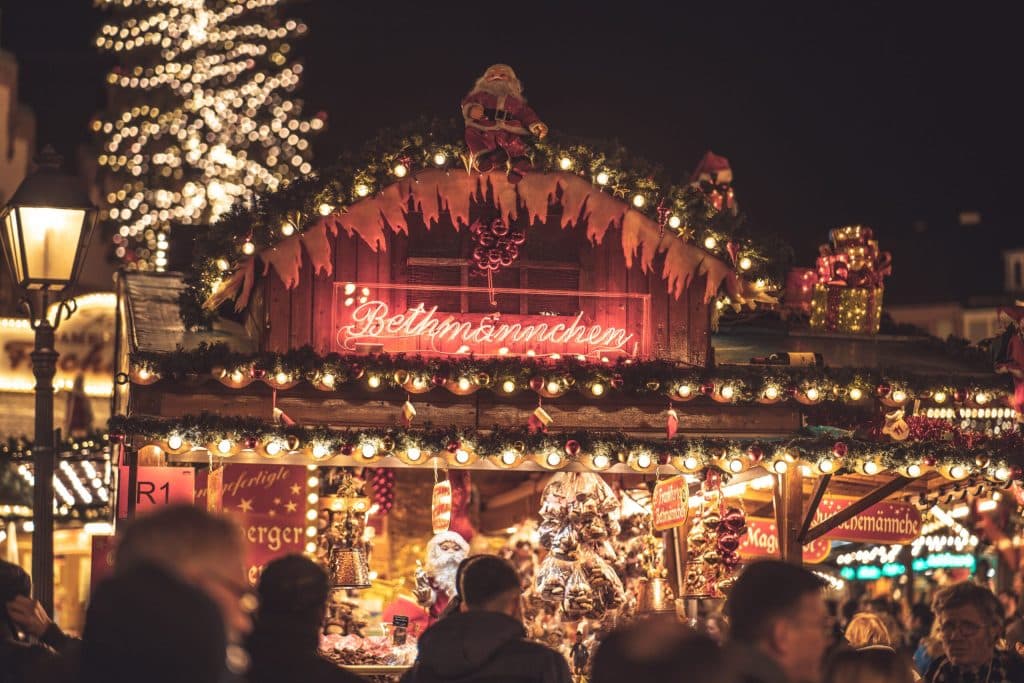
Every country and every family have their own Christmas traditions. For me, Christmas would not be the same without visiting a Christmas market or two. I cannot remember exactly when I first experienced one, but my memories reach back to earliest childhood. In particular, I recall my Irish grandmother’s first and only visit to Germany, when we took her to a market in Freiburg where my family was living at the time. I must have been eight years old, and I was filled with wonder at the lights and atmosphere—the kind of magic that stays with you forever.
Over the years, Christmas markets have taken on different meanings. As a young man, they became a special meeting place for friends, often on the way home from work. They offered a unique atmosphere to eat good food, enjoy company, and sip Glühwein to keep warm against the winter cold.
For international visitors, the markets offer an authentic chance to experience traditional food and drink while shopping for unique gifts among countless stands. Although traditional items remain popular, the craftsmen and women often have goods you will not find anywhere else.
The History Behind Europe’s Christmas Markets
Medieval Origins: From December Markets to Christmas Traditions
Although the tradition of these famous markets can be traced back to central Germany and parts of France during the Late Middle Ages, their exact origin remains hidden in time. The first mentions of “December markets” date back to 1298 in Vienna, Austria. Similar references appear for Munich (1310), Bautzen (1384), and Frankfurt (1393). However, historical texts reveal these were predominantly one-day markets, allowing citizens to buy and sell meat in preparation for Christmas festivities.
The Dresden Striezelmarkt: The Genuine Original Since 1434
The first Christmas market as we know and love them today was held in Dresden in 1434. Since then, the Dresden Striezelmarkt has been considered the genuine original. Over the years, it has developed into a massive event with around 200 stands spread throughout the city. Lasting for the whole Advent period, the market attracts several million visitors each year.
What Makes Up a Traditional Christmas Market?
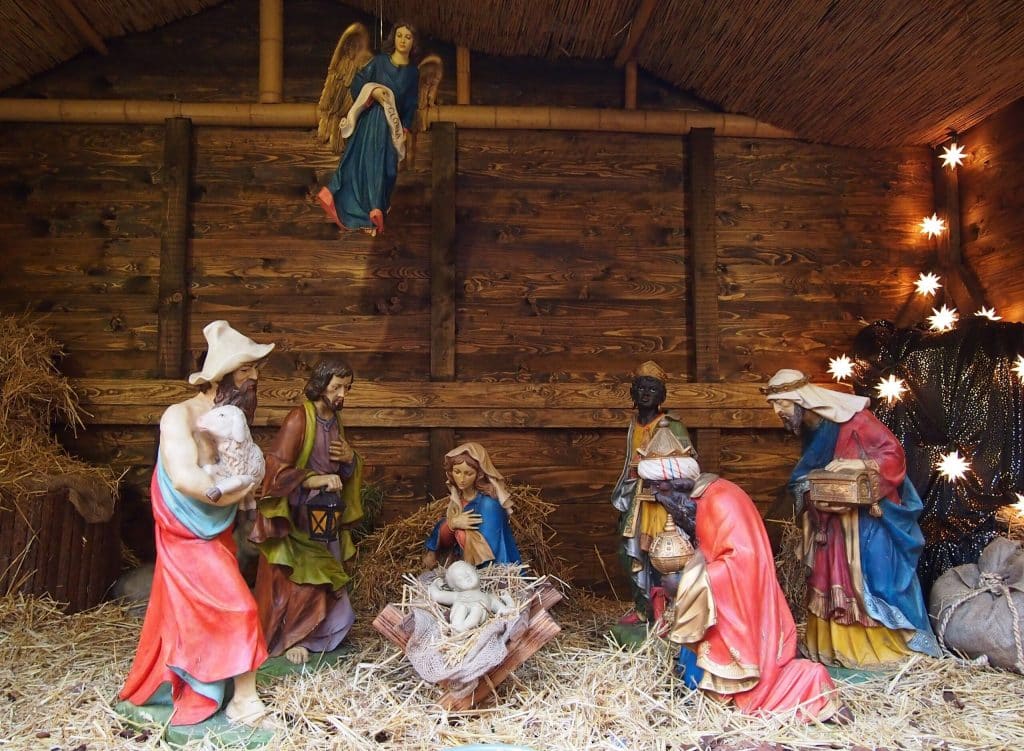
At the heart of a traditional Christmas market stands the nativity scene, although nowadays smaller markets often focus around a Christmas tree instead. This centerpiece is then surrounded by stalls selling food and drink as well as individual vendors offering gifts and Christmas decorations. The largest markets can have hundreds of different stalls, along with fun rides and entertainment for children such as merry-go-rounds and puppet shows. Dresden’s Striezelmarkt even features a daily stage show program.

Unique Gifts and Treasures to Look For
As you wander among the different market stalls, you will be stunned by the range of Christmas gift ideas. The stands overflow with traditional as well as innovative designs. While it is hard to single out any particular items, there are a few very traditional and special pieces worth seeking out.
Nutcrackers: Erzgebirge’s Wooden Guardians
These decorative figurines can be found at every Christmas market, often displayed alongside the famous Rauchermann (smokers). The first examples of nutcrackers originated in the Erzgebirge region of Germany along the Czech border.
Their popularity grew slowly over the years. However, as Christmas markets gained popularity, the woodcarvers selling their Christmas figurines also began offering decorative nutcrackers on their stalls. When US soldiers stationed in Germany after World War II discovered them, the nutcrackers became world famous. I still treasure the traditional nutcracker I bought at the Nuremberg market years ago—it sits on my mantel every December.
Candle Pyramids: Summer’s Promise in Winter
This traditional German Christmas decoration also has its origins among the woodcarvers of the Erzgebirge. Tradition holds that these pyramids remind us that summer will return. The design is based on a custom of dancing around the decorated pyramid-like “St. John’s Tree” during the summer solstice. Others have argued that this design is the forerunner of the modern Christmas tree.
Although most pyramids will fit on a table, you can find them in an amazing range of sizes. Some seem large enough to live in.
Traditional Market Foods You Must Try
A quick note on planning: Prices and opening hours are mentioned to help you budget and plan, but they can change often. I always recommend checking the official websites (which I’ll link to) for the most current information before your visit.
The choice of food on offer at different markets around Northern Europe is almost limitless. Depending on your exact location, Berlin would not be the same without a Currywurst, while in southern Germany and Austria I would miss not having Käsespätzle. Here are some dishes I recommend trying:
Bratwurst: Regional Variations Worth Tasting
What can I say about Bratwurst? Every region has its own version of pork or beef sausages grilled and served with a bread roll. Nuremberg is famous for its tiny finger-length sausages, while Thuringia offers its extra-long sausage with mustard.
Berlin has its own take on things, cutting up the sausage and covering it in tomato and curry sauce. Local legend suggests this developed when US soldiers in Berlin after the war wanted ketchup on everything, inspiring an inventive local sausage seller to create the tomato sauce and curry mix. While food historian Herta Heuwer is officially credited with inventing Currywurst in 1949, the market version remains an immediate hit with visitors.
Practical details:
- Expect to pay around 4-6€ for a Bratwurst with bread
- Available at virtually every market
- Usually served in paper trays for easy walking and eating
Fried Camembert: Melted Perfection
Camembert, breaded and deep-fried—what can I say? Divine. Often served with bread and a sweet berry sauce, the melted cheese creates pure comfort on a cold winter evening.
Potato Pancakes (Kartoffelpuffer or Reibekuchen)
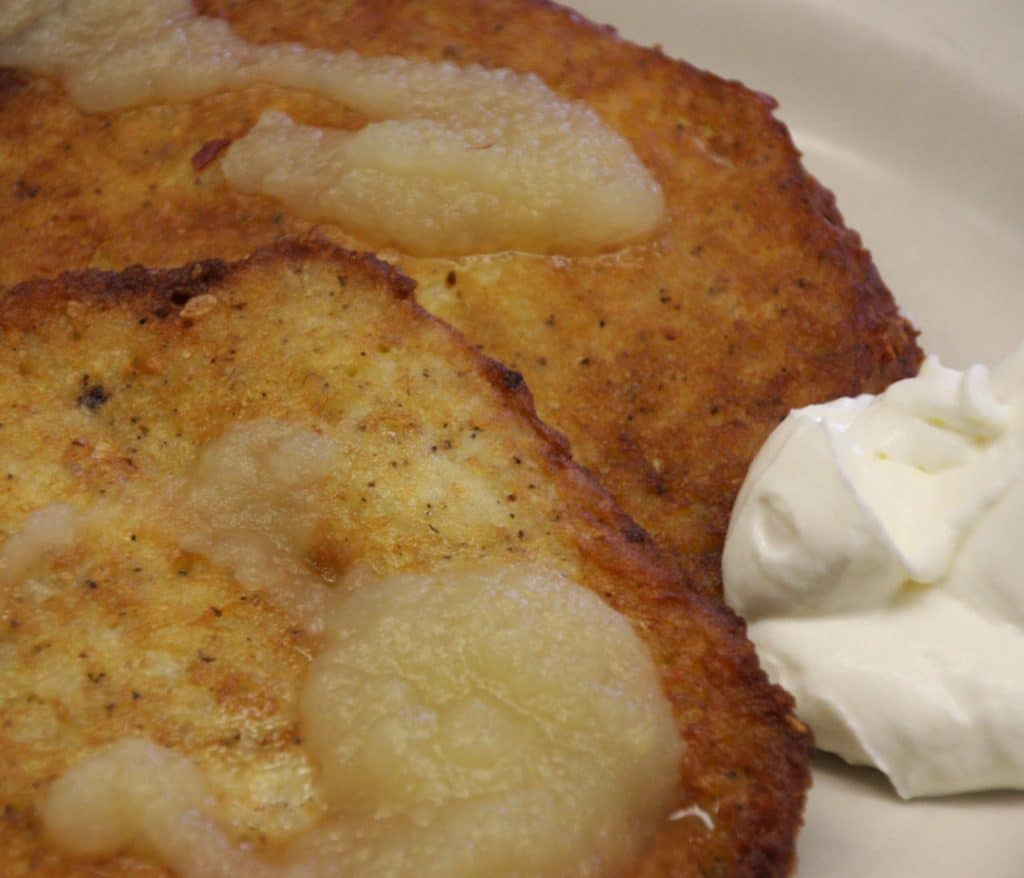
These small pancakes of fried potato are simply too good to miss. I have gone to Christmas markets and feasted entirely on good Kartoffelpuffer with apple sauce. Crispy on the outside, tender inside, they are the perfect market food.
Käsespätzle: Mountain Comfort Food
A traditional dish year-round in the mountain regions of southern Germany and Austria, Käsespätzle are homemade egg noodles baked in Emmental cheese and often served with fried onions on top. This dish is a meal unto itself, well worth trying. You will not see it at every Christmas market you visit, but you might encounter it in Munich or Salzburg.
Schupfnudeln: Potato Noodles with Bacon
You may run into Schupfnudeln on market stands. These potato noodles are usually fried in bacon and served as a side to your main choice. They remind me a little of fried gnocchi.
Champignons in Cream Sauce
Mushrooms cooked in herb and garlic cream—what could go wrong? In fact, they are amazing. Take a roll to soak up the sauce and you have a slightly healthier choice for a great lunch.
Roasted Almonds: Addictive Sweetness
Almost every market will have stands selling sweets and treats for young and old. Roasted almonds are probably the most common. Made fresh while you watch, these treats are genuinely addictive. Consider yourself warned.
Breads and Regional Pizza Variations
Every market offers a range of breads and bread rolls. Depending on the region, you will also find local versions of flatbreads topped with various ingredients.
Famously, the French-German Alsace region offers Flammkuchen, a thin pizza-like pastry typically topped with cheese, bacon, and onion, although there are often other variations available.
Knoblauchbrot is the German version of garlic bread, a really good accompaniment to any of the dishes available at market stands.
In the past, as you visited markets further east, you might occasionally encounter a dish with roots in Hungary. Lángos, pieces of fried dough topped with your choice of toppings, has become so popular that I am no longer surprised to see it available at many Christmas markets throughout Europe.

Christmas Market Drinks to Keep You Warm
To accompany all this food, you may want something to drink. On other occasions, you may just want a drink to keep warm and worry about food later. But what to choose? There is a wide selection from eggnog to grog, but some worth taking a closer look at include:
Glühwein: The Classic Mulled Wine
This is probably the most sold drink at any Christmas market. Traditional mulled wine keeps you warm and awakens the Christmas spirit in anyone who tries it. Drink it while it is hot, and do not forget to return the cups—the mugs Glühwein is sold in are usually on deposit (the Pfand system). However, if you want to keep the often decorative mugs as souvenirs, you usually can for a small additional fee.
For those who prefer non-alcoholic options, alcohol-free versions are also widely available.
Practical details:
- Expect to pay around 3-5€ for Glühwein plus 4-6€ deposit for the mug
- Return the mug to get your deposit back, or keep it as a souvenir
- Most markets offer both red and white wine versions
Hot Chocolate: Classic Comfort
Although not exclusively a Christmas drink, hot chocolate is definitely a firm favorite with market visitors. Different stands also offer additions such as rum or Baileys Irish Cream (delicious).
Feuerzangenbowle: The Flaming Spectacle
As you wander among the stands, from time to time you might see a drink catching fire. Feuerzangenbowle is a step up from Glühwein. It adds a sugar cone soaked in rum and set on fire over mulled wine. Light up your market adventure indeed.
Jägertee: Hunter’s Tea
Black tea mixed with rum and spices—a warming combination popular in Alpine regions.

Special Market Treats: Lebkuchen and Stollen
Lebkuchen: Nuremberg’s Honeyed Legacy
Tradition holds that Lebkuchen, a honey-sweetened German cake or molded cookie, was first produced by the monks of Ulm. However, it quickly became popular throughout the region. In 1487, Emperor Frederick III invited the children of Nuremberg to an event where he presented an estimated four thousand cakes bearing his likeness to them.
The traditional place to buy Lebkuchen is Nuremberg. However, almost every market has some available, and you can find it in a wide variety of flavors from spicy to sweet. Most stalls offer samples, and it packs and transports easily as a gift to bring home. Why not take some for your friends and bring a little taste of the markets back with them?
Christmas Stollen: Dresden’s Royal Fruitcake
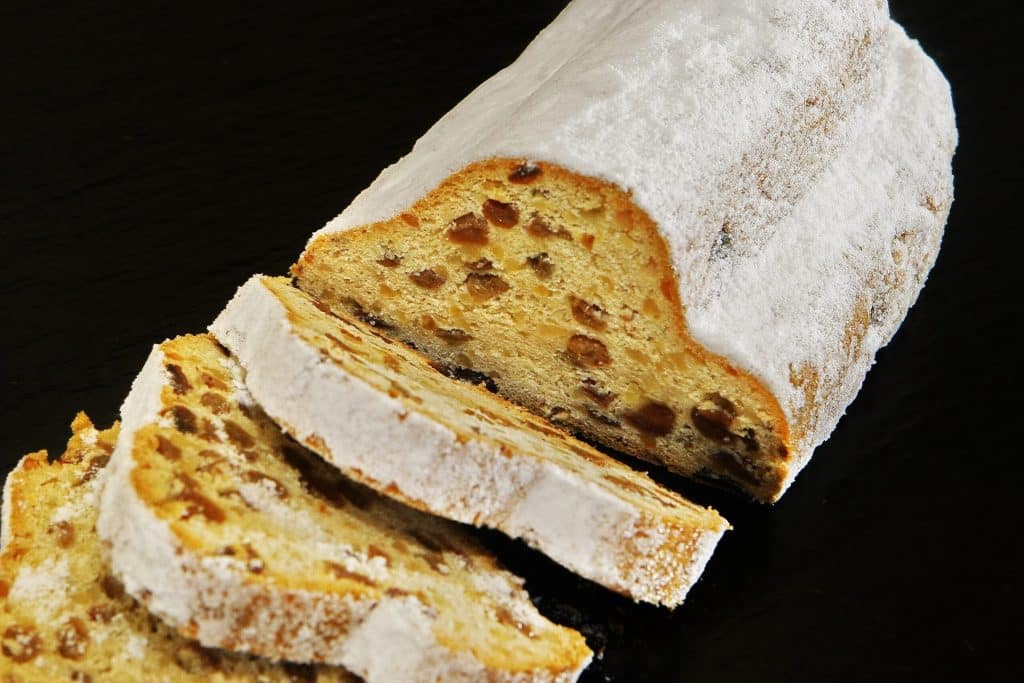
Stollen is a traditional Christmas cake in German-speaking areas—a fruit cake filled with nuts, spices, and dried fruit, covered in icing sugar and often with a marzipan filling running through the center.
Although stollen is baked in many kitchens around Germany, the traditional center for stollen production is Dresden. In Dresden, the tradition of stollen baking reaches back to the 15th century, when the royal court encouraged the practice.
Tradition holds that Augustus the Strong, Prince Elector of Saxony, commissioned a 1.7-ton stollen from the bakers’ guild in 1730. This oversized cake was consumed by the 24,000 guests of his infamous festivities known as the Zeithainer Lustlager. To allow for baking the cake, an oversized oven and stollen knife (a guillotine-like cutting device) had to be constructed.
Today you can buy stollen almost everywhere in Germany and beyond during the Christmas period. However, my family swears by the original Dresdner Stollen, and the good news is it keeps well, so it is not difficult to take some home to enjoy.
Frequently Asked Questions About Christmas Markets
When do European Christmas markets usually open?
Most European Christmas markets open in mid to late November and run through December 24th or 26th. The largest markets, like Dresden’s Striezelmarkt and Vienna’s Christkindlmarkt at Rathausplatz, often stay open until New Year’s Day. Specific dates vary by city and year, so I always recommend checking the official market website before planning your visit.
Do I need cash for Christmas markets, or do stalls take cards?
While larger markets increasingly accept cards, many smaller vendors still prefer cash. I always recommend bringing euros in smaller denominations (5€, 10€, 20€ notes) to make purchases easier. ATMs are usually available near major markets, but they may charge fees for international cards.
What is the “Pfand” system for Glühwein mugs?
The Pfand system is a deposit system used throughout German-speaking countries. When you buy Glühwein or other drinks, you pay a deposit (typically 4-6€) for the ceramic mug. You can either return the mug to any stand at that market to get your deposit back, or keep the mug as a souvenir. Each market usually has its own unique mug design, making them popular collectibles.
What should I wear to a Christmas market?
Christmas markets are outdoors, so dress warmly in layers. I recommend a warm coat, comfortable waterproof shoes or boots (cobblestones can be slippery), a scarf, hat, and gloves. Since you will be walking and standing for extended periods, comfort is more important than fashion. A crossbody bag or secure backpack is practical for carrying purchases and keeping your hands free for food and drinks.
Which European Christmas market should I visit first?
If it is your first time, I recommend starting with either Dresden’s Striezelmarkt (the oldest and most traditional), Nuremberg’s Christkindlesmarkt (arguably the most famous), or Vienna’s markets (the most elegant setting). Each offers an authentic experience but with slightly different atmospheres. For more guidance on planning your trip, see my Central Europe’s Seasonal Calendar: Best Times to Visit.
Are Christmas markets family-friendly?
Absolutely. Most markets include dedicated children’s areas with carousels, puppet shows, cookie decorating, and visits with St. Nicholas. The atmosphere is welcoming to all ages, though the Glühwein stands are naturally geared toward adults. Hot chocolate and roasted almonds are universal favorites for children.
Can I find authentic handmade gifts at the markets, or is everything mass-produced?
This varies by market. The larger, more touristy markets tend to have more mass-produced items, while smaller regional markets often feature genuine local craftspeople. Look for stalls where artisans are actively demonstrating their craft—woodcarvers, glassblowers, and potters. These are usually offering authentic handmade pieces. Do not hesitate to ask vendors about their work. The Erzgebirge woodcarvers, in particular, take pride in their traditional methods.
How long should I plan to spend at a Christmas market?
For a quick visit to experience the atmosphere and grab some food and Glühwein, plan for 1-2 hours. If you want to browse the stalls thoroughly, enjoy a meal, and perhaps take in some entertainment, allow 3-4 hours. The largest markets like Dresden or Nuremberg can easily fill an entire afternoon and evening. Markets are particularly magical after dark when all the lights are illuminated.
What should I know about visiting European Christmas markets?
European Christmas markets, dating back to Dresden’s 1434 Striezelmarkt, offer authentic festive experiences. Must-try foods include Bratwurst, Kartoffelpuffer, and Glühwein (mulled wine). Look for handmade gifts like Erzgebirge nutcrackers. Markets typically run from late November to Christmas Eve; bring cash and dress warmly.
Planning Your Christmas Market Adventure
The magic of European Christmas markets lies not just in the lights and the shopping, but in the way they bring people together. Whether you are meeting friends after work for a quick Glühwein, spending an afternoon with family browsing handmade treasures, or experiencing your first market as a traveler far from home, these traditional gatherings capture something essential about the season.
From the medieval origins in Dresden to the modern markets spreading across Europe, the tradition continues to evolve while maintaining its heart—a celebration of community, craftsmanship, and the simple joy of warmth and light in the darkest days of winter.
I hope this guide helps you plan your own Christmas market adventure. The smell of roasted almonds, the warmth of Glühwein in your hands, the sparkle of handblown glass ornaments catching the light—these are the moments that make the season truly magical.
📚 Read This Next
Ready to plan your festive trip? Here is how to turn these market visits into a complete itinerary:
- The Plan: The Perfect 2-Week Central Europe Itinerary – A route that hits Vienna, Prague, and Budapest during the height of the Christmas market season.
- The Budget: How Much Does a Trip to Central Europe Cost? – See exactly how much cash you’ll need.
- The Culture: Religious Customs and Church Etiquette – Many markets are next to cathedrals; learn how to visit them respectfully between Glühwein stops.
For more guidance on planning your Central European journey, explore my German and Austria Travel Guides or discover The Art of European Market Shopping to enhance your cultural immersion.