
Austria Travel: Your Essential Guide to Alpine Elegance and Imperial Grandeur
Updated 1/1/2026
This guide is for travelers seeking an authentic Austrian experience—covering top destinations, cultural treasures, practical travel tips, and insider perspectives from someone who has explored the country extensively.
Austria unfolds like a masterpiece painted across seasons. Baroque palaces gleam against snow-capped peaks. The echoes of Mozart and Strauss still drift through grand concert halls. Centuries-old coffeehouse culture sits comfortably alongside vibrant modern creativity. From Vienna’s imperial elegance to Salzburg’s musical soul, from Tyrolean mountain villages to the vineyard-draped hills of Styria, Austria delivers European sophistication wrapped in breathtaking natural beauty.
I’ve explored Austria many times over the years, most recently through 2025, and what continues to captivate me is how this relatively small country packs such remarkable diversity into its borders. Whether you’re standing before the gilded magnificence of Schönbrunn Palace, hiking through pristine Alpine meadows, or savoring Sachertorte in a traditional coffeehouse, Austria offers experiences that feel both timeless and refreshingly accessible.
A quick note on planning: Prices and opening hours mentioned throughout this guide help with budgeting and planning, but they can change. I always recommend checking official websites for the most current information before your visit.
Why Austria Should Be on Your Travel List
Quick Overview:
- Imperial heritage: Vienna and Salzburg‘s UNESCO World Heritage Sites showcase centuries of Habsburg magnificence and baroque artistry
- Alpine paradise: Nearly 30% of Austria is protected natural landscape, offering world-class hiking, skiing, and outdoor adventures
- Musical legacy: Birthplace of Mozart, home of the Vienna Philharmonic, and the setting for The Sound of Music
- Café culture and cuisine: From elegant coffeehouses to hearty regional specialties like Wiener Schnitzel and Kaiserschmarrn
- Exceptional accessibility: Compact size with efficient rail networks powered by renewable energy make sustainable travel easy
- Year-round appeal: Christmas markets, summer festivals, winter sports, and autumn wine harvests offer distinct seasonal experiences
Austria’s appeal transcends its postcard-perfect landscapes. This is a country where high culture and outdoor adventure coexist seamlessly, where you can attend a world-class opera performance one evening and summit an Alpine peak the next morning. The Austrian commitment to sustainability, quality of life, and preservation of traditions creates an authenticity that stands apart from more commercialized European destinations.
On this page
Exploring Austria by Region
Vienna: Imperial Capital Meets Modern Creativity
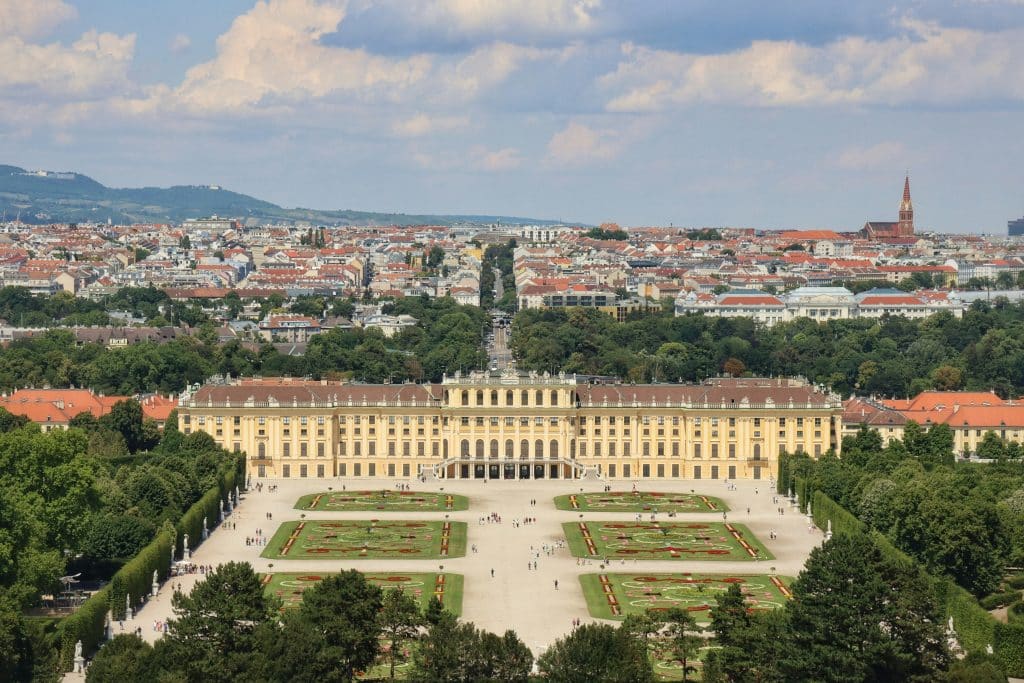
Vienna remains one of Europe’s most elegant capitals, where centuries of Habsburg rule left an indelible mark on architecture, culture, and daily life. The Historic Centre of Vienna, a UNESCO World Heritage Site, encompasses magnificent landmarks like the Hofburg Palace complex, St. Stephen’s Cathedral, and the opulent Schönbrunn Palace with its 1,400 rooms and expansive gardens.
What I love most about Vienna is how it balances imperial grandeur with vibrant contemporary culture. Spend your morning admiring Klimt’s masterpieces at the Belvedere Palace, your afternoon in a traditional coffeehouse sampling Sachertorte (and yes, the Sacher Hotel versus Demel rivalry is real—pick your side!), and your evening at a classical concert in the acoustically sublime Musikverein.
Beyond the must-sees, explore neighborhoods like Spittelberg for independent boutiques and cozy cafés, or venture to the Green Prater for forested trails away from tourist crowds. Vienna’s commitment to sustainability is evident in its public transport system, which runs largely on renewable energy and ranks among Europe’s best.
Insider Tip: When I’m looking for an authentic Viennese experience away from the tourist circuit, I always take groups to Heuriger Mayer am Pfarrplatz in Heiligenstadt. This traditional wine tavern serves their own wines alongside classic buffet spreads in a setting where locals far outnumber visitors.
Practical details:
- Expected visit time: 3-4 days for major attractions
- Public transport day pass: typically 10.20€
- Most museums: expect to pay 10-15€ entry
- (Schönbrunn Palace Imperial Tour starts at 28€, Grand Tour” is now often sold as the “Palace Ticket.” 38€; Upper Belvedere 17.50€+; Kunsthistorisches Museum 21€)
For current museum hours and ticket pricing, check the official Vienna Tourist Board website.
For a more see my Vienna 2026: Tour Director’s Guide & New Transport Rules
Salzburg: Mozart’s Birthplace and Alpine Gateway
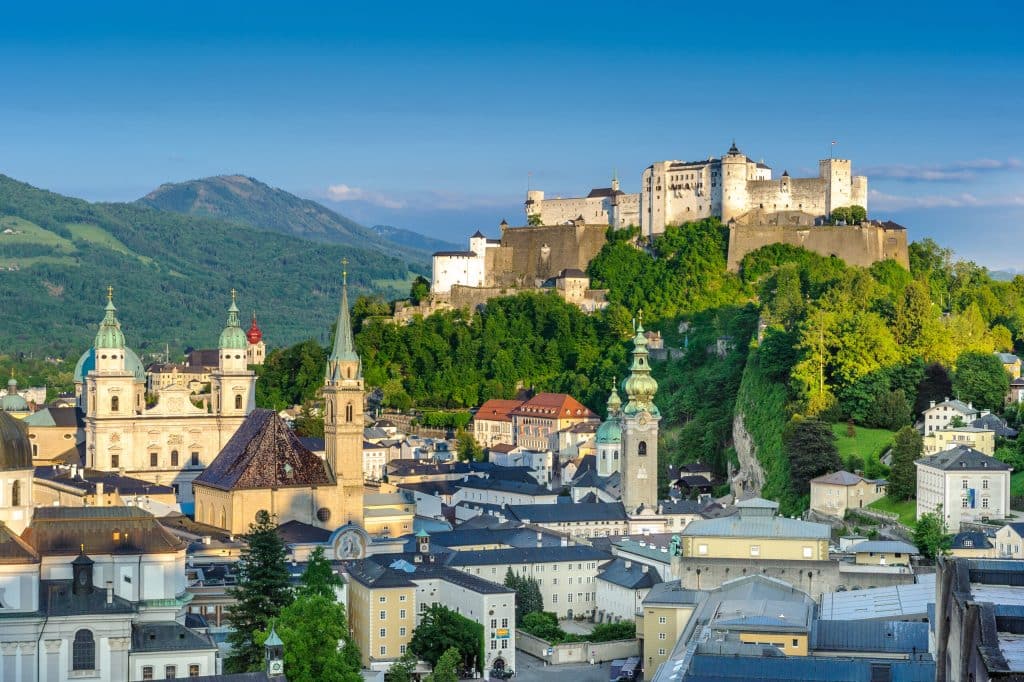
Nestled in the foothills of the Alps, Salzburg captivates with its compact, walkable old town—another UNESCO World Heritage Site. The imposing Hohensalzburg Fortress overlooks baroque architecture, Mozart’s birthplace, and countless locations from The Sound of Music.
The city’s musical heritage remains vibrantly alive with year-round concerts and the renowned Salzburg Festival. Take a self-guided walking tour through the Altstadt, visit Mirabell Palace and Gardens, and don’t miss DomQuartier Museum for its exceptional collection of Baroque art and design.
Salzburg also serves as the perfect launching pad for exploring the nearby Salzkammergut lake region (often called Austria’s Lake District), including the impossibly picturesque village of Hallstatt.
Practical details:
- Expected visit time: 2-3 days
- Fortress and museum entries: typically 10-18€
- Walking distance from train station to old town: approximately 15-20 minutes
For up-to-date fortress hours and concert schedules, visit the official Salzburg Tourism website.
If your interested in Finding The Sound of Music in Salzburg follow the link.
Tyrol and Innsbruck: Alpine Heart of Austria
Tyrol embodies everything magical about the Austrian Alps. Innsbruck, the regional capital, offers a unique blend of medieval old town charm and world-class mountain access. Walk through the historic center to admire the Golden Roof with its 2,657 copper tiles, then take a cable car into the Nordkette mountains for hiking or simply breathtaking panoramas.
Beyond Innsbruck, Tyrol rewards exploration. The Zillertal Alps and Mayrhofen offer pristine hiking trails and mountain huts serving hearty local specialties. The Grossglockner High Alpine Road, a spectacular 48-kilometer serpentine route, delivers you to the base of Austria’s highest peak and through the heart of Hohe Tauern National Park.
Winter transforms Tyrol into one of Europe’s premier skiing destinations, with resorts like St. Anton offering 300 kilometers of interconnected slopes.
Practical details:
- Nordkette cable car: typically 48-56€ round trip
- Grossglockner High Alpine Road toll: expect to pay around 46.50€ per car (Closed in Winter)
- Expected visit time: 2-3 days for Innsbruck, additional days for alpine exploration
Check the official Innsbruck Tourism website for current cable car schedules and mountain conditions.
Salzkammergut: Lakes, Mountains, and Hallstatt
The Salzkammergut region (Austria’s stunning Lake District) represents Austria at its most scenic—turquoise lakes reflecting jagged mountain peaks, traditional villages preserving centuries-old customs, and the world’s oldest salt mine still welcoming visitors. This UNESCO World Heritage Cultural Landscape encompasses Lake Attersee, Lake Mondsee, and the Dachstein massif.
Hallstatt, perched on the shores of its namesake lake, draws visitors worldwide with its painted facades and mountain backdrop. While undeniably popular, visiting early morning or staying overnight reveals a quieter charm. Don’t miss the Hallstatt Skywalk for panoramic views or the fascinating Ossuary (Bone House) with its intricately painted skulls.
Please note that the Hallstatt Salt Mine and Skywalk are closed for renovations until Summer 2026. During this period, consider visiting the Altaussee Salt Mine as an alternative (shuttle services often available), or explore other Hallstatt attractions including scenic boat rides on the lake, the fascinating Ossuary (Bone House) with its intricately painted skulls, and the Hallstatt Museum.
Practical details:
- Salt mine tours with funicular: typically 38-44€ (combined ticket)
- Altaussee Salt Mine tours (alternative during Hallstatt closure): typically 30-40€
- Skywalk entry: expect around 10-15€
- Expected visit time: 1-2 days minimum
For current salt mine tour schedules, check the official Hallstatt website.
Graz and Styria: The Green Heart
Graz, Austria’s second-largest city, sees far fewer tourists than Vienna but offers equally compelling experiences. Its Old Town, another UNESCO World Heritage Site, showcases over 1,000 historic buildings spanning Gothic to Baroque styles, contrasted with bold modern architecture like the “Friendly Alien” Kunsthaus.
Styria, nicknamed the “Green Heart of Austria,” boasts the country’s highest forest coverage and a thriving wine culture. The Southern Styria Wine Road winds through vineyard-covered hills dotted with traditional Buschenschänke (wine taverns) serving local specialties. When I bring groups to Styria, we always stop at Buschenschank Sattlerhof near Gamlitz—their pumpkin seed oil is exceptional, and the terrace views over the vineyard hills are unforgettable.
Practical details:
- Expected visit time: 2-3 days for Graz
- Museum entries: typically 15-20€
- Wine tasting at Buschenschänke: expect to pay around 15-25€
Check the official Graz Tourism website for current museum hours and wine road information.
Vorarlberg: Austria’s Western Gateway
Austria’s westernmost province remains refreshingly under-discovered. Vorarlberg combines traditional and modern wooden architecture, pristine mountain lakes, and a deep appreciation for sustainability. The region around Lünersee offers spectacular Alpine scenery without the crowds found in more famous resorts.
Cultural Experiences Worth Seeking Out
These are the moments that transform a trip into a journey:
- Attend a classical concert in Vienna’s Musikverein or State Opera, where acoustics alone justify the ticket price. Many venues offer standing-room tickets for around 5-15€, making world-class music surprisingly accessible.
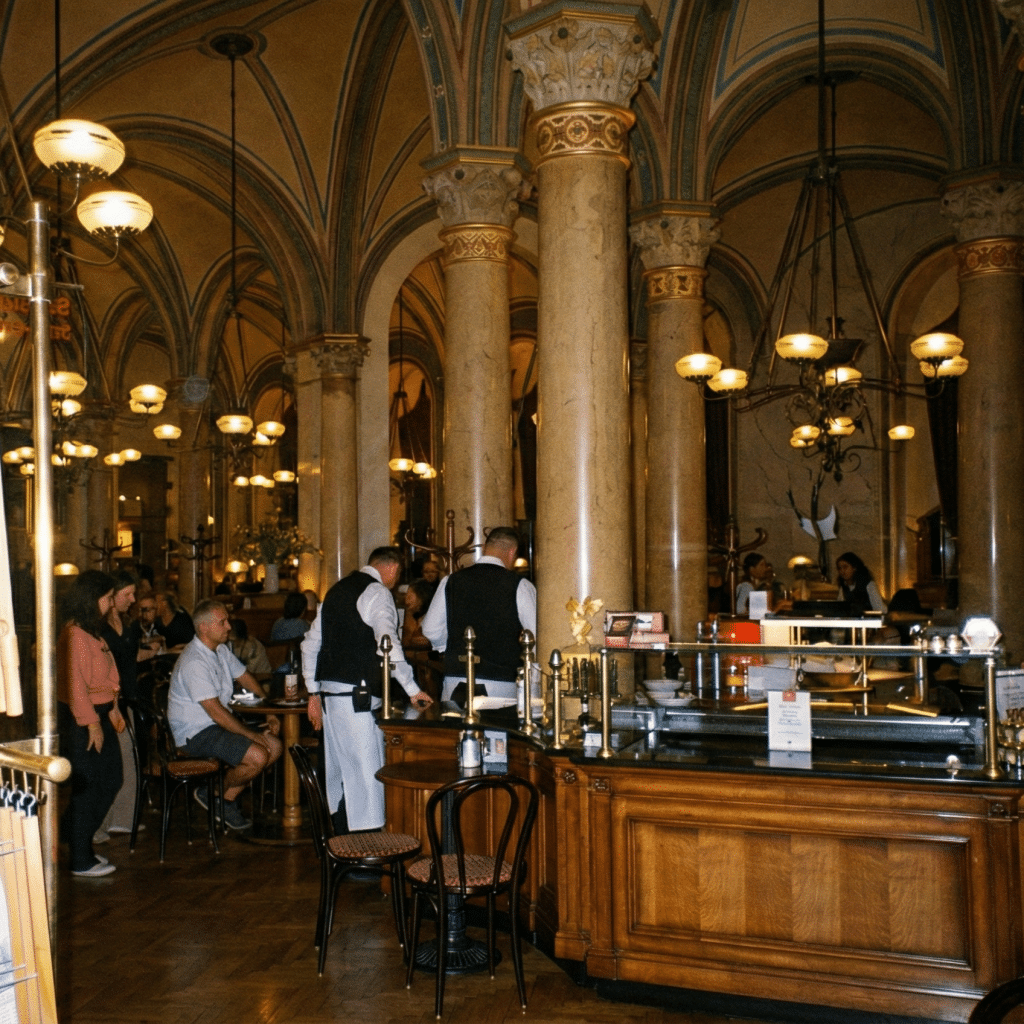
- Experience traditional café culture in a historic Viennese coffeehouse, where afternoons unfold over Melange coffee and pastries in elegant surroundings unchanged for generations. Learn more about this treasured European tradition in my guide to European café culture.
- Explore UNESCO World Heritage Sites including the historic centers of Vienna, Salzburg, and Graz, Schönbrunn Palace, and the Hallstatt-Dachstein Cultural Landscape.
- Immerse yourself in local traditions like the Almabtrieb (ceremonial cattle drives), Kirtag summer festivals, or elaborate Christmas markets that predate their commercialized Western European counterparts.
- Savor regional cuisines that vary dramatically across provinces—Viennese Tafelspitz and Sachertorte, Tyrolean Gröstl and Schlutzkrapfen, Styrian pumpkin seed oil, or Salzburg’s Mozartkugel.
- Hike Alpine trails through well-marked routes with mountain huts (Hütten) serving hearty meals and offering overnight stays. Nearly 30% of Austria’s landscape is protected, with exceptional hiking in Hohe Tauern National Park and beyond.
Practical Travel Tips for Austria
Getting Around Austria
By Train:
Austria’s rail network, operated primarily by ÖBB (Austrian Federal Railways), ranks among Europe’s best and runs largely on renewable energy. Railjet (RJ) high-speed trains connect major cities efficiently: Vienna to Salzburg takes around 2.5 hours, Vienna to Innsbruck under 4 hours.
Private operator WESTbahn offers competitive pricing on the Vienna-Salzburg-Innsbruck-Bregenz route. For current timetables and tickets, check the official ÖBB website or use booking platforms like Omio.
Regional trains (REX), S-Bahn systems, and the ÖBB Nightjet overnight services provide comprehensive coverage. Many routes offer spectacular scenery, making the journey part of the experience. For more detailed information about navigating Austria’s excellent public transport system, including booking tips and regional connections, explore my comprehensive transportation guide.
By Bus:
Postbus (an ÖBB subsidiary) operates extensive regional services connecting smaller towns and hiking trailheads. FlixBus provides budget-friendly intercity connections. Buses typically feature Wi-Fi, power outlets, and comfortable seating.
By Car:
Renting a car opens up remote Alpine valleys and scenic mountain roads, including the Grossglockner High Alpine Road. Expect rental rates of around 25-50€ daily depending on season. Note that motorways require purchasing a vignette (road toll sticker).
Digital vignettes are now widely available and increasingly popular, eliminating the need to affix stickers to your windshield. Purchase them through the official ASFINAG website, at border crossings, gas stations, or tobacco shops.
Budget Planning
Austria offers better value than many assume, though costs vary by region and season:
- Budget travelers: Expect to spend around 80-100€ per person per day (hostels, self-catering, public transport, free activities)
- Mid-range travelers: Plan for approximately 180-230€ per person per day (comfortable hotels, restaurant meals, paid attractions, regional travel)
- Comfort travelers: Budget 500€+ per person per day (luxury accommodations, fine dining, private tours)
Specific cost ranges:
- Hostel dorm beds: typically 20-50€ per night
- Budget hotels: around 50-90€ per night
- Mid-range hotels: expect to pay 90-170€ per night
- Restaurant meals: approximately 30-40€ for two at budget eateries, 80€+ for three-course dinner
- Museum entry: typically 10-15€
- Major museum and palace entries: 18-35€ (Schönbrunn, Belvedere, Kunsthistorisches Museum)
- Vienna public transport day pass: around 10.20€
Vienna and Salzburg command higher prices than smaller cities or rural areas. Accommodation in Hallstatt can reach upwards of 150€ per night even for basic guesthouses due to limited supply and high demand.
For detailed guidance on tipping practices throughout Austria and the rest of Europe, including when to tip and how much, my complete tipping guide covers restaurant service, hotel staff, taxi drivers, and more.
Currency and Payments
Austria uses the Euro (€). Credit cards are widely accepted in cities, though carrying some cash (around 50-100€) is advisable for markets, small towns, and traditional establishments. Tap water is safe and free—bring a reusable bottle to save money and reduce plastic waste.
Best Times to Visit
- May-September: Peak season for outdoor activities, festivals, and cultural events. Expect warm weather (highs in the 70s-80s°F/20s-30s°C), longer days, and larger crowds. June-August see the most rainfall but also the best hiking conditions.
- November-December: Christmas market season transforms town squares into twinkling wonderlands. Austrian markets feel more authentic and traditional than many Western European equivalents. Expect cold temperatures but magical atmosphere.
- April-May and September-October: Shoulder seasons offer the best balance—pleasant weather, fewer tourists, better hotel rates, and beautiful spring blooms or autumn colors. Late April through May and September through early October are ideal for sightseeing without summer heat or winter cold.
- January-March: Quietest and most budget-friendly period. Prime time for winter sports in Alpine regions. Cities offer excellent value with thin crowds, though some rural attractions have limited hours.
Weather patterns vary significantly between cities and mountains. April and November tend to be wettest months, while January sees coldest temperatures and July the warmest.
For a deeper dive into seasonal considerations across the region, including month-by-month recommendations beyond just the Christmas market season, my seasonal calendar guide covers festivals, weather patterns, and crowd levels throughout the year.

Visa and Entry Requirements
Austria is part of the Schengen Area, allowing free movement once you’ve entered. Standard tourist visits permit stays of 90 days within any 180-day period for most nationalities. US, Canadian, UK, and Australian passport holders do not require a visa for tourism.
Important for 2025: ETIAS (European Travel Information and Authorization System) requires travelers from visa-exempt countries to obtain electronic pre-authorization before entering the Schengen Area. This online application costs approximately 20€ and remains valid for three years. Always verify current entry requirements based on your citizenship well before travel.
The ETIAS (European Travel Information and Authorization System) travel authorization, which will require pre-authorization at approximately 20€ (valid for three years), is scheduled for implementation in mid-to-late 2026 or 2027. Always verify current entry requirements based on your citizenship well before travel, as these systems continue to be refined.
For the most current visa and entry information, check the official Austrian Federal Ministry website.
Sustainable and Slow Travel in Austria
Austria leads Europe in sustainable tourism initiatives, making eco-conscious travel both easy and rewarding:
- Choose Rail Over Flights: ÖBB trains run primarily on renewable energy, making Austria’s rail network one of Europe’s greenest. The Railjet journey from Vienna to Salzburg offers Danube Valley views no flight can match.
- Stay in Eco-Certified Accommodations: Seek properties with Austrian Ecolabel certification or belonging to Alpine Pearls (car-free mountain resorts). Options include Biohotel Rupertus in Leogang and Gradonna Mountain Resort in Tyrol.
- Support Local Producers and Artisans: Visit traditional Buschenschänke wine taverns in Styria, sample regional cheeses at Alpine dairy farms, and purchase handcrafted goods directly from makers.
- Explore Lesser-Known Destinations: Instead of only Vienna, consider Graz or Linz. Beyond Salzburg, explore Zell am See. Rather than just Hallstatt, venture to Traunsee or Wolfgangsee.
- Practice Leave No Trace: When hiking Austria’s exceptional trail network, stick to marked paths, carry out all waste, avoid disturbing wildlife, and respect quiet hours in mountain huts.
Inspiring Itineraries for Different Travel Styles
Classic Highlights (7-10 days)
Vienna (3 days) → Salzburg (2-3 days) → Hallstatt/Salzkammergut (1-2 days) → Innsbruck (2 days)
Perfect for first-time visitors, this route connects Austria’s most iconic destinations entirely by train, balancing imperial cities with Alpine beauty.
Alpine Adventure (10-14 days)
Salzburg → Grossglockner High Alpine Road → Zell am See → Mayrhofen/Zillertal → Lake Achensee → Innsbruck → Lech am Arlberg
Ideal for outdoor enthusiasts, this driving route showcases Austria’s mountain majesty with hiking, scenic roads, and traditional Alpine culture.
Cultural Deep Dive (10-14 days)
Vienna (4-5 days) → Wachau Valley wine region → Graz (2-3 days) → Salzburg (3 days) → Southern Styria Wine Road (2 days)
For culture and wine lovers, combining imperial cities with UNESCO sites, traditional wine regions, and lesser-visited Graz.
Off the Beaten Path (14 days)
Vienna → Graz → Riegersburg Castle (Styria) → Bad Gastein → Zell am See → High Tauern National Park → Zillertal Valley → Vorarlberg/Lünersee
Discover Austria’s hidden gems, from Styrian castles to thermal villages to pristine Alpine lakes that rarely appear on mainstream itineraries.

Regional Specialties: A Culinary Journey
Austrian cuisine varies dramatically by province, reflecting both geography and historical influences:
- Vienna: Tafelspitz (boiled beef), Wiener Schnitzel (breaded veal cutlet), Sachertorte, Apfelstrudel, and coffeehouse culture with Melange coffee
- Tyrol: Tiroler Gröstl (pan-fried potatoes with meat), Speckknödel (bacon dumplings), Schlutzkrapfen (spinach-filled pasta), Kaiserschmarrn (shredded pancake)
- Salzburg: Pinzgauer Kasnockn (cheese spaetzle), Bosna (spiced sausage), Mozartkugel chocolate balls
- Styria: Pumpkin seed oil, regional wines, mountain cheeses, wild game dishes
- Vorarlberg: Käsespätzle (cheese pasta), Riebel (semolina porridge), regional mountain cheeses
Most traditional dishes are hearty and meat-focused, though vegetarian options like Käsespätzle, Schlutzkrapfen with cheese, and various soups are widely available. Major cities increasingly offer vegan restaurants.
Frequently Asked Questions
How much time do I need to explore Austria properly?
A minimum of 7-10 days allows you to experience Vienna, Salzburg, and one Alpine region meaningfully. Two weeks enables slower travel with both cities and mountains. Austria’s compact size and excellent rail connections make it easy to see highlights even in a week.
Is it safe to travel in Austria?
Yes, Austria ranks among Europe’s safest countries for travelers. Standard precautions apply—watch for pickpockets in crowded tourist areas, use official taxis or rideshare apps, and stay aware of surroundings. Safety levels match or exceed Western European averages.
Do I need to speak German?
English is widely spoken in tourist areas, hotels, and restaurants in major cities. Learning basic phrases (Grüße, Danke, Bitte) is appreciated and enhances interactions. Younger generations typically speak excellent English, while older residents may know some German or limited English. Smaller towns and rural areas have less English proficiency.
Can I travel comfortably as a vegetarian or vegan?
Major cities offer excellent vegetarian and vegan options, with awareness growing rapidly. Traditional Austrian cuisine is meat-heavy, but you’ll find vegetable soups, cheese dishes, salads, and increasingly dedicated plant-based restaurants. Research ahead in smaller towns where options may be limited.
What’s the best way to handle money while traveling?
Use a no-foreign-transaction-fee credit card for most purchases and withdraw euros from ATMs as needed. Avoid airport exchange bureaus and hotel currency exchanges with poor rates. Notify your bank of travel dates. Always validate tickets for public transport to avoid fines.
Is Austria expensive compared to other European countries?
Austria costs less than Switzerland, Netherlands, or Scandinavia but more than Central/Eastern European neighbors. Vienna offers better value than Paris or London. Rural areas and smaller cities provide excellent affordability. Budget travelers can manage on around 100-120€ daily, while mid-range travelers should budget approximately 200-250€ to account for higher museum entry fees and dining costs in 2026.
Are Christmas markets worth visiting?
Absolutely. Austrian Christmas markets combine centuries-old traditions with authentic local culture. They feel less commercialized than many Western European markets, offer better value, and showcase genuine craftsmanship. Vienna, Salzburg, Innsbruck, and Graz host spectacular markets, typically running mid-November through December.
How crowded are tourist sites in Austria?
Major attractions in Vienna, Salzburg, and Hallstatt can be crowded during peak summer months (July-August) and Christmas market season. Visit early morning or late afternoon for better experiences. Book popular sites like Schönbrunn Palace online in advance. Lesser-known cities, regions, and rural areas rarely feel crowded.
How does the Austrian motorway toll vignette work?
Austria requires a vignette (Maut) for using motorways and expressways. You can purchase digital vignettes valid for 1-day digital vignette (~9.60€), 10-day (~12.80€), or 2-month (~32€), or 1 year (around 96-100€) through the official ASFINAG website, at border crossings, gas stations, or tobacco shops. Display physical vignettes on your windshield. The vignette is valid from the start date you select. Driving without one results in significant fines. Some scenic routes like the Grossglockner High Alpine Road require separate toll payments at entrance gates.
Your Journey Through Austria Awaits
Austria offers more than spectacular Alpine scenery and opulent palaces. It’s an immersion into a culture that values tradition while embracing sustainability, that balances high art with outdoor adventure, and that welcomes visitors with genuine warmth. Whether you’re drawn to Mozart’s birthplace, Vienna’s coffeehouse culture, Tyrolean mountain peaks, or Styrian wine roads, Austria rewards curiosity with authenticity.
The country’s compact size and exceptional infrastructure make it ideal for both first-time European travelers and seasoned explorers seeking depth over breadth. The combination of imperial history, musical heritage, culinary traditions, and pristine natural landscapes creates experiences that linger long after you return home.
Explore more detailed destination guides, itineraries, and insider tips on Pieterontour.com, where every journey through Austria is crafted to connect you with the heart of this remarkable country.
Explore more Central Europe travel guides and itineraries on Pieterontour.com, where every journey is designed to be both practical and unforgettable.
- The Perfect 2-Week Central Europe Itinerary Vienna, Prague, Kraków & Budapest
- 10 Authentic Cultural Experiences in Central Europe (That Aren’t Tourist Traps).
- Central & Eastern Europe Travel The Ultimate Guide for Culturally Curious Travelers.
- Central Europe’s Seasonal Calendar Best Times to Visit (Beyond Christmas Markets).
- Central & Eastern Europe Travel: The Ultimate Guide for Culturally Curious Travelers
- How Much Does a Trip to Central Europe Cost A Realistic Budget Guide.
Other Guides of Interest