
Czech Republic Travel: Your Essential Guide to Exploring the Heart of Bohemia
Updated 1/1/2026
This comprehensive introduction is for travelers planning their first journey to the Czech Republic—covering why to visit, what to expect, essential destinations, cultural insights, practical tips, and how to make the most of this captivating Central European gem.
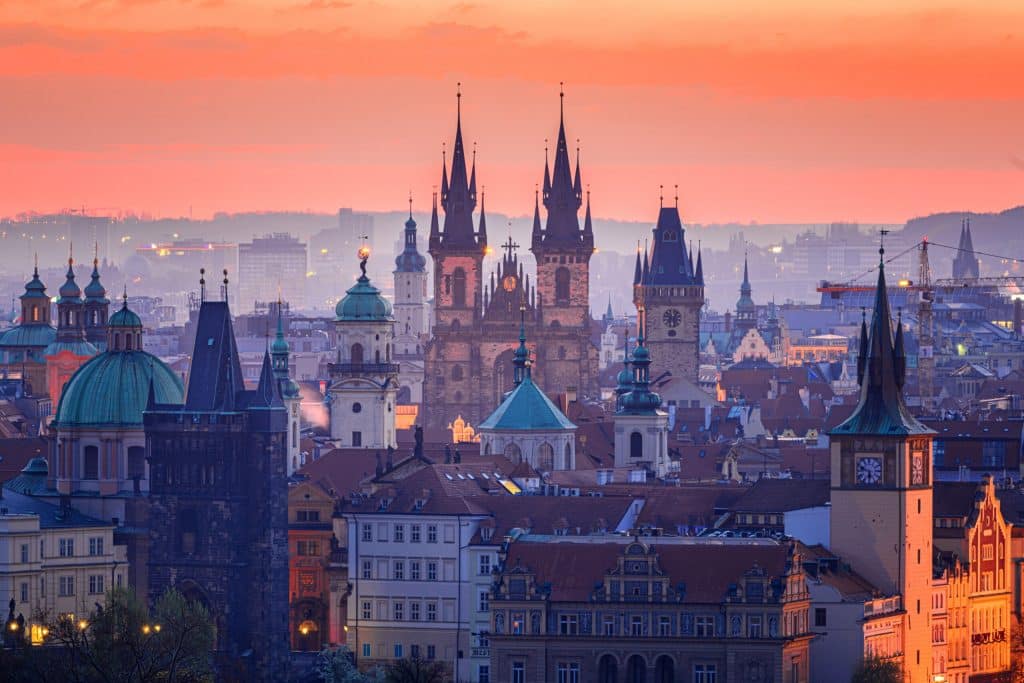
The Czech Republic sits at the crossroads of European history and culture, where medieval castles crown hilltops above Gothic spires, where beer flows as freely as conversation in centuries-old pubs, and where the weight of empires past meets the vibrant pulse of modern creativity.
Having explored this country extensively over my years as a European tour director, I’m struck by how it manages to feel both intimately accessible and endlessly surprising. The fairy-tale beauty of Prague often steals the spotlight, but venture beyond the capital and you’ll discover a landscape rich with spa towns nestled in forested valleys, wine regions producing exceptional vintages, and UNESCO-listed towns that seem frozen in amber.
A quick note on planning: Prices and opening hours are mentioned to help you budget and plan, but they can change often. I always recommend checking the official websites (which I’ll link to) for the most current information before your visit.
Why the Czech Republic Deserves Your Attention
Quick Overview: Czech Republic at a Glance
Category | Key Facts |
|---|---|
Value for Money | Travel costs approximately 30-50% less than Western Europe with comparable quality |
Cultural Density | 17 UNESCO World Heritage Sites in a country smaller than South Carolina |
Beer Heritage | Home of pilsner lager; highest per-capita beer consumption globally (140L annually) |
Architecture | Gothic, Renaissance, Baroque, and Art Nouveau masterpieces across eight centuries |
Safety Rating | Consistently ranks among Europe’s safest destinations for travelers |
Best For | History enthusiasts, beer lovers, budget-conscious travelers, castle explorers |
The Czech Republic occupies a unique position in Central Europe. For centuries, the Bohemian lands served as a cultural bridge between Germanic and Slavic worlds, absorbing influences from both while forging a distinct identity. This historical complexity translates into incredibly rich experiences for today’s travelers. You’ll find cities where Czech, German, and Jewish heritage intertwine, architectural styles that span eight centuries, and cultural traditions that have survived despite tumultuous 20th-century upheavals.
Understanding the Czech Lands: Geography and Regions
The modern Czech Republic comprises three historical regions, each with its own character and appeal.
Bohemia occupies the western two-thirds of the country, centered around Prague. This is the Czech heartland, where rolling plateaus are crossed by the Vltava River and surrounded by low mountain ranges along the borders. Bohemia encompasses Prague’s Gothic splendor, the hop-growing regions that produce world-famous Czech beer, spa towns that attracted European royalty for centuries, and medieval market towns that seem barely touched by time.
Moravia stretches across the eastern portion, centering on the city of Brno. With a slightly warmer, drier climate than Bohemia, Moravia is the country’s wine country, producing 96% of Czech wines in rolling vineyards near the Austrian border. The region also preserves vibrant folk traditions, particularly in southern villages where traditional costumes and celebrations remain part of living culture.
Czech Silesia forms a small northeastern corner bordering Poland, historically tied to the industrial Ostrava region but also encompassing portions of the stunning Carpathian mountains.
This geographical diversity means you can craft journeys that focus on cultural capitals, alpine hiking, wine tasting, spa retreats, or castle-hopping. Often, you can combine several within a single trip.
A Brief History: From Medieval Kingdom to Modern Nation
Understanding Czech history enriches every visit. The Bohemian Kingdom emerged as a powerful medieval state, reaching its zenith under Charles IV in the 14th century, who transformed Prague into one of Europe’s grandest capitals. The founding of Charles University in 1348 and construction of Prague Castle, Charles Bridge, and St. Vitus Cathedral during his reign created the architectural foundation visitors still admire today.
The Habsburg dynasty assumed the Bohemian throne in 1526, incorporating the Czech lands into their vast Central European empire. This 400-year period brought Catholic Counter-Reformation, German cultural influence, and the construction of baroque palaces and churches that define many Czech towns. Following World War I’s conclusion in 1918, Czechoslovakia emerged as an independent democratic nation.
The 20th century brought profound challenges. Nazi occupation during World War II was followed by four decades of communist rule that ended with the peaceful Velvet Revolution in 1989. In 1993, Czechoslovakia peacefully divided into the Czech Republic and Slovakia, a split so amicable it’s termed the “Velvet Divorce.” Today’s Czech Republic is a prosperous EU member, successfully balancing preservation of its rich heritage with modern European integration.
Essential Destinations: Where to Focus Your Exploration
Prague: The Golden City
Prague demands and deserves extended time. The capital’s historic center, itself a UNESCO World Heritage Site, presents an almost overwhelming concentration of architectural masterpieces spanning Romanesque through Art Nouveau periods. Prague Castle, the world’s largest ancient castle complex, dominates the hilltop Hradčany district. Charles Bridge connects the castle quarter with the Old Town, its baroque statues silhouetted against spires and domes.

Beyond the famous landmarks, Prague rewards wandering. The Jewish Quarter preserves Europe’s oldest functioning synagogue and a haunting cemetery. Lesser Town’s quiet lanes and palace gardens offer respite from crowds. Vinohrady and Žižkov neighborhoods pulse with local life—cafés, brewpubs, and parks where Prague lives rather than performs.
Practical details:
- Most first-time visitors allocate 3-4 days for Prague, though you could easily spend a week
- Prague Castle prices nearly doubled on March 1, 2024. Current pricing stands at 450 CZK for the main circuit (Old Royal Palace, St. Vitus Cathedral, St. George’s Basilica, and Golden Lane), up from the previous 250 CZK. Family tickets are now 950 CZK, up from 500 CZK.
- Public transport (90-minute ticket around 50 CZK/€2.00, though verify current 2026 pricing) connects all major sites efficiently
- Download the PID Lítačka app for navigation and mobile tickets
For more information on visiting take a look at my Prague 3-Day Itinerary
Český Krumlov: Baroque Perfection
This southern Bohemian town, wrapped in a tight loop of the Vltava River and crowned by a spectacular castle, appears almost too picturesque to be real. The entire historic center achieved UNESCO status for its remarkably preserved medieval and Renaissance core. Despite heavy tourist traffic during summer days, Český Krumlov retains magic, particularly early morning or evening when day-trippers depart.
![Aerial view of Český Krumlov’s red-roofed historic center wrapped by the meandering Vltava River with the illuminated castle tower rising above medieval buildings]
The castle complex includes baroque theater, palace gardens, and a painted tower offering panoramic views. Below, narrow lanes wind past painted Renaissance facades, artisan workshops, and traditional Czech restaurants.
Practical details:
- Budget 2 days to fully appreciate the town’s atmosphere
- Entry to castle grounds is free; interior tours typically range from 300-450 CZK (approximately €12-18)
- Visit early morning or late afternoon to avoid peak crowds
For more information on visiting take a look at my Český Krumlov Overnight Guide
Kutná Hora: Silver Wealth and Bone Chapels
An hour east of Prague, Kutná Hora grew fabulously wealthy from medieval silver mining. This prosperity funded construction of St. Barbara’s Cathedral, a Gothic masterpiece rivaling Prague’s St. Vitus. The town’s most famous (and macabre) attraction is the Sedlec Ossuary, where bones of approximately 40,000 people are arranged into decorative displays including a bone chandelier.
Practical details:
- Perfect as a day trip from Prague (under 1 hour by train)
- Combined ticket for main attractions typically around 350-450 CZK (approximately €14-18)
- The town’s quieter appeal warrants overnight consideration if your schedule allows
Karlovy Vary: Imperial Spa Elegance
The Czech spa triangle, particularly Karlovy Vary, represents a completely different Czech experience. Founded in the 14th century after Charles IV discovered the healing thermal springs, Karlovy Vary became 18th and 19th-century Europe’s most fashionable spa destination, attracting royalty, composers, and writers.
The town’s pastel-colored Art Nouveau and Neo-Baroque colonnades line the Teplá River, where visitors still “take the cure” by sipping mineral waters from porcelain cups and soaking in thermal baths. Karlovy Vary joined the UNESCO World Heritage list in 2021 as part of the “Great Spa Towns of Europe.”
Beyond wellness treatments, Karlovy Vary offers elegant architecture, hillside walks, and the unique Becherovka herbal liqueur produced here since 1807.
Practical details:
- Spa treatments range widely from basic thermal baths (around 800-1,500 CZK/€32-60) to multi-day wellness packages
- Traditional porcelain spa cups make excellent souvenirs (typically 200-400 CZK/€8-16)
- Check the official Karlovy Vary tourism website for current spa and attraction information
Moravia’s Wine Country: Mikulov and Beyond
Southern Moravia produces exceptional wines that surprise visitors who don’t expect quality viticulture this far north. The region shares latitude with Alsace and northern Burgundy, creating ideal conditions for crisp, aromatic whites, particularly Grüner Veltliner, Riesling, and indigenous varieties like Pálava.

The picturesque town of Mikulov anchors the wine region, its baroque château overlooking vineyards stretching toward the Austrian border. Surrounding villages, particularly Pavlov, host family-owned wineries offering tastings in historic cellars. The wine harvest season (September-October) brings festivals throughout the region.
Practical details:
- Wine tastings at smaller producers typically range from 200-500 CZK (approximately €8-20) for multiple wines
- Consider renting a car for flexibility exploring smaller wine villages
- Visit during September-October for harvest festivals and optimal weather
Czech Culture: Traditions, Customs, and Living Heritage
Beer Culture: More Than a Beverage
Czech beer culture represents something fundamental to national identity. The pilsner style was invented here in 1842 when Bavarian brewer Josef Groll created the world’s first golden lager at Pilsen’s Měšťanský pivovar. Today, Czechs maintain the world’s highest per-capita beer consumption at approximately 126-128 liters annually.
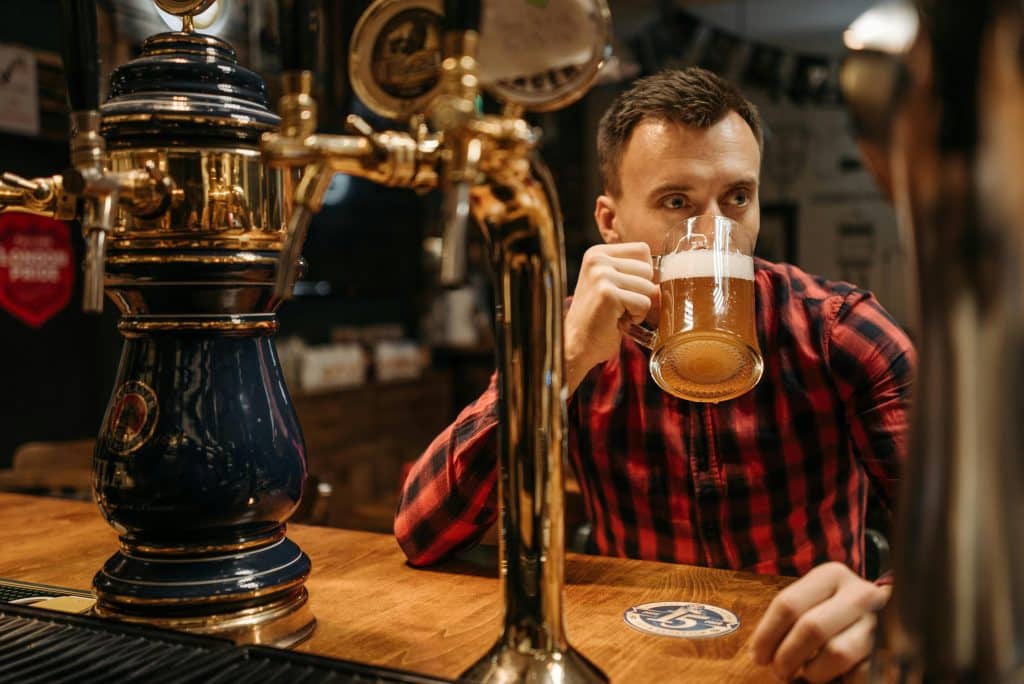
Traditional Czech pubs (hospoda) treat beer with reverence. Proper pouring techniques create different styles: hladinka (smooth), šnyt (small pour with extra foam), or mlíko (mostly foam). Beer typically costs less than bottled water and soft drinks, though this gap is gradually narrowing in tourist areas.
Major breweries like Pilsner Urquell, Budweiser Budvar, and Staropramen dominate production, but a thriving craft beer scene centered in Prague offers innovative approaches while respecting traditional methods.
Practical details:
- Half-liter beer in traditional pubs typically costs 75–95 CZK in Prague center; 55–70 CZK in rural areas. (approximately €2,40-4,00)
- Brewery tours at Pilsner Urquell or Budweiser Budvar range from 200-400 CZK (approximately €8-16)
- Beer is customarily brought without asking once you sit; wave or cover your coaster when finished
Traditional Czech Cuisine
Czech food is hearty, meat-centric, and deeply satisfying, particularly after a day of walking cobblestone streets. Having led countless groups through Czech restaurants, I’ve watched travelers discover that Czech cuisine offers far more depth than its reputation suggests.
Signature dishes include:
- Svíčková na smetaně: Braised beef sirloin with creamy vegetable sauce, bread dumplings, and a dollop of whipped cream and cranberries. This is the quintessential Czech Sunday lunch.
- Vepřo-knedlo-zelo: Roast pork with dumplings and sauerkraut. Simple but perfectly executed when done right.
- Guláš: Czech-style goulash, rich with paprika and served with bread dumplings
- Pečená kachna: Roast duck with red cabbage and dumplings
- Smažený sýr: Fried cheese, essentially a vegetarian schnitzel, beloved throughout the country
Dumplings (knedlíky), both bread and potato varieties, accompany most traditional dishes, serving to soak up rich sauces. Czech soups, particularly kulajda (creamy mushroom with dill and poached egg), offer warming starters.
Practical details:
- Traditional main courses typically range from 200-280 CZK (approximately €8-12) in neighborhood restaurants
- Tourist-area restaurants charge 350–550 CZK (€14–22) for similar dishes
- Round up bills by roughly 10% for tipping; leave cash on table rather than adding to card payments
For more guidance on European Dining times and table manners, including tipping practices across different countries, explore my dedicated dining etiquette guide.
Holidays and Traditions
Czech traditions blend Christian holidays with older seasonal celebrations. Christmas Eve (Štědrý den) is the main celebration, featuring carp dinners and gifts delivered by Baby Jesus (Ježíšek) rather than Santa Claus. Easter includes the playful tradition of pomlázka, where boys gently tap girls with braided willow switches in exchange for decorated eggs.
Beyond religious observances, Czechs celebrate name days alongside birthdays. Each day is assigned specific names, creating additional occasions for recognition. The Burning of the Witches on April 30th marks winter’s end with bonfires throughout the countryside.
Practical Travel Information
Getting There and Around
Prague’s Václav Havel Airport serves as the primary international gateway, with excellent connections throughout Europe. From the airport, the Airport Express bus reaches Prague’s main train station in approximately 30 minutes for around 100 CZK (€4). Check the official Prague public transport website for current schedules and pricing.
The Czech Republic maintains one of Europe’s densest rail networks. Trains connect major cities efficiently and affordably. Prague to Brno takes approximately 2.5 hours for 200-300 CZK (€8-12), Prague to Český Krumlov approximately 3 hours. The national railway company České dráhy (ČD) operates most services, with private operators like RegioJet offering additional options. Book well in advance (3 months) and you can get up to 33 percent discounts on last minute pricing.
Buses, particularly FlixBus, provide comprehensive coverage often at lower prices than trains. For exploring smaller towns and rural areas, rental cars offer flexibility, with daily rates typically ranging from 600-1,200 CZK (€25-50).
Within Prague and other major cities, public transport (trams, buses, metro in Prague) is efficient, reliable, and remarkably inexpensive.
For comprehensive guidance on navigating Central & Eastern Europe’s transportation networks, including detailed advice on train passes, bus routes, and rental car considerations, explore my dedicated transport guide.
Practical details:
- Use the IDOS.cz website or app for comprehensive train and bus schedules throughout the country
- Purchase train tickets in advance online for up to 33 percent discounts
- Validate all bus and tram tickets immediately upon boarding to avoid fines
- Consider the Czech Railways mobile app for ticket purchases and schedule changes
Budget Planning: What to Expect
The Czech Republic offers exceptional value, particularly compared to Western European neighbors. From my experience guiding groups through the region, here’s what different travel styles typically require:
Budget travelers: Expect to spend approximately 1,800–2,200 CZK (€72–88) per day covering hostel accommodation, street food and casual meals, public transport (Note: inflation trends in 2025 may push this slightly higher; verify current hostel rates)
Mid-range travelers: Budget around 2,200-3,500 CZK (€90-145) per day for comfortable hotels, restaurant meals, attraction entries, occasional taxis
Comfort travelers: Plan for 3,500+ CZK (€150+) per day including boutique hotels, fine dining, private tours
The Czech Republic uses the Czech koruna (CZK), with exchange rates typically around 25 CZK to 1 EUR or 23 CZK to 1 USD. While cards are widely accepted in cities, carrying some cash proves useful for markets, smaller establishments, and rural areas.
Money-saving tips:
I learned this lesson the hard way years ago when I watched a couple on one of my tours exchange €500 at a “Zero Commission” booth near Old Town Square in Prague. They received a rate so poor they essentially lost €75 compared to what they would have gotten from a bank ATM across the street. The husband was furious, but the damage was done. Since then, I always tell my groups: withdraw koruna from bank ATMs rather than using currency exchange offices, which offer predatory rates despite flashy “no commission” signs.
Other ways to stretch your budget:
- Eat lunch as your main meal; many restaurants offer daily lunch specials (denní menu) for 160–220 CZK (€6.50–9)
- Purchase attraction tickets online in advance for modest discounts
- Free walking tours operate in major cities; tip guides based on experience (typically 200-300 CZK/€8-12)
For a detailed breakdown of travel costs across Central Europe, including specific daily budgets for different travel styles and money-saving strategies, explore my comprehensive budget guide.
Best Times to Visit
The Czech Republic experiences four distinct seasons, each offering different advantages for travelers.
May-September (Peak Season)
June through August offers the warmest weather (temperatures typically 20-25°C/68-77°F), longest days, and numerous festivals, but also maximum crowds and highest prices and potentially extreme heat (30°C+)” as recent summers have been notably hotter.
April-May and September-October (Shoulder Season)
These months represent ideal visiting periods. Spring brings blooming gardens and warming temperatures, while autumn delivers harvest festivals, wine tastings, and spectacular fall foliage, particularly in October. Weather remains pleasant (typically 10-20°C/50-68°F), crowds diminish significantly, and prices drop.
November-December (Christmas Market Season)
Christmas markets transform town squares throughout the country. Markets typically run from late November through Christmas Eve, with Prague, Brno, and Karlovy Vary hosting particularly atmospheric versions.
January-March (Low Season)
The quietest tourism and lowest prices occur during winter months, though many smaller attractions close and weather turns cold (temperatures often below freezing). This period suits winter sports enthusiasts heading to mountain regions or those seeking thermal spa retreats.
For more detailed guidance on Central Europe’s seasonal patterns, including month-by-month weather expectations, festival calendars, and strategic timing recommendations beyond Christmas markets, explore my comprehensive seasonal guide.
Language and Communication
Czech is the official language, a complex Slavic tongue presenting challenges for English speakers. However, English proficiency has grown significantly, particularly among younger Czechs and in tourism-related businesses.
In Prague’s center and major tourist destinations, English is widely spoken in hotels, restaurants, attractions, and shops. Public transport announcements in Prague often include English translations. Outside tourist areas and in smaller towns, English becomes less common, though basic communication usually succeeds through gestures, translation apps, or German (particularly among older generations).
Learning a few essential Czech phrases demonstrates respect and often elicits warmth from locals:
- Dobrý den (hello)
- Děkuji (thank you)
- Prosím (please/you’re welcome)
- Na zdraví (cheers)
- Nemluvím česky (I don’t speak Czech)
Communication tips:
- Download Czech language in Google Translate for offline use
- Restaurant menus in tourist areas typically include English translations
- Write down your hotel address in Czech before heading out
- Pointing at menu items works perfectly well in traditional restaurants
Safety and Security
The Czech Republic ranks among Europe’s safest countries for travelers. Violent crime remains rare, and most visits occur without incident. Having guided groups through Prague and beyond for years, I can attest that basic awareness prevents most problems.
The primary concerns are petty theft and tourist-targeted scams. Pickpockets operate in crowded tourist areas, particularly Prague’s Old Town Square, Charles Bridge, Wenceslas Square, and tram line 22 to Prague Castle. Keep valuables secured in cross-body bags with zippers, avoid back pockets, and remain alert in crowds.
Common scams include overcharging at restaurants (scrutinize bills carefully), unlicensed taxis (use Uber, Bolt, or agreed-upon fares), and currency exchange offices offering poor rates (use ATMs or banks instead).
Safety essentials:
- Public transport is safe and reliable, though ticket validation is mandatory; plainclothes inspectors levy immediate fines for invalid tickets
- Emergency number: 112 (English-speaking operators available)
- Carry copies of important documents separately from originals
- Register with your embassy if staying extended periods
Cultural Experiences Worth Seeking
Castle Exploration
With approximately 2,000 castles and châteaux, the Czech Republic holds the world’s highest castle density. Beyond Prague Castle and Český Krumlov’s complex, several others warrant visits:
Karlštejn Castle: Charles IV’s Gothic fortress designed to safeguard crown jewels, dramatically positioned on a forested hillside 30km from Prague
Hluboká Castle: A romantic Neo-Gothic château modeled on England’s Windsor Castle, complete with manicured gardens
Pernštejn Castle: Known as the “Marble Castle,” this formidable medieval fortress never fell to enemies
Loket Castle: A medieval stronghold dramatically set on a rocky promontory above the Ohře River
Practical details:
- Most castles require guided tours; English tours available at major sites
- Entry fees typically range from 350–550 CZK (approximately €15-23) for major castles
- Some castles close during winter months (November-March)
- Check individual castle websites for current opening hours and tour availability
UNESCO World Heritage Sites
The Czech Republic’s 17 UNESCO World Heritage Sites span historic city centers, architectural monuments, cultural landscapes, and, as of 2021, natural sites. These include:
- Historic centers of Prague, Český Krumlov, Telč, and the Olomouc Holy Trinity Column
- Architectural treasures including Litomyšl Castle and the Pilgrimage Church of St. John of Nepomuk
- The spa triangle (Karlovy Vary, Mariánské Lázně, Františkovy Lázně) as part of “Great Spa Towns of Europe”
- Jewish Quarter and St. Procopius Basilica in Třebíč
- Gardens and Castle at Kroměříž
- The Erzgebirge/Krušnohoří Mining Region (shared with Germany)
Folk Traditions and Festivals
Southern Moravia particularly preserves living folk culture. Traditional costumes (kroje), folk music, and seasonal celebrations remain active rather than merely performative. Wine harvest festivals throughout September and October showcase this cultural continuity alongside exceptional local wines.
Notable festivals:
- Wine harvest festivals in Mikulov and surrounding villages (September-October)
- Czech Beer Festival in Prague (May)
- Karlovy Vary International Film Festival (July)
- Christmas markets throughout the country (late November-December)
Sustainable and Thoughtful Travel
The Czech Republic’s compact size, excellent rail network, and concentration of walkable historic towns naturally support sustainable tourism. Thoughtful travelers can enhance positive impact through several practices.
Choose rail over flights for intercity travel. Prague to Vienna, Prague to Berlin, or Prague to Kraków all offer scenic rail journeys under five hours.
Explore beyond Prague. Smaller cities like Olomouc, Telč, and Třeboň offer authentic experiences with far fewer crowds while distributing tourism benefits more equitably.
Stay in locally-owned accommodations. Family-run pensions (penzion), guesthouses, and small hotels keep tourism spending in communities.
Support traditional crafts and local food systems. Purchase from craft markets, visit working craft workshops, and choose restaurants sourcing from regional producers.
Travel during shoulder seasons (April-May, September-October). This reduces strain on overtaxed destinations while offering equally rewarding experiences.
Sample Itineraries for Different Interests
First-Timer’s Czech Highlights (7-10 days)
Day 1-4: Prague (explore Old Town, Prague Castle, Jewish Quarter, Lesser Town)
Day 5: Day trip to Kutná Hora
Day 6-7: Český Krumlov (castle complex, town exploration)
Day 8-9: Karlovy Vary or Telč (spa culture or preserved medieval town)
This classic introduction balances Prague’s urban grandeur with smaller-scale charm, touching on key UNESCO sites and diverse Czech experiences.
If you’re considering extending your journey beyond the Czech Republic, explore my 2-week Central Europe itinerary covering Vienna, Prague, Kraków, and Budapest for a comprehensive regional experience.
Czech Nature and Outdoors (7-10 days)
Day 1-2: Prague
Day 3-4: Bohemian Paradise (rock formations, hiking trails)
Day 5-6: Bohemian Switzerland National Park (Pravčická Arch, gorge walks)
Day 7-9: Šumava Mountains or High Tatras (mountain hiking, pristine forests)
For hikers and nature enthusiasts, this itinerary explores the Czech Republic’s dramatic rock formations, national parks, and mountain wilderness.
Beer and Spa Circuit (7-10 days)
Day 1-3: Prague (historic breweries, beer culture)
Day 4: Pilsen (Pilsner Urquell brewery tour)
Day 5-7: Karlovy Vary (thermal springs, spa treatments)
Day 8: Mariánské Lázně (spa town exploration)
Day 9: České Budějovice (Budweiser Budvar brewery)
Combining two quintessential Czech experiences—world-class beer culture and historic spa traditions—this route suits travelers seeking relaxation and indulgence.
Moravian Wine and Culture (7-10 days)
Day 1-3: Prague
Day 4-5: Brno (Moravia’s capital, UNESCO Villa Tugendhat)
Day 6-8: Mikulov wine region (vineyard visits, wine tastings, cycling)
Day 9-10: Olomouc or Telč (baroque architecture, UNESCO sites)
This eastern-focused itinerary explores regions most visitors miss, emphasizing exceptional wines, preserved folk traditions, and UNESCO sites beyond the tourist circuit.
Preparing for Your Czech Journey
Visa Requirements
The Czech Republic is part of the Schengen Area. Citizens of the US, Canada, UK, Australia, and most developed nations may visit visa-free for up to 90 days within any 180-day period for tourism purposes. Always verify current requirements based on your citizenship before booking. Check your government’s official travel advisory website for the most current visa information.
What to Pack
Czech weather varies significantly by season. Comfortable walking shoes are essential—cobblestone streets dominate historic centers. Layer clothing for temperature variations, and include a rain jacket regardless of season. Smart casual attire suffices for most situations, though some upscale restaurants and classical concerts warrant dressier options.
Packing essentials:
- Comfortable walking shoes with good arch support (broken in before your trip)
- Day pack for carrying water, snacks, layers
- Power adapter (Czech Republic uses Type C and E plugs, 230V)
- Reusable water bottle (tap water is safe to drink throughout the country)
- Small flashlight for castle tours and cobblestone streets at night
Money Matters
Notify your bank of Czech travel dates to prevent card blocks. Credit and debit cards with no foreign transaction fees save substantially on cumulative purchases. Withdraw koruna from bank ATMs rather than using currency exchange offices, which offer poor rates.
Tipping in Czech restaurants follows a roughly 10% guideline. Round up bills or leave cash on the table rather than adding tips to card payments. Tipping is less expected than in North America but appreciated for good service.
Essential Apps and Resources
- IDOS.cz for comprehensive train and bus schedules throughout the country
- PID Lítačka for Prague public transport navigation and mobile tickets
- Bolt or Uber for reliable ride-hailing in Prague and Brno
- Maps.me for offline navigation in areas with limited connectivity
- Google Translate with Czech language downloaded for offline use
Frequently Asked Questions
How much time do I need to explore the Czech Republic?
A week allows you to experience Prague thoroughly plus one or two additional destinations. Ten days to two weeks provides time to explore multiple regions without rushing. First-time visitors typically spend 3-4 days in Prague, then venture to 2-3 smaller destinations.
Is Prague walkable?
Prague’s historic center is highly walkable, though hilly sections around Prague Castle and Vyšehrad require moderate fitness. The city’s excellent public transport system (trams, metro, buses) connects all major districts efficiently and inexpensively.
Do I need to speak Czech?
Not in tourist areas. English is widely spoken in Prague’s center, hotels, restaurants, and major attractions. Outside tourist zones, basic communication succeeds through gestures, translation apps, or simple phrases. Learning dobrý den (hello) and děkuji (thank you) goes a long way.
What’s the best way to travel between Czech cities?
Trains offer the most comfortable and scenic option for major routes. Buses provide comprehensive coverage at lower prices and reach destinations trains don’t serve. Rental cars suit travelers wanting flexibility for smaller towns and wine country exploration.
Is Czech food vegetarian-friendly?
Traditional Czech cuisine is heavily meat-based, but larger cities, particularly Prague, offer growing vegetarian and vegan options. Smažený sýr (fried cheese) appears on most menus as a vegetarian main course. Modern restaurants increasingly accommodate dietary restrictions.
When should I avoid visiting?
Mid-July through August brings peak crowds and highest prices, particularly in Prague and Český Krumlov. Christmas market season (late November-December) also draws heavy tourism. Late April through early June and September through October offer ideal conditions with manageable crowds.
Is tap water safe to drink?
Yes, tap water throughout the Czech Republic meets high quality standards and is safe to drink. Carry a reusable water bottle to refill rather than purchasing bottled water.
How safe is Prague at night?
Prague is very safe at night by European standards. The main concerns are pickpockets in tourist areas and overcharging at late-night establishments. Stick to well-lit areas, use reputable transportation, and remain aware of surroundings as you would in any major city.
Can I use Euros in the Czech Republic?
Technically yes, some tourist-oriented shops and restaurants accept Euros, but the exchange rate is typically poor. You’ll get significantly better value using Czech koruna (CZK). ATMs are widely available and offer the best exchange rates when withdrawing local currency.
Your Czech Adventure Awaits
The Czech Republic rewards travelers who look beyond Prague’s undeniable splendor to discover the layered complexity within. This is a country where beer is cultural heritage and philosophical discourse, where castles number in the thousands, where spa culture extends back centuries, and where the scars of 20th-century history coexist with remarkable resilience and creativity.
Whether you’re drawn by architectural masterpieces, outdoor adventures, culinary traditions, or simply the appeal of exploring one of Europe’s most authentic and affordable destinations, the Czech Republic delivers experiences that linger long after departure. The medieval lanes, thermal springs, forest-crowned castles, and welcoming hospody create journeys marked by discovery rather than simply sightseeing.
I’ve watched countless travelers arrive in Prague expecting a long weekend and leave planning their return trip to explore Moravia’s wine country, Bohemia’s castle circuit, or the spa towns they’d never heard of before. The Czech Republic has a way of getting under your skin like that.
The Czech Republic isn’t trying to impress visitors. It’s simply being itself, which turns out to be remarkably impressive.
Ready to start planning your Czech adventure? Explore more Central Europe travel guides and itineraries on Pieterontour.com, where every journey is designed to be both practical and unforgettable.
- The Perfect 2-Week Central Europe Itinerary Vienna, Prague, Kraków & Budapest
- 10 Authentic Cultural Experiences in Central Europe (That Aren’t Tourist Traps).
- Central & Eastern Europe Travel The Ultimate Guide for Culturally Curious Travelers.
- Central Europe’s Seasonal Calendar Best Times to Visit (Beyond Christmas Markets).
- Central & Eastern Europe Travel: The Ultimate Guide for Culturally Curious Travelers
- How Much Does a Trip to Central Europe Cost A Realistic Budget Guide.