
Lake Geneva Region (Geneva, Lausanne, Montreux): Elegant Lakeside Switzerland Explained
This guide is for travelers seeking sophisticated lakeside experiences in Switzerland—here’s everything you need to know about Geneva, Lausanne, and Montreux, from Belle Époque elegance to UNESCO vineyards.
Switzerland’s Lake Geneva, known locally as Lac Léman, represents everything the country promises: Alpine grandeur meets cosmopolitan sophistication. This crescent-shaped body of water stretches 72 kilometers along Switzerland’s western edge, cradled between the Alps and the Jura Mountains, with Mont Blanc’s snow-capped silhouette visible on clear days across the French border. Unlike Switzerland’s mountain lakes hidden in remote valleys, Lake Geneva opens itself to elegant lakeside cities, Belle Époque resorts, and UNESCO-protected vineyards that cascade toward the water like geometric artwork.
The region belongs to Romandy (French-speaking Switzerland), which explains the Continental elegance permeating Geneva, Lausanne, and Montreux. This is where Swiss precision meets French sophistication, where international diplomacy shares space with wine cellars dating to Roman times, and where every window seems to frame a postcard vista. After two and a half decades leading groups through these lakeside towns, I’ve learned that Lake Geneva holds particular appeal for travelers seeking refinement without pretense: world-class museums and dining, accessible mountain experiences, and the kind of natural beauty that makes lingering inevitable.
![Map showing Lake Geneva region with Geneva on the western shore, Lausanne midway along the northern shore, and Montreux on the eastern end, with major attractions and transport connections marked]
A quick note on planning: Prices and opening hours are mentioned to help you budget and plan, but they can change often. I always recommend checking the official websites (which I’ll link to) for the most current information before your visit.

The Three Faces of Lake Geneva: Understanding Each City’s Character
Lake Geneva isn’t monolithic. Each of the three major cities along its shores offers distinct personality, and knowing which resonates with your travel style determines whether you’ve planned a perfect getaway or merely competent sightseeing.
|
City |
Character |
Best For |
Key Attractions |
|---|---|---|---|
|
Geneva |
International, cosmopolitan, diplomatic |
Urban sophistication, business + leisure |
Jet d’Eau, UN buildings, Old Town, Red Cross Museum |
|
Lausanne |
University energy, Olympic heritage |
Balancing museums with natural beauty |
Olympic Museum, Plateforme 10, Lavaux vineyards gateway |
|
Montreux |
Belle Époque elegance, resort atmosphere |
Leisured exploration, scenery, romance |
Chillon Castle, Lakeside promenade, Rochers-de-Naye |
Geneva anchors the lake’s western end as Switzerland’s second-largest city and international capital—home to the United Nations, the International Red Cross, and countless diplomatic missions. This is cosmopolitan Geneva, where business travelers in tailored suits pass street musicians, where Lake Geneva’s shores reflect the Jet d’Eau fountain shooting 140 meters into the air, and where menus range from Michelin-starred fine dining to authentic cafés serving Geneva specialties in the medieval Old Town. Geneva appeals to travelers who want city sophistication with lakeside access rather than a lake destination that happens to have culture.
Lausanne, 40 minutes up the lake via train, feels entirely different—a university town with Olympic heritage, draped across hillsides above the water. The city claims Switzerland’s most-visited museum (the Olympic Museum, which I’d rank among the most engaging sports museums anywhere), neighborhood energy in The Flon district, and an Old Town where medieval architecture clusters along steep lanes. Lausanne works wonderfully as a base for exploring the Lavaux vineyards without feeling as internationally oriented as Geneva.
Montreux, another 30 minutes east, represents lakeside resort elegance in its purest form—flower-decked promenades lined with Belle Époque hotels, mountain vistas from nearly every viewpoint, and the singular charm of a destination that’s hosted celebrities and cultural events since the 19th century. Where Geneva feels businesslike and Lausanne energetic, Montreux exudes leisured refinement. The city is most famous for its Jazz Festival (held annually since 1967), but its off-season appeal runs equally deep. The GoldenPass Express scenic train connects Montreux through the Alps to Interlaken, making this an ideal jumping-off point for deeper Swiss exploration.
The choice between these three cities often determines your Lake Geneva experience far more than any specific attraction. I typically recommend Geneva for travelers wanting urban sophistication with lake access, Lausanne for those balancing cultural experiences with natural beauty, and Montreux for those prioritizing resort atmosphere and mountain scenery.

Geneva: Where Diplomacy Meets Lakeside Charm
Geneva presents a fascinating paradox. This city of international organizations, precision watches, and financial institutions also possesses genuine warmth and lakeside accessibility that belies its reputation for stuffiness. The waterfront alone justifies a 2-3 day stay, yet most visitors underestimate how much Geneva’s neighborhoods reward exploration.
The Jet d’Eau fountain dominates Geneva’s visual identity—that iconic 140-meter jet of water visible from across the lake. Rather than dismissing it as “just a fountain,” understand that for Genevans, it’s a point of profound civic pride and the focal point of summer lakeside culture. Arrive early morning when light captures the mist, or stay for evening when colored lights play across the water, and you’ll understand why this simple expression of engineering became an international symbol.
Beyond the fountain, Parc Mon Repos and La Perle du Lac offer genuine lakefront respite. In summer, locals float the lake at Bains des Pâquis, a hip waterfront spot that’s part swimming venue, part cultural center, with restaurants and DJs creating the city’s most authentic beach atmosphere. This is where you’ll find Geneva at its least formal.
The Old Town (Vieille Ville) deserves a morning of unhurried wandering. The Gothic Cathédrale St-Pierre dominates the skyline, and while the interior is austere, climbing the tower rewards you with panoramic views across the lake and city. More importantly, the narrow streets surrounding it—Rue des Granges, Rue Étuve, Rue du Puits-St-Pierre—reveal jewelry shops, wine bars, and cafés where you’ll eat better and cheaper than in touristy areas. This Old Town is where Genevans spend their leisure time, not tourists corralling around monuments.
The International Red Cross and Red Crescent Museum ranks as Geneva’s most meaningful attraction—not for action or spectacle, but for its profound examination of humanitarianism across centuries. The permanent collection manages to be simultaneously historically heavy and emotionally accessible. Plan around 2-3 hours here; it’s worth every minute.
For art, the Art and History Museum offers free permanent collection entry (though special exhibitions charge admission), with holdings spanning antiquities to contemporary work. The Patek Philippe Museum deserves mention for anyone fascinated by watchmaking—2,500 timepieces documenting the craft from the 16th century forward, though expect entry to cost around 10-15 CHF (approximately $11-17 USD).
Practical Details:
- Geneva City Pass: Pricing varies by season, typically around 29 CHF (approximately $38 USD)
- Includes: Free or discounted entry to 60 attractions plus unlimited public transport for 24 hours
- Museum entry: Generally runs around 10-15 CHF, though many offer free permanent collections
- Single public transport ticket: Approximately 3-4 CHF (day passes offer better value for multiple trips)
Insider tip: If you’re staying overnight in Geneva, ask your hotel about the Geneva Transport Card—it’s free for guests and provides unlimited public transport during your stay, a benefit many visitors don’t know about. For the most current pricing and operating hours, check the official Geneva Tourism website.
Where to Eat in Geneva
Local specialties deserve exploration beyond Swiss clichés. Café Papon, tucked in an 18th-century building in the Old Town, sources exclusively from local producers—lentils from Valais, pig cheek stew, poultry from regional farms, lake trout, and IGP Longeole sausage. It’s the opposite of casual (reservations essential, prices moderate-to-high), but eating here means eating Geneva as Genevans eat it. I particularly recommend their Longeole sausage served with cardoons—a regional specialty you won’t find outside this area, prepared here with the kind of attention to traditional technique that makes every bite worth the splurge.
Bistrot des Halles, located directly at Halles de Rive market, prepares 100% homemade cuisine sourced from market vendors daily—pike quenelle from Lake Geneva, Swiss Black Angus meatballs, farmhouse chicken. The pace feels less formal than Café Papon, the prices lower, and the ingredient traceability complete. Arrive at opening or expect to wait.
For something more casual, the lakefront at Bains des Pâquis offers casual dining with atmosphere, or grab a picnic from Migros supermarket (where Swiss grocery quality consistently impresses visitors) and eat by the water.
Note on dining customs: Geneva follows standard European dining hours—lunch service typically runs 12:00-14:00, dinner from 19:00 onward. Restaurants rarely seat walk-ins after 21:00 on weeknights.
Geneva Nightlife: The City After Dark
Geneva’s nightlife clusters in distinct neighborhoods, each with different energy and clientele.
Carouge, the bohemian quarter with Mediterranean charm and cobblestone streets, hosts the city’s most authentic bar scene. Artisanal cocktail bars and relaxed wine spots concentrate on Rue Vautier and Place du Marché. Chat Noir, Bar la Forge, and Le Borsalino draw young people seeking aperitifs and beer rather than clubbing. This area has minimal cover charges and maximum local flavor.
The Pâquis district, near the lake, functions as Geneva’s international nightlife hub. Electronic music clubs, late-night cocktail bars, and diverse venues stay open late. Le Baroque typically charges around 10-15 CHF cover on major nights and operates primarily Friday-Saturday. Palais Mascotte, operating since 1887, runs a cabaret featuring burlesque performances until 5:00 AM, with a restaurant, 1930s café, and basement nightclub.
Eaux-Vives offers upscale lakeside venues. Sky Lounge serves as Geneva’s premier rooftop bar with panoramic Lake Geneva views—cocktails typically run 15-20 CHF, reservations are essential for waterside tables, and sunset aperitivos attract a sophisticated crowd. Rooftop 42, positioned on Rue du Rhône’s top floor, offers similar views with burgers-to-sushi dining and regular DJ entertainment.
The Old Town preserves intimate wine bars and jazz clubs. The Jazz Café hosts local and international artists with covers ranging from free (weeknight) to around 20 CHF (headline acts), while Au Chat Noir runs three live music shows weekly with soul singers, jazz musicians, and jam sessions.
Budget around 60-150 CHF for a night out depending on venue choices. Friday-Saturday nights at major clubs run approximately 60-100+ CHF including cover and drinks. Always carry valid ID.
Tipping note: Switzerland doesn’t have the same tipping culture as North America. Service is included in your bill, though rounding up or leaving 5-10% for exceptional service is appreciated. For complete guidance on tipping etiquette across Europe, including country-by-country variations, see our comprehensive guide.
Lausanne: Olympic Heritage Meets University Energy
Lausanne surprises visitors expecting either a resort town or cultural museum. Instead, this hillside city cradles university energy, Olympic prestige, and an Old Town that demands serious exploration.
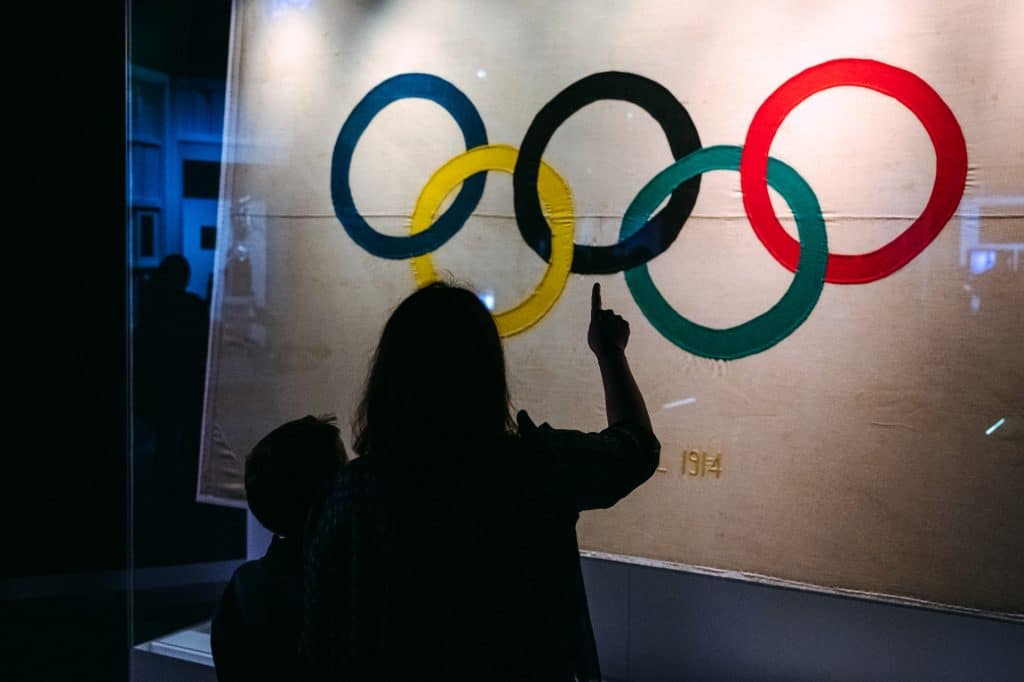
The Olympic Museum justifies a full morning or afternoon visit, regardless of sports enthusiasm. Housed in a remarkable building overlooking Lake Geneva in the Ouchy waterfront district, this museum represents the most sophisticated sports museum I’ve encountered anywhere. Rather than celebrating athletic heroes (though famous torches and equipment appear throughout), it examines the Olympic movement’s philosophy, origins, and cultural impact. Interactive exhibits, 150 screens, and 1,500 objects create an experience that engages children and adults equally. The sculpture park outside offers lake views and contemporary art. Weekend brunch at TOM Café on the museum’s terrace—with panoramic views of Lake Geneva and the Alps—provides perspective on why this museum draws Lausanne’s most-visited designation.
Practical Details:
- Opening hours: Typically Tuesday-Sunday, morning until early evening
- Closed: Mondays (except public holidays), December 24-25, 31, and January 1
- Time needed: Plan around 2-3 hours minimum
- Current information: Check the official Olympic Museum website for hours and admission prices
The Cathedral Notre-Dame, Switzerland’s largest Gothic building, dominates the Old Town skyline with a facade that grows more impressive upon inspection. Climb to the top for panoramic views, or simply observe the stained glass and architectural precision.
The Old Town unfolds across steep lanes where medieval buildings cluster impossibly tight. Small boutiques, cafés, and wine bars occupy ground floors; residents in upper-story apartments create the genuine neighborhood feel often missing from tourist-focused Old Towns. Rue de Bourg and Place de la Palud host markets twice weekly—fruit and vegetable stalls, cheese, charcuterie, and on fringes, flea markets.
Plateforme 10 represents Lausanne’s cultural evolution. Architects transformed former railway sheds into a striking contemporary arts district containing multiple museums (photography, fine arts, contemporary design) with architecture that itself becomes the attraction. Even non-museum visitors should walk through to understand how cities integrate culture into urban fabric.
The Flon, once a marginal post-industrial area, has transformed into the city’s creative district—art galleries, trendy cafés, young professionals, and the kind of neighborhood energy that makes urban exploration rewarding. This isn’t curated for tourists; it’s where Lausanne actually spends time.
Ouchy Promenade, the lakeside waterfront district, offers genteel waterfront dining, boat departures for lake cruises, and the transition between city sophistication and resort atmosphere. This is where the city exhales toward the lake.
Where to Eat in Lausanne
Lausanne’s dining scene reflects its university character—casual bistros mix with refined restaurants, all emphasizing regional ingredients. The lakeside Ouchy district concentrates restaurants with terrace seating and lake views, while the Old Town harbors traditional Swiss establishments serving fondue and raclette in atmospheric medieval settings.
Lausanne Nightlife
The Flon district dominates Lausanne’s nightlife with converted warehouse spaces housing bars, clubs, and live music venues. The area attracts university students and young professionals, creating energetic weekend scenes without Geneva’s international polish. Most venues operate Thursday-Saturday with minimal cover charges.
Day Trip: Lavaux UNESCO Vineyards
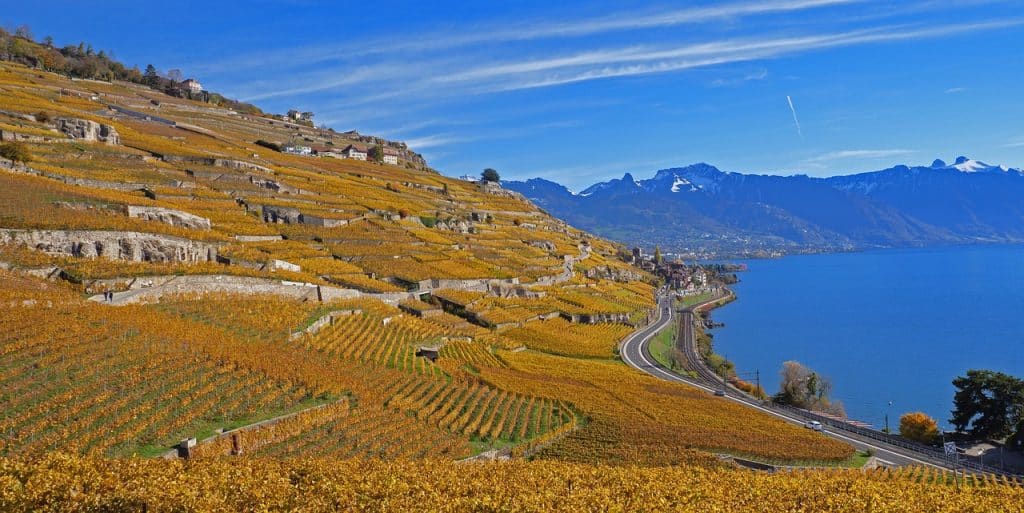
Directly from Lausanne, a 20-minute train ride deposits you in the Lavaux—a 25-kilometer stretch of terraced vineyards cascading toward Lake Geneva, protected as a UNESCO World Heritage Site since 2007. These 800 hectares represent 2,000 years of continuous viticulture, where winemakers cultivated slopes so steep that everything—harvesting, maintaining terraces, transporting wine—required centuries of accumulated knowledge.
The signature grape is Chasselas, producing crisp, flinty, citrusy white wines that pair perfectly with lake fish. The unique microclimate—direct sunlight, lake reflection, heat radiating from stone walls—allows winemakers to refer to “three suns.” A dozen medieval villages dot the region, with Cully, Épesses, and Chexbres standing out for atmospheric charm and wine cellar access.
A 32-kilometer walking path connects Lausanne-Ouchy to Chillon Castle, traversing vineyards with information panels explaining local viticulture. Seven additional circuits offer varying difficulty. For guided wine experiences, full-day tours (around 6 hours) organize tastings at up to five family-run vintners with gourmet picnics included.
Alternatively, public guided tours typically depart Sundays from Caveau des Vignerons in Cully at 10:00 AM. The two-hour tour involves no steep climbing (making it accessible), includes education on the vineyard terraces, and concludes with a drink at the Cully market. For current tour schedules and pricing, check the official Lausanne Tourism website.
The best time to visit is harvest season (late September-October), when the entire region smells of fermenting wine and recent-cut grapes. Summer offers full-leaf greenery and maximum lake views; spring brings wildflowers and emerging vines.
Montreux: Belle Époque Elegance on the Swiss Riviera
If Geneva represents diplomatic sophistication and Lausanne offers university energy, Montreux embodies resort elegance. Belle Époque hotels line a flower-decked lakeside promenade; palm trees thrive in the exceptional microclimate (the region calls itself the “Vaud Riviera”); and nearly every hotel room, café terrace, and street intersection frames views of Lake Geneva with snow-capped Alps as backdrop.
Château de Chillon dominates the region visually and historically. This medieval castle, perched on a small limestone island jutting into the lake, represents one of Europe’s most-visited medieval castles—and the designation is deserved. The castle’s origins trace to Roman outposts, with first written records from 1005-1150, though major construction occurred during the 13th century under Count Peter II of Savoy. The castle served as a summer house for Counts of Savoy for centuries, a Bernese bailiff’s residence during Swiss rule, and (memorably) a state prison, which inspired Lord Byron’s 1816 poem “The Prisoner of Chillon.”
Visiting requires understanding the structure’s narrative. The castle contains a prison (where the aforementioned Bonivard was held), the Bailiff’s Keep (administrative center), residential towers, and a complex of kitchens and storage rooms. Rather than random wandering, invest in the museum audio guide to understand how each section functioned.
The approach itself matters—either walk the half-hour flower-lined promenade from Montreux (the more scenic option), or take the train to Veytaux and walk fewer minutes to the castle entrance. Time your visit for sunset when the castle glows gold in the last light, creating photography opportunities that rival any European castle position.
Practical Details:
- Opening hours: Open year-round, hours vary seasonally
- Time needed: Allow minimum 2-3 hours for thorough visit
- Discounts: Swiss Travel Pass holders typically receive discounts
- Current information: Check the official Château de Chillon website for opening hours and admission prices
Beyond the castle, Montreux itself deserves exploration. The Quays of Montreux stretch 13 kilometers along the lake—a flower-lined promenade where locals walk, families cycle, and restaurants overlook the water. Friday markets near the Freddie Mercury statue sell local food and wine products. The Casino Barrière de Montreux, while primarily gaming-focused, houses three restaurants, multiple bars, a swimming pool, and terraces with panoramic views.
Rochers-de-Naye, accessible via a one-hour cogwheel train from Montreux station, reaches 2,042 meters elevation with front-row views of Lake Geneva, Swiss and French Alps, and on clear days, Mont Blanc to Eiger. The route ascends through three distinct zones: Montreux station → Glion → Caux → summit. Along the way, Alpine gardens host wildflower displays, marmot colonies burrow in the slopes, and the Grottes de Naye caves invite exploration.
The summit restaurant allows leisurely meals with views, or hikers can descend along marked trails to wildflower-strewn pastures before returning via train. The experience captures mountain grandeur without requiring mountaineering skills—exactly the combination serious walkers appreciate.
The Montreux Jazz Festival and GoldenPass Express
Montreux’s fame rests partly on the Jazz Festival, held annually since 1967, drawing world-renowned jazz, blues, and rock musicians. The festival typically runs for two weeks in July, transforming the lakeside into concert venues, with some performances free. Even if visiting outside festival months, the Queen Studio Experience at Casino Barrière—documenting Queen’s recording sessions at the studio—maintains the musical legacy. Montreux Jazz Café at the Fairmont Le Montreux Palace Hotel serves seasonal plates with jazz memorabilia throughout.
From Montreux, the GoldenPass Express scenic train provides one of Switzerland’s most spectacular railway journeys. The route connects Montreux eastward through Gstaad to Interlaken (journey time approximately 3 hours 15 minutes), offering panoramic windows, rotating seats for optimal views, and seamless Alpine scenery transitions. Four daily departures typically run each direction. Seat reservations are essential and can be booked two months in advance. The train is free with the Swiss Travel Pass for standard seating, though the premium Prestige class requires a supplement. This route makes Montreux an ideal jumping-off point for connecting Lake Geneva exploration with the Jungfrau region.
Where to Eat in Montreux
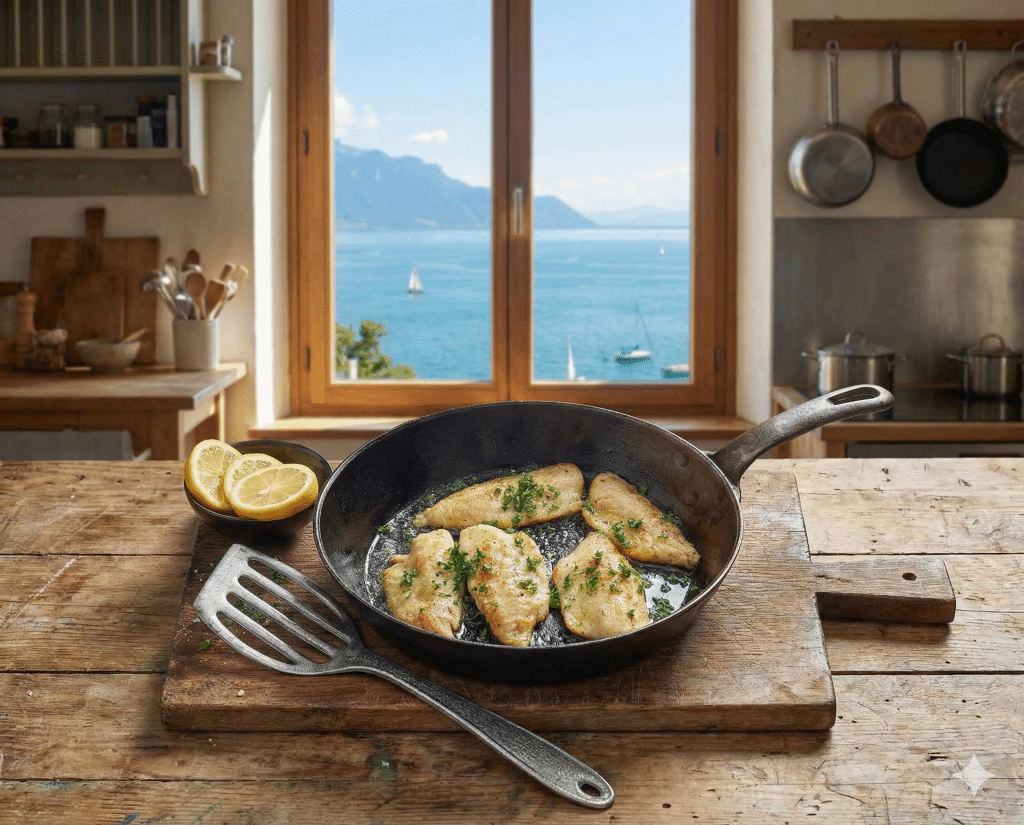
Montreux’s restaurants emphasize lake fish. Filets de Perche—light, crispy perch fillets from Lake Geneva served with buttery lemon sauce and fries—represent the regional signature. Papet Vaudois, the canton’s national dish, combines leeks and potatoes with Saucisse aux Choux (cabbage sausage)—humble but deeply satisfying, typically served in neighborhood bistros rather than formal restaurants. Colors of white and green leeks match Vaud’s cantonal flag, making this both cuisine and regional expression.
Lakeside dining clusters along the Quays. For something memorable, Le CouCou, located at Haut-de-Caux above Montreux, operates as a gourmet alpine cuisine restaurant since 1959 with a garden overlooking the lake.
Montreux Nightlife
While Montreux’s nightlife can’t match Geneva’s diversity, the Casino Barrière de Montreux offers gaming tables, multiple bars, and occasional live entertainment in sophisticated surroundings. The lakeside promenade hosts seasonal bars during summer months, and several hotel bars (particularly at the Fairmont Le Montreux Palace) maintain elegant evening atmospheres with lake views.

Transportation: Connecting the Pearls
The geographic proximity of these three cities means transportation between them should be seamless, and Switzerland’s rail system delivers exactly that promise.
Train connections operate with clockwork precision: Geneva to Lausanne requires around 40 minutes; Lausanne to Montreux takes approximately 30 minutes; Geneva to Montreux runs around 60-75 minutes (though timing varies depending on specific service). Trains depart multiple times hourly, with numerous trains daily connecting Geneva to Montreux specifically.
The Swiss Travel Pass, available to non-residents for 3, 4, 6, 8, or 15 consecutive days, includes unlimited travel on all these trains plus buses and boats. For Lake Geneva specifically, the pass covers regular train service (the scenic GoldenPass Express standard class is included, though the premium Prestige class requires a seat reservation fee). A three-day Swiss Travel Pass costs considerably less than three point-to-point train tickets, making it economically sensible for most travelers. For current pass pricing and purchasing options, check the official Swiss Travel Pass website.
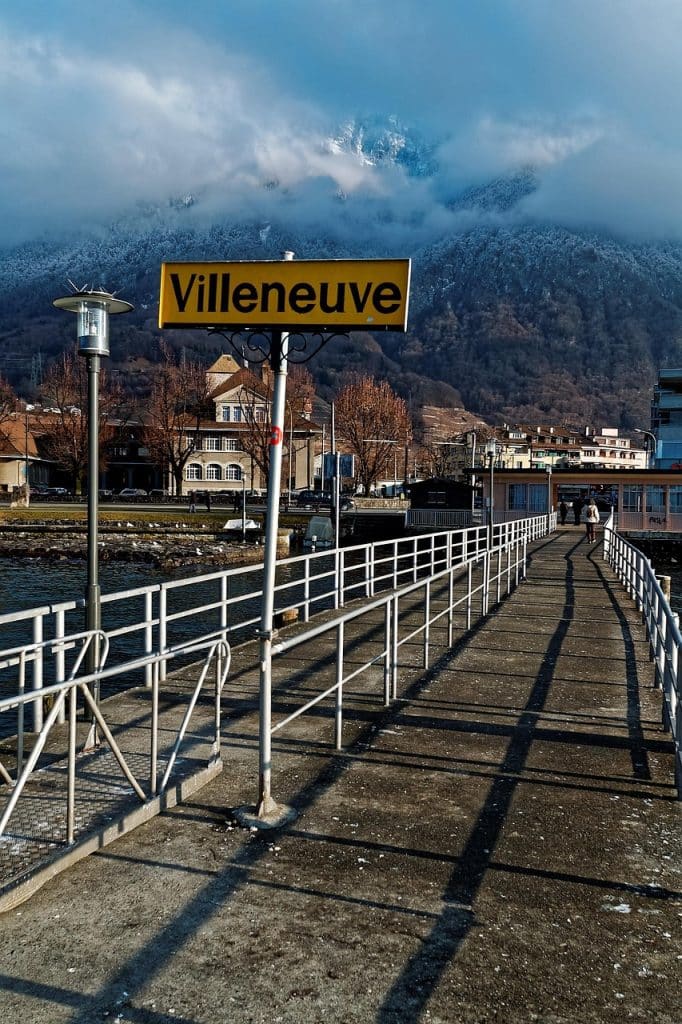
Lake Geneva boat cruises through the CGN (Compagnie Générale de Navigation) provide an alternative transportation and experience combined. The company operates a fleet of restored Belle Époque steamboats alongside modern vessels, connecting Geneva, Lausanne, Vevey, Montreux, and Château de Chillon. Spring and summer schedules feature daily departures with gourmet lunch cruises, fondue dinner cruises (typically Friday evenings), and themed excursions. Winter reduces service to weekends and national holidays, but fondue dinner cruises usually continue Friday evenings.
A one-day unlimited lake pass typically costs around 80-100 CHF (approximately $90-112 USD) for adults, roughly 40-50 CHF (approximately $45-56 USD) for children—allowing exploration of multiple ports at leisurely pace. For current schedules and ticket prices, check the official CGN website.
Practical Essentials: Planning Your Lake Geneva Visit
Best Times to Visit
Spring (April-June) offers ideal conditions—May specifically brings wildflower blooms, melting snow creates spectacular waterfalls (visible from trains), and temperatures hover around 15-19°C comfortably. Crowds haven’t peaked, and Lavaux vineyards begin their seasonal awakening.
Summer (June-August) brings warmest weather (typically 18-28°C), longest daylight, and fully open hiking trails and mountain railways. Lake swimming becomes feasible, and outdoor concerts and festivals proliferate. However, expect peak crowds at major attractions (book scenic trains in advance) and highest prices. This is when resort towns fill and the Montreux Jazz Festival dominates.
Autumn (September-October) represents perhaps the most underrated season. September maintains pleasant temperatures with thinning crowds; October brings fall foliage painting mountainsides gold and amber, and—importantly—harvest season in Lavaux fills the vineyards with activity and aromas. Prices moderate from summer peaks.
Winter (December-February) transforms lakeside cities into Alpine resorts. Christmas markets in Geneva and Montreux (late November through December 24) create magical evening atmospheres. However, mountain railways may close for maintenance, and resort prices climb significantly from standard rates.

Budget Planning
Accommodation:
- Budget travelers: Hostels or budget hotels in Lausanne/Montreux, approximately 50-70 CHF/night
- Mid-range travelers: Comfortable three-star hotels, approximately 150-250 CHF/night
- Comfort travelers: Quality four-star hotels or boutique stays, approximately 300-600+ CHF/night
Dining:
- Picnic with Coop or Migros supermarket groceries: approximately 15-25 CHF (lunch)
- Casual restaurant meal: approximately 25-40 CHF
- Mid-range restaurant dinner: approximately 50-80 CHF
- Fine dining: approximately 100-200+ CHF
Transportation:
- Swiss Travel Pass 3-day: 254 CHF (2nd Class) (current pricing varies; verify at booking)
- Swiss Half Fare Card (1 month): 150 CHF (50% discount all journeys)
- Single train ticket Geneva-Montreux: approximately 30-40 CHF
- Lake boat one-day pass: approximately 80-100 CHF (adult)
Attractions:
- Museum entry: approximately 10-15 CHF typical
- Geneva City Pass (24h): approximately 29 CHF (includes 60 attractions + public transport)
- Olympic Museum Lausanne: Entry varies, plan approximately 15-20 CHF
- Château de Chillon: Entry varies seasonally, approximately 12-16 CHF typical
- Mountain railway (Rochers-de-Naye): 73 CHF (Full Fare) / 37 CHF (Half Fare)
Sample Daily Budget (mid-range traveler):
- Accommodation: 150-200 CHF
- Breakfast: 15 CHF (café)
- Lunch: 30 CHF (casual restaurant)
- Dinner: 60 CHF (mid-range restaurant)
- Attractions/transport: 50 CHF
- Total: approximately 305-355 CHF per day (around $350-400 USD)
Currency and Payment
Switzerland uses the Swiss Franc (CHF). While not in the Eurozone, tourism areas accept euros (though change comes in francs at unfavorable rates). Credit cards are widely accepted in cities and major restaurants, but carry some cash for markets, smaller establishments, and mountain huts. Notify your bank of travel plans to avoid card blocks.
Multi-Day Itinerary Suggestions
Perfect 3 Days on Lake Geneva (Adventure-Focused):
- Day 1 (Lausanne): Arrive morning, explore Old Town and lakefront, fondue dinner at Giraffe Bar or similar
- Day 2 (Lausanne & Lavaux): Olympic Museum (arrive late morning, brunch at TOM Café with views), guided city tour, wine tasting in Grandvaux, descend through Lavaux vineyards to Cully, return to Lausanne via CGN boat cruise
- Day 3 (Montreux & Chillon): Early train to Montreux, Rochers-de-Naye cogwheel train (2 hours round-trip), 45-minute flower-lined walk to Château de Chillon, Queen Studio Experience at Montreux Casino, train back to Geneva or continue onward
Perfect 3 Days Geneva Focus:
- Day 1: Arrival, bike tour via Genève Roule, chocolate workshop at La Bonbonnière, dinner exploring Carouge or Pâquis neighborhoods
- Day 2: Boat tour cruise (approximately 1 hour) past Jet d’Eau, Pierres du Niton, Mont Blanc, UN buildings, lakeside villas
- Day 3: Old Town exploration, Cathédrale St-Pierre tower climb, museums (Red Cross especially), lakefront walks
Lake Geneva + Day Trips (5 Days):
- Days 1-2: Geneva (as above)
- Day 3: Lausanne (Olympic Museum, Old Town, Plateforme 10)
- Day 4: Day trip to Gruyères (train from Lausanne)—medieval town, La Maison du Gruyère cheese factory tour, Maison Cailler chocolate factory, fondue lunch
- Day 5: Montreux/Château de Chillon/Rochers-de-Naye
Family-Friendly Activities
Lake Geneva suits families well. The Olympic Museum in Lausanne engages children alongside adults with interactive exhibits. Château de Chillon fascinates young visitors with medieval history (plan minimum 2 hours). Boat cruises provide relaxing family transport combined with scenery. Lake swimming in summer at designated beaches (Bains des Pâquis in Geneva, Ouchy in Lausanne) offers pebble beaches and easy access.
Longer outings might include Glacier 3000 day trips via Col du Pillon (accessible from Lausanne or Montreux), which features the Peak Walk bridge connecting two summits, an Alpine Coaster (Europe’s highest tracked toboggan run), and alpine gardens. Vevey combines Chaplin’s World museum (dedicated to Charlie Chaplin’s life), a covered market, and optional Belle Époque steamer cruises.
Shopping Worth Seeking
Geneva concentrates luxury shopping on Rue du Rhône and surrounding streets—designer stores, watchmakers (Bucherer, Patek Philippe, Franck Muller), and the Confederation Centre mall with numerous stores. Rue du Mont Blanc offers the best selection of Swiss souvenirs (watches, chocolates, pocket knives).
Montreux’s Chillon Street (Rue du Bourg) runs pedestrian-friendly with Swiss fashion, jewelry, and galleries. Luxury brands (Gucci, Prada, Louis Vuitton) cluster on Rue du Marché. The covered market in the main square offers attractive architecture and lake views.
Lausanne markets operate twice weekly on pedestrianized streets—fruit and vegetables on Rue de Bourg and Place de la Palud, cheese and charcuterie at Place de la Riponne, with flea markets operating on fringes.
Nightlife Beyond Geneva
While Geneva’s nightlife scene dominates, Montreux offers casino gaming (Casino Barrière de Montreux features gaming tables, restaurants, pool, terraces), and Lausanne maintains respectable bar scenes in The Flon district. However, for serious nightlife, Geneva outperforms both—the city’s rooftop bars, jazz clubs, and late-night venues operate at sophistication levels smaller lakeside towns cannot match.
Frequently Asked Questions
Which Lake Geneva city is best to visit?
Choose Geneva for urban sophistication and international dining. Pick Lausanne for a mix of Olympic heritage, university energy, and museums. Select Montreux for pure resort elegance and Alpine scenery. Tour Director Tip: Use the Swiss Travel Pass to connect all three effortlessly via train.
How much time do I need to explore the Lake Geneva region?
Three days allows thorough exploration of each city plus Lavaux wines and Château de Chillon. Five days permits adding day trips like Gruyères or Glacier 3000. Longer stays facilitate slow travel where you can return to favorite cafés and experience the lake at different times of day.
Is Lake Geneva walkable between cities?
The cities themselves are very walkable, but they’re spaced too far apart (40-60 minutes by train) to walk between them. However, within each city, most attractions cluster within walking distance, and the lakeside promenades offer scenic strolls.
What’s the best way to get around Lake Geneva?
The Swiss Travel Pass provides the most flexibility and value—unlimited trains, buses, and boats between all three cities. Trains run frequently and punctually. Boat cruises offer scenic alternatives for longer journeys.
When is the best time to visit the Lavaux vineyards?
Harvest season (late September-October) offers the most atmospheric experience with wine aromas filling the air. Summer provides full greenery and maximum lake views, while spring brings wildflowers and emerging vines.
Do I need to speak French to visit Lake Geneva?
While the region is French-speaking, English is widely spoken in tourist areas, hotels, and restaurants. Learning a few basic French phrases is appreciated but not essential.
Are the Christmas markets worth visiting?
Absolutely. Geneva and Montreux’s Christmas markets (late November through December 24) create magical atmospheres with crafts, food stalls, and festive decorations—though expect higher accommodation prices during this period.
Can I swim in Lake Geneva?
Yes, during summer months (June-August) when water temperatures reach comfortable levels. Designated beaches like Bains des Pâquis in Geneva and Ouchy in Lausanne offer access points with facilities.
Is Lake Geneva expensive?
Switzerland is generally pricey, but strategic choices help: use the Swiss Travel Pass for transport, picnic from supermarkets occasionally, visit free museum collections, and choose mid-range restaurants in neighborhoods rather than tourist zones. Budget around 300-400 CHF daily for comfortable mid-range travel.
Is the Montreux Riviera Card free?
Yes, if you’re staying in a hotel in the Montreux region. Many hotels provide the Montreux Riviera Card free to guests, which includes unlimited local public transport, discounts on attractions (including Château de Chillon and Rochers-de-Naye), and other benefits. Always ask your accommodation about this card—it can save significant money on transport and attractions.
The Lake Geneva Experience: Why This Region Deserves Your Time
After leading countless groups through Switzerland, I’ve observed that Lake Geneva holds particular appeal for travelers seeking experiences rather than mere monuments. Yes, the region features iconic attractions—the Jet d’Eau, Château de Chillon, the Olympic Museum—but its deeper appeal emerges through unhurried exploration.
It’s walking the Lavaux vineyards during harvest season, understanding how 2,000 years of continuous cultivation created landscape and culture simultaneously. It’s arriving at Château de Chillon for sunset and comprehending why medieval fortresses still captivate us—that combination of strategic positioning, historical narrative, and unapologetic beauty. It’s discovering that Geneva’s nightlife operates at cosmopolitan levels rivaling any European capital, or that Lausanne’s university energy creates neighborhoods where residents actually spend time rather than tourist zones artificially maintained.
The Lake Geneva region works as both destination and hub. Three days allows thorough exploration of each city plus Lavaux wines and Château de Chillon. Five days permits adding day trips (Gruyères, Glacier 3000, Vevey). Longer stays facilitate slow travel where you return to favorite cafés, experiment with restaurants discovered by wandering, and experience the lake at different times of day and seasons.
The infrastructure supporting travel here—trains operating with Swiss precision, boats offering both transportation and experience, mountain railways providing access without requiring mountaineering—removes logistical stress that plagues many European destinations. You can explore confidently, change plans without disaster, and spend energy on experiences rather than logistics.
Lake Geneva invites return visits. Few travelers experience everything the region offers in a single stay, and fewer still resist the pull to return to favorite cities for deeper exploration. That combination of elegance, accessibility, and natural grandeur makes this stretch of Switzerland’s western edge one of the continent’s most rewarding destinations for discerning travelers.
If you’re planning an independent European trip, Lake Geneva’s excellent infrastructure and English-language accessibility make it an ideal destination for first-time independent travelers seeking Swiss experiences without overwhelming logistics.
Explore more European destination guides and regional itineraries on Pieterontour.com—where every moment of your journey is designed to be unforgettable.
Related Reading: