Slovenia Travel: Your Essential Guide to Europe’s Green Heart
Updated 1/1/2026
This comprehensive guide is for travelers planning their first visit to Slovenia—covering the alpine lakes, Venetian coastal towns, and emerald valleys that make this one of Europe’s most sustainable and surprisingly diverse destinations.
Slovenia unfolds like a secret I’ve been keeping to myself for years. The Julian Alps tumble into the Adriatic Sea, medieval towns perch above rivers the color of liquid emeralds, and sustainability isn’t marketing speak but woven into the fabric of daily life. From Lake Bled’s island church reflected in mirror-still water to the limestone caverns beneath Postojna, from Ljubljana’s pedestrian-friendly streets to Piran’s Venetian harbor glowing at sunset, this compact country delivers extraordinary diversity in a space smaller than New Jersey.
I’ve returned to Slovenia multiple times over the past few years and what strikes me every visit is how a nation of just two million people has preserved its natural beauty while offering genuinely world-class experiences. When travel publications like Wanderlust recognize Slovenia among top destinations for 2026, I’m not surprised—the country balances Alpine grandeur with Mediterranean warmth, adventure sports with wine country tranquility, modern European sophistication with authentic local character.
A quick note on planning: Prices and opening hours are mentioned to help you budget and plan, but they can change often. I always recommend checking the official websites (which I’ll link to throughout this guide) for the most current information before your visit. The official Slovenian Tourist Board website is an excellent starting point for verified, up-to-date information.
Why Slovenia Belongs on Your Travel List
Quick Overview:
|
What Makes Slovenia Special |
Key Highlights |
Top Activities |
|---|---|---|
|
Remarkable Diversity |
Alps to Adriatic in 3 hours, five distinct regions |
Scenic drives, regional exploration, multi-landscape trips |
|
Sustainability Leader |
Green Destination of World, 60% forest coverage, 270+ certified providers |
Eco-lodges, green tourism experiences, sustainable dining |
|
Exceptional Value | 15-20% lower costs than Austria/Italy |
Budget-friendly travel, value accommodation, affordable dining |
|
Outdoor Paradise |
Mount Triglav, Soča River, alpine lakes |
Hiking, rafting, kayaking, paragliding, canyoning |
|
Cultural Richness |
Five UNESCO sites, Venetian architecture, Habsburg heritage |
Historic tours, architectural walks, museum visits |
|
Authentic Experiences |
Relatively undiscovered, genuine local interactions |
Local markets, family wineries, village explorations |
Slovenia’s appeal lies in its ability to surprise you. Swim in the Adriatic Sea in the morning, hike alpine meadows at midday, sip world-class wine by evening—all without rushing. The country earned Ljubljana the European Green Capital title in 2016 and established the Slovenia Green certification scheme setting environmental standards nationwide. This commitment to sustainability is genuine, not performative.
On this page
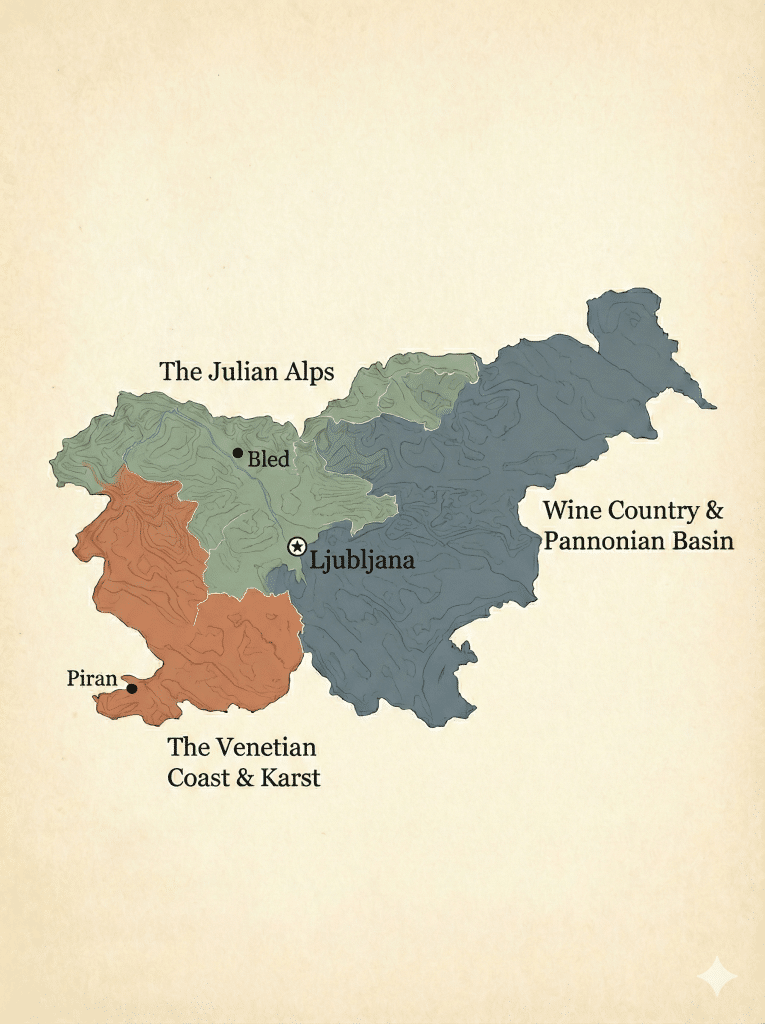
Exploring Slovenia by Region
The Julian Alps: Slovenia’s Mountain Heart
Lake Bled
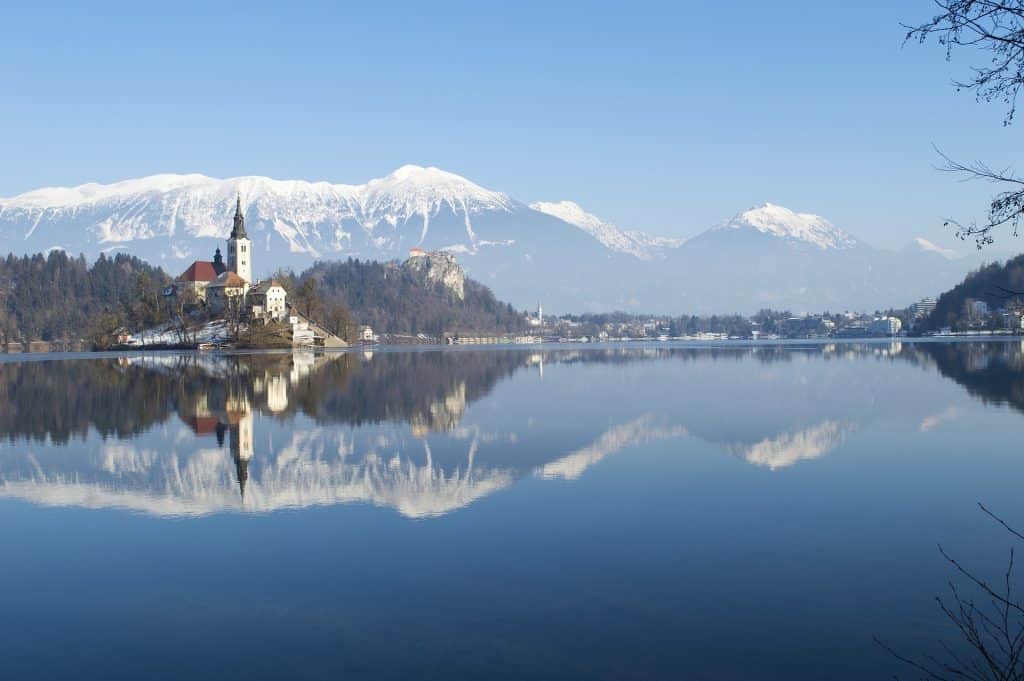
Slovenia’s most photographed destination somehow never disappoints in person. The tiny island church rising from turquoise water, the medieval castle perched on the cliff above, snow-capped peaks forming the backdrop—it’s a scene that belongs on a postcard, except you’re standing in it. Take a traditional pletna boat rowed by skilled oarsmen to Bled Island and ring the wishing bell three times (the tradition says your wish will come true). Walk the 6-kilometer trail circling the lake for constantly shifting perspectives, or hike 20 minutes up the Osojnica Trail for the panoramic view that made Bled Instagram-famous.
Don’t leave without trying kremšnita at Park Hotel or Kavarna Zima. This cream cake is Bled’s signature dessert, and locals take their kremšnita seriously—the original recipe dates back decades, and debate over which café makes it best runs deep.
Lake Bohinj
Bohinj is Bled’s larger, quieter sister—less crowded, more serene, equally stunning. Located within Triglav National Park, this glacial lake mirrors the surrounding peaks perfectly on calm mornings. The lakeside Church of St. John the Baptist and the iconic ibex statue at Ribčev Laz village draw photographers, but the real magic is the peaceful atmosphere. Take the cable car up Vogel Mountain for jaw-dropping Julian Alps panoramas, or hike to Savica Waterfall where over 500 stairs lead to a spectacular 78-meter cascade plunging through a narrow gorge.
Triglav National Park
Slovenia’s only national park and a UNESCO biosphere reserve, Triglav encompasses 880 square kilometers of pristine alpine wilderness. Named after Mount Triglav at 2,864 meters—Slovenia’s highest peak and national symbol—the park features crystalline rivers, glacial valleys, limestone gorges, and over 330 registered natural values. According to Slovenian tradition, you’re not truly Slovene until you’ve summited Triglav. Fortunately, trails exist for various skill levels, though the ascent shouldn’t be underestimated.
The emerald Soča River, one of Europe’s most beautiful waterways, carves through the western portion of the park. The valley offers world-class rafting, kayaking, and canyoning. Base yourself in Bovec or Kobarid to explore the outdoor adventures and sobering World War I history that unfolded in these mountains.
Vintgar Gorge
Just five kilometers from Bled, this 1.6-kilometer wooden boardwalk suspended above the Radovna River showcases nature’s raw power up close. Emerald pools, narrow canyon walls rising vertically, and rushing waterfalls—including the 16-meter Šum waterfall at the gorge’s end—create an otherworldly landscape.
A practical note from my most recent visit: parking has changed significantly. You can no longer drive directly to the gorge entrance—instead, park at the designated lot near the village of Zasip and take the free shuttle bus (runs every 15-20 minutes during operating hours). On my last trip, I learned this the hard way after following old GPS directions and ending up at a closed parking area. Save yourself the hassle and head straight to the official parking lot, clearly marked on Google Maps. Arrive early to beat crowds, especially during summer months when the boardwalk can feel congested by mid-morning.

Ljubljana: Slovenia’s Green Capital
Ljubljana charms visitors with its compact, walkable old town, vibrant café culture, and abundance of green spaces that earned it the European Green Capital designation. The Ljubljanica River winds through the city center, lined with outdoor dining terraces, willows, and Jože Plečnik’s architectural masterpieces that transformed the city in the early 20th century.
Must-See Attractions:
Ljubljana Castle: Perched above the city on Castle Hill, accessible by funicular or a pleasant uphill walk through forested paths. The views over red-tiled roofs stretching to the Julian Alps are unbeatable, especially at sunset when the mountains glow pink.
Triple Bridge: Plečnik’s iconic three-bridge design connecting Prešeren Square to the old town, a UNESCO World Heritage Site as part of his human-centered urban design works. The bridges transform what could have been simple crossings into architectural poetry.
Central Market: Open-air stalls along Plečnik’s colonnaded market halls sell fresh produce, local crafts, and regional specialties. On Fridays, the Open Kitchen food market showcases Slovenia’s culinary diversity with dozens of vendors offering everything from traditional dishes to modern fusion.
Dragon Bridge: Four imposing copper dragons guard this Art Nouveau masterpiece, symbols of Ljubljana’s identity drawn from the legend of Jason and the Argonauts battling a dragon in these marshlands.
Tivoli Park: The city’s green lung offers five square kilometers of walking paths, gardens, sculptures, and peaceful retreats from urban energy. On sunny days, locals spread blankets on the lawns, families cycle the tree-lined paths, and the whole city seems to migrate here.
Ljubljana’s manageable size makes it perfect for slow exploration. Rent a bike, join a food tour, or simply wander the baroque old town discovering hidden courtyards where ivy climbs ancient walls and street musicians play beneath arched passageways.
The Slovenian Coast: Venetian Elegance by the Adriatic
Slovenia’s 46.6-kilometer Adriatic coastline packs Mediterranean charm into a compact stretch of Istrian peninsula. The Venetian Republic ruled these towns for centuries, leaving architectural and cultural fingerprints everywhere you look.
Piran
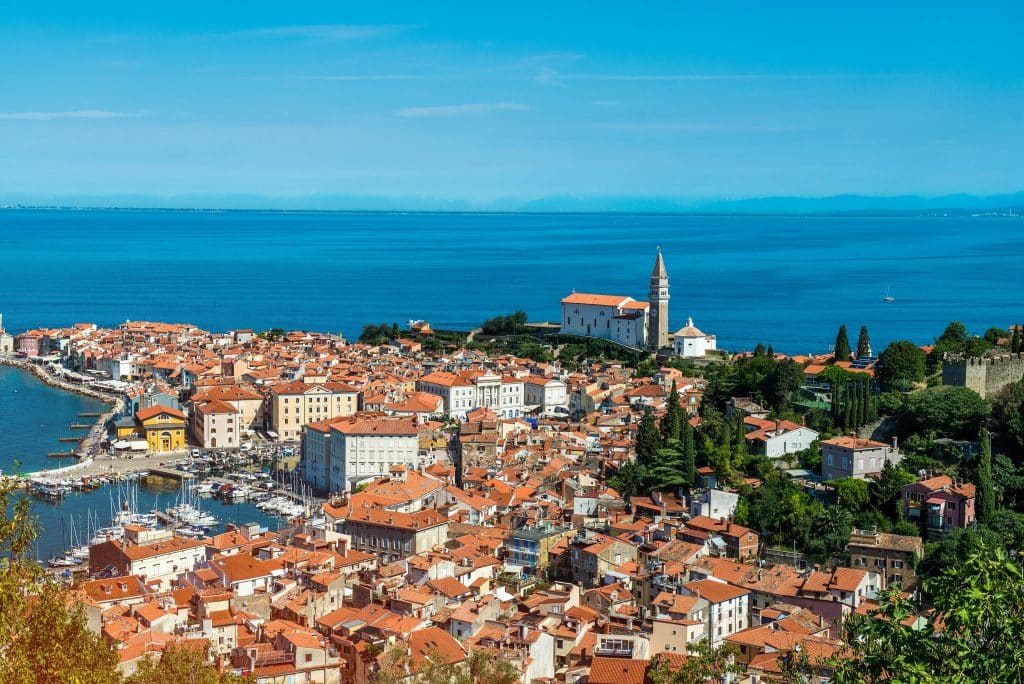
This Venetian jewel is Slovenia’s most beautiful coastal town, and I say that after visiting dozens of Adriatic settlements. Narrow cobblestone streets wind between pastel-colored houses to Tartini Square, named for violinist and composer Giuseppe Tartini who was born here. Climb the bell tower of St. George’s Church for panoramic views across red roofs to the sea—the effort of ascending the narrow stairs pays off spectacularly. Walk the medieval walls that still encircle the old town, remnants of centuries when Piran belonged to the Venetian Republic and needed protection from rival powers.
The architecture tells stories with every Gothic window and Venetian balcony—of maritime trade and cultural crossroads, of prosperity built on salt production and fishing. Unlike overcrowded Venice or Dubrovnik, Piran maintains authenticity while welcoming visitors warmly. The seafood restaurants along the harbor serve the catch of the day with local Istrian wines, and watching sunset from the harbor wall is one of those simple pleasures that costs nothing but feels priceless.
Other Coastal Highlights
Koper: Slovenia’s largest coastal city and main port, with a historic center featuring Italian Renaissance architecture. Less touristy than Piran, offering authentic local life alongside historic monuments.
Izola: A charming fishing village with a relaxed vibe, excellent seafood restaurants where fishing families still own the boats, and pebble beaches where locals swim.
Portorož: Slovenia’s premier beach resort town, known for thermal spas and summer tourism. More commercial than Piran or Izola, but the sandy beaches and spa facilities draw visitors seeking seaside relaxation.
Wine Country & Karst Region
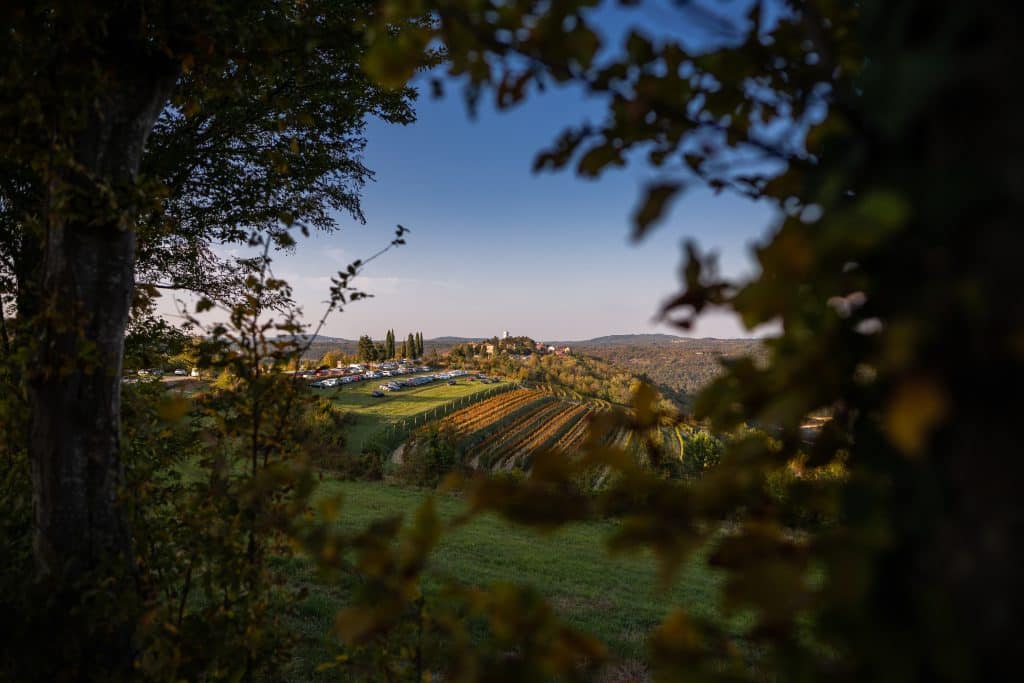
Goriška Brda
Often called the “Tuscany of Slovenia,” this wine region near the Italian border features rolling hills covered in vineyards, medieval stone villages perched on hilltops, and family-run wineries producing exceptional whites—particularly Rebula, Sivi Pinot, and Malvazija. Visit the Gonjače Tower viewpoint for breathtaking vineyard panoramas stretching into Italy, explore the fortified village of Šmartno where time seems to move slower, and taste wines paired with local prosciutto at boutique wineries passed down through generations. The winemakers here know their vines individually, and conversations often stretch long into afternoon as they share stories alongside bottles.
Vipava Valley
This lesser-known wine region benefits from mild Mediterranean climate and the Bora wind that sweeps through the valley. Vipava Valley wineries offer intimate tastings, vineyard walks, and insights into traditional winemaking techniques that combine Alpine and Mediterranean influences. The region produces both excellent whites and increasingly impressive reds, and visiting here feels like discovering a secret before the crowds arrive.
Caves & Underground Wonders
Postojna Cave: One of the world’s most spectacular karst cave systems, featuring 20 kilometers of passages, galleries, and magnificent formations. An electric train takes visitors deep underground before walking tours reveal breathtaking chambers where stalactites and stalagmites have formed over millions of years. The scale is difficult to comprehend until you’re standing beneath those soaring cavern ceilings.
Škocjan Caves: A UNESCO World Heritage Site since 1986, these caves showcase one of the world’s largest underground canyons carved by the Pivka River. The walkways suspended above the rushing river, the echoing chambers, the sheer drops into darkness—Škocjan feels more dramatic and raw than Postojna, though both deserve visits.
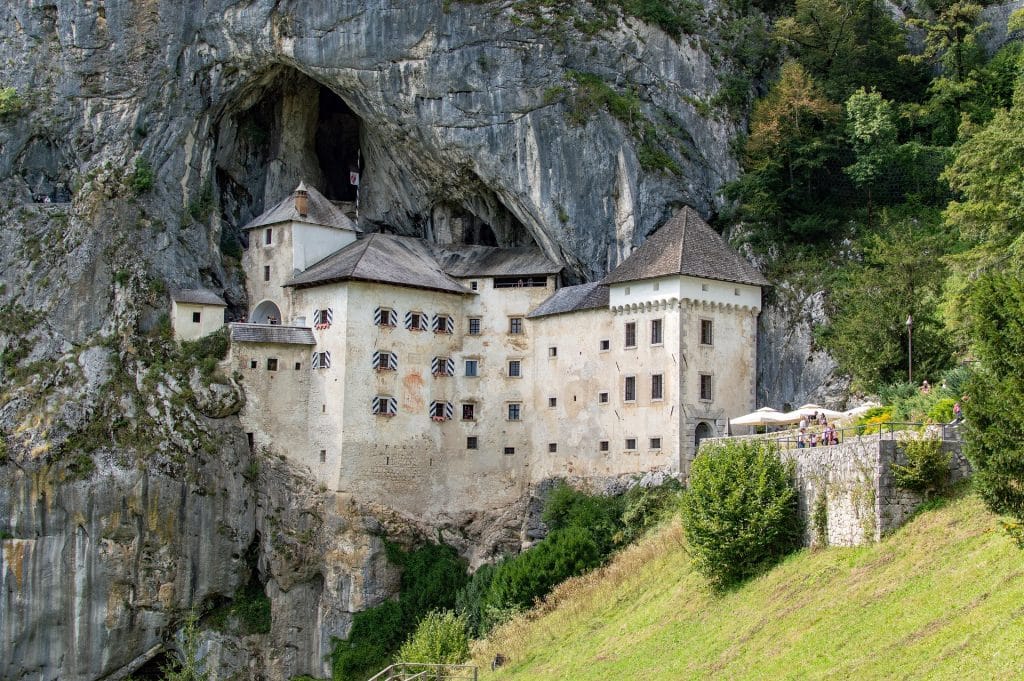
Predjama Castle: Built dramatically into a 123-meter cliff at the mouth of a cave, this Renaissance fortress looks like something from a fantasy novel. The castle museum tells the legend of Erazem Lueger, Slovenia’s Robin Hood figure who used the cave system to smuggle supplies during a siege. Whether the stories are entirely true hardly matters when you’re standing before this improbable structure.
Cultural Experiences Worth Seeking Out
Slovenia’s culture reflects its position at the crossroads of Slavic, Germanic, and Romance influences—you hear it in the language, taste it in the food, see it in the architecture.
UNESCO Heritage
Slovenia protects five UNESCO World Heritage Sites that tell the story of human and natural history:
- Škocjan Caves (1986): Natural wonder of karst formations carved over millennia
- Prehistoric Pile Dwellings (2011): Ancient settlements in the Ljubljana Marshes dating back thousands of years
- Heritage of Mercury – Idrija (2012): Historic mercury mining town that supplied the mineral for centuries
- Ancient Beech Forests (2017): Primeval forests in multiple locations representing Europe’s natural heritage
- Works of Jože Plečnik in Ljubljana (2021): Human-centered urban design including the Triple Bridge, National Library, and riverside promenades that transformed the capital
Traditional Cuisine
Slovenian food varies dramatically by region—Alpine, Mediterranean, Pannonian, and Karst influences create distinct culinary identities that reflect geography and history:
Kranjska klobasa: The famous Carniolan sausage, protected by EU designation and taken seriously by locals. Served with mustard, horseradish, and often sauerkraut, this pork sausage appears on tables across the country.
Idrijski žlikrofi: Delicate potato dumplings from the mining town of Idrija, often served with lamb or rabbit ragout. The technique for folding these dumplings takes practice, and watching skilled hands shape them is mesmerizing.
Potica: A rolled nut cake, the signature Slovenian dessert served at celebrations, holidays, and family gatherings. Every grandmother has her own recipe, and debates over whose potica reigns supreme run generations deep.
Prekmurska gibanica: Layered cake from the Prekmurje region with poppy seeds, walnuts, apples, and cottage cheese creating distinct strata. Slice through it and you see the geography of the cake revealed.
Jota: Hearty stew with sauerkraut, beans, and smoked pork, perfect for cold mountain days when you need something substantial. The kind of dish that warms you from the inside out.
Štruklji: Rolled dumplings that can be sweet or savory, boiled or baked, filled with cottage cheese, tarragon, walnut, apple—the variations seem endless.
Visit local gostilnas (traditional inns) for authentic regional cooking where the cooking hasn’t changed much in generations. In Ljubljana, try Druga Violina or Gostilna Lectar in Radovljica for hearty traditional meals that won’t strain your budget—expect to pay under €10 for generous portions.
Handicrafts & Traditions
Creative handicraft workshops in Ljubljana offer hands-on experiences in traditional crafts—umbrella making, goldsmithing, pottery, weaving, and printing. These Slovenia Unique Experiences help preserve heritage while connecting visitors with local artisans who share techniques passed down through families.
Lipizzan horses at Lipica Stud Farm, one of Europe’s oldest continuously operating stud farms since the 16th century. These white horses that perform in Vienna’s Spanish Riding School trace their lineage back to these Slovenian pastures.
Salt-making traditions along the coast, particularly at Sečovlje Salt Pans near Piran, where traditional harvesting methods continue. Walk among the shallow pans where seawater evaporates under the Mediterranean sun, much as it has for centuries.
Beekeeping heritage, especially in Radovljica’s Beekeeping Museum, showcasing Slovenia’s centuries-old apiculture traditions. Slovenian beekeepers pioneered techniques now used worldwide, and honey production remains culturally significant.
Practical Travel Tips for Slovenia
Getting Around
By Train
Slovenske železnice (SŽ) operates the national rail network, connecting major cities efficiently. Check current schedules and book tickets on the official SŽ passenger railway website. Trains are generally cheaper than buses, with weekend return discounts available. Ljubljana serves as the central hub—most routes require transfers there, so plan accordingly. The IC (InterCity) and ICS trains are fastest; avoid local LPV trains for long distances as they stop at every village and take significantly longer.
By Bus
Companies like Arriva and FlixBus provide excellent intercity connections, especially to destinations not well-served by trains. Buses run hourly between Ljubljana and popular spots like Bled and Bohinj, with discounted weekend fares. Check Arriva’s website for timetables and online booking—the English version works well for planning.
By Car
Renting a car opens up rural Slovenia beautifully, especially for wine country, mountain valleys, and coastal exploration. Expect to pay around €45-85 daily depending on season and vehicle type.
Important: purchase a highway vignette before using motorways. The e-vignette (online purchase) is now the primary and recommended method—buy it directly from the official DARS motorway company website to avoid overpriced third-party reseller sites. Physical vignette stickers are still available at border crossings, gas stations, and post offices, but the e-vignette activates immediately and eliminates the need to affix a sticker to your windshield. Failure to display a valid vignette results in substantial fines that will ruin your day and your budget.
For comprehensive advice on driving in Central and Eastern Europe—including border crossing tips, fuel costs, and navigation advice—see our Driving in Europe Guide.
In Ljubljana
The compact city center is easily walkable—I rarely use anything else when exploring the old town. Public buses cover the urban area comprehensively, operating via the Urbana card or contactless payment. BicikeLJ bike-sharing and free electric Kavalir shuttles in pedestrian zones provide additional options. The Ljubljana Card offers unlimited public transport plus attraction discounts for 24, 48, or 72 hours—calculate whether it makes sense for your itinerary.
Budget Planning (2026)
Slovenia offers exceptional value compared to Western Europe while maintaining high quality throughout:
Daily Costs:
- Budget travelers: €60-80 per day (hostels €20-35/night, local eateries, public transport)
- Mid-range travelers: €100-140 per day (comfortable guesthouses €70-90/night, restaurant meals, some tours)
- Comfort travelers: €180+ per day (hotels €70-100+/night, fine dining, private experiences)
Sample Prices:
- Cappuccino: €2.50-3.50 (varies by location—expect higher prices in Bled and Ljubljana)
- Local restaurant meal: typically €10-15
- Mid-range dinner for two: approximately €40-70
- Camping (own tent): €10-45 per person depending on season and location
- Bus Ljubljana-Bled: approximately €8
- Lake Bled Castle entry: around €23 (prices increase periodically—check the official Bled Castle website for current rates)
- Wine tasting at boutique winery: typically €15-30
Money-Saving Tips:
Eat at gostilnas offering “malica” lunch specials—two to three courses under €10 that locals rely on for substantial midday meals. Travel during shoulder seasons (April-May, September-October) for 20-40% lower accommodation rates without sacrificing weather. Stay in locally owned penzions (guesthouses) rather than international chains—you’ll save money and get better local recommendations. Book buses and accommodation in advance during peak summer and Christmas market season when prices climb and availability drops.
Currency & Payment
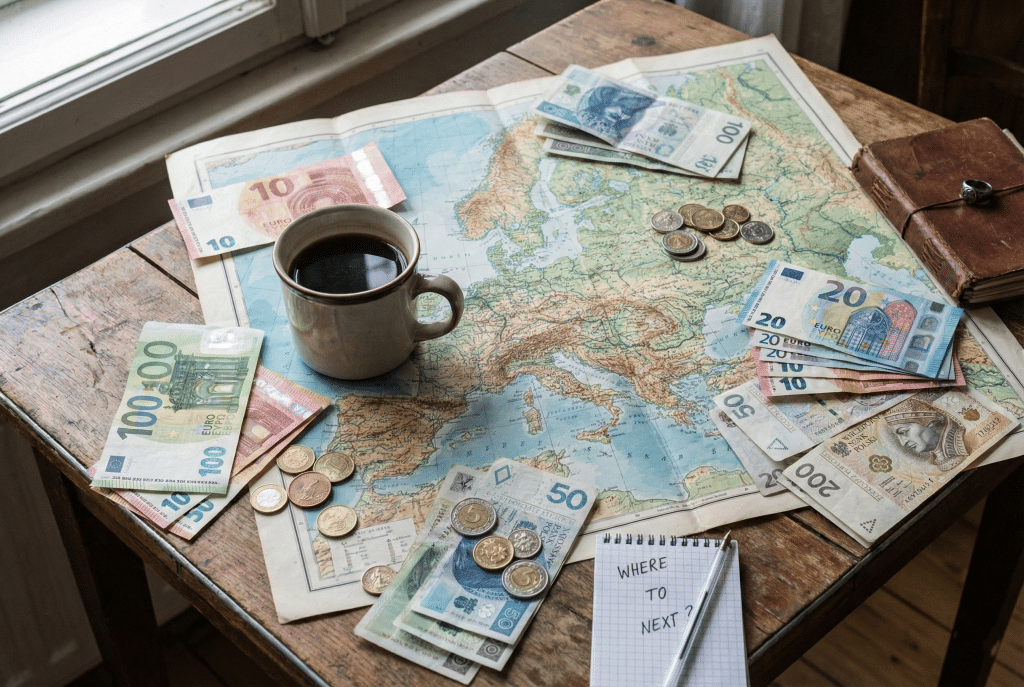
Slovenia uses the euro, making budgeting straightforward for travelers from the Eurozone. Cards are widely accepted in cities and tourist areas, but carry cash for mountain huts, small villages, markets, and family-run establishments where card machines may not exist or don’t work reliably.
Best Times to Visit
Spring (April-May)
Slovenia awakens with blooming flowers and temperatures ranging from 10-20°C. This shoulder season offers pleasant weather, fewer tourists, and lower prices across accommodation and services. The Ljubljana Flower Festival celebrates spring, while hiking trails become accessible as snow melts in the valleys (high peaks remain snow-covered longer). Rainfall increases, so pack layers and a good rain jacket.
Summer (June-August)
Peak tourist season brings warm temperatures (20-30°C), sunny days, and the most crowded conditions at major attractions like Bled and Ljubljana. July is hottest and sunniest, perfect for swimming in lakes and the Adriatic. The Ljubljana Festival features concerts and cultural events throughout summer. Book accommodation well in advance—popular dates fill up months ahead, and last-minute options get expensive or scarce.
Autumn (September-October)
Many travelers consider this the ideal time to visit Slovenia, and I’m inclined to agree. September maintains warm days around 20°C with fewer crowds, while October brings spectacular fall foliage and harvest festivals. The Adriatic remains swimmable through September—I’ve enjoyed warm water well into October during mild years. Wine regions celebrate grape harvest with tastings, festivals, and events that welcome visitors into the annual rhythm.
Winter (November-March)
Low tourist season offers the best prices and quietest attractions—you’ll often have museums and galleries nearly to yourself. Mountain regions become winter sports destinations with skiing at Kranjska Gora and Vogel. Christmas markets transform Ljubljana, Bled, and other towns into festive wonderlands in December. Thermal spas are particularly appealing when cold rain falls outside. Be prepared for cold temperatures (0-7°C) and some seasonal closures, especially in mountain areas where snow closes roads and hiking trails.

Visa & Entry Requirements
Slovenia is part of the Schengen Area, allowing visa-free entry for 90 days within any 180-day period for most nationalities.
Important for 2026: ETIAS (European Travel Information and Authorization System) requires travelers from visa-exempt countries to obtain electronic pre-authorization before entering the Schengen Area. This online application costs approximately 20€ and remains valid for three years. Always verify current entry requirements based on your citizenship well before travel.
The ETIAS (European Travel Information and Authorization System) travel authorization, which will require pre-authorization at approximately 20€ (valid for three years), is scheduled for implementation in mid-to-late 2026 . Always verify current entry requirements based on your citizenship well before travel, as these systems continue to be refined.
Before your trip, verify the current status on the official EU ETIAS website to confirm whether the system is operational and mandatory for your travel dates.
Sustainable Travel in Slovenia
Slovenia takes its “Green Destination of the World” designation seriously, making it genuinely easy for travelers to make environmentally responsible choices without sacrificing comfort or experience.
Slovenia Green Certification & Eco-Friendly Hotels
The national Green Scheme certifies destinations, accommodations, attractions, restaurants, and tour operators meeting strict sustainability standards aligned with Green Destinations criteria. Over 270 certified members demonstrate Slovenia’s commitment to environmental stewardship, local community engagement, and cultural heritage preservation. Look for the green label when booking—it’s not greenwashing but a genuine certification with teeth.
When searching for eco-friendly hotels in Slovenia, prioritize accommodations with the Slovenia Green certification. These properties range from boutique hotels in Ljubljana to mountain lodges in the Julian Alps, all meeting rigorous environmental standards while offering authentic Slovenian hospitality.
Sustainable Travel Practices:
Choose regional trains over domestic flights—the scenic rail network makes country-hopping both sustainable and enjoyable. Ljubljana to Maribor takes just over two hours by intercity train through beautiful countryside you’d miss from a plane.
Stay in certified green accommodations with Slovenia Green labels. These family-run penzions and eco-lodges meet environmental standards while often offering more character than chain hotels.
Experience Slovenia Green Cuisine: Support local producers at farmers’ markets, wine cooperatives, and family farms practicing traditional agriculture. Many restaurants now emphasize locally sourced, seasonal ingredients as part of the Slovenia Green movement. Look for farm-to-table dining experiences where vegetables come from gardens steps away from the kitchen, and meat comes from nearby family farms raising livestock sustainably. Your euros go directly to the people growing the food and tending the vines.
Explore lesser-known destinations beyond Bled and Ljubljana. Hidden gems like Krka Valley, Kamnik-Savinja Alps, and Solčava Panoramic Road offer equal beauty with far fewer visitors, distributing tourism impact more evenly.
Respect nature by staying on marked trails, carrying out all waste, and following Leave No Trace principles in national parks. The pristine condition of Slovenia’s nature depends on everyone taking responsibility.
Ljubljana’s achievement as European Green Capital reflects citywide efforts—pedestrianization of the historic center, comprehensive recycling programs, green spaces covering over 75% of the city area, and free electric shuttle buses serving the pedestrian zone.
Sample Itineraries
Classic Slovenia (7 Days)
Day 1-2: Ljubljana—explore the old town, castle, markets, and Plečnik’s architecture. Take time to wander rather than rushing between sights.
Day 3: Lake Bled—island church, castle, Osojnica viewpoint, cream cake. Rent a bike to circle the lake for changing perspectives.
Day 4: Lake Bohinj & Vintgar Gorge—alpine lake serenity, waterfall hike, cable car to mountain viewpoints.
Day 5: Triglav National Park—Soča Valley, emerald river, mountain scenery. Consider rafting or canyoning if you’re feeling adventurous.
Day 6: Postojna Cave & Predjama Castle—underground wonders and cliff-side fortress. These can be combined in a single day trip.
Day 7: Piran—Venetian coastal town, Adriatic swimming, seafood dining. Watch sunset from the harbor wall.
This itinerary showcases Slovenia’s diversity—capital city culture, alpine lakes, mountain wilderness, karst caves, and Mediterranean coast—all within one week without exhausting yourself with constant movement.
Off-the-Beaten-Path Slovenia (7-10 Days)
Ljubljana → Goriška Brda wine region → Idrija (UNESCO mercury mines) → Kamnik-Savinja Alps → Krka Valley → Ptuj (oldest Slovenian town) → Maribor & wine country → Žiče Monastery → Coastal route Koper-Izola-Piran
This route reveals Slovenia’s hidden gems—medieval monasteries, secluded alpine valleys, lesser-visited wine regions, and authentic small towns that rarely see tour buses. You’ll share roads with locals rather than tour coaches, eat where Slovenians eat, and discover the country beyond the Instagram highlights.
Active Adventure (5-7 Days)
Bovec & Soča Valley: Base yourself here for rafting, kayaking, canyoning, and hiking. The emerald river and dramatic valley scenery create an adventure sports playground.
Triglav National Park: Multi-day hikes, Vršič Pass, alpine huts. If you’re properly equipped and experienced, consider climbing Triglav itself.
Lake Bohinj: Stand-up paddleboarding, swimming, Vogel cable car for mountain views without the hike.
Bled: Hiking Osojnica Trail, cycling around the lake, perhaps renting a rowboat to reach the island yourself.
For adventure enthusiasts, Slovenia delivers world-class outdoor experiences with dramatic scenery as the backdrop and infrastructure that makes logistics straightforward.
Hidden Gems Beyond the Highlights
While Bled and Ljubljana rightfully attract visitors, Slovenia rewards those who venture further into less-traveled territory:
Rakov Škocjan Valley: A 2.5-kilometer karst valley formed by cave ceiling collapse, featuring natural bridges and gorges without the crowds of Postojna or Škocjan. You can walk through on your own, experiencing the otherworldly landscape in relative solitude.
Kamnik-Savinja Alps: Thirty peaks over 2,000 meters, enchanting valleys, and historic villages rivaling the more famous Julian Alps. The hiking here is spectacular without the crowds that descend on Triglav National Park in summer.
Solčava Panoramic Road: A scenic mountain drive offering jaw-dropping vistas with minimal tourism development. This is Slovenia as it was decades ago—authentic farms, mountain pastures, and views that make you pull over every few kilometers.
Radovljica: A 600-year-old hilltop town with a beekeeping museum, pharmacy museum, and Julian Alps backdrop. The old town square feels frozen in time, and the beekeeping tradition runs deep in this region.
Krka Valley: Historic sites, thermal spas, and wine country southeast of Ljubljana, including Otočec Castle rising from a river island and the charming town of Novo Mesto. This region sees far fewer international visitors than it deserves.
Žiče Monastery: 12th-century Carthusian monastery in an isolated valley, showcasing ancient Slovenian architecture and monastic history. The setting alone—surrounded by forested hills—creates an atmosphere of timeless peace.
Kočevje: This southeastern region features virgin forests, wildlife including bears, and unique German-speaking heritage. For nature lovers seeking wilderness, this remote corner of Slovenia delivers.
Common Mistakes to Avoid
Learning from fellow travelers’ experiences can save you time and frustration:
Don’t confuse Slovenia with Slovakia: While the names are similar, these are distinct countries with different cultures, languages, and locations separated by Austria and Hungary. Slovenians are justifiably proud of their identity and understandably weary of this confusion.
Don’t try to see everything in 2-3 days: Slovenia may look small on a map, but its diverse landscapes deserve proper time. Rushing between the Alps, coast, caves, and wine country creates exhaustion rather than enjoyment. Choose one or two regions to explore thoroughly rather than ticking boxes.
Don’t rely solely on online information for rural areas: Many small wineries, mountain huts, and family-run attractions lack comprehensive websites or updated schedules. Call ahead or embrace flexibility when visiting rural destinations where the internet arrived relatively recently.
Don’t skip the highway vignette: Failure to purchase and display this required sticker results in substantial fines that will ruin your budget and your day. Buy it at borders, gas stations, or post offices before using motorways—the investment is minor compared to the penalty.
Don’t expect late dining hours: Unlike Mediterranean countries further south, Slovenian kitchens typically close by 9 PM, often earlier in rural areas. Lunch (12-2 PM) is the main meal for many locals. Plan dinner accordingly, especially outside major cities where restaurants close even earlier.
Don’t underestimate mountain weather: Conditions in the Julian Alps change rapidly and dramatically. Even summer hikers should pack layers, rain gear, and check forecasts. Proper footwear is essential for gorges, caves, and mountain trails—those Instagram photos of people in sandals at Vintgar Gorge make me cringe.
Don’t visit only Ljubljana: While the capital charms visitors, Slovenia’s true magic lies in its natural landscapes and diverse regions. Allocate time for lakes, mountains, coast, and countryside where the country’s soul reveals itself.
Frequently Asked Questions
How much time do I need to explore Slovenia properly?
A minimum of 5-7 days allows you to experience the main highlights meaningfully—Ljubljana, Lake Bled, and one or two additional regions without rushing. Ten days to two weeks is ideal for balancing major attractions with hidden gems and slower exploration. Slovenia’s compact size means you can cover significant ground without exhausting travel time, but resist the temptation to pack too much into each day.
Is Slovenia safe to travel in?
Yes, Slovenia ranks among Europe’s safest countries for travelers. Standard precautions apply—watch for pickpockets in crowded tourist areas, use licensed taxis or rideshare apps, and stay aware in unfamiliar locations. Crime rates are low, and locals are generally helpful to visitors. I’ve never felt unsafe in Slovenia, even walking alone after dark in cities.
Do I need to speak Slovenian?
English is widely spoken in tourist areas, hotels, restaurants, and by younger generations. Older residents may know German or Italian better than English, reflecting historical connections. Learning basic phrases—”hvala” (thank you), “prosim” (please), “dober dan” (good day)—is appreciated and opens doors. Signs in Ljubljana and major destinations include English translations. You’ll manage fine with English, but any effort to speak Slovenian will be warmly received.
Can Slovenia be visited year-round?
Absolutely. Each season offers distinct experiences—summer for hiking and swimming, autumn for wine harvest and fall colors, winter for skiing and Christmas markets, spring for flowers and fewer crowds. Some mountain passes close in winter, and certain attractions have reduced hours November-March, but the country remains accessible and appealing throughout the year.
How do I get from Ljubljana Airport to the city?
Several options exist depending on your budget and schedule. Public bus (approximately €4.80, 45 minutes), private shuttle services (around €9-15), taxi (typically €45-60), or rental car if you’re picking one up immediately. The GoOpti shuttle service offers door-to-door transfers at reasonable rates with advance booking. Most hotels can arrange airport pickup, though this usually costs more than alternatives.
Are credit cards widely accepted?
Cards work in cities, tourist areas, hotels, and restaurants. However, carry euros for mountain huts, small villages, farmers’ markets, and family-run establishments where card machines may not exist or don’t work reliably. Notify your bank of travel dates to prevent card blocks—nothing ruins a day like having your card rejected when you’re trying to pay for lunch.
What’s the best base for exploring Slovenia?
Ljubljana makes an excellent central base with good transport connections radiating outward. For lake and mountain exploration, consider staying in Bled or Bohinj where you’re already in the landscape. For coastal access, base yourself in Piran. The compact distances mean day trips work well from any base, though strategic multi-night stays reduce packing and driving while letting you settle into each region’s rhythm.
Is Slovenia good for families?
Yes, Slovenia excels as a family destination. Short distances prevent lengthy drives that exhaust children, outdoor activities suit various ages and abilities, and safety is excellent throughout the country. Lake Bled, Postojna Cave, Ljubljana Zoo, and gentle hikes like Vintgar Gorge appeal to children. Many accommodations welcome families with connecting rooms and family apartments. The pace here suits family travel—unhurried, authentic, manageable.
Is Uber available in Slovenia?
Uber is recently available in the capital (partnering with licensed taxi drivers), alongside Bolt and Cammeo. However, Uber does not currently operate in other parts of Slovenia. Instead, use local taxi services or the Cammeo rideshare app, which functions similarly to Uber and is widely used in Ljubljana and other cities. Traditional taxis are readily available at designated taxi stands, and most hotels can call one for you. Alternatively, the Bolt app also operates in Slovenia and offers competitive rates. For airport transfers, GoOpti provides reliable pre-booked shuttle services at reasonable prices.
Your Slovenian Adventure Awaits
Slovenia proves that extraordinary experiences don’t require vast territories or massive crowds. This compact country delivers Alpine grandeur, Mediterranean elegance, world-class outdoor adventures, and authentic cultural encounters—all wrapped in a genuine commitment to sustainability and quality over quantity.
Whether you’re drawn to emerald lakes reflecting mountain peaks, Venetian harbors glowing at sunset, underground cave systems carved over millennia, or family wineries producing exceptional vintages, Slovenia welcomes you with warmth, natural beauty, and experiences that linger long after you return home.
The country’s designation as a Green Destination, its five UNESCO World Heritage Sites, and its recognition among top travel destinations for 2026 reflect what travelers discover firsthand—Slovenia represents European travel at its most authentic, sustainable, and surprisingly diverse.
Start planning your Slovenian journey with confidence. This green heart of Europe will exceed your expectations, whether you’re seeking adventure, cultural immersion, culinary discovery, or simply the soul-restoring beauty of pristine nature.
As you plan your trip, you’ll discover that Slovenia’s greatest asset isn’t any single attraction—it’s the seamless way the country blends stunning landscapes, rich heritage, outdoor adventure, and sustainable tourism into an unforgettable European experience.
For more comprehensive guides to specific destinations, practical travel tips, and cultural insights throughout Central and Eastern Europe, explore the resources available at Pieterontour.com—where every journey is designed to help you travel like a local and experience Europe’s most authentic destinations.