Munich Travel Guide: Beer Gardens, Day Trips, and Bavarian Culture
This guide is for travelers planning to explore Munich who want insider knowledge on beer garden etiquette, must-see day trips to Bavarian Alps and castles, and authentic cultural experiences beyond the tourist clichés.
If Berlin is Germany’s gritty laboratory, Munich is its warm, beating heart. After 25 years leading tours through Central Europe, I’ve watched Munich surprise travelers more than any other German city. They arrive expecting clichés—massive steins, leather trousers, oompah bands—and while those exist, they discover a city of world-class museums, cutting-edge technology, and a relaxed “live and let live” spirit that locals call Gemütlichkeit.
This guide focuses specifically on mastering Munich, from navigating beer garden customs to planning the perfect Alpine day trip. It complements my comprehensive Germany Travel Guide: Your Gateway to Exploring Deutschland’s Rich Tapestry, which provides broader country context.
A quick note on planning: Prices and opening hours are mentioned to help you budget and plan, but they can change often. I always recommend checking the official websites (which I’ll link to) for the most current information before your visit.
Quick Itinerary Overview
Half-Day Munich Essentials (4-5 hours)
- 9:00 AM – Viktualienmarkt food market (1 hour)
- 10:15 AM – Marienplatz Glockenspiel show (30 minutes)
- 11:00 AM – English Garden & Eisbach surfers (1.5 hours)
- 1:00 PM – Beer garden lunch (2 hours)
Full-Day Munich Deep Dive (8 hours)
- 9:00 AM – Nymphenburg Palace (2.5 hours)
- 12:00 PM – Viktualienmarkt & lunch (1.5 hours)
- 2:00 PM – Museum Quarter (Pinakotheken) (2 hours)
- 4:30 PM – Marienplatz & Old Town walk (1.5 hours)
- 6:30 PM – Traditional beer hall dinner (2 hours)
On this page
The Art of the Beer Garden: Rules & Recommendations
To understand Munich, you must understand the beer garden. These aren’t outdoor bars—they’re the city’s communal living rooms. Under centuries-old chestnut trees, executives sit beside craftsmen, locals mix with tourists. But invisible rules exist, and breaking them immediately marks you as an outsider.
The Golden Rules of Etiquette
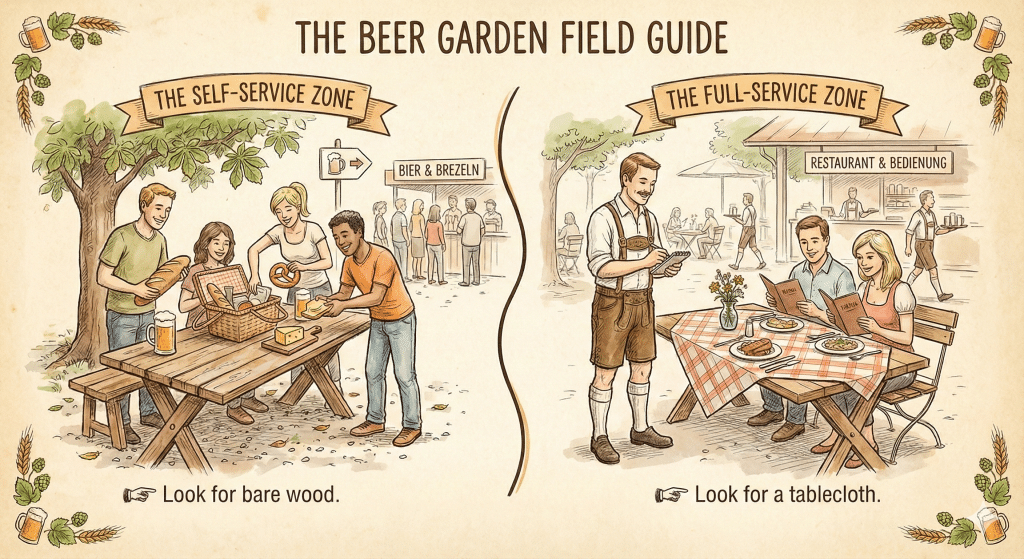
The Tablecloth Code
If a table has a tablecloth, it’s full-service territory. You order food and drinks from waiters. Bare wooden tables signal self-service areas. This distinction matters deeply to locals and affects both service expectations and tipping customs in European restaurants.
The Food Exemption
In self-service sections, you can legally bring your own food. Locals arrive with elaborate picnics—radishes, pretzels, cheese, even proper tablecloths. You simply must buy your beer on-site.
The Deposit System (Pfand)
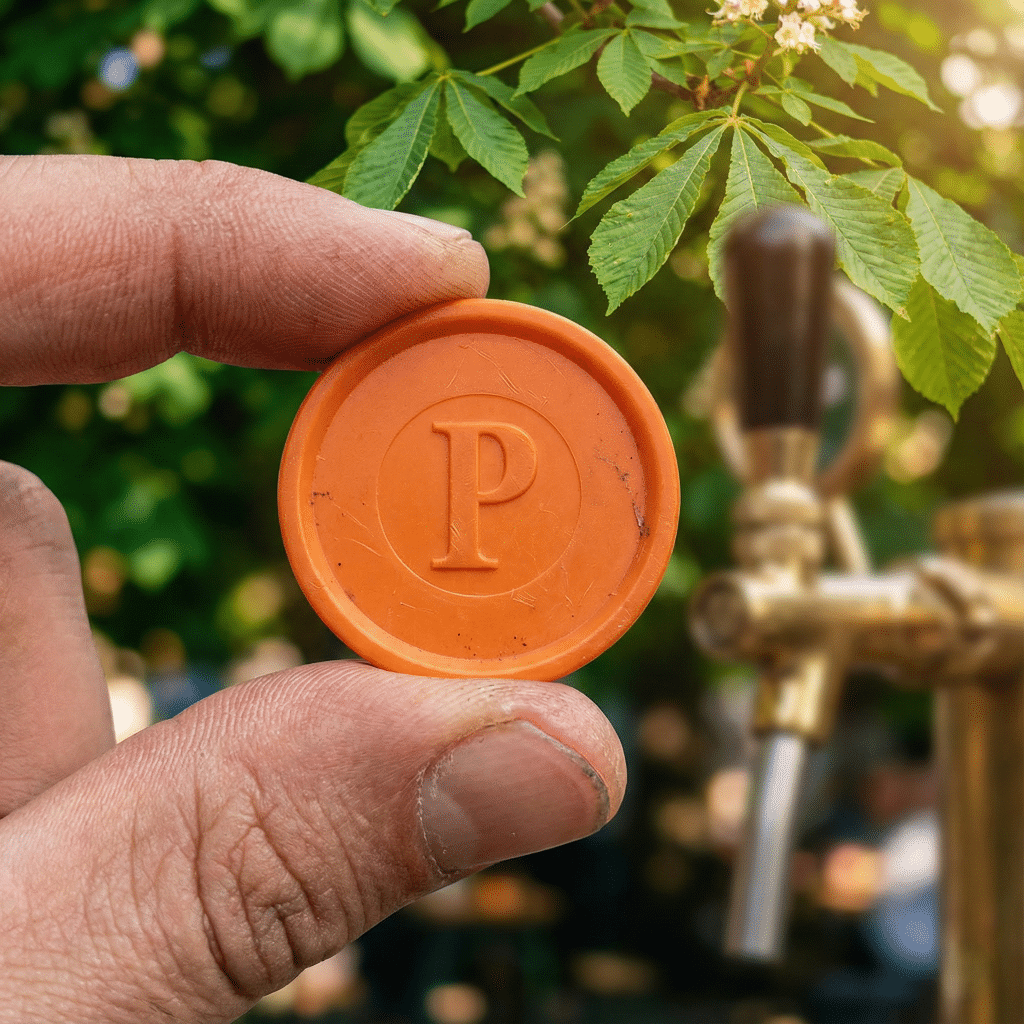
When buying beer or food at self-service counters, you’ll pay a deposit (typically €1-2) for glasses or plates. You’ll receive a token (Pfandmarke). Return the token with your glass to reclaim your deposit.
Sharing is Mandatory
Long tables are meant for sharing. If there’s space on a bench, ask “Ist hier noch frei?” (Is this spot free?) and sit down. Don’t expect conversation—a polite nod suffices.
Top Beer Gardens to Experience
The Hofbräuhaus is famous and fun, but it’s an indoor beer hall. For authentic garden experiences, try these:
Königlicher Hirschgarten – The world’s largest beer garden seats 8,000 people. It maintains a local vibe despite its size, with a deer park next door creating an unexpected pastoral atmosphere in the middle of the city.
Chinesischer Turm – Set in the English Garden beneath a towering wooden pagoda, this bustling spot delivers people-watching and live music. It’s tourist-friendly without feeling touristy.
Viktualienmarkt – This urban garden rotates beer suppliers every six weeks among Munich’s “Big Six” breweries. Perfect for quick stops between market shopping.
Augustiner-Keller – Traditional and lively, this garden serves Augustiner Edelstoff from wooden barrels (Holzfass)—a rarity that beer purists seek out.
Seehaus – More upscale than rustic, this lakeside garden on Kleinhesselohe Lake attracts sunset crowds. Think “chic beer garden” if such a thing exists.
Practical Details:
- Most beer gardens open April-October (weather dependent)
- Expect to pay around €11-14 for a liter of beer
- Self-service lines move faster than table service
- Budget 2-3 hours for a proper beer garden experience
- Check individual websites for current opening times
Bavarian Culture & The “Big Six” Breweries
Munich takes beer so seriously it’s practically a food group. Only six breweries can serve at Oktoberfest—the “Big Six”: Augustiner, Hacker-Pschorr, Hofbräu, Löwenbräu, Paulaner, and Spaten. This exclusivity isn’t snobbery—it’s centuries of tradition protecting Munich’s brewing heritage.
Culinary Traditions You Must Try
Bavarian food is designed to soak up beer and fuel hard work. These dishes define the culture.
Weißwurst Breakfast
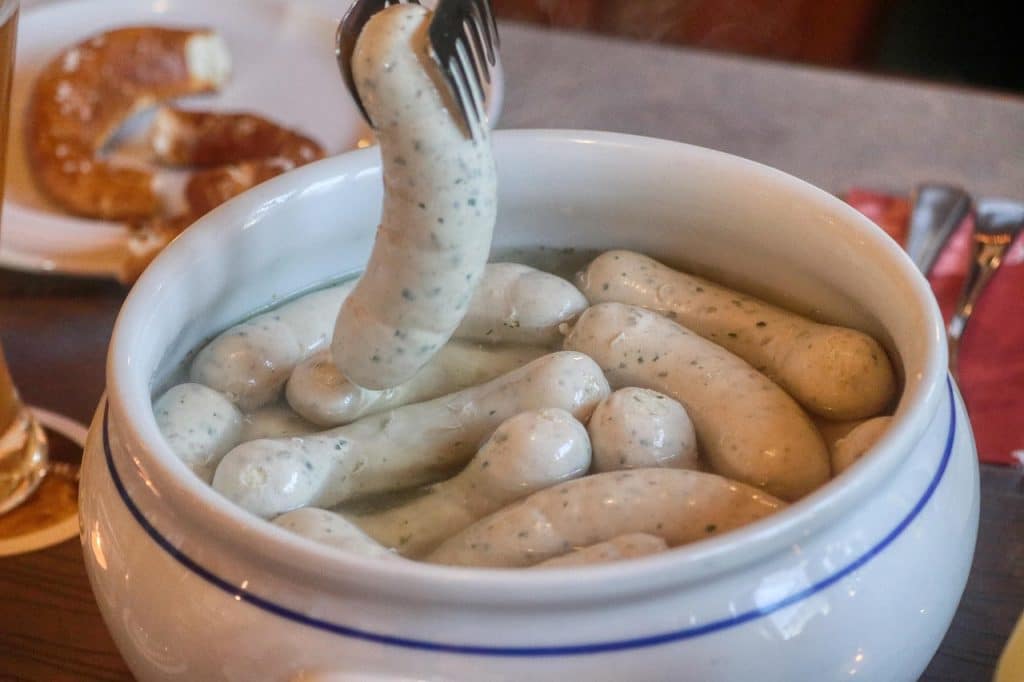
White veal sausages served in a tureen of hot water. The crucial rule: traditionally, they shouldn’t hear church bells ring noon. Eat them for breakfast with sweet mustard, a pretzel, and a wheat beer (Weissbier). Peel the skin off—don’t eat it.
Schweinshaxe
Roasted pork knuckle with crackling skin, usually served with potato dumplings (Knödel). The skin shatters, the meat falls off the bone. Best enjoyed at Haxnbauer or Augustiner am Dom.
Obatzda
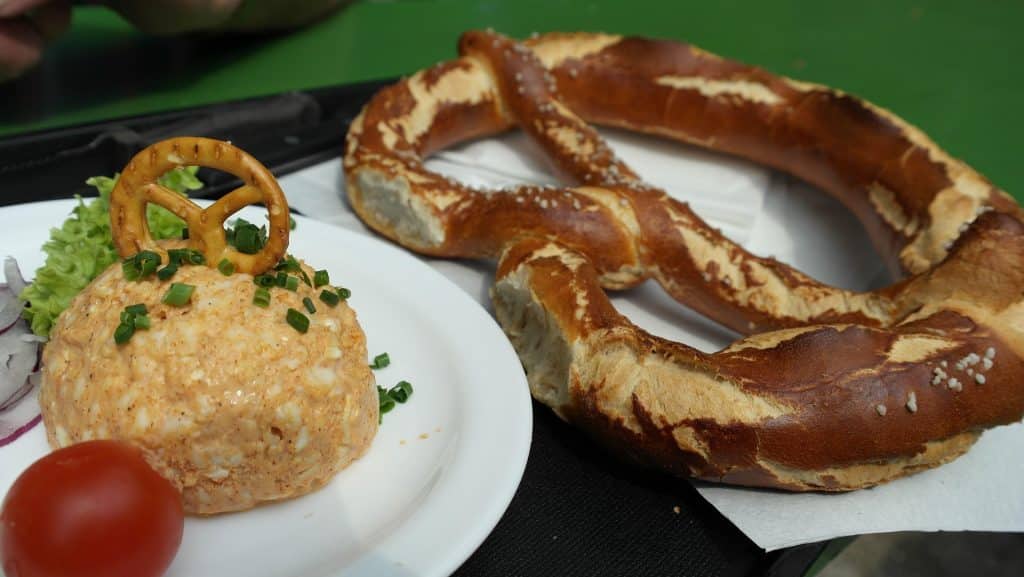
A spread made from camembert, butter, paprika, and sometimes beer. It’s the staple of every beer garden picnic, slathered thick on dark bread.
Schmalznudel
A fried dough pastry somewhere between a donut and a fritter. Get it fresh at Café Frischhut near Viktualienmarkt—a local institution since 1832 where the oil never stops bubbling.
Essential Day Trips: Castles, Peaks, and Austria
Munich’s location makes it the perfect base camp for exploring the Alps. I recommend picking one “mountain” day and one “culture” day to balance your itinerary.
Neuschwanstein Castle (The Fairytale)
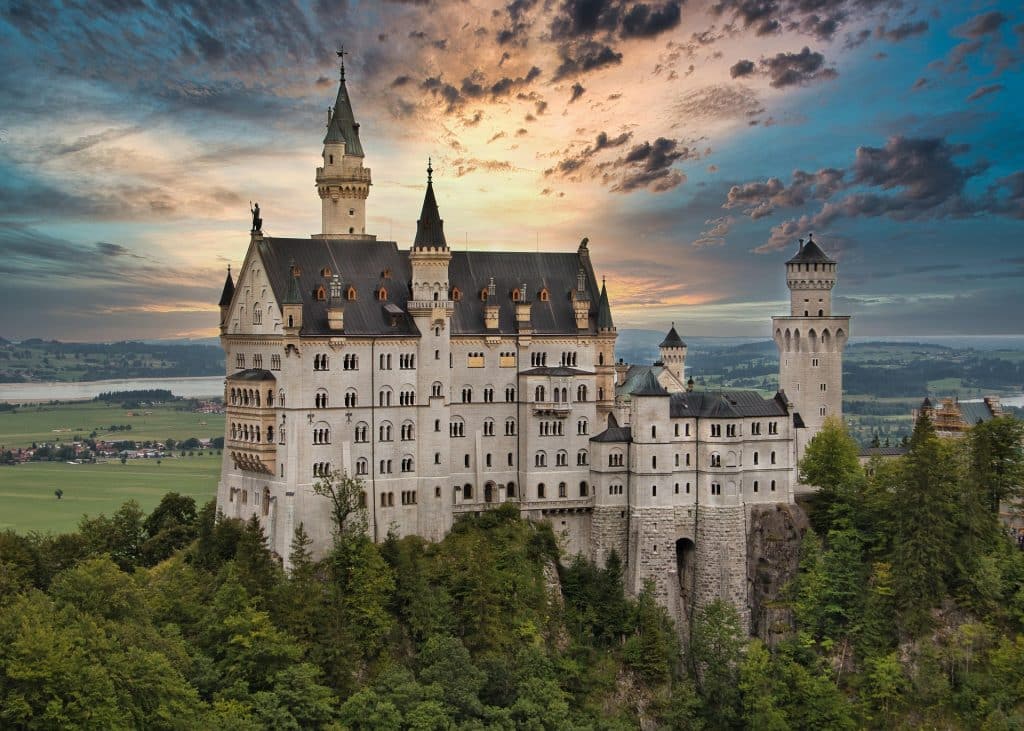
The Reality: Yes, it’s crowded. Yes, it’s worth it if you manage expectations. King Ludwig II’s most famous creation stands as the ultimate romantic castle, inspiring Disney’s Sleeping Beauty Castle and captivating millions of visitors annually.
How to Get There: Take the train to Füssen (approximately 2 hours), then catch a bus to the castle area.
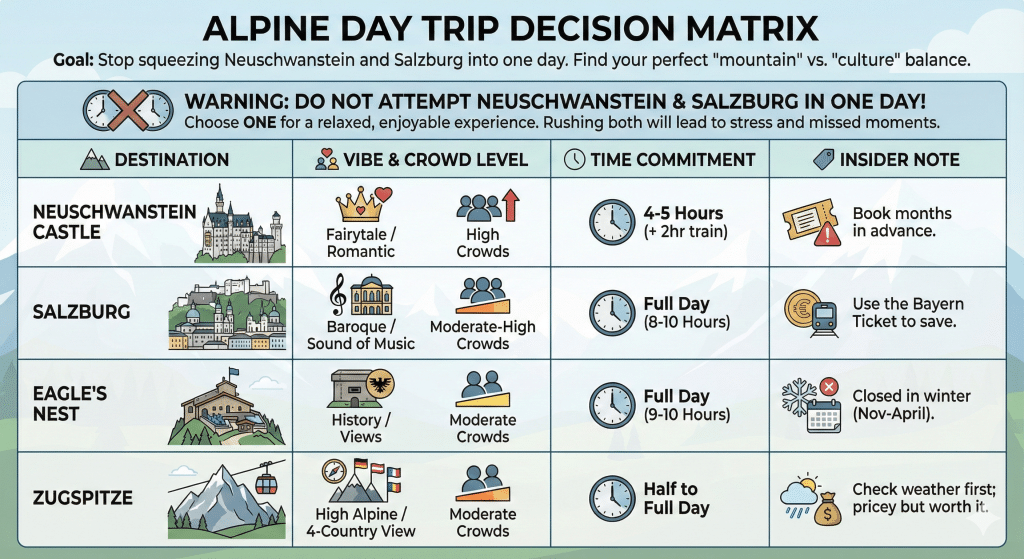
Critical Booking Note: Tickets sell out months in advance. Book through the official Hohenschwangau ticket portal as soon as you know your travel dates. Third-party resellers charge significant markups.
Pro Tip: Walk up to the Marienbrücke bridge for the classic photo, but hike 15 minutes past the bridge for solitude and better angles.
Practical Details:
- Allow 4-5 hours total for the castle visit
- Wear comfortable walking shoes (steep uphill paths)
- Tours run approximately every 5 minutes
- Entry fees are typically around €21-24 per adult (including mandatory online booking fee)
- Check the official website for current pricing and booking
For deeper context on Ludwig II’s architectural vision and his other castles, explore my comprehensive guide: Ludwig II of Bavaria and His Castles: A Guide to Bavaria’s Fairytale King.
Salzburg, Austria (The Classic)
Why Go: Mozart’s birthplace and Sound of Music filming locations await in this stunning baroque Old Town (Altstadt).
How to Get There: The fast train (Railjet) takes about 1.5 hours, while regional trains (Meridian) take slightly longer but cost less.
Money-Saving Trick: Use the Bayern Ticket (approximately €34 for one person, plus around €10 per additional person up to 5 total) on regional trains. It covers the journey to Salzburg even though it crosses into Austria.
Practical Details:
- Full-day trip recommended (8-10 hours total)
- Old Town is walkable (wear good shoes on cobblestones)
- Consider a Sound of Music tour (typically 3-4 hours, around €50-60)
- Check current Bayern Ticket pricing at Deutsche Bahn
Remember to check out my Salzburg Beyond the Script: A Tour Director’s Guide to Mozart’s City for ideas while you are there.
For planning your broader Austrian exploration, including Vienna and beyond, see my Austria Travel Guide: Your Essential Guide to Alpine Elegance and Imperial Grandeur.
The Eagle’s Nest & Berchtesgaden (History & Nature)
Why Go: Visit the Kehlsteinhaus (Eagle’s Nest), Hitler’s mountain retreat, for sobering history and spectacular views, then explore majestic Lake Königssee.
How to Get There: Train to Berchtesgaden, then special RVO bus up the mountain.
Important Warning: The Eagle’s Nest closes in winter (November-April) due to snow. Plan accordingly.
Practical Details:
- Budget a full day (9-10 hours total)
- Eagle’s Nest entry is typically around €32-34
- Lake Königssee boat rides cost approximately €18-25
- Weather can change rapidly—bring layers
- Verify current opening dates before planning
Zugspitze (The Top of Germany)
Why Go: Germany’s highest peak (2,962 meters) offers views of 400 peaks across four countries on clear days.
How to Get There: Train to Garmisch-Partenkirchen, then change to the cogwheel train or cable car.
Cost Reality: The roundtrip ascent typically costs around €65-75, but the unparalleled Alpine views justify the expense.
Practical Details:
- Half-day to full-day trip depending on hiking plans
- Check weather forecasts before going (summit can be socked in)
- Restaurant at the top (budget €15-25 for a meal)
- Winter skiing available
- Current cable car schedules and pricing available at official websites
Munich’s Must-See Highlights
If you only have 48 hours in the city, prioritize these four experiences.
Marienplatz & The Glockenspiel
The center of Munich beats here. The New Town Hall (Neues Rathaus) hosts the famous carillon show at 11 AM and noon daily (plus 5 PM in summer). Watch knights joust and coopers dance, but watch your wallet—pickpockets love distracted crowds looking upward.
Practical Details:
- Shows last approximately 12-15 minutes
- Arrive 10-15 minutes early for good viewing spots
- Free to watch
- Best viewed from the center of the square
The English Garden & Eisbach Surfers
Larger than Central Park, this is Munich’s green lung. Head to the Haus der Kunst museum edge to see the Eisbachwelle—a standing wave where surfers ride year-round, even in snow. It’s a mesmerizing urban spectacle unique to Munich.

Practical Details:
- Surfing wave accessible 24/7 (best viewing midday-evening)
- Free to watch
- Budget 1-2 hours for the park
- Bring a picnic or grab beer at Chinesischer Turm beer garden
Viktualienmarkt
Just steps from Marienplatz, this daily food market has over 140 stalls. Perfect for assembling a picnic. Look for the “Maypole” in the center—the figures on it represent the trades of the market.
Practical Details:
- Open Monday-Saturday (typically 8 AM to 6-8 PM)
- Closed Sundays
- Budget €15-30 for a market lunch
- Check current market hours at official Munich tourism sites
Nymphenburg Palace
The summer residence of the Wittelsbach rulers sprawls across elaborate grounds. The park is free and vast, while the palace interior requires a ticket. In summer, gondola rides on the central canal offer a romantic nod to the Venetian heritage of electress Henriette Adelaide.
Practical Details:
- Palace entry typically €10-15 per person
- Park is always free
- Budget 2-3 hours for palace and gardens
- Take tram 17 from city center (about 20 minutes)
- Current palace opening times and ticket information available at official palace websites
Practical Guide: Neighborhoods & Transport
Where to Stay
Altstadt-Lehel (First Timers)
You’re in the middle of everything, walking distance to Marienplatz. Expensive but convenient for maximizing limited time.
Maxvorstadt (Art & Vibe)
Near universities and museums (the Pinakotheken). Younger crowds, excellent cafes, slightly more affordable than Altstadt.
Ludwigsvorstadt (Oktoberfest Focus)
Just south of the train station and walking distance to festival grounds (Theresienwiese). Book 6-9 months early for the festival period.
Practical Details:
- Budget €100-200 per night for mid-range hotels
- Book 3-6 months ahead for summer/Oktoberfest
- Public transport connects all neighborhoods efficiently
Getting Around (MVV)
Munich’s public transport integrates U-Bahn (subway), S-Bahn (commuter rail), trams, and buses.
Understanding Zones: Most tourist sights sit in Zone M (Munich City). The airport requires a different ticket in Zone M-6.
The Stripe Ticket (Streifenkarte): Often cheaper than single tickets. You fold and stamp a certain number of stripes based on your journey (usually 2 stripes for a ride in Zone M).
City Pass vs. Munich Card:
- Munich Card: Offers small discounts on entry plus free transport. Good for casual explorers.
- City Pass: Includes free entry to 45+ sites plus transport. Only worth it if you’re a “power sightseer” doing 3+ paid museums daily.
Practical Details:
- Single tickets in Zone M typically cost €4
- Day passes run around €9.50
- Validate tickets before boarding (stamp them in red boxes)
- Current MVV pricing and maps available at MVV Munich
Seasonal Magic: Christmas Markets & Festivals
Oktoberfest 2026
The world’s largest beer festival runs from September 19 to October 4, 2026. Remember, “Oktoberfest” actually starts in September to take advantage of better weather.
Practical Details:
- Book accommodations 6-12 months in advance
- Table reservations in tents open months ahead
- Traditional clothing (dirndl/lederhosen) is encouraged but not required
- Budget €15-17 per liter of beer during the festival
- Official information and tent booking at Oktoberfest.de
Christmas Markets (Christkindlmarkt)
Munich transforms in winter. Markets typically run from late November through December 24th.
Marienplatz
The classic, crowded market with the giant tree. Go early morning to avoid peak crowds.
Medieval Market (Wittelsbacherplatz)
Vendors in costume, suckling pig roasted over open fires, mead served in clay goblets. This market transports you back centuries.
Pink Christmas (Stephansplatz)
The LGBTQ+ community’s vibrant, neon-lit market. Fun, inclusive, excellent entertainment alongside traditional treats.
Practical Details:
- Most markets open mid-to-late November
- Operating hours typically 10 AM to 9 PM
- Budget €5-10 for mulled wine and snacks
- Bring cash (many stalls don’t accept cards)
- Current Christmas market dates and locations at official Munich tourism sites
For comprehensive insights into European Christmas market traditions, history, and what to expect, explore The Ultimate Guide to European Christmas Markets: History, Food, and Traditions.
For more details on fitting Munich into a broader German itinerary, refer to the “Sample Itineraries” section in my Germany Travel Guide: Your Gateway to Exploring Deutschland’s Rich Tapestry.
Frequently Asked Questions
What are the rules for Munich beer gardens?
In Munich beer gardens, tables with tablecloths require waiter service, while bare tables are self-service where you can legally bring your own food. Always greet table neighbors, return glasses for your deposit (Pfand), and pay cash
. Visit the “Big Six” breweries like Augustiner for authentic local culture.
How much time do I need in Munich?
Three days allows you to see the city highlights and take one day trip. Five days gives you time to explore neighborhoods, multiple beer gardens, and two day trips. If you’re only passing through, focus on Marienplatz, Viktualienmarkt, a beer garden, and the English Garden.
Is Munich expensive compared to other German cities?
Yes, Munich ranks as Germany’s most expensive city. Expect hotel prices 20-30% higher than Berlin or Hamburg. Beer gardens and markets offer better value than restaurants for authentic experiences on a budget.
Do I need to book beer garden tables in advance?
No, beer gardens operate on a first-come basis. At self-service areas, you simply find a spot and sit down. Full-service areas occasionally take reservations for large groups, but walk-ins are the norm.
Can I do a day trip to both Neuschwanstein and Salzburg?
No, attempting both in one day means spending most of your time on trains and seeing neither properly. Neuschwanstein requires 4-5 hours minimum, Salzburg deserves a full day. Choose one or plan an extra day.
What’s the best time of year to visit Munich?
Late spring (May-June) offers warm weather before peak summer crowds. September brings Oktoberfest and pleasant temperatures. December’s Christmas markets create magical winter atmosphere. July-August sees the most tourists and highest prices.
How important is learning German for visiting Munich?
Most tourism industry workers speak English, especially younger generations. However, learning basic phrases (Guten Tag, Danke, Bitte, Prost) shows respect and helps in beer gardens or markets where older vendors may have limited English.
Are Munich beer gardens family-friendly?
Absolutely. Large gardens like Hirschgarten have playgrounds and family sections. Afternoon visits tend to be calmer than evenings. Children are welcome at self-service areas where families often bring picnics.
What should I wear to a beer garden?
Casual comfortable clothing works fine. Locals don’t dress up. If attending during Oktoberfest or wanting to blend in, traditional Bavarian clothing (dirndls for women, lederhosen for men) is festive but not required.
Is tap water free in Munich restaurants?
No, unlike North America, tap water is not typically served for free in German restaurants. You’ll need to order bottled water (still or sparkling), which can cost €3-7 depending on the venue. This applies to beer gardens and restaurants alike. Some establishments may provide tap water upon request, but don’t expect it as standard practice.
Related Reading
Explore these related guides to enhance your Munich and Bavaria experience:
- Germany Travel Guide: Your Gateway to Exploring Deutschland’s Rich Tapestry – Comprehensive country overview
- Ludwig II of Bavaria and His Castles: A Guide to Bavaria’s Fairytale King – Deep dive into Neuschwanstein and beyond
- Austria Travel Guide: Your Essential Guide to Alpine Elegance and Imperial Grandeur – Planning your Salzburg day trip
- The Ultimate Guide to European Christmas Markets: History, Food, and Traditions – Master Christmas market experiences
- Tipping Etiquette in Europe: Your Essential Guide to Gratuity Customs Across the Continent – Navigate service and payment customs
Munich rewards travelers who move beyond clichés to discover its sophisticated soul. From beer garden rituals to Alpine adventures, from Christmas market magic to world-class museums, this Bavarian capital delivers experiences that balance tradition with modern energy.
Gute Reise! (Safe Travels!)