Vienna Unlocked: A Tour Director’s Guide to the Imperial Capital (2026 Edition)
This guide is for travelers planning their first (or fifth) visit to Vienna who want to experience the city like a local, not a tourist. After 25 years leading tours through Central Europe, I’m sharing the neighborhoods, restaurants, and rhythms that make Vienna more than just a museum of imperial grandeur.
Vienna Is Not Just a Museum. It’s a Living Room.
I’ve walked these streets more times than I can count. Watched sunrise over the Danube, conducted clients through Schönbrunn’s gilded halls, sat in coffee houses that haven’t changed since the Austro-Hungarian Empire. Vienna reveals itself slowly to those who pause long enough to listen.
The city that produced Beethoven, Mozart, and Strauss isn’t merely a repository of frozen imperial grandeur. Baroque palaces sit comfortably alongside contemporary art galleries. World-class orchestras compete with underground jazz venues. Locals still debate politics in century-old coffee houses over a single espresso, for hours.
This guide skips the “must-see” lists you’ll find everywhere else. Instead, it focuses on what I’ve learned from watching thousands of visitors fall in love with this city: the best neighborhoods for different travelers, the restaurants locals actually eat at, the coffee houses worth more than a photo stop, and how to spend three perfect days without feeling like you’re on an assembly line.
If you’ve read my Austria travel guide, this is your insider’s roadmap to the capital.
2026: The Year of Anniversaries
If you missed the Strauss centennial in 2025, don’t worry. 2026 is shaping up to be even more significant for cultural travelers. Vienna is celebrating a convergence of massive milestones this year:
- Mozart’s 270th Birthday: Expect special events at the Mozarthaus and concerts throughout the city.
- Albertina Museum’s 250th Anniversary: One of the world’s finest graphic art collections celebrates a quarter-millennium with blockbuster exhibitions.
- Burgtheater’s 250th Anniversary: The German-speaking world’s most prestigious stage has a special jubilee program.
- Hotel Sacher’s 150th Anniversary: The home of the Sachertorte celebrates its sesquicentennial.
If you’re visiting in 2026, you don’t need to be a classical music devotee or art historian to feel the energy. The city pulses differently during these anniversary celebrations. Many events are free or affordable, and the festive spirit infuses the streets.
On this page
Getting Oriented: Vienna’s Neighborhoods at a Glance
Vienna’s 23 districts radiate from the historic center like spokes on a wheel. For most visitors, five to seven neighborhoods matter. Here’s what I recommend based on your travel style.
Innere Stadt (1st District): For First-Timers
This is where most visitors should begin. The entire medieval and imperial Vienna fits within walking distance. Stephansdom Cathedral, Hofburg Palace, St. Stephen’s Square, Albertina Museum, and the Vienna State Opera. The Ringstrasse boulevard wraps around it like a gilded frame.
The reality? It’s expensive, crowded during peak season, and dominated by tourists. But it’s also where the magic happens. Your first morning in Vienna should be here, even if you sleep elsewhere.
Stay here if: It’s your first time in Vienna, you want everything within walking distance, and budget allows.
Leopoldstadt (2nd District): For Cool Couples and Foodies
Across the Danube Canal, this district has emerged as Vienna’s most vibrant neighborhood over the last decade. The Karmelitermarkt (a centuries-old market) buzzes with local energy, hip cafés, and young entrepreneurs. The Prater, twice the size of Central Park, offers endless green space, the famous Riesenrad (Ferris wheel), and the Donauinsel (Danube Island) with urban beaches and bars in summer.
The reality? It’s more peaceful than the center, considerably cheaper, and you’ll eat better here because locals eat here.
Stay here if: You want to escape tourist hordes, you appreciate local food culture, you’re traveling with family, or you’re on a tighter budget.
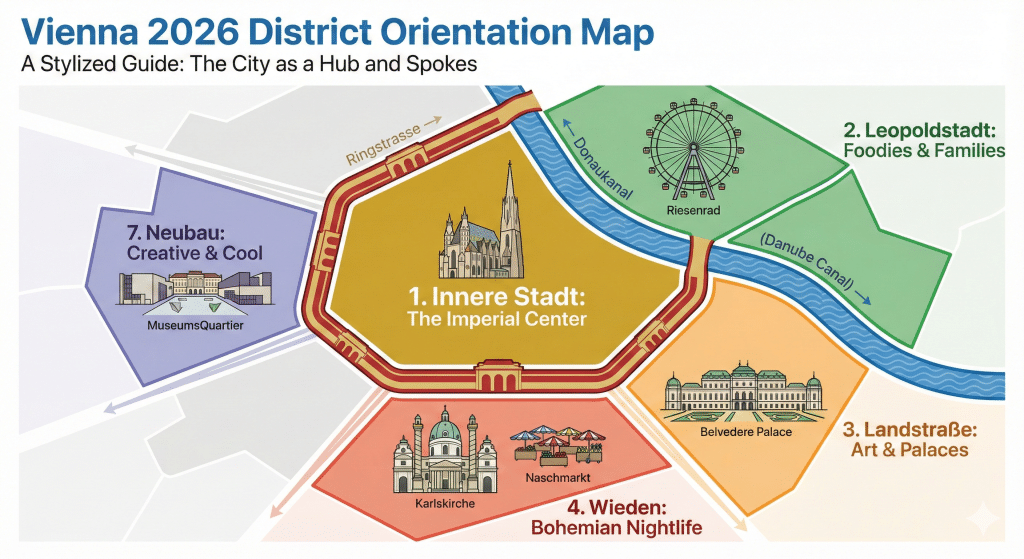
Landstraße (3rd District): For Art Lovers and Budget-Conscious Travelers
Home to the Belvedere Palace (Klimt’s The Kiss hangs here), the Schwarzenberg Palace, and the quirky Hundertwasserhaus. It has a quieter, more residential feel than the center, with excellent neighborhood restaurants and parks. The Stadtpark (City Park) offers peaceful riverside walks.
The reality? You’re a 15-minute U-Bahn ride from the center, but you get more authentic Vienna and better value for money.
Stay here if: You’re an art enthusiast, you want a balance between sightseeing and local life, or you’re visiting in summer and want access to parks.
Wieden (4th District): For Nightlife and Bohemian Vibes
This is where Karlsplatz and the Naschmarkt (Vienna’s most famous open-air market) come alive. The neighborhood has an edgy, artistic energy. Galleries, bookshops, independent restaurants, and bars. Younger travelers often congregate here.
The reality? It’s close to the center (10 to 15 minute walk to major sights), energetic without being overwhelming, and the food scene punches above its weight class.
Stay here if: You like nightlife, you want to eat well, or you prefer a bohemian vibe over imperial grandeur.
Neubau (7th District): For Creative Minds
The MuseumsQuartier (a sprawling arts complex with Leopold Museum, mumok, and Kunsthalle Wien) anchors this creative quarter. You’ll find galleries, vintage shops, independent cafés, and a young, artsy crowd. It’s walkable to the city center but with a distinctly non-touristy feel.
The reality? It’s where Viennese creatives actually live. Street art, small designers, and excellent coffee shops abound.
Stay here if: You care about contemporary culture, you’re interested in design, or you want to explore where “real Vienna” lives.
The Perfect 3-Day Insider Itinerary
Day 1: Imperial Hits and Coffee Culture (8 hours)
Morning (8:00 to 11:00 AM)
Start with breakfast at a traditional café, but not Café Central. The queue will kill your morning. Head to Café Jelinek (Otto-Bauer-Gasse 5, 1060 Vienna) instead. This worn-velvet gem, unchanged for decades, is where locals have their morning Melange (Vienna’s version of a cappuccino). Order a homemade Guglhupf cake. No tourists, just Viennese sitting with newspapers they’re allowed to read for as long as they want. This, right here, is coffee house culture.

From Jelinek, walk to Stephansdom Cathedral (it’s a 12-minute walk). Arrive early, before 9:30 AM, when the crowds are thin and the light is magnificent through the stained glass. Don’t pay to climb the tower unless you have 343 steps worth of knees. The exterior Gothic architecture is what makes your heart race.
Midday (11:30 AM to 1:30 PM)
Walk through the medieval cobbled streets toward Hofburg Palace. This former winter residence of the Habsburgs is massive. You can’t see it all in one visit, nor should you try. Focus on three things:
- Sisi Museum – The obsessive life of Empress Elisabeth, who starved herself to stay thin and ultimately had a tragic end. It’s equal parts fascinating and sad.
- Spanish Riding School – Watch the famous Lipizzaner stallions practice (morning sessions at 10 AM are best). If you can’t attend a practice, at least see the building’s exterior and the horse statues in the courtyard.
- Michaelerplatz – The main entrance, where you can see Roman ruins beneath the plaza (often overlooked).
Have lunch in this area at Gasthaus Rebhuhn (9th District, near Freud Museum) for authentic Viennese fare. Roasted chicken, potato soup, apple strudel. It’s where the neighborhood eats.

Afternoon (2:00 to 5:00 PM)
Depending on your museum energy, choose one:
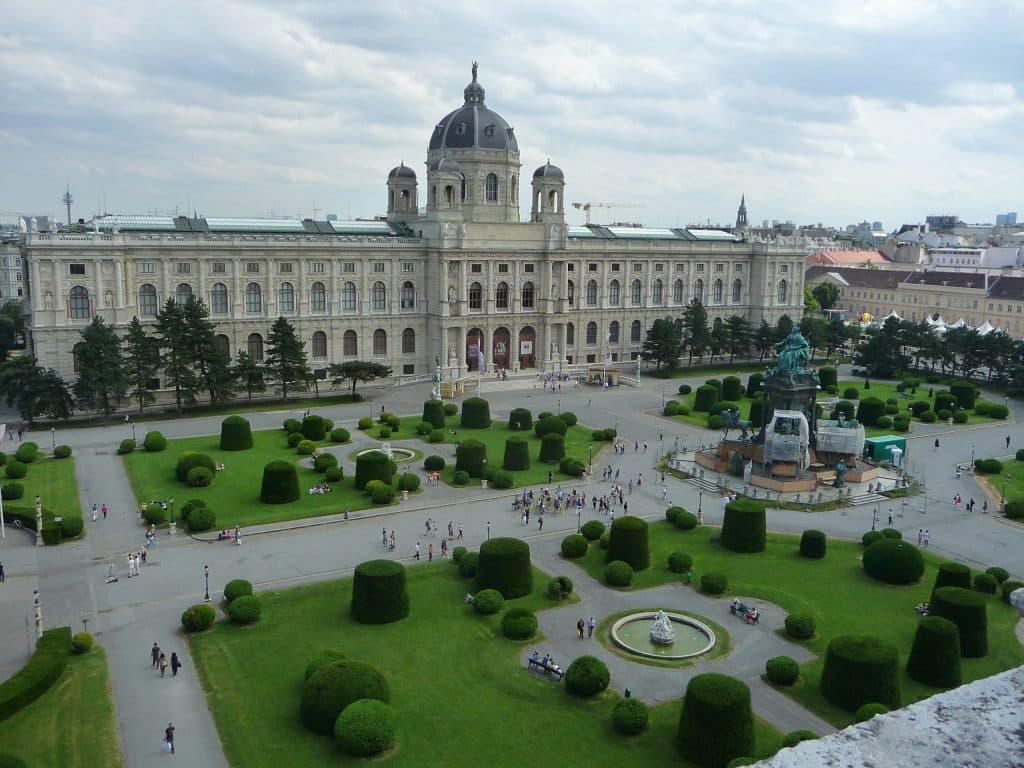
- Kunsthistorisches Museum (Art History Museum) – One of Europe’s finest. Bruegel, Caravaggio, Vermeer. Budget 2 to 3 hours minimum.
- Albertina – A smaller, more focused collection. Less crowded. Excellent for prints and modern works. In 2026, catch the special 250th anniversary exhibitions celebrating a quarter-millennium of this remarkable institution.
Or skip the museums entirely and walk the Ringstrasse (the grand boulevard), spotting the Opera House, Parliament, City Hall, and the Museums of Natural History and Art History from the street. Most first-timers do the Ring by tram (#1 or #2), and honestly, that’s fine. You see the buildings from a comfortable seat.
Evening (6:00 PM onwards)
Walk to Café Sperl (Gumpendorfer Straße 11, 1060 Vienna) for afternoon coffee and Sachertorte. This 1880s café is the quintessential Viennese coffee house. Wood paneling, marble-topped tables, billiard tables, and zero pretension. Sit for as long as you want.
If you want a classical music concert, book a ticket at the Musikverein or Staatsoper in advance. Evening performances are magical. If not, have an early dinner at a heuriger (wine tavern) in the city center. Try Melange at Auerspergstrasse, or simply have traditional Wiener Schnitzel and Apfelstrudel at any of the casual beisln (bistros) scattered around the Innere Stadt.
Day 2: Schönbrunn, Belvedere, and The Arts (8 hours)
Morning (8:00 to 11:00 AM)
Get to Schönbrunn Palace early. Book a timed ticket online in advance (non-negotiable in 2026 due to crowds). The Grand Tour covers 40 rooms and takes about 90 minutes of actual walking. The palace is massive, the grounds are even more massive, and without an early start, you’ll spend half your time in queues.

Pro tip: Do the palace first, then escape the crowds into the gardens. Walk uphill to the Gloriette for a view back over the palace and Vienna. Sit with a coffee vendor and absorb the scale of imperial ambition.
The palace visit alone fills your morning. Consider lunch in the palace grounds (mediocre but acceptable) or walk back toward the city center.
Afternoon (1:00 to 5:00 PM)
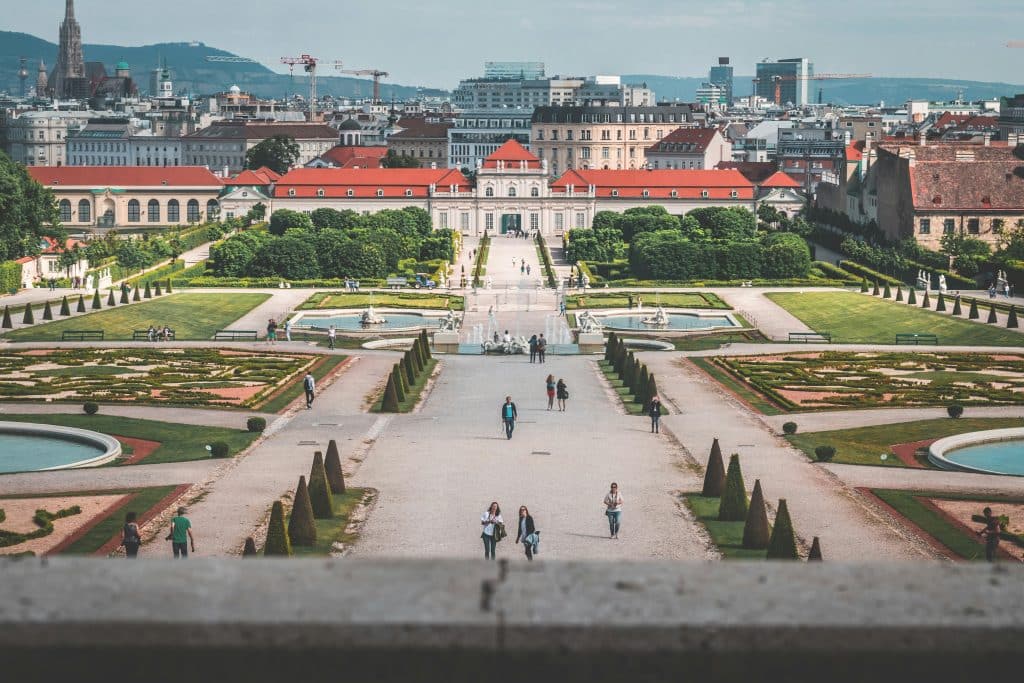
Head to Belvedere Palace (Upper Belvedere is the art museum, Lower Belvedere has different exhibitions). Book timed entry in advance here too. The must-see is Klimt’s The Kiss, housed on the main floor. But the real treasure is the broader collection of Austrian art, medieval manuscripts, and sculptures.
The gardens between Upper and Lower Belvedere are among Vienna’s most beautiful. Sculptures, fountains, formal hedges. Sit here for 20 minutes.
If you prefer something different, swap Belvedere for the Leopold Museum or mumok (Museum Moderner Kunst) in the MuseumsQuartier. You can’t do everything, so choose based on your interests.
Evening (6:00 PM onwards)
Walk or take the U-Bahn back toward the center. Have dinner at Café Goldegg (Argentinierstraße 49, 1040 Vienna), a 1910 Jugendstil (Art Nouveau) gem near Upper Belvedere, or head to Wieden district for dinner at a more modern restaurant.
If you’re up for it, catch an evening concert (book ahead) or simply walk the illuminated Innere Stadt at night.
Day 3: The Local Life and Hidden Vienna (7 hours)
Morning (9:00 AM to 1:00 PM)
Spend the morning at Naschmarkt, Vienna’s most famous open-air market. It’s not a hidden gem (tourists and locals mix here) but it’s genuinely worth experiencing. The Saturday flea market is legendary. Walk the stalls, buy fresh fruit, sample sausages, grab coffee from one of the market cafés.
From Naschmarkt, either:
- Explore the Freihausviertel (just south of the market), a villagey network of cobbled lanes with independent shops, galleries, and cafés. This is “real” Vienna without trying too hard.
- Or visit the Spanish Riding School (if you missed it on Day 1) to watch the famous Lipizzaner stallions practice.

Have lunch at a neighborhood beisl. I recommend Gmoakeller (3rd District) for traditional Austrian offal dishes (if you’re adventurous) or hearty classics. Alternatively, grab lunch from Naschmarkt vendors.
Afternoon (1:00 to 5:00 PM)
Choose one of these based on interest:
- St. Marx Cemetery – Where Mozart was buried in a pauper’s grave. Wild, overgrown lilacs, and a cemetery where Beethoven and other composers rest. It’s atmospheric and deeply Viennese, not touristy at all.
- Central Cemetery and Funeral Museum – A 80-hectare necropolis with a museum dedicated to Viennese funeral traditions. Macabre, fascinating, and very few tourists.
- Otto Wagner’s Church (Kirche am Steinhof) – A 30-minute bus ride outside the center, but an Art Nouveau masterpiece most visitors miss. Stunning majolica tiles and architectural innovation.
- Hundertwasserhaus – A colorful, wonky-walled apartment building by artist Friedensreich Hundertwasser. Playful and deeply Vienna. The nearby KunstHausWien is his museum.
Evening (6:00 PM onwards)
For your final Viennese dinner, venture to a Heuriger (wine tavern). These are scattered throughout Vienna’s wine-growing districts. The two most accessible are:
Stammersdorf (19th District) – The “real” heuriger, with dirt floors and a bohemian vibe. Take tram #31. Try Heuriger Krenek or Weinhandwerk. This is where Viennese go, not tourists.
Nussberg/Kahlenberg (19th District) – Higher elevation with views over Vienna. Mayer am Nussberg or Sirbu offer lounge-chair seating among the vines. Perfect for sunset.
A heuriger evening is unstructured. Order a quarter-liter of the new wine, grab some cold cuts and bread from the buffet, and sit for hours. You’ll eat Wiener Schnitzel, Speckknödel (bacon dumplings), cheese, and bread. The wine (called Sturm if it’s still fermenting) is young and surprisingly drinkable.
End your trip here, watching the city lights emerge below the vineyard hills.

Dining: Eat Like a Local (Not a Tourist)
A quick note on planning: Prices and opening hours are mentioned to help you budget and plan, but they can change often. I always recommend checking the official websites (which I’ll link to) for the most current information before your visit.
Coffee Houses: The Foundation of Viennese Life
Viennese coffee house culture was added to UNESCO’s list of Intangible Cultural Heritage in 2011. It’s serious business. The protocol is simple: order, sit as long as you want, read the free newspapers, no one rushes you. A single coffee can justify a four-hour sofa occupation.
The Essential Five:
Café Sperl (Gumpendorfer Straße 11, 1060 Vienna) – The quintessential café. Opened 1880. Wood panels, billiard tables, Sachertorte. Zero Instagram aesthetic, 100% authenticity. For current hours and menu details, check the official Café Sperl website.
Café Jelinek (Otto-Bauer-Gasse 5, 1060 Vienna) – Off the beaten path, which is why locals love it. Homemade cakes, wood stove, worn velvet. It’s like sitting in someone’s living room from 1970. Visit their official website for the latest information.
Café Goldegg (Argentinierstraße 49, 1040 Vienna) – 1910 Jugendstil beauty near Belvedere. Quieter, popular with locals and art students. Perfect for a morning coffee after the museum. Check their official website before your visit.
Café Prückel (Stubenring 24, 1010 Vienna) – A 1950s mid-century design gem mixed with Art Nouveau. Outdoor summer seating. University students and intellectuals. See their official website for current details.
Café Hawelka (Hawelka Gasse 1, 1010 Vienna) – Historic bohemian hangout. Famous for its Buchteln (sweet dumplings). Closed Tuesdays. A bit touristy now, but the history is real. Visit the official Café Hawelka website for hours and information.
What to order: Melange (cappuccino-style), Schwarzer (espresso), Großer Schwarzer (double espresso), Einspänner (coffee with whipped cream), or Fiaker (coffee with brandy and whipped cream). Ask for water with your coffee. It’s standard and free.

For more about European Coffee tradition read my European Café Culture: More Than Just Coffee
Restaurants: Authentic Austrian Cuisine
A quick note on planning: Prices and opening hours mentioned throughout this guide help with budgeting and planning, but they can change. I always recommend checking official websites for the most current information before your visit.
Traditional Beisln (Casual Taverns):
Gasthaus Rebhuhn (Berggasse 24, 1090 Vienna) – Roasted chicken, potato soup, warm apple strudel. This is where the 9th district eats lunch. Expect to pay around €16 to 26for a main dish. Check their official website for current hours and menu.
Gasthaus Pöschl (Weihburggasse 17, 1010 Wien, Austria) – Excellent Wiener Schnitzel, central but feels authentic. Family-run since forever. Budget around €25 to 32 for a meal. Visit their official website for details.
Gmoakeller (Bäckerstraße 6, 1030 Vienna) – One of Vienna’s oldest inns (1700s). Famous for offal dishes (sweetbreads, liver). Also traditional classics. Dark wood, candles, genuinely old Vienna. Expect to pay around €18 to 28 for a main. See their official website for the latest information.
Modern Austrian:
Salon Plafond (Stubenring 5, in the MAK museum, 1010 Vienna) – Modern takes on classics. Excellent design. Younger vibe than traditional beisln. Great for lunch. Budget around €22 to 40 for a meal. Check the official MAK website for hours and menu.
Steirereck (Am Heumarkt 2A, 1030 Wien, Austria) – Two Michelin stars. Expensive. Book months ahead. Modern Austrian haute cuisine. Worth it if you have the budget. Expect to pay around €150 to 250 per person. Visit the official Steirereck website to book and for pricing.
Heuriger (Wine Taverns): The Essential Viennese Experience
The Heuriger experience is half the food, half the atmosphere. You sit outdoors (weather permitting) among the vines, order wine by the Viertel (quarter-liter, typically around €5 to 7), and serve yourself from a buffet of cold cuts, cheese, bread, and simple warm dishes.
Best for views and Viennese experience:
Mayer am Pfarrplatz (Pfarrplatz 2, 19th District) – Vienna’s oldest heuriger (1683). Mayer am Pfarrplatz is a classic Viennese Heuriger that brings together historic charm, reliably good food, and excellent estate wines in a cozy setting that often hums with energy. I find it especially appealing if you’re looking for an atmospheric, quintessentially Viennese evening rather than a cutting-edge dining experience.. Visit the official Mayer am Nussberg website for hours and current pricing.
Sirbu (Kahlenberg, 19th District) – Sunset views, young crowd, good wine. Similar pricing to Mayer am Nussberg. Check their official website for details.
Best for authenticity (less touristy):
Stammersdorf neighborhoods (19th District, tram #31) – Heuriger Krenek, Weinhandwerk. Dirt floors, locals, real wine culture. Budget around €20 to 28 per person total. See the official Stammersdorf tourism website for a list of heuriger and current information.
Pro tip: Go early (5:30 to 7:00 PM) before the tour groups arrive, or go late (9:00 PM and later) when it’s just locals. Avoid 7:30 to 8:30 PM, which is peak tourist rush.
Practical Information for 2026
Getting from Airport to City
Option 1: City Airport Train (CAT)
- Cost: €14.90 one-way, €24.90 return
- Time: 16 minutes to Wien Mitte (central station)
- Reality: Convenient but pricey for a solo traveler
For current CAT fares and schedules, visit the official CAT website.
Option 2: S-Bahn (S7 Line): The Tour Director’s Choice
- Cost: Typically around €4 to 5 (or included with a valid Vienna transport pass)
- Time: 25 minutes to Wien Mitte
- Reality: Same destination, much cheaper, only 9 minutes slower. This is how I always arrive.
Check the official ÖBB website for current S-Bahn fares and schedules.
Option 3: Taxi/Transfer Service
- Cost: Typically around €35 to 45 fixed rate (book ahead with Taxi 40100 or Airport Driver)
- Time: 20 to 30 minutes depending on traffic
- Reality: Convenient if traveling with luggage or in a group
See the official Vienna Airport website for recommended taxi services and current rates.
Public Transport: The 2026 Shake-Up
Important: As of January 1, 2026, Vienna has completely restructured its ticket system.
The old reliable 48-hour and 72-hour tickets (and their City Card equivalents) have been discontinued.
Your New Strategy for 2026:
- For a 3-Day Visit: Buy the 7-Day Ticket (approx. €25 digital / €29 paper). It sounds counterintuitive to buy a weekly pass for 3 days, but with the new pricing structure, it is often cheaper and easier than buying three separate 24-hour tickets.
- For Short Stays (1 to 2 Days): Use the 24-hour Vienna Ticket (approx. €10).
- Single Tickets: Now approx. €3.20. Avoid buying these individually because they add up fast.
- The “Vienna City Card” in 2026: Check the official tourist board site carefully, as the classic 48/72h options are gone. Look for the new 24-hour or weekly variants if you plan to visit many museums for the discounts.
For complete details on the new 2026 ticket system, visit the Wiener Linien official website.

Pro tip: For a typical 3-day visit, the 7-Day Ticket is your best value. It pays for itself compared to buying multiple single rides or stacking 24-hour tickets.
Hotels and Neighborhoods: Where to Sleep
I’ve covered neighborhoods extensively above, but here’s a quick hotel guide by price range.
Budget (€50 to 100/night):
- Wombats Hostel (4th District) – Social, clean, cheap beer at the bar. Check official Wombats website for current rates.
- Motel One Wien Prater (2nd District) – Budget but stylish, near Prater Park. Visit official Motel One website for pricing.
Midrange (€100 to 200/night):
- Hotel Domizil (1st District) – Boutique, imperial-style rooms, excellent value for location. See official Hotel Domizil website for rates.
- Hotel Am Konzerthaus Vienna (3rd District) – Stylish 4-star, near Belvedere, Michelin restaurant on-site. Check official Hotel Am Konzerthaus website for current pricing.
Luxury (€200+/night):
- Park Hyatt Vienna (1st District) – 5-star, historic 1900s building. Visit official Park Hyatt Vienna website for details.
- Hotel Sacher Wien (1st District) – The legendary hotel celebrating its 150th anniversary in 2026. Home of the original Sachertorte. See official Hotel Sacher website for anniversary packages.
- Hotel Sans Souci Wien (7th District) – 5-star, next to MuseumsQuartier, pool and spa. Check official Hotel Sans Souci website for rates.
My recommendation: Stay in Leopoldstadt (2nd), Wieden (4th), or Landstraße (3rd) if budget is a consideration. Stay in Innere Stadt (1st) or Neubau (7th) if you want walkability and cultural immersion. Only stay in Innere Stadt on your first night. Spend the rest of your trip elsewhere to avoid the tourist bubble.
What to Book in Advance
- Schönbrunn Palace timed entry – Book online 1 to 2 weeks ahead. Walk-ups sell out daily in summer. Visit the official Schönbrunn Palace website to book.
- Belvedere Palace timed entry – Book 1 week ahead minimum. See the official Belvedere Palace website for tickets.
- Classical music concerts – Book 2 to 3 weeks ahead, especially for Vienna Philharmonic and Musikverein performances. In 2026, consider the special Mozart 270th birthday concerts and Burgtheater anniversary programs. Check the official Musikverein website, Vienna State Opera website, and Burgtheater website for schedules.
- Spanish Riding School morning practice – Book 1 week ahead online. Visit the official Spanish Riding School website to reserve.
Everything else (restaurants, heuriger, coffee houses) can be walk-up. Vienna is still accessible to spontaneous travelers, especially if you’re comfortable with independent travel.
Hidden Gems: What Most Visitors Miss
St. Marx Cemetery (3rd District) – Mozart’s grave is in this wild, overgrown cemetery. Lilacs bloom in spring, autumn leaves scatter everywhere else. It’s atmospheric, historical, and zero tourists. U-Bahn to Quartier or tram #71. Budget about 1 hour for a visit.
Michaelerplatz Roman Ruins (1st District) – Beneath the plaza in front of Hofburg Palace, you can see remnants of a Roman settlement. Few tourists know about it. Free to see from above, some archaeological museums have detail. Budget about 15 to 20 minutes.
The Funeral Museum (Central Cemetery, 11th District) – Austria’s relationship with death is unique and fascinating. This museum in the Central Cemetery explores how Viennese mark mortality. Macabre, educational, and empty of tourists. Budget about 1.5 to 2 hours including cemetery walk. Visit the official Central Cemetery website for details.
Otto Wagner Chttps://www.wien.info/en/see-do/sights-from-a-to-z/church-steinhof-343020hurch (Kirche am Steinhof) (14th District) – A 30-minute bus ride, but an Art Nouveau masterpiece. Stunning majolica tiles (designed by Otto Wagner), innovative design, and views over Vienna. Takes about 3 hours total (round-trip plus visit). Worth it if you love design. Check the official Kirche am Steinhof website for visiting hours.
Hundertwasserhaus (3rd District) – A playful, wonky-walled apartment building by artist Friedensreich Hundertwasser. You can’t go inside (it’s residential), but the exterior is mesmerizing. The nearby KunstHausWien (his museum) has rotating exhibitions. Budget about 30 to 45 minutes for exterior viewing, 1.5 to 2 hours if visiting the museum. See the official KunstHausWien website for current exhibitions.
Prater and Danube Island (2nd District) – Most tourists hit the Riesenrad (giant ferris wheel) and leave. Stay longer. The Prater is vast. Rent a bike, explore the tree-lined avenues, sit by the water. In summer, Danube Island becomes Vienna’s beach resort, with urban beach bars and swimming. Budget 2 to 4 hours for a proper Prater experience.
2026 Anniversary Highlights
If you’re visiting in 2026, don’t miss these celebration events:
Mozart’s 270th Birthday
Mozarthaus Vienna – Special exhibitions and concerts throughout the year. This museum in Mozart’s former residence is hosting enhanced programming. Visit the official Mozarthaus website for the anniversary schedule.
Vienna Philharmonic – Special Mozart programs at the Musikverein. Book 4+ weeks ahead. Check the official Vienna Philharmonic website for dates.
Albertina Museum’s 250th Anniversary
The Albertina Museum is celebrating a quarter-millennium with blockbuster exhibitions of its world-renowned graphic arts collection. Expect special displays of works by Dürer, Rubens, and Klimt throughout 2026. This is one of the cultural highlights of the year.
Burgtheater’s 250th Anniversary
The Burgtheater (German-speaking world’s most prestigious stage) has a special jubilee program running throughout 2026. Even if you don’t speak German, the building itself is worth visiting for its architectural grandeur. Check the official Burgtheater website for anniversary events and tours.
Hotel Sacher’s 150th Anniversary
The legendary Hotel Sacher, home of the original Sachertorte, celebrates its sesquicentennial in 2026. Even if you’re not staying here, stop by the café for a slice of the famous chocolate cake and soak in 150 years of Viennese hospitality. See the official Hotel Sacher website for anniversary packages and events.
What Remains of the Strauss Year?
While the official anniversary year has ended, the legacy remains. The brand new Johann Strauss Museum (New Dimensions) which opened in late 2024 is now a permanent fixture. Located near the Danube Canal, it offers a high-tech, immersive look at the Waltz King’s life.
If you are visiting in January 2026, you can still catch the tail end of the “Strauss: New Dimensions” exhibitions at the Jewish Museum (until Jan 16) and Austrian National Library (until Jan 11). Check their respective websites for final dates.
Frequently Asked Questions About Vienna
How much time do I need in Vienna?
Three full days is ideal for first-time visitors. One day covers the imperial highlights (Hofburg, Stephansdom, Ringstrasse), one day for palaces (Schönbrunn and Belvedere), and one day for local experiences (markets, coffee houses, heuriger). If you have more time, add day trips to the Wachau Valley or explore Vienna’s hidden neighborhoods.
Is Vienna expensive compared to other European capitals?
Vienna is moderately priced. It’s cheaper than Paris or London but more expensive than Prague or Budapest. Expect to pay around €12 to 18 for a casual restaurant meal, €5 to 8 for coffee and cake, and €100 to 150 per night for midrange hotels. Museums typically cost around €12 to 16 for entry.
Do I need to speak German in Vienna?
No. Most Viennese in tourist areas, restaurants, and hotels speak English fluently. Learning a few basic German phrases (Guten Morgen, Danke, Bitte) is appreciated but not necessary. Menus often have English translations.
What’s the best time of year to visit Vienna?
Late spring (April to June) and early fall (September to October) offer pleasant weather, fewer crowds, and cultural events. Summer (July to August) is warm but crowded and many locals leave the city. Winter (November to March) is magical for Christmas markets but can be cold and gray. In 2026, any time is special due to the multiple anniversary celebrations.
What changed with Vienna’s public transport in 2026?
As of January 1, 2026, the 48-hour and 72-hour tickets were discontinued. The best value for a 3-day visit is now the 7-Day Ticket (around €25 to 29). For 1 to 2 days, use the 24-hour ticket (around €10). Single tickets are now around €3.20 each. Check the Wiener Linien official website for the complete new fare structure.
What should I try at a Viennese coffee house?
Order a Melange (similar to a cappuccino), Schwarzer (espresso), or Einspänner (coffee with whipped cream). Pair it with Sachertorte (chocolate cake), Apfelstrudel (apple strudel), or any homemade cake. The experience is about sitting, reading, and slowing down, not rushing through.
How does the Vienna City Card work in 2026?
With the 2026 transport restructuring, verify the current Vienna City Card options on the official tourism website. The old 48-hour and 72-hour versions are discontinued. Look for new 24-hour or weekly variants that include unlimited transport plus museum discounts (typically 10 to 20%). Activate it on first use.
Can I walk between major sights in Vienna?
Yes. The Innere Stadt (1st District) is compact and entirely walkable. Stephansdom to Hofburg is a 10-minute walk. Hofburg to Vienna State Opera is 8 minutes. However, Schönbrunn and Belvedere palaces require U-Bahn or tram (15 to 20 minutes each from the center).
What are the public transport changes in Vienna for 2026?
As of January 1, 2026, Vienna has discontinued the standard 48-hour and 72-hour transport tickets. For a 3-day visit, the best value is now the 7-Day Ticket (€25-29). For shorter stays of 1-2 days, use the 24-hour ticket (€10) to avoid buying expensive single tickets .
How much should I tip in Vienna restaurants?
Service is often included (“Bedienung”), but it is customary to round up the bill. For a coffee costing €4.50, round up to €5.00. For a dinner bill of €46, round up to €50. It’s polite to tell the waiter the total amount you want to pay before handing them cash or card, rather than leaving money on the table.
The Rhythm of Vienna: A Few Final Thoughts
Vienna rewards slowness. Every first-time visitor tries to check every box and ends up exhausted. Instead, sit in a coffee house for three hours with a single Melange. Ride the tram without a destination. Walk the Ringstrasse at night when it’s lit up and quiet. Stand in front of The Kiss at Belvedere for 10 minutes without moving.
The Viennese have a concept called Gemütlichkeit, a combination of coziness, contentment, and unhurried living. It’s not something you visit. It’s something you surrender to.
When you leave Vienna, you won’t remember every palace or museum. You’ll remember the old woman next to you at Café Jelinek, reading her newspaper. The wine at a heuriger overlooking the city. The moment you turned a corner and stumbled on a quiet Baroque church. The particular light of autumn on the Danube.
That’s Vienna. Go slowly. Stay long. Sit down.
Explore More Austria and Central Europe
For insights into other Austrian regions (Salzburg, the Alpine heart of Tyrol, the vineyard-draped hills of Styria, and the hidden gems of Vorarlberg), return to Pieterontour.com for comprehensive regional guides and itineraries.
Or if you’re planning a guided tour through Vienna or Central Europe, explore my tour planning resources or reach out directly. After 25 years on the road, I still find magic in showing others these places.