
Prague 3-Day Itinerary: A Tour Director’s Day-by-Day Guide
This guide is for travelers seeking an authentic Prague experience beyond the tourist traps—here’s exactly how to explore the city’s best in three days, from someone who’s been leading groups through these streets for over 25 years.
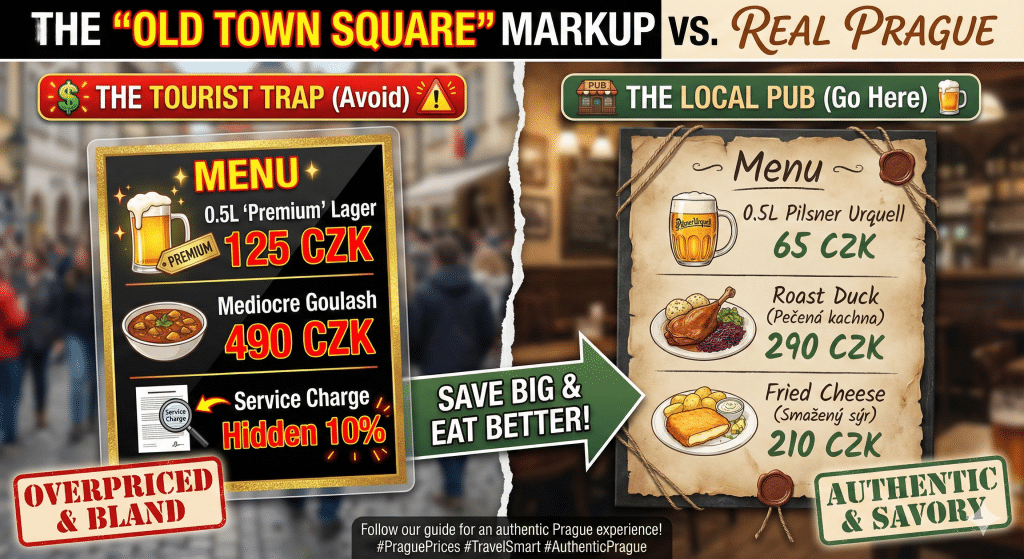
I still get a thrill every time Prague’s spires come into view, even after guiding groups here for more than two decades. But I’ve also watched countless travelers make the same mistakes: overpaying for mediocre goulash on Old Town Square, standing in two-hour castle queues under the midday sun, or losing money at “zero commission” exchange booths that are anything but.
This itinerary is the exact blueprint I use when friends or family ask how to see the best of Prague without falling into the tourist traps. It’s designed for travelers who want to connect with the city’s soul—its history, its music, and yes, its exceptional pilsner—while avoiding the crushing crowds that can spoil the experience.
For a broader look at planning your trip, including visa requirements and regional context, see my comprehensive Czech Republic Travel: Your Essential Guide to Exploring the Heart of Bohemia.
On this page
Why 3 Days Works Perfectly
Three days is the sweet spot for Prague. It gives you enough time to tackle the two main historical heavyweights (the Castle District and Old Town) on separate days without exhaustion, and leaves a third day for the authentic layers most tourists miss—the riverside markets, the hilltop parks, and the deeper neighborhoods where actual Praguers live.
The Value You’re Getting
One of the reasons I constantly recommend Prague over its Western European counterparts is the exceptional value. You’re not just getting “cheap”—you’re getting world-class culture for a fraction of what you’d pay in Paris or Vienna. For a complete breakdown of what to expect budget-wise across the region, check out my Real Cost of Europe: Guided Tours vs Independent Travel.
A quick note on planning: Prices and opening hours are mentioned to help you budget and plan, but they can change often. I always recommend checking the official websites (which I’ll link to) for the most current information before your visit.
Before You Go: The Logistics That Matter
The “Zero Commission” Trap
I mention this in my main guide, but it bears repeating: never use currency exchange booths in the city center. I once had a couple on one of my tours lose €75 on a €500 transaction at a booth promising “0% Commission” (they bury the terrible exchange rate in microscopic print).
The fix: Use a bank-affiliated ATM (look for AirBank, KB, or Česká spořitelna) and always choose to be charged in CZK, not your home currency.
Getting Around Strategically
Prague is incredibly walkable, but those cobblestones are unforgiving after a full day. You’ll want to use the tram system—it’s fast, clean, and reliable. If you’re nervous about navigating European public transit, my guide on Navigating European Public Transportation Like a Pro will help you build confidence.
Practical details:
- Download the PID Lítačka app before you arrive to buy tickets on your phone
- For this itinerary, buy a 72-hour pass (verify current pricing on the official PID website, but budget around 350-450 CZK based on 2026 rates)
- The pass covers all trams, buses, the metro, and even the funicular when it’s operating
- Important: If using paper tickets, validate them once upon your very first entry (plainclothes inspectors love catching confused tourists with unvalidated tickets)
What to Book Ahead
Prague Castle: Lines for tickets can stretch beyond an hour during peak times. Buy the ‘Basic Circuit’ ticket (formerly Circuit B) online in advance to skip the purchase queue. For current ticket options and prices, check the official Prague Castle website.
Dining: For spots like Café Savoy or U Modré Kachničky, reserve a table 2-3 days in advance, especially for weekends.
Quick 3-Day Overview
Day 1 (The Historic Core):
- 07:30 AM – Charles Bridge at sunrise
- 09:30 AM – Old Town Square & Astronomical Clock
- 11:30 AM – Lunch at traditional pub
- 01:30 PM – Jewish Quarter exploration
- 07:00 PM – Bohemian dinner
Day 2 (Royal Heights):
- 09:00 AM – Prague Castle complex
- 12:30 PM – Lunch with castle views
- 02:30 PM – Malá Strana & Kampa Island
- 07:00 PM – Jazz or fine dining
Day 3 (Views & Local Life):
- 10:00 AM – Letná Park or Vyšehrad
- 12:30 PM – Market lunch or neighborhood café
- 03:00 PM – Beer spa or museum visit
- 07:30 PM – Classical concert finale
Prague in 3 Days – Tour Director’s Checklist
Before You Go
- ☐ Book Prague Castle tickets in advance (skip peak mid-day hours)
- ☐ Purchase 72-hour public transport pass
- ☐ Choose accommodation outside Old Town core if staying 3+ nights
- ☐ Pre-identify 1 evening classical concert or cultural experience
Daily Flow Strategy
- ☐ Visit Charles Bridge at sunrise, not mid-day
- ☐ Group Old Town sights into a single morning loop
- ☐ Schedule Prague Castle for early morning or late afternoon
- ☐ Use parks (Letná / Vyšehrad) as recovery zones, not “extras”
Crowd & Cost Avoidance
- ☐ Avoid restaurants with multilingual photo menus near Old Town Square
- ☐ Eat lunch outside tourist cores; reserve dinners selectively
- ☐ Skip peak-hour river cruises unless private or off-schedule
Optional Enhancements
- ☐ Add one neighborhood beyond the historic core
- ☐ Include one “non-monument” experience (market, park, beer hall)
- ☐ Leave one half-day deliberately unprogrammed
Day 1: The Heart of Bohemia (Old Town & Jewish Quarter)
The strategy: Start early to beat the crowds at the city’s most famous bridge, then dive deep into history.
Charles Bridge Before the Madness (07:30 AM)
Trust me on this wake-up call. By 9:30 AM, Charles Bridge becomes a wall-to-wall carnival of selfie sticks. At 7:30 AM (or 8:00 AM in winter), it’s a gothic masterpiece, mist-shrouded and silent.
The statues of saints silhouetted against the sunrise create the defining image of Prague. Cross into Old Town and head to Café Imperial or Myšák for a First Republic-style breakfast. The větrník (caramel cream puff) at Myšák is legendary.

Old Town Square & The Astronomical Clock (09:30 AM)
Watch the Astronomical Clock strike the hour (it’s a bit underwhelming but mandatory for the experience), then climb the Old Town Hall Tower. It’s the only tower with an elevator and offers the best 360-degree view of those red-tiled roofs.
Practical details:
- Budget around 30-45 minutes for the tower visit
- Entry fee is 300 CZK
- Check current hours on the Old Town Hall official website before visiting
Lunch Where Locals Actually Eat (11:30 AM)
Lokál Dlouhááá is where Praguers go. It’s loud, it’s long (literally—the hall stretches far back), and the Pilsner Urquell is the freshest in town.
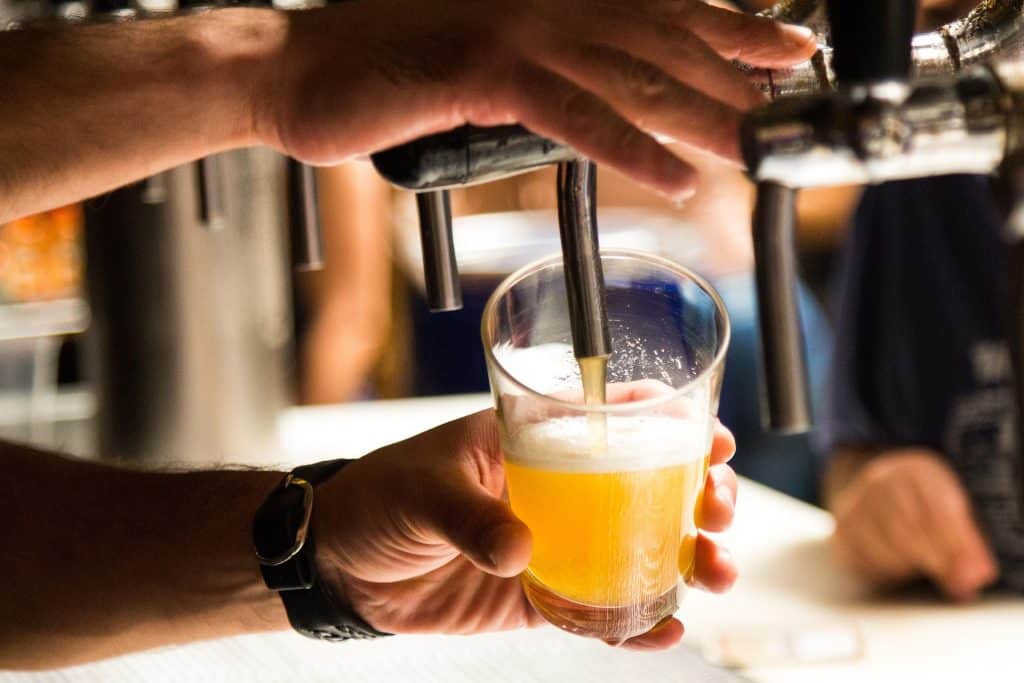
Order the smažený sýr (fried cheese) or the boiled beef with dill sauce (koprová omáčka). Budget around 250-350 CZK for a full meal with beer. If you want to understand the cultural expectations of dining in busy Czech pubs like this, my guide on European Dining Hours and Table Manners: Eat Like a Local will help you navigate the experience smoothly.
The Jewish Quarter That Survived (01:30 PM)
Prague’s Jewish history is both tragic and miraculous. It survived largely because Hitler intended to preserve it as a “Museum of an Extinct Race.”
Buy the “Jewish Museum in Prague” ticket (verify current pricing on the official website, but budget approximately 450-600 CZK depending on whether you include the Old-New Synagogue). For current pricing, opening times, and holiday closures, visit the Jewish Museum Prague official site.
Must-see stops:
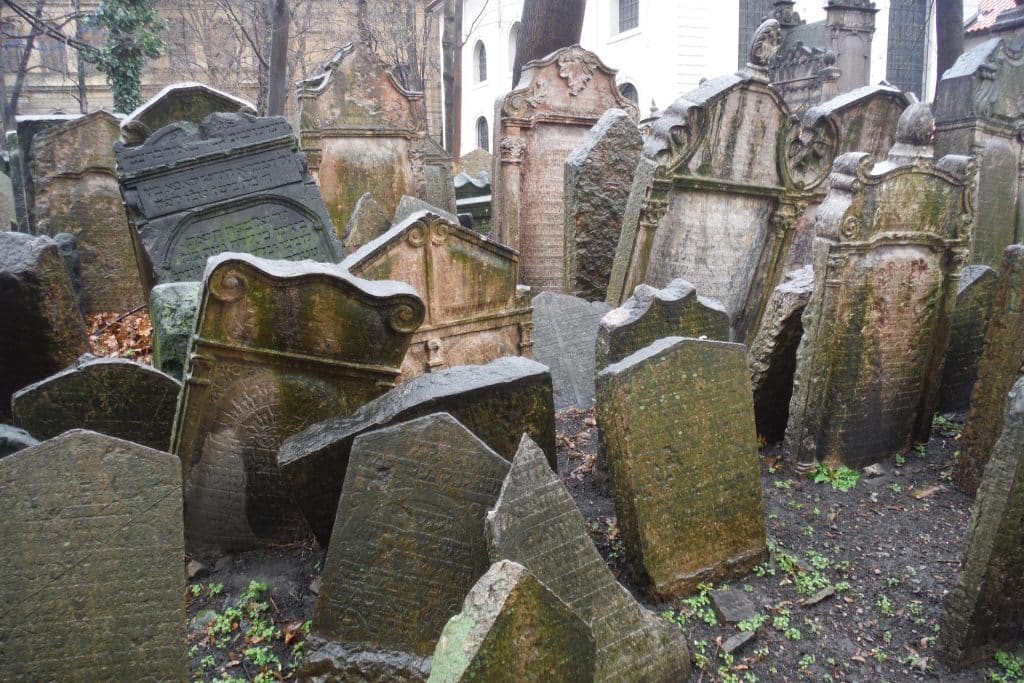
Old Jewish Cemetery: The jumble of 12,000 visible tombstones (with 100,000 more buried beneath) creates a haunting, powerful experience. Bodies were buried in layers over centuries because Jewish law forbids moving graves, and space was severely limited.
Spanish Synagogue: The stunning Moorish interior is often less crowded than the other sites. The intricate Islamic-style patterns covering every surface create an almost kaleidoscopic effect.
Practical details:
- Allow 2-3 hours minimum for the full Jewish Quarter
- The Old-New Synagogue requires a separate ticket if you want to enter (still Europe’s oldest active synagogue)
- Photography is generally not permitted inside the synagogues
Dinner Without the Tourist Markup (07:00 PM)
Avoid restaurants directly on Old Town Square—they’re tourist traps. Instead, walk five minutes to Restaurace Mincovna or U Červeného Páva.
Try the pečená kachna (roast duck with red cabbage). Budget around 400-600 CZK for a full dinner with drinks at these establishments.
Day 2: Imperial Power (Castle District & Malá Strana)
The strategy: Tackle the world’s largest castle complex, then drift down into the city’s most charming neighborhood.
Prague Castle at Opening Hour (09:00 AM)
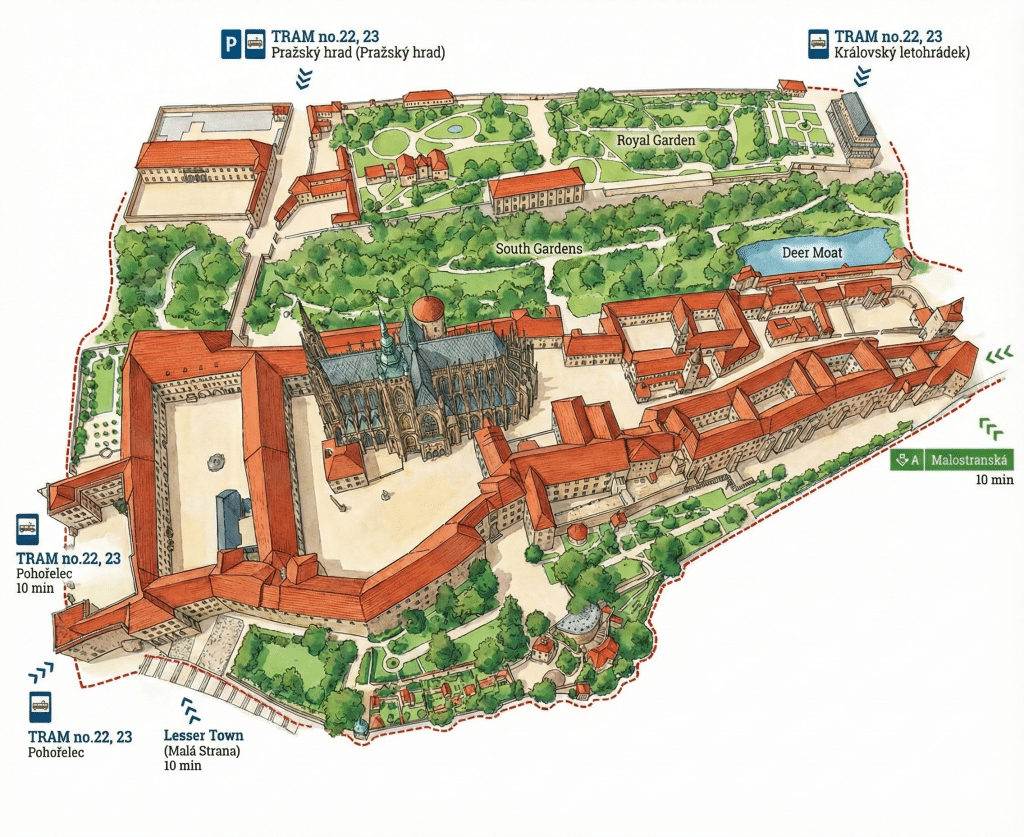
Take Tram 22 up the hill to the Pražský hrad stop. By arriving right at 9:00 AM, you beat the tour bus waves.
Tour director tip: Although security checks have been reduced, enter through the side entrance near the tram stop to avoid the crowds.
Highlights not to miss:
St. Vitus Cathedral: The stained glass by Art Nouveau master Alfons Mucha is breathtaking. His window depicts Saints Cyril and Methodius in ethereal blues and greens that seem to glow from within.
Golden Lane: These tiny medieval houses once housed castle guards and goldsmiths. Franz Kafka briefly lived at Number 22.
You only need the ‘Basic Circuit’ ticket (formerly Circuit B) for these main highlights. Verify current ticket names and pricing on the official Prague Castle website, but budget 450 CZK for this option.
Practical details:
- Allow 3-4 hours minimum for the castle complex
- Security screening can add 15-30 minutes at peak times
- Large bags must be checked (free lockers available)
Lunch with a View That Earns It (12:30 PM)
Walk out the castle’s main gate to Kuchyň, located in the Salm Palace. This place serves classic Czech dishes where you literally lift the lid on the pots to choose your meal. The terrace view over the city is unbeatable.
Budget around 500-600CZK for lunch here. The setting alone is worth it.
Malá Strana: The Lesser Town (02:30 PM)
Walk down the “New Castle Stairs” into Malá Strana. This Baroque neighborhood feels frozen in the 18th century.
St. Nicholas Church: Pop inside to see the massive dome and baroque extravagance. The ceiling fresco is one of the largest in Europe.
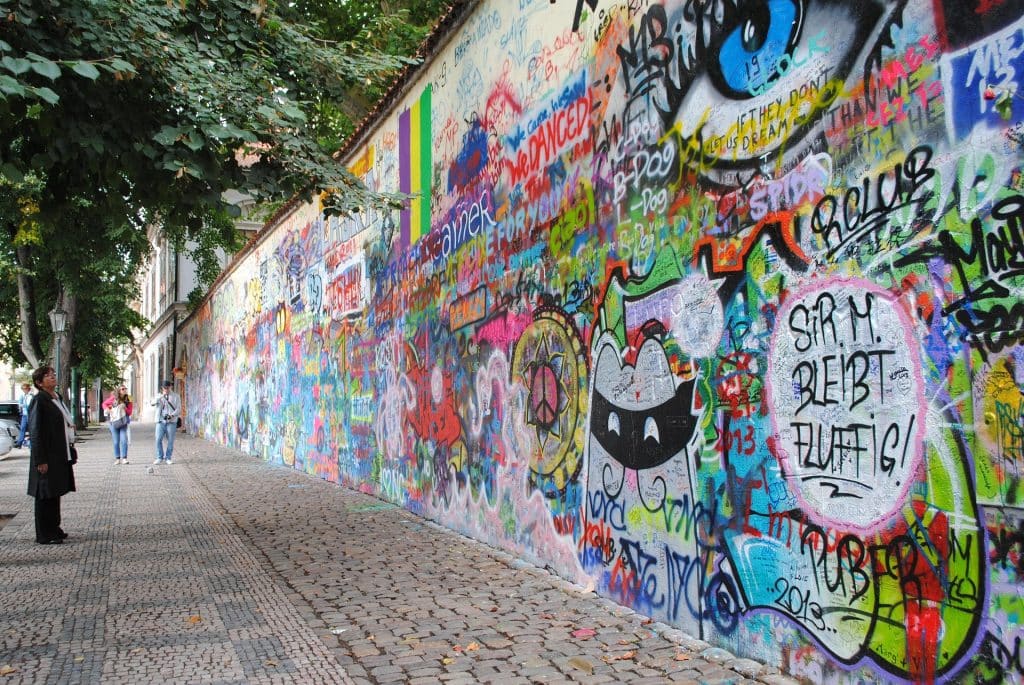
Lennon Wall: A symbol of defiance during communism, now a colorful, ever-changing graffiti tribute to John Lennon and peace. After Lennon’s murder in 1980, this wall became a focal point for Prague youth protesting the regime.
Kampa Island: Just steps away, this peaceful park along the Vltava is perfect for a mid-afternoon rest. Look for David Černý’s giant crawling baby sculptures—bizarre and uniquely Prague.
Practical details:
- Malá Strana to Kampa Island is about a 10-minute walk
- St. Nicholas Church entry typically costs around 200 CZK
- The Lennon Wall is free and accessible 24/7
Evening Jazz or Romance (07:00 PM)
Malá Strana is magical at night. For a special dinner, try U Modré Kachničky (The Blue Duckling)—it’s plush, romantic, and serves some of the best game in the city. Budget around 800-1,200 CZK per person for a full dinner with wine.
If you still have energy, Jazz Dock sits right on the river and hosts world-class musicians in a floating club setting. Cover charges typically range from 150-300 CZK depending on the performer.
Day 3: The Authentic City (Views, Vibes & Real Prague)
The strategy: Get off the tourist trail. Today is about seeing where locals live and capturing those panoramic photos.
Choose Your Morning Adventure (10:00 AM)
Option A (Best View): Letná Park
Home to the giant metronome and a popular beer garden, Letná offers the view of the bridges lining up one after another—this is the “money shot” for photographers. On weekends, half of Prague seems to gather at the beer garden. A half-liter will cost around 60-80 CZK here (proper local pricing).
Option B (History & Silence): Vyšehrad Fortress
The “other” castle on the opposite hill. It’s devoid of crowds, has stunning rampart views, and the cemetery houses famous Czechs like Dvořák and Mucha. Entry to the grounds is free, making this an excellent budget option.
Practical details:
- Both locations are about 20-30 minutes from the city center by tram
- Letná is best in afternoon light for photography
- Vyšehrad is more peaceful in early morning
![Panoramic view from Letná Park showing Prague’s bridges spanning the Vltava River with the city skyline and red rooftops beyond]
A Local Market Lunch (12:30 PM)
If it’s Saturday, head straight to the Náplavka Farmers Market on the riverbank. It’s where half of Prague gathers, drinking coffee and eating roasted meats. Budget around 150-250 CZK for market food and drinks.
If it’s a weekday, explore the Vinohrady neighborhood (the “Brooklyn of Prague”) and grab a modern lunch at Výčep or coffee at Coffee Room. This is where young Praguers actually live and work.
Relaxation or Culture (03:00 PM)
Option A (Relax): Beer Spa
Yes, it sounds gimmicky, but bathing in warm water infused with hops and brewer’s yeast while pouring your own unlimited beer is surprisingly therapeutic (and fun). Original Beer Spa is the reputable operator to book. Sessions typically range from 1,200-2,000 CZK per person depending on package. Book ahead on their official website.
Option B (Culture): National Museum
Visit the newly renovated National Museum at the top of Wenceslas Square. The interior pantheon alone is worth the entry. Budget around 250-350 CZK for admission. Check current exhibits and hours on the National Museum official site.
The Grand Finale Concert (07:30 PM)
End your trip with high culture. Prague is a classical music powerhouse.
Skip the guys handing out flyers on the street. Go to the Rudolfinum (home of the Czech Philharmonic) or the Municipal House (Smetana Hall). Even if you’re not a classical aficionado, the interiors are spectacular.
Tickets often range from 400-1,500 CZK depending on seating and performance. Booking ahead for the Philharmonic is wise. Check schedules and book at the Czech Philharmonic website.
Practical Guide: What Things Actually Cost (2026)
Budget Breakdown by Travel Style
Budget Traveler (approximately 1,250-1,500 CZK per day / $60-70):
- Hostel bed or budget hotel
- Street food, grocery stores, and budget pub meals
- Walking everywhere with occasional tram use
- One or two paid museum entries
- 3-day total: around $180-210
Mid-Range Traveler (approximately 2,800-3,500 CZK per day / $140-170):
- Three or four-star hotel
- Sit-down meals at local restaurants
- Full transport pass
- All major museum and attraction entries
- 3-day total: around $420-500
Comfort Traveler (approximately 7,500+ CZK per day / $360+):
- Boutique hotel
- Fine dining experiences
- Private tours when desired
- Best concert seats
- 3-day total: around $960+
These estimates do not include flights.
Eating Well: What to Actually Pay
Don’t get caught off guard by the bill. Here’s what you should expect to pay in reputable establishments (avoid places charging significantly more).
At a proper local spot:
- Draft beer (0.5L): 55-75 CZK
- Main dish (goulash, schnitzel, duck): 220-350 CZK
- Lunch special (denní menu): 160-220 CZK
- Coffee (espresso or cappuccino): 60-90 CZK
At a tourist trap:
- Draft beer: 120+ CZK
- Main dish: 450+ CZK
- Lunch specials: Rarely offered
- Coffee: 120+ CZK
Tour director tip: In Czech restaurants, we don’t usually leave the tip on the card. It’s customary to round up the bill or leave about 10 percent in cash on the table. For a complete breakdown of tipping customs across the continent, check out my Tipping Etiquette in Europe: Your Essential Guide to Gratuity Customs.
Winter Travel Reality Check (January 2026)
If you’re visiting now, you’re in for a treat and a chill.
The good: The crowds are at their absolute minimum. You can often walk into St. Vitus Cathedral with zero wait.
The bad: The sun sets by 4:30 PM, and temperatures hover around freezing (0°C / 32°F).
The fix: Plan your outdoor sightseeing for the morning hours (9 AM to 2 PM). Use the dark late afternoons for museums, concerts, or that beer spa I mentioned.
What I actually pack: I always bring my thermal base layers and waterproof hiking boots for January tours because the damp cold from the river cuts right through denim and regular shoes. The cobblestones get slick with ice, so grip matters more than style. A windproof outer layer makes all the difference when you’re standing on Charles Bridge at dawn.
Frequently Asked Questions
How much time do I need at Prague Castle?
Allow 3-4 hours minimum for the castle complex, including security screening and the main Circuit B sights (St. Vitus Cathedral, Old Royal Palace, Golden Lane). If you want to explore everything thoroughly or add optional exhibitions, budget 4-5 hours.
Is Prague walkable, or do I need public transport?
Prague’s historic center is extremely walkable—Old Town to the castle is about 2 km. However, the cobblestones are tiring, and hills like the castle approach are steep. A 72-hour transport pass (verify current pricing on the PID website) is worth it for trams, especially to reach Letná, Vyšehrad, or if you have limited mobility.
What’s the best way to avoid tourist traps in restaurants?
Walk at least one block away from Old Town Square, Wenceslas Square, or Charles Bridge before choosing a restaurant. Look for Czech-language menus and locals eating there. If the menu has photos and prices in euros, keep walking. Budget spots typically charge 220-350 CZK for mains, not 450+.
Do I need to book Prague Castle tickets in advance?
Not required, but highly recommended during peak season (April through October). Booking the Circuit B ticket online lets you skip the ticket purchase queue, which can save 30-60 minutes. In winter (like now), you can usually buy tickets on arrival without major delays.
Can I visit Prague on a budget?
Absolutely. Prague offers excellent value compared to Western Europe. Budget travelers can experience the city for around $55-65 per day by staying in hostels, eating at budget pubs or groceries, walking everywhere, and choosing free attractions like Charles Bridge, Vyšehrad, and Letná Park.
Can I pay with Euros in Prague?
You can, but exchange rates are poor and you’ll lose money on every transaction. Restaurants and shops that accept euros typically use unfavorable conversion rates. Always pay in CZK using a card or cash withdrawn from a bank ATM for the best value. Never let merchants charge your card in your home currency—always choose CZK when given the option.
What should I wear in January?
Layers are essential. Temperatures hover around 0°C (32°F), and the cobblestones can be icy. Bring warm coat, hat, gloves, scarf, and waterproof boots with good grip. The cold is dry rather than damp, so it’s manageable if you dress properly.
Is the Astronomical Clock worth seeing?
The hourly show itself is brief and somewhat anticlimactic (12 apostles appear in windows for about 45 seconds). However, the clock’s medieval craftsmanship is remarkable up close, and the Old Town Square setting is beautiful. Worth a quick stop but don’t plan your day around it.
Which viewpoint is better: Letná Park or Vyšehrad?
Letná Park offers the classic postcard view of bridges and the city center, best photographed in afternoon light. Vyšehrad provides a quieter, more dramatic fortress atmosphere with rampart views and the Czech cemetery. If you only have time for one, choose Letná for views, Vyšehrad for history and atmosphere.
What is the best 3-day itinerary for Prague?
Spend Day 1 in the Historic Core, hitting Charles Bridge at sunrise and the Jewish Quarter. Dedicate Day 2 to the Castle District (Circuit B ticket) and Malá Strana gardens. Reserve Day 3 for authentic local culture, including Letná Park views and a traditional beer spa experience.
Final Thoughts
Prague is a city that rewards the early riser and the curious walker. By following this guide, you’ll see the icons without the chaos, and you’ll taste the version of the city that keeps me coming back year after year.
For more details on navigating the trains, regional day trips, and deeper cultural etiquette, head back to my main Czech Republic Travel: Your Essential Guide to Exploring the Heart of Bohemia.
Na zdraví! (Cheers!)
Related Reading
- Best Czech Restaurants: Beyond the Tourist Traps
- Day Trips from Prague: Karlštejn, Kutná Hora & Beyond
- Prague Photography Guide: Best Spots and Golden Hour Tips
- Central & Eastern Europe Travel: The Ultimate Guide for Culturally Curious Travelers
Ready to explore more of Central Europe? Visit Pieterontour.com for in-depth destination guides, insider tips from decades of tour directing, and itineraries designed to help you experience Europe like a local, not a tourist.