
Solo Travel & Safety in Europe: Your Complete Guide to Confident Independent Exploration
This guide is for travelers considering their first solo European adventure—or seasoned solo explorers looking to refine their safety strategies. Here’s everything you need to travel independently with confidence across the continent, focusing on solo travel and safety in europe.
Quick Answer: Is Solo Travel in Europe Safe?
Yes, Europe is one of the world’s safest regions for solo travelers. According to the Global Peace Index, European countries consistently rank among the safest globally, with particularly low violent crime rates.
Key Facts:
- Main risks: Pickpocketing and petty theft (not violent crime)
- Safest cities: Copenhagen, Vienna, Lisbon, Edinburgh, Florence
- Emergency number: 112 (works throughout all EU countries, even on locked phones)
- Growth trend: Solo travel bookings up 42% in two years; 69% of travelers planning solo trips
Bottom line: With proper preparation and awareness, solo travel in Europe is as safe as exploring your hometown—and your hometown is probably very safe.
Solo travel in Europe isn’t just growing, it’s surging. Bookings have jumped 42% over the past two years, and 62% of travelers are planning multiple solo trips in 2025. If you’ve been thinking about striking out on your own, you’re part of a massive wave of independent explorers discovering what I’ve known for years: traveling alone through Europe is one of the most rewarding experiences you can have.
This post supports my Art of Cultural Immersion: How to Travel Like a Local in Europe guide, focusing specifically on the logistics and safety considerations of independent travel. While that pillar guide explores how to connect authentically with local culture, this one addresses the practical question I hear constantly: “Is it safe to travel alone in Europe?” The short answer is yes, absolutely. The longer answer—with all the strategies that make it not just safe, but genuinely liberating—is what follows.
The Transformative Power of Traveling Alone
Solo travel offers something genuinely unique: the freedom to design your journey entirely around your interests, rhythms, and curiosities. When you travel alone, every decision—whether monumental or minor—is yours alone to make.
Understanding the dynamics of solo travel and safety in Europe can enhance your experience, ensuring you enjoy your journey while minimizing risks.
The psychological benefits run deep. Solo travel encourages self-reflection and self-discovery in ways that group travel simply can’t match. Away from the expectations and distractions of familiar social circles, you uncover your authentic self. Many solo travelers find that the independence they gain on the road translates into greater confidence and self-sufficiency long after returning home.
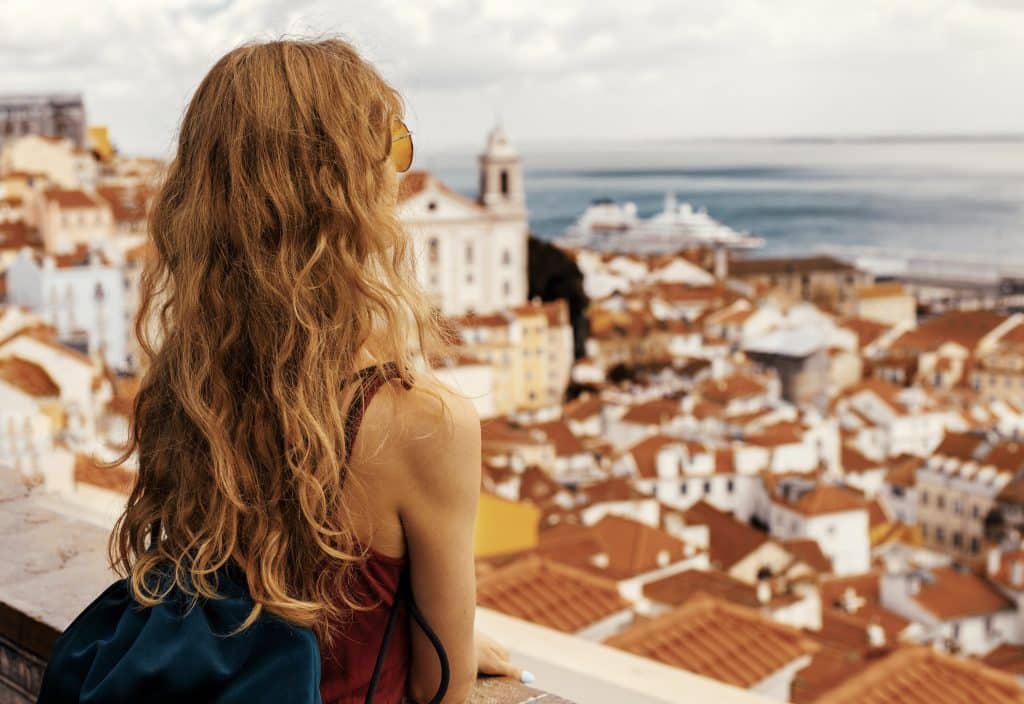
Perhaps most relevant to cultural immersion, traveling alone opens unique doors to connection. Without the buffer of a travel companion, you’re naturally more open to engaging with locals and fellow travelers. Meaningful interactions that would be less likely when traveling with others become almost inevitable. As one experienced traveler put it perfectly: “I am able to ‘be in the moment’ and absorb everything I see much better when I’m alone. All my senses are more awake.”
I’ve experienced this myself countless times. Some of my most memorable conversations—the ones that shifted my understanding of a place—happened precisely because I was alone, approachable, and fully present.
On this page
Is Europe Safe for Solo Travelers?
Here’s the reality: Europe is one of the safest regions in the world for solo travel. According to the 2024 Global Peace Index, Europe ranks as the world’s safest region overall, with notably low violent crime rates in cities like Copenhagen, Ljubljana, and Vienna. Germany and Austria were specifically highlighted among the 20 safest destinations for women traveling alone in 2025.
Generally speaking, Europe is about as safe as your hometown. And your hometown is probably a very safe place. The main risks solo travelers face aren’t violent crime but rather petty theft and, for those who partake, issues related to intoxication. Understanding these specific risks allows you to prepare appropriately without excessive fear.
Understanding the Real Risks
Let me be direct about where to focus your attention:
Pickpocketing is common in major tourist areas. Europe holds 8 of the world’s top 10 pickpocketing destinations, with Barcelona taking the number one spot. Paris, Rome, Florence, and Prague also rank high. However, awareness and preparation significantly reduce your vulnerability.
Scams proliferate in tourist hotspots, particularly around major attractions and metro stations. They’re annoying but rarely dangerous, and once you know what to watch for, they’re easy to avoid.
Violent crime is very low throughout Western Europe. This is what matters most for personal safety, and the statistics are reassuring.
A quick note on planning: Safety situations can evolve, so I always recommend checking the U.S. State Department travel advisories (or your home country’s equivalent) for your specific destinations before departure. The information here reflects general patterns, but conditions can change.
Common Tourist Scams: Know Before You Go
Foreknowledge is your greatest protection. Here are the scams you’re most likely to encounter:
Scam Name | Common Locations | How to Avoid |
|---|---|---|
“Found Ring” | Paris (near Sacré-Cœur, Eiffel Tower) | Someone “finds” a gold ring and offers to sell it cheap. It’s worthless brass. Walk away without engaging. |
Friendship Bracelet | Paris (Sacré-Cœur steps), Barcelona (La Rambla) | Someone ties a bracelet on your wrist, then demands payment. Keep hands in pockets near known hotspots; firmly refuse. |
Petition Scam | Rome, Paris, major cities | Groups ask you to sign “charity” petitions while accomplices pickpocket you. Never stop for clipboard wielders. |
Fake Taxi | Rome, Athens, Prague | Unlicensed cabs with rigged meters or bill-switching. Use official taxi stands or ride-share apps (Uber, Bolt, Free Now). |
Spilled Drink | Madrid, Barcelona | Someone “accidentally” spills on you, apologizes profusely while an accomplice picks your pocket during the distraction. Stay alert when bumped. |
Overpriced Menu | Venice, Florence, tourist zones | Restaurants with no prices listed or different prices for tourists. Always check posted prices before ordering. |
ATM Skimming | Any major city | Fake card readers steal your information. Use ATMs inside banks, cover your PIN, check for loose card slots. |
Rose Sellers | Rome (Spanish Steps), Paris | Someone hands you a rose “as a gift,” then demands payment aggressively. Don’t accept anything from street vendors. |
The universal rule: If something seems too good to be true, it is. Politely but firmly decline unsolicited offers from strangers, and stick to official sources for tickets and information.
Practical Safety Strategies for Solo Travelers
Before You Leave
Register your trip with your home country’s embassy or travel registration program. For Americans, the Smart Traveler Enrollment Program (STEP) allows the embassy to notify you of safety alerts and locate you during emergencies. It takes five minutes and could prove invaluable.
Download essential apps before departure: offline maps, translation tools, and safety apps. Google Maps allows you to download entire cities for offline use. This means you can navigate confidently without visible phone usage that marks you as a tourist.
Purchase comprehensive travel insurance that covers medical emergencies, trip cancellation, and baggage loss. For solo travelers, look specifically for policies that include “companion coverage” and “emergency medical reunion.” This ensures someone can reach you if you’re incapacitated abroad. Expect to budget around $100-150 for comprehensive coverage on a month-long European trip. Given what’s at stake, it’s money well spent. For the most current pricing and coverage options, it’s highly recommended to compare policies through providers like [World Nomads or SafetyWing—Pieter to add official links].
Share your itinerary with trusted friends or family members. Save emergency contacts into your phone and keep a printed backup list including local emergency services, your accommodation details, and the nearest embassy or consulate.
Critical Emergency Number: 112
The universal emergency number throughout all EU countries is 112. This number works even on locked phones and connects you to police, ambulance, or fire services regardless of which country you’re in. Memorize it before you travel.
Protecting Yourself from Pickpockets
The best defense against pickpockets is situational awareness. Keep your head up and be conscious of what’s happening around you. Thieves target those who appear distracted. Walking with purpose and confidence makes you less vulnerable.
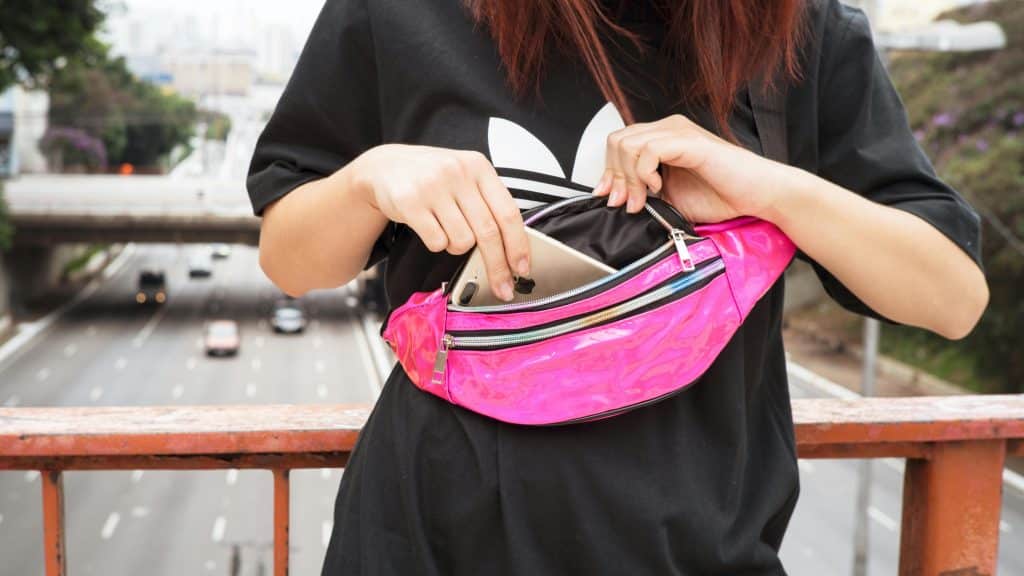
Carry bags securely. Use a crossbody bag worn in front rather than behind, or hold your backpack to your front in crowded places. Backpacks worn on the back are easy to access without your knowledge. Some travelers recommend bags with steel-wire straps that cannot be cut.
Keep valuables close and distributed. Don’t carry everything in one place. Consider using a money belt for passport and backup cards, keeping only one day’s spending money easily accessible. Some experienced travelers maintain a “decoy wallet” with minimal cash. If stolen, it’s a minor inconvenience rather than a disaster.
Be extra vigilant at specific moments. Pickpockets often strike during distractions: when boarding crowded metro trains, at escalators, when someone bumps into you or asks for directions, or when groups approach with petitions or maps. At metro stops, be hyper-alert when trains arrive and doors open. Thieves can dash on and off quickly.
I’ve watched this happen. On a packed Rome metro, I saw a group of teenagers work in perfect coordination—one bumped a tourist, another asked for directions, and a third went for the backpack. The tourist never noticed. Don’t be that tourist.
A Story from the Road: Why Digital Backups Matter
A few years ago, I was leading a group through Prague when one of my travelers—a woman in her 50s on her first solo extension—had her bag stolen from a café while she used the restroom. Passport, credit cards, phone, everything gone in seconds.
What saved her from complete disaster? She’d scanned everything before leaving home and emailed copies to herself. Within hours, we had her at the U.S. Embassy with printed copies of her passport, her bank had canceled cards and sent emergency funds, and she was back on track. The trip continued.
Without those digital backups, she would have spent days in bureaucratic limbo instead of exploring Prague Castle. Take the ten minutes before you leave home to scan your passport, visa, travel insurance policy, credit cards (front and back), and booking confirmations. Store them in secure cloud storage, email them to yourself, and keep printed copies separate from originals. It’s the single most valuable insurance you’ll never regret having.
Nighttime and Transportation Safety
Arrive during daylight when possible, especially in unfamiliar cities. Book accommodations with 24-hour reception or ensure late check-in is available if you must arrive late.
Choose well-lit, populated areas after dark. Avoid deserted streets and poorly lit neighborhoods, even if they appear to be shortcuts. Stick to main streets and trust your instincts. If an area feels unsafe, leave immediately. Your gut feeling is usually right.
On public transport, travel in busier carriages rather than empty ones, especially at night. Consider visiting train or bus stations the day before late departures to familiarize yourself with the layout and assess whether waiting areas feel safe. For comprehensive strategies on navigating metros, trams, and regional trains confidently, see my guide on Navigating European Public Transportation Like a Pro.
Night trains deserve special mention. Many modern night trains like ÖBB Nightjet offer “Ladies Only” compartments specifically for solo female travelers. These compartments provide extra peace of mind and often foster connections with other women traveling independently. Always lock your compartment from the inside, keep valuables in a money belt even while sleeping, and keep your compartment key secure.
Use official ride-share apps rather than random taxis after dark. Apps like Uber, Bolt, or Free Now provide tracked journeys and driver verification. Some solo travelers fake a phone call when entering a cab, clearly reading the license plate so the driver knows someone expects them. It’s theatrical, but effective.
Accommodation: Where Safety Meets Social Connection
Your accommodation choice significantly impacts both safety and your opportunity for cultural immersion.
Hostels: The Solo Traveler’s Social Hub
Hostels remain the premier choice for solo travelers seeking both affordability and community. Staying in a hostel puts you in a community of travelers, providing built-in opportunities to meet people, share experiences, and even find travel companions for day trips.
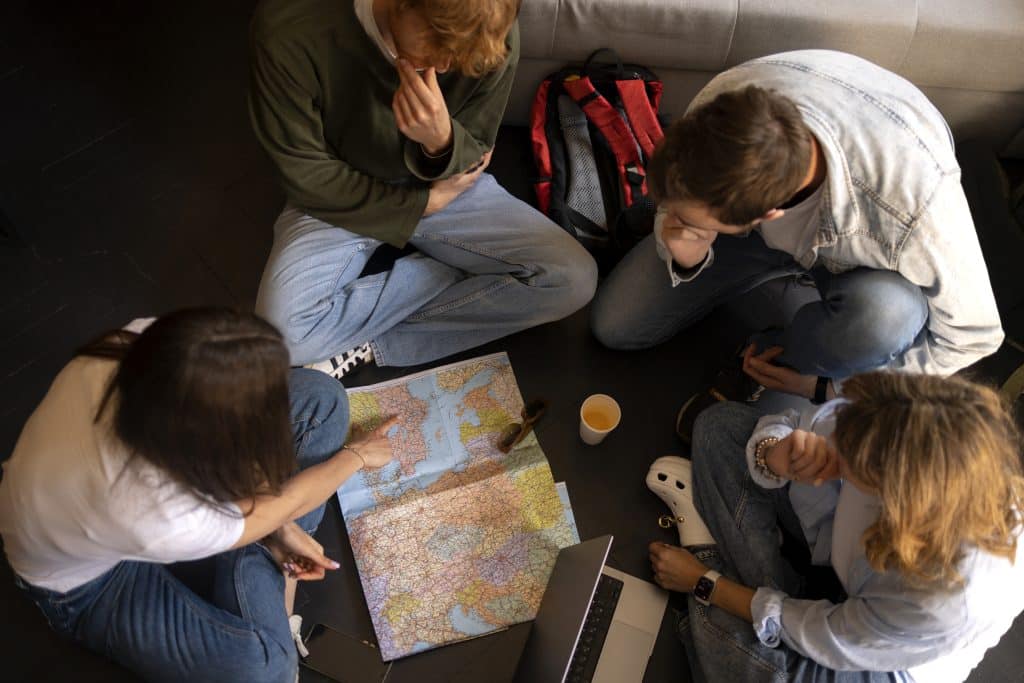
Look for hostels with strong communal spaces: common rooms, shared kitchens, outdoor patios where socializing happens naturally. Many top hostels organize daily events including walking tours, pub crawls, and family-style dinners that facilitate connection. The Flying Pig in Amsterdam, OneFam in Prague and Porto, and Hostel Dvor in Split are consistently rated among Europe’s best for solo travelers.
For those who want hostel sociability with more privacy, many offer private rooms at prices still lower than hotels. This gives you access to common areas for meeting people while having your own quiet space to retreat.
Hostel safety tips:
Use lockers for valuables and bring your own padlock
Check reviews specifically for cleanliness and security
Research the hostel’s atmosphere. Some cater to party crowds, others to quieter travelers
Look for female-only dorm options if that feels more comfortable
Alternative Accommodations
Small inns and bed-and-breakfasts offer more personal experiences and opportunities to connect with local hosts who can share insider knowledge about the area. Staying with a local family through homestay platforms allows you to experience everyday life directly.
For longer stays, apartments can work well, though they lack the built-in social element of hostels.
Blending In: Safety Through Cultural Awareness
One of the most effective safety strategies is also central to cultural immersion: learning to blend in with locals. This connects directly to my Art of Cultural Immersion: How to Travel Like a Local in Europe guide.
Dress Appropriately
European fashion tends toward understated, well-fitted clothing in neutral colors. Avoid athletic wear, shorts, baseball caps, and torn jeans—any of these can instantly mark you as a tourist. Observe what local women or men are wearing and adapt accordingly. In many European cities, you’ll notice more polished, simple styles than typical American casual wear.
Avoid flashy jewelry or obviously expensive accessories that might attract attention. This isn’t about dimming yourself—it’s about practical invisibility that allows you to observe and participate without drawing unwanted notice.
Walk with Confidence
Body language matters enormously. Walk with purpose, head up, shoulders back—even when you’re not sure where you’re going. Stopping frequently to consult maps or looking confused signals vulnerability. If you need to check directions, step into a café or shop rather than standing on the street.
Before leaving your accommodation, plan your route so you can walk confidently toward your destination. Downloaded offline maps reduce the need to consult your phone visibly in public.
Master the Art of Observation
Spend time in public areas simply watching how locals behave: how they order coffee, navigate public transport, interact with strangers. This observation serves dual purposes. It helps you blend in, and it deepens your cultural understanding, making you a more immersed traveler.
The Power of Traveling Light: Mobility Equals Safety
Here’s something I’ve learned from decades of leading tours: the ability to move quickly and confidently through crowds, train stations, and unfamiliar streets is itself a safety advantage. When you’re wrestling with oversized luggage, you’re vulnerable—slow, distracted, and visibly struggling.
This is where the principles from my Mastering the One Suitcase Challenge on European Coach Tours guide apply directly to solo travel safety. Traveling with one well-organized bag means you can:
- Navigate stairs and platforms quickly without assistance
- Keep both hands free for situational awareness
- Blend in better (locals don’t drag massive suitcases through Old Towns)
- Exit uncomfortable situations immediately without abandoning belongings
- Move seamlessly between accommodations without taxi dependency
The lighter you travel, the more confidently you move. And confidence itself is a deterrent to those looking for easy targets.
Meeting People and Making Connections
One common concern about solo travel is loneliness. In practice, traveling alone often leads to more social interaction, not less. Without a travel companion buffer, you’re naturally more approachable and more likely to initiate conversations.
For comprehensive strategies on connecting authentically without feeling awkward, read my guide on How to Make Friends While Traveling Solo in Europe.
Walking Tours
Free walking tours (tip-based) are among the best ways to meet fellow travelers while getting oriented to a new city. Book through platforms like GuruWalk or GetYourGuide. Many solo travelers make day-trip companions or dinner partners through these tours.
Food Tours and Cooking Classes
Culinary experiences offer natural conversation opportunities. You’re already sharing something—a meal, a cooking lesson—which breaks the ice instantly. These also deliver on cultural immersion, teaching you about local food traditions and connecting you with passionate local guides.
Communal Dining
Seek out restaurants with communal tables, counter seating, or bar areas. These layouts naturally facilitate conversation with strangers. Tapas bars and wine bars work particularly well for solo diners, as the small-plates format encourages sharing and discussion.
Strategic Accommodation
Choose accommodations designed for interaction. Hostels with regular events, guesthouses with communal breakfasts, or B&Bs where hosts engage with guests all provide organic social opportunities without requiring you to make the first move.
Dining Solo: Embracing the Experience
Many first-time solo travelers feel anxious about eating alone in restaurants. With practice, it becomes one of travel’s great pleasures—a chance to savor food mindfully, observe local life, and practice self-companionship.

Start with cafés and casual spots. These environments are naturally solo-friendly, especially in cities with strong café cultures like Paris, Vienna, or Copenhagen. Grab a window seat for people-watching entertainment.
Eat early in countries like Spain and Italy where locals dine late (9-10 PM). Arriving at 7 PM means fewer crowds and often other early-dining solo travelers.
Bring something to do. A book, journal, or phone with downloaded content removes any awkwardness of empty moments. That said, many solo travelers find they eventually prefer simply observing the restaurant’s rhythm without distraction.
Explore food halls and markets. These bustling spaces are perfect for solo diners. Grab different items from various stalls, find a seat, and enjoy the atmosphere without the formality of restaurant service.
For detailed strategies on navigating dining customs, appropriate tipping, and when locals actually eat, see my guide on European Dining Hours and Table Manners: A Guide to Eating Like a Local.
Technology and Safety Apps
Strategic use of technology enhances both safety and independence.
Essential Apps for Solo Travelers
Offline maps like Google Maps and Maps.me allow navigation without data or visible phone usage. Download maps for each destination before arrival.
Translation apps like Google Translate and DeepL help with menus, signs, and basic communication. Downloading language packs enables offline use.
Safety apps like Noonlight, bSafe, and TripWhistle provide emergency features including one-tap alerts to emergency contacts with GPS location, panic alarms, and fake calls to exit uncomfortable situations. The STEP app (for US citizens) connects you with embassy resources.
Ride-share apps like Uber, Bolt, and Free Now provide safer, tracked transportation alternatives to random taxis.
Protecting Your Devices
Phones are high-theft targets. Take quick photos then put your phone away. Elaborate Instagram shoots in public attract attention and leave you distracted. Consider a phone case with wrist strap or lanyard for secure handling.
If using a camera, keep it on a crossbody strap rather than around your neck (less “tourist-obvious”). Never set equipment far from reach, even briefly. Stay within steps of your gear when taking self-timer photos.
When Solo Feels Overwhelming: The Hybrid Option
Not everyone is ready to dive into completely independent travel, and that’s perfectly okay. If the idea of solo travel intrigues you but feels daunting, consider starting with a hybrid approach that offers the best of both worlds.
Small group tours with built-in free time allow you to experience solo exploration within a supported framework. You’ll have a guide’s expertise and a group’s social buffer for major sites and logistical challenges, but also independence to wander on your own during free afternoons and evenings.
For my honest perspective on when guided experiences make sense versus when independent travel serves you better, read Guided Tours vs Independent Travel: A Tour Director’s Honest Perspective. Having led hundreds of tours, I can tell you that many of my most confident solo travelers started with organized trips that built their skills and confidence gradually.
Emergency Preparedness
Know the Numbers
112 is the universal EU emergency number, functioning in all EU countries regardless of your destination. It works even on locked phones. Save local police and hospital numbers for each country you visit as backup.
Document Backup
Scan or photograph your passport, visa, travel insurance policy, and booking confirmations. Store copies in secure cloud storage and email them to yourself. Carry printed copies separately from originals. As my Prague story illustrates, this simple step can save your entire trip.
Emergency Contacts
Create a list including:
- 112 (universal EU emergency number)
- Local police and hospital numbers
- Nearest embassy or consulate
- Your accommodation address and phone
- Home emergency contacts
- Travel insurance 24-hour assistance line
Keep this list both digitally and printed in your day bag.
Trust Your Instincts
Your intuition is your best safety tool. If something feels wrong, leave immediately. You don’t owe politeness to anyone who makes you uncomfortable. It’s better to feel briefly embarrassed than to stay in a situation that escalates.
If harassed, use a firm, loud voice to set boundaries. In Italy, “Basta!” (Enough!) works well. Making a scene may feel uncomfortable but it’s often the fastest way to end unwanted attention.
Best European Destinations for Solo Travelers
Some cities consistently rank as particularly welcoming for solo exploration:
Lisbon, Portugal – Walkable, affordable, English-friendly, with vibrant food and music scenes.
Copenhagen, Denmark – Exceptionally safe, excellent infrastructure, design-forward culture.
Seville, Spain – Compact, beautiful, budget-friendly with strong flamenco and tapas traditions.
Florence, Italy – Art, food, wine—walkable Renaissance beauty perfect for solo wandering.
Edinburgh, Scotland – Literature-rich, festival culture, stunning architecture, very walkable.
Prague, Czech Republic – Affordable, architecturally stunning, excellent hostel scene.
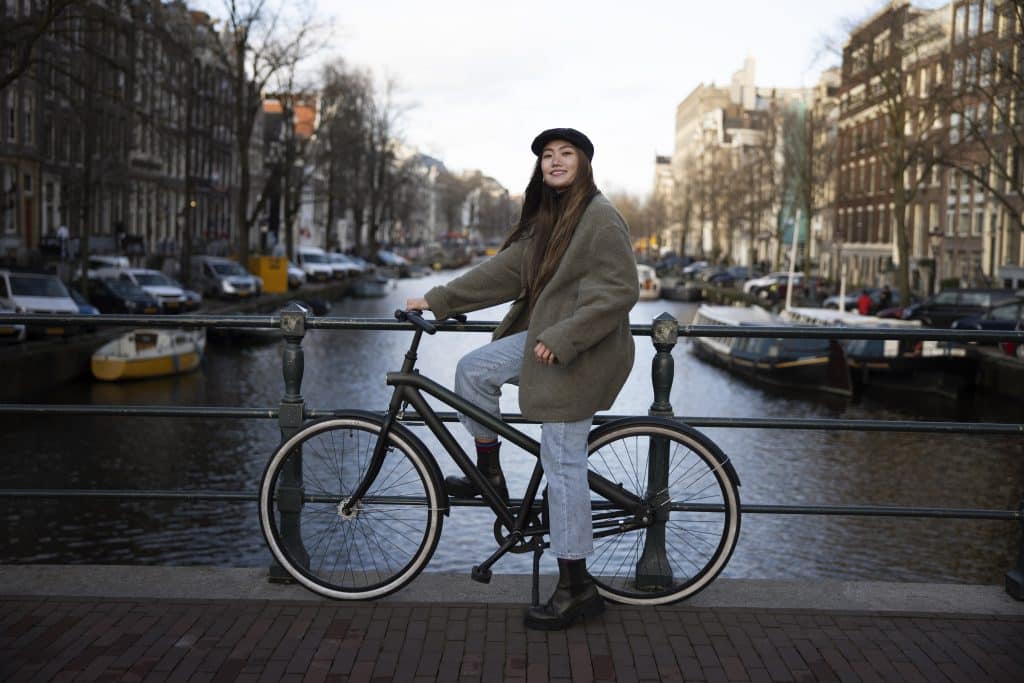
Amsterdam, Netherlands – Bike-friendly, English-speaking, iconic canals and museums.
Vienna, Austria – Safe, cultured, famous café tradition ideal for solo afternoon indulgence.
A Note for Mature Solo Travelers
Solo travel is no longer dominated by twenty-something backpackers. Travelers in their 40s, 50s, and beyond are embracing independent travel in growing numbers. The experience brings distinct advantages: life wisdom that helps navigate challenges calmly, financial resources for comfortable accommodations when desired, and often more flexibility with time.
Hostels increasingly welcome mature travelers, with many offering private rooms alongside dorms. Alternatively, small hotels, B&Bs, and apartment stays provide independence with comfort. Group tours designed for solo travelers offer the benefits of companionship without requiring a travel partner from home.
The fundamentals remain the same regardless of age: research your destination, stay aware of surroundings, trust your instincts, and remain open to connection.
Final Thoughts: Freedom Awaits
Solo travel in Europe is not reckless adventure—it’s thoughtful independence. With proper preparation, awareness, and flexibility, you can explore the continent safely while experiencing a depth of cultural immersion that’s harder to achieve when always accompanied.
The statistics tell a clear story: solo travel is no passing trend. With 69% of travelers planning solo trips and market growth expected at 12.4% annually through 2030, the world is increasingly designed to welcome independent explorers.
My Art of Cultural Immersion: How to Travel Like a Local in Europe guide provides the philosophical foundation—understanding café cultures, learning local phrases, immersing in daily rhythms. This safety companion ensures you have the practical tools to pursue that immersion with confidence.
The freedom of solo travel is unmatched: waking without compromise, lingering where fascination strikes, pivoting spontaneously when something better appears. It’s your journey, on your terms, into the heart of European culture.
Related Reading:
- How to Make Friends While Traveling Solo in Europe
- European Café Culture: Your Guide to Blending In
- European Dining Hours and Table Manners: A Guide to Eating Like a Local
- Navigating European Public Transportation Like a Pro
- Guided Tours vs Independent Travel: A Tour Director’s Honest Perspective
- Mastering the One Suitcase Challenge on European Coach Tours
Explore more guides on cultural immersion and European travel at Pieterontour.com—where every journey is designed to connect you authentically with the places you visit.
Frequently Asked Questions
How much does travel insurance cost for a solo trip to Europe?
Travel insurance for a month-long European trip typically starts around $100-150, covering medical emergencies, trip cancellation, and baggage loss. For solo travelers, ensure your policy includes companion coverage and emergency medical reunion.
What’s the emergency number throughout Europe?
112 is the universal emergency number functioning in all EU countries. It works even on locked phones and connects you to police, ambulance, or fire services. Save this number before you travel.
Are hostels safe for solo female travelers?
Yes, hostels are generally very safe for solo female travelers. Look for hostels with good security reviews, use provided lockers for valuables, and consider female-only dorm options if that feels more comfortable. Many modern hostels also offer private rooms.
How can I avoid pickpockets in major European cities?
Carry bags in front of you in crowded areas, distribute valuables across multiple locations, stay alert during distractions like boarding metro trains, and walk with confident awareness rather than distracted phone-checking. See the “Common Tourist Scams” table above for specific situations to watch for.
Is it awkward to eat alone in European restaurants?
Not at all. Start with cafés and casual spots if you’re nervous, but solo dining is common throughout Europe. Window seats, counter seating, and food halls are particularly solo-friendly options. Bringing a book or journal can help you feel more comfortable.
What are the safest European cities for first-time solo travelers?
Copenhagen, Lisbon, Vienna, Edinburgh, and Florence consistently rank as exceptionally safe and welcoming for solo travelers, with excellent infrastructure and English-friendly environments.
Should I stay in hostels or hotels when traveling solo?
Hostels offer built-in social opportunities ideal for solo travelers, while hotels provide more privacy. Many hostels now offer private rooms, giving you the best of both worlds—communal spaces for meeting people and private space when needed.
How do I meet people when traveling alone in Europe?
Join free walking tours, take food tours or cooking classes, stay in social hostels, eat at communal tables or bar seating, and remain open to conversation. Solo travelers are often more approachable than groups. See my dedicated guide on making friends while traveling solo for detailed strategies.
What should I do if my passport is stolen?
Immediately report the theft to local police and obtain a police report. Contact your embassy or consulate with your digital backup copies of your passport. This is why scanning your documents before travel is critical—it dramatically speeds up replacement.
Are night trains safe for solo female travelers?
Yes, especially modern night trains like ÖBB Nightjet that offer “Ladies Only” compartments specifically for solo female travelers. Always lock your compartment from inside, keep valuables in a money belt while sleeping, and keep your compartment key secure.
Is solo travel in Europe safe?
Yes, Europe is one of the safest regions globally. While violent crime is rare, pick-pocketing is common in tourist hubs like Barcelona and Paris. To stay safe, memorize the universal emergency number 112 , carry bags in front, and trust your instincts.